Digital Diagnostics

X-Ray Machines: How They Work
Medical Innovations Digital Diagnostics

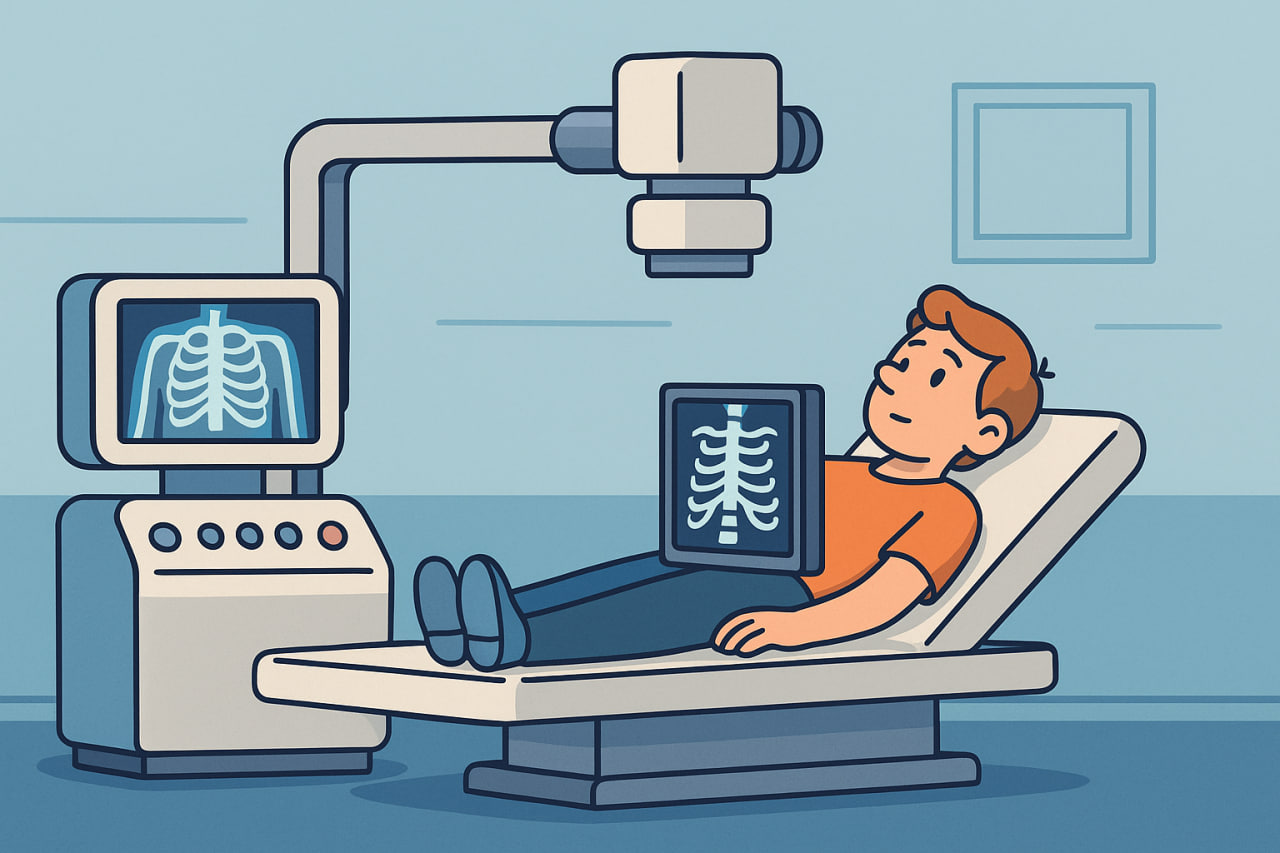
X-Ray Machines: How They Work

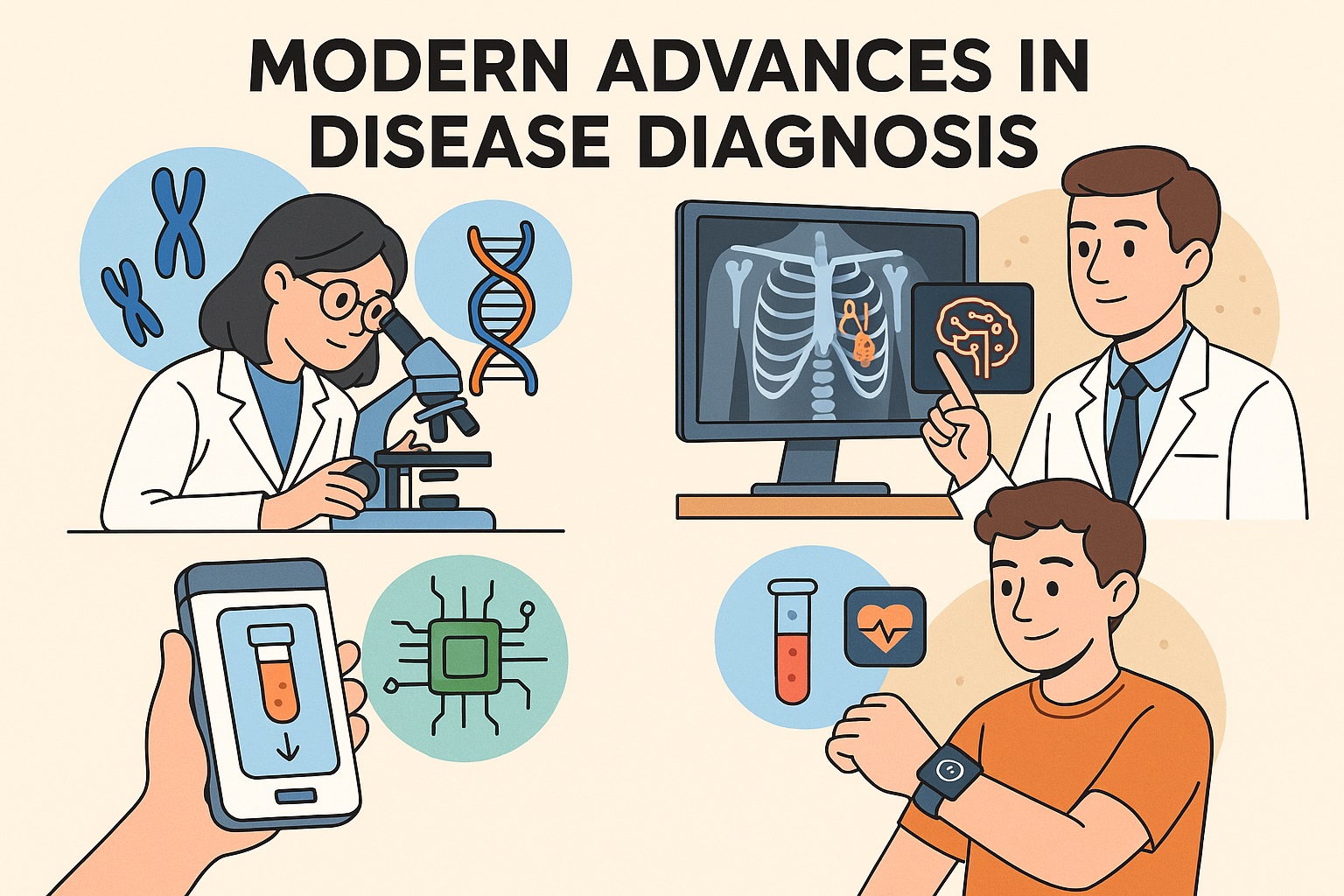
An X-ray machine is a medical device that uses ionizing radiation to create images of the inside of the human body. It is one of the most important diagnostic tools in modern medicine, allowing doctors to see bones, tissues, and certain organs without the need for surgery. X-rays have been used since their discovery in 1895 by Wilhelm Röntgen, and their applications have expanded greatly since then.

Modern Cancer Treatments: How Medicine Is Changing the Fight Against Cancer
Medical Innovations Digital Diagnostics Global Challenges

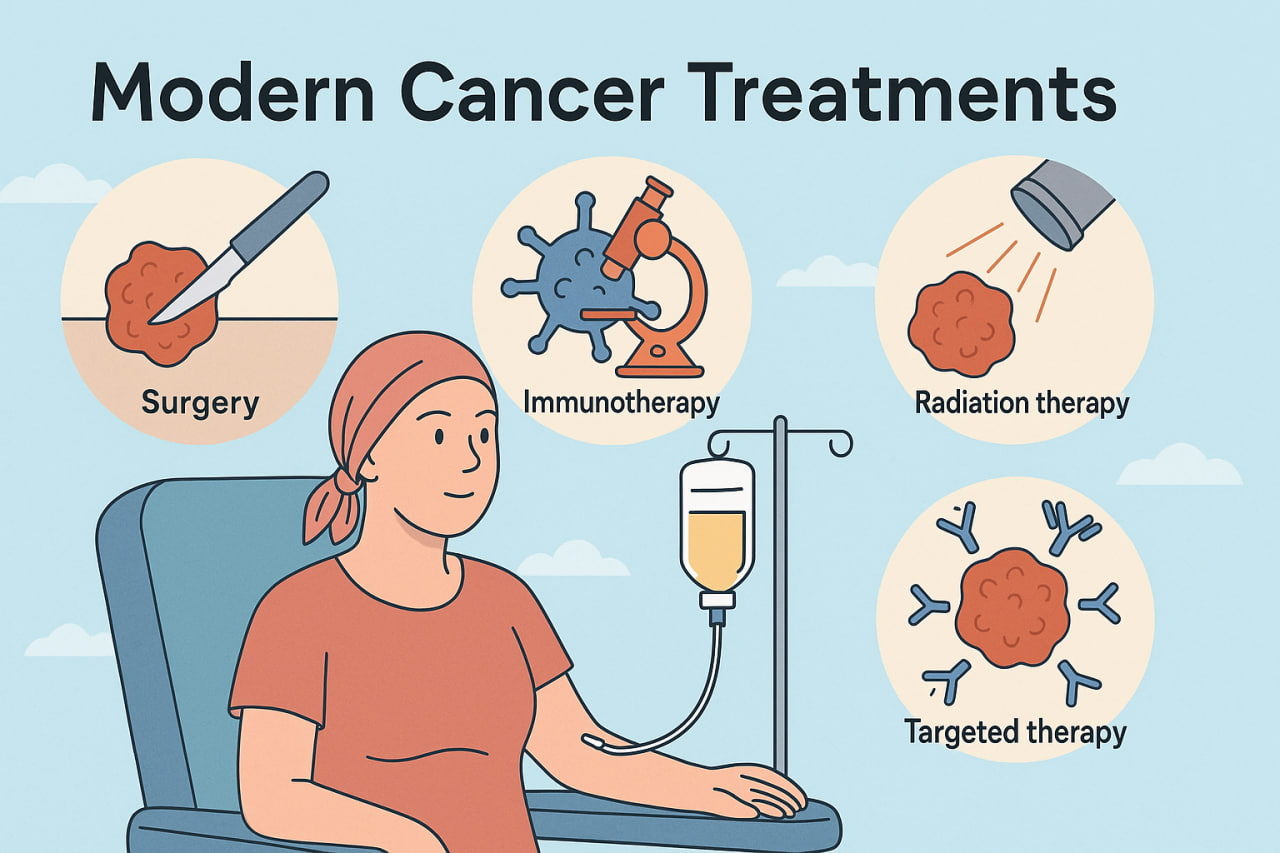
Modern Cancer Treatments: How Medicine Is Changing the Fight Against Cancer

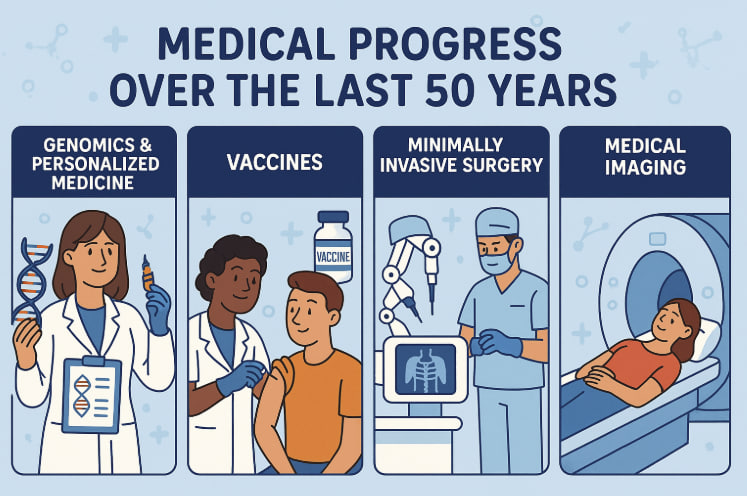
Cancer is a complex group of diseases characterized by the uncontrolled growth of abnormal cells. While a cancer diagnosis once meant very limited treatment options, today’s modern cancer therapies are more precise, less invasive, and increasingly effective. Thanks to scientific breakthroughs, many forms of cancer can now be managed or even cured—especially when detected early.

Ultrasound Diagnostics: Safe and Powerful Medical Imaging
Digital Diagnostics

Ultrasound Diagnostics: Safe and Powerful Medical Imaging

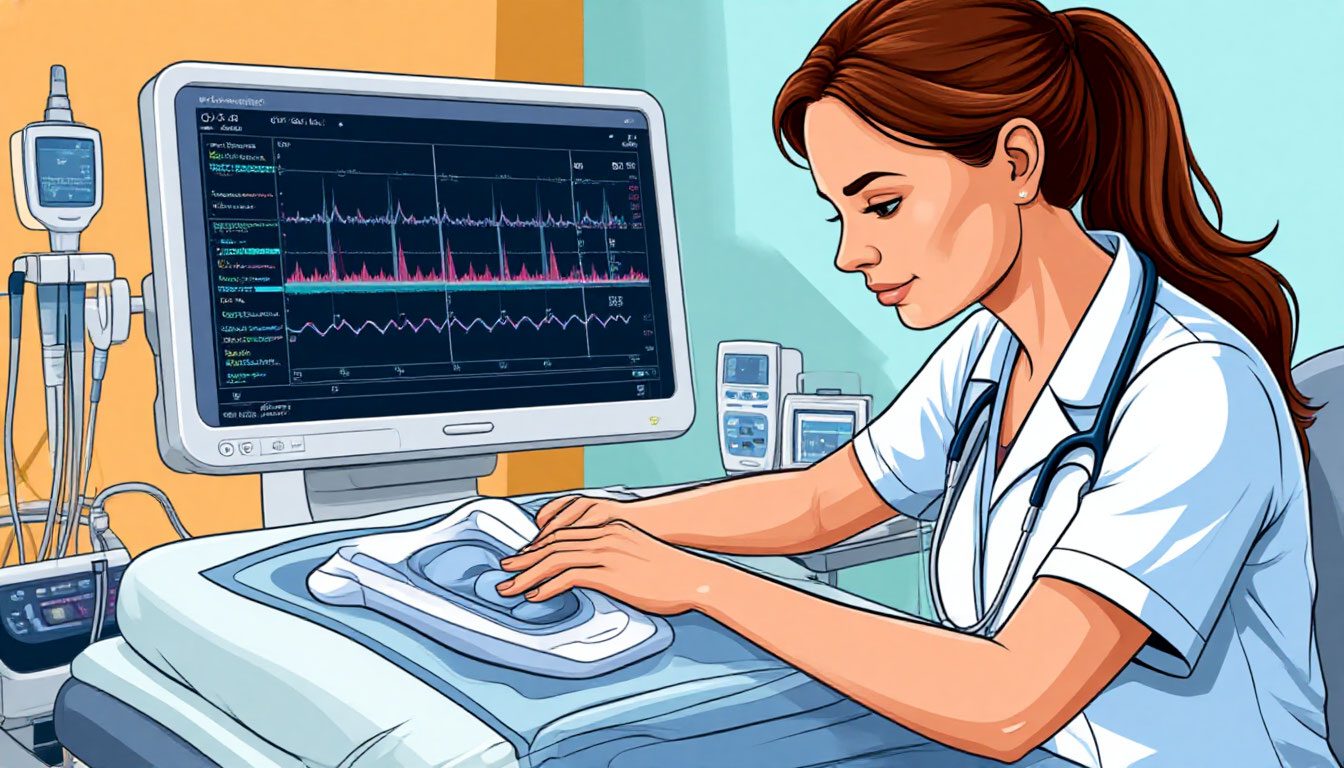
Ultrasound diagnostics, also known as sonography, is a medical imaging technique that uses high-frequency sound waves to create real-time images of the internal structures of the human body. Unlike X-rays or CT scans, ultrasound does not involve ionizing radiation, making it one of the safest and most versatile tools in modern healthcare.

How Neural Networks Help Diagnose Diseases
Medical Innovations Digital Diagnostics

How Neural Networks Help Diagnose Diseases

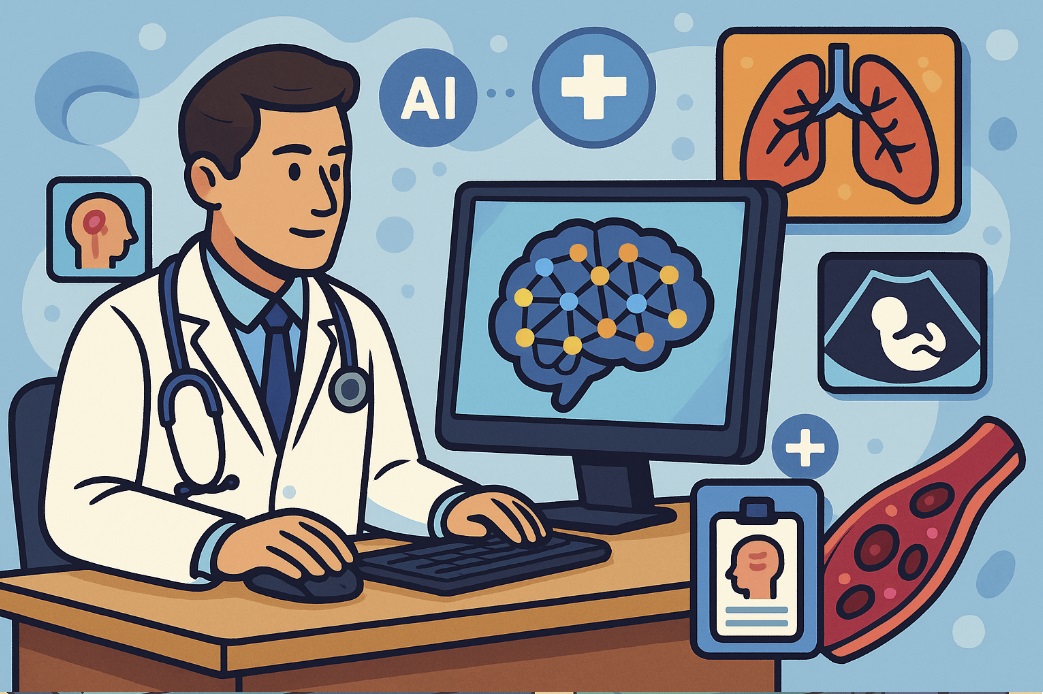
In recent years, neural networks—a type of artificial intelligence modeled after the human brain—have revolutionized the field of medical diagnostics. With the ability to process vast amounts of data, identify patterns, and learn from experience, these systems are becoming vital tools in detecting diseases faster, more accurately, and often earlier than traditional methods allow.