Digital Diagnostics

Medical Innovations of 2026: How Much Longer Could We Live?
Medical Innovations Digital Diagnostics News

Medical Innovations of 2026: How Much Longer Could We Live?

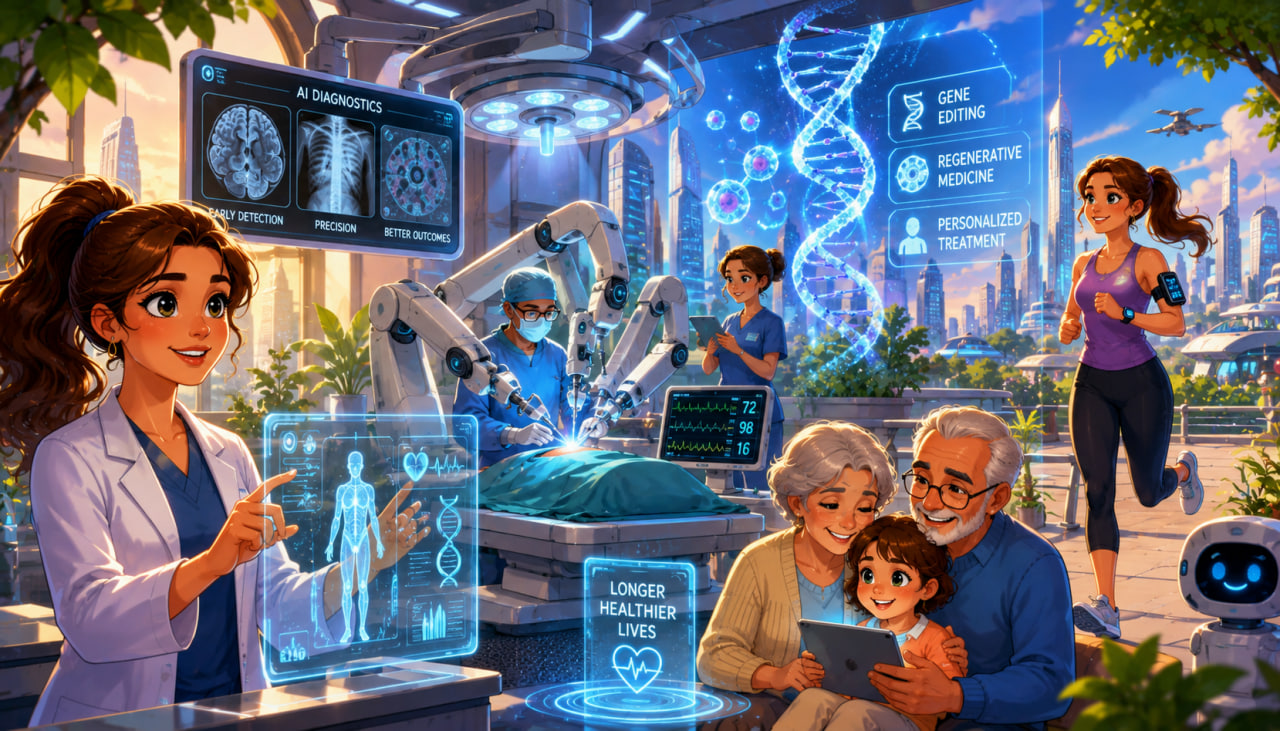
Medicine is advancing faster than ever before. Artificial intelligence is helping doctors diagnose diseases earlier, gene-editing technologies continue to evolve, robotic surgery is becoming increasingly precise, and personalized medicine is transforming how treatments are selected. While no breakthrough can guarantee dramatically longer lifespans overnight, the medical innovations emerging in 2026 are helping people live not only longer but also healthier lives. Experts increasingly emphasize that longevity is about more than adding years to life. The real goal is increasing healthspan—the number of years a person lives free from serious disease and disability. Many of today's innovations focus precisely on preventing illness, detecting problems earlier, and improving treatment outcomes.


Pregnancy Planning: Essential Steps, Medical Checkups, and Tests Before Conception
Bioethics & Science Digital Diagnostics Public Health

Pregnancy Planning: Essential Steps, Medical Checkups, and Tests Before Conception

Planning a pregnancy is one of the most effective ways to improve the health of both the future mother and baby. While many pregnancies begin unexpectedly and result in healthy births, preparing in advance allows couples to identify potential health issues, optimize nutrition, update vaccinations, and reduce avoidable risks before conception occurs. Modern medical organizations recommend that pregnancy planning begin at least three months before trying to conceive. This period gives enough time to improve lifestyle habits, review medications, complete recommended medical examinations, and ensure the body is ready for a healthy pregnancy.

Cancer Prevention: Which Screening Tests Really Matter and What Everyone Can Do
Digital Diagnostics Danger Public Health

Cancer Prevention: Which Screening Tests Really Matter and What Everyone Can Do

Cancer remains one of the leading causes of death worldwide, affecting millions of people each year. While not every cancer can be prevented, modern medical research shows that many cases can either be avoided or detected at an early stage, when treatment is often far more effective. Advances in screening programs, vaccinations, healthy lifestyle choices, and public awareness have significantly improved survival rates for several common cancers. Understanding which preventive measures are supported by strong scientific evidence—and which popular claims are not—can help people make informed decisions about their health. Cancer prevention is not about eliminating all risk but about reducing it as much as possible through evidence-based strategies.

Mirror Therapy: How the Brain Can Be “Tricked” to Heal Pain
Smart & Healthy Medical Innovations Bioethics & Science

Mirror Therapy: How the Brain Can Be “Tricked” to Heal Pain

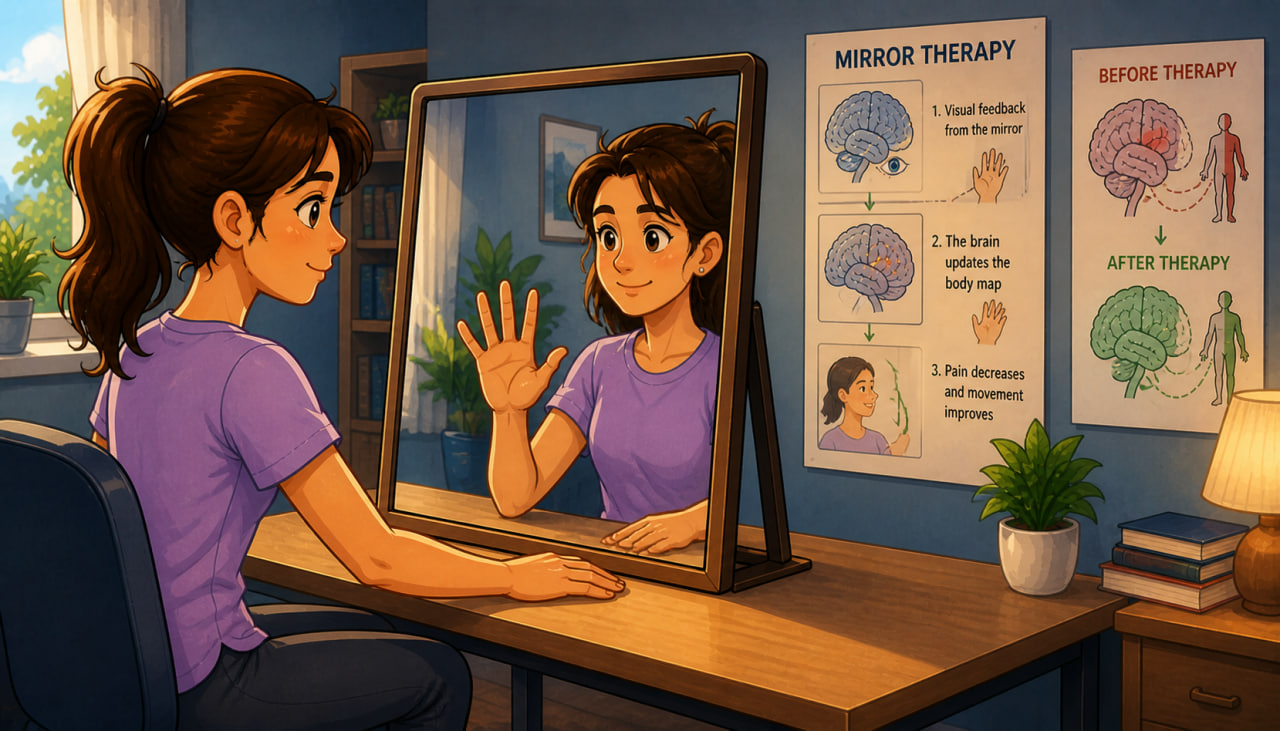
Mirror therapy is one of the most fascinating and innovative approaches in modern neuroscience and rehabilitation. It is a simple yet powerful technique that uses visual illusion to reduce pain and improve motor function. Originally developed to treat phantom limb pain, it has since been applied to a variety of neurological conditions. Understanding mirror therapy reveals how the brain’s perception of the body can be reshaped using visual feedback.

Electroencephalography (EEG): How We Read the Brain’s Electrical Activity
Bioethics & Science Digital Diagnostics Public Health

Electroencephalography (EEG): How We Read the Brain’s Electrical Activity

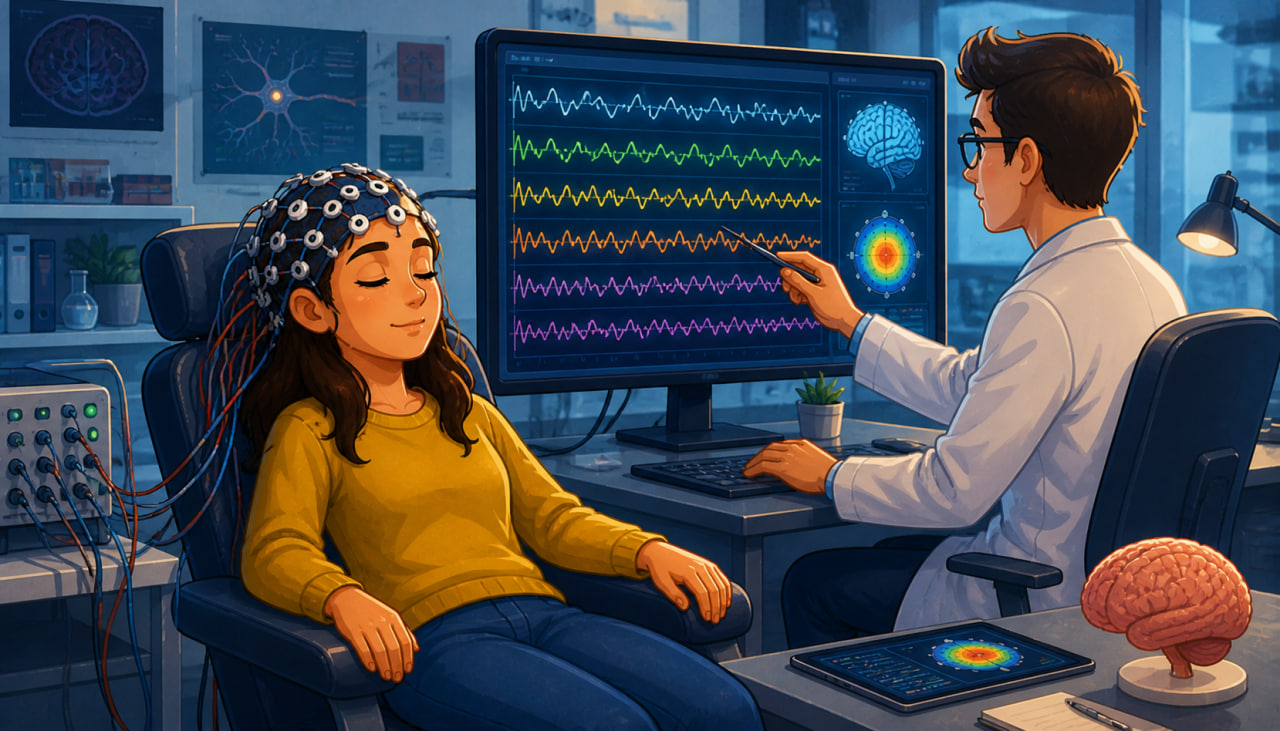
Electroencephalography, commonly known as EEG, is one of the most important tools in neuroscience and medicine. It allows scientists and doctors to observe the brain’s electrical activity in real time. This technology has transformed our understanding of how the brain works and plays a critical role in diagnosing neurological conditions. Understanding EEG reveals how tiny electrical signals inside the brain can be measured and interpreted to uncover complex mental processes.

Safe Cancer Diagnostics: Modern Methods for Early and Accurate Detection
Bioethics & Science Digital Diagnostics Public Health

Safe Cancer Diagnostics: Modern Methods for Early and Accurate Detection

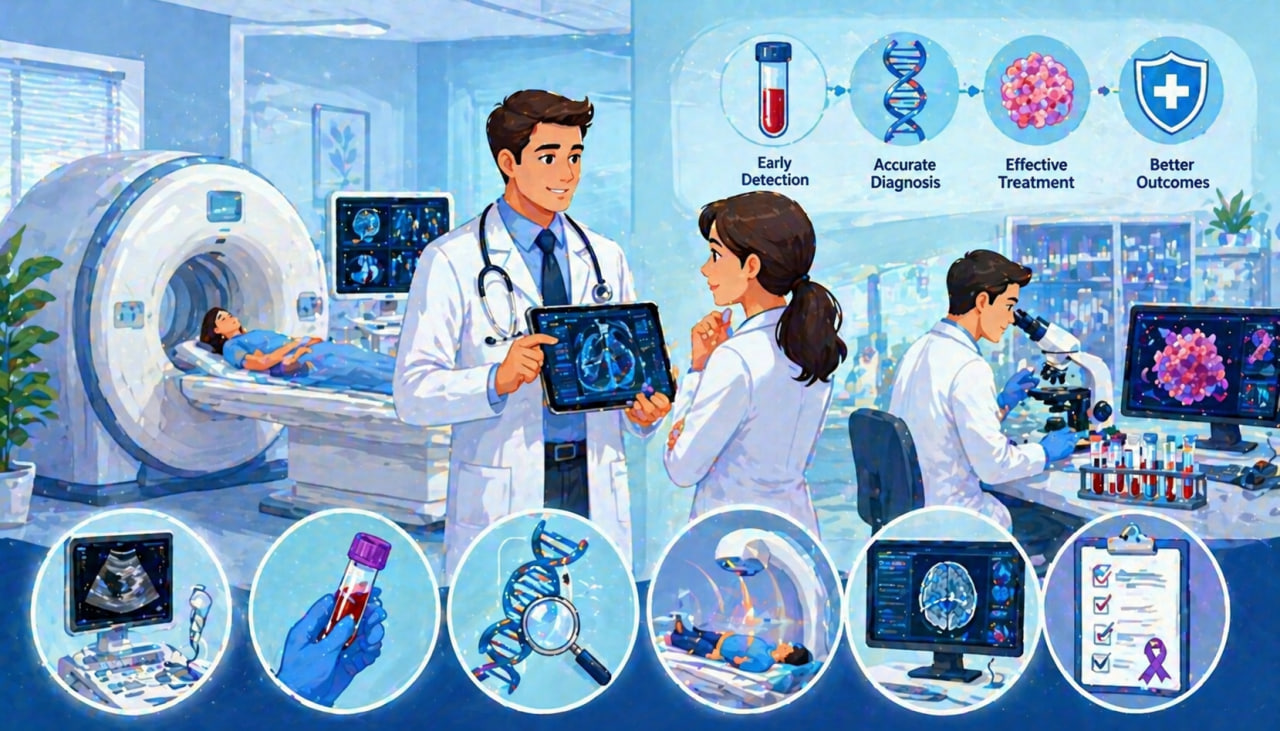
Early detection is one of the most important factors in successfully treating cancer. Advances in medical technology have made it possible to diagnose many types of cancer earlier, more accurately, and with minimal risk to patients. Today, safe cancer diagnostics focus on balancing effectiveness with reduced invasiveness, lower radiation exposure, and improved patient comfort. Understanding how modern diagnostic tools work can help individuals make informed decisions about their health and screening options.

Osteochondrosis: Understanding Spine Degeneration and How to Manage It
Bioethics & Science Digital Diagnostics Human Biology

Osteochondrosis: Understanding Spine Degeneration and How to Manage It

Osteochondrosis is a condition associated with degenerative changes in the spine, particularly affecting the intervertebral discs and surrounding structures. It is commonly linked to aging, but modern lifestyles—especially prolonged sitting and low physical activity—have made it increasingly widespread. Understanding how osteochondrosis develops and how to manage it is essential for maintaining long-term spinal health.