What if?

What Should You Do If You Get Caught in a Thunderstorm in an Open Field?
Smart & Healthy Public Health Safety First

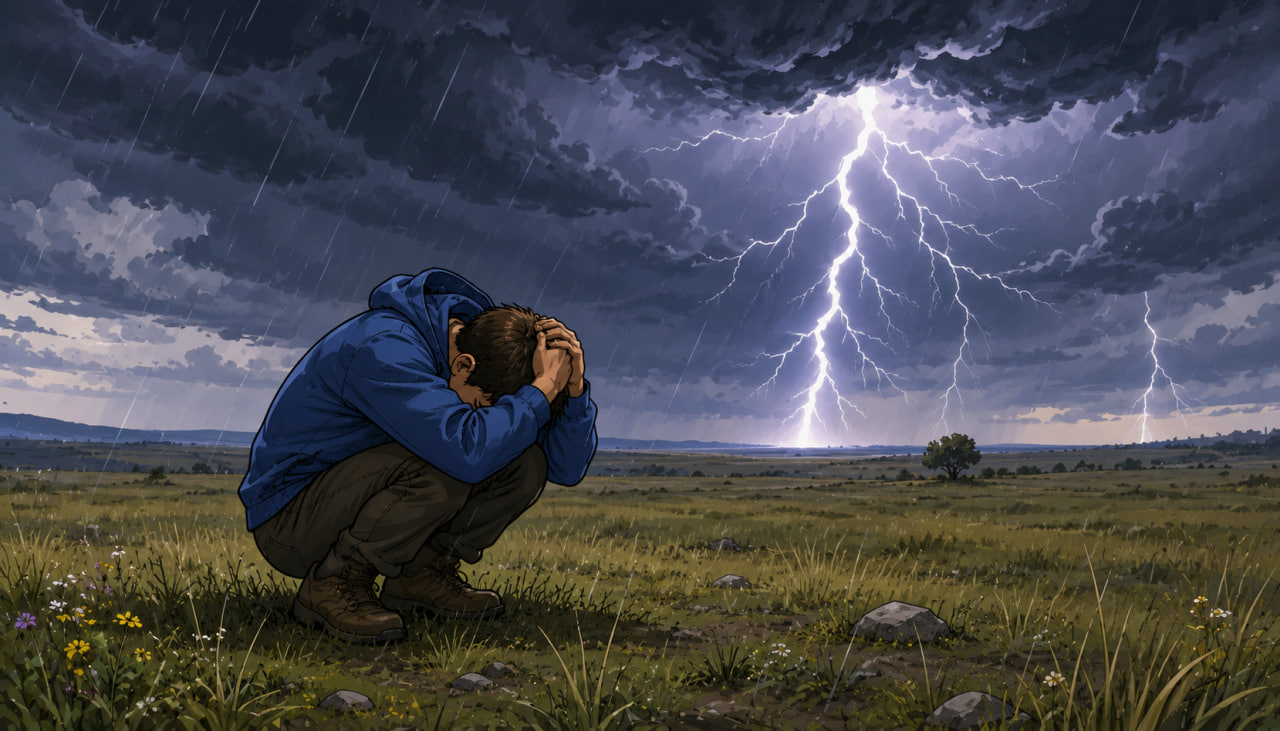
What Should You Do If You Get Caught in a Thunderstorm in an Open Field?

Thunderstorms are among the most dangerous natural weather events people commonly encounter outdoors. Lightning strikes, strong winds, hail, and sudden weather changes can turn an ordinary day into a life-threatening situation within minutes. Every year, thousands of people worldwide are injured or killed by lightning. Open fields are especially dangerous because they provide little protection from electrical discharge. Many accidents occur during: Hiking Farming Camping Sports Fishing Outdoor work Understanding how thunderstorms work and knowing the correct safety actions can dramatically improve survival chances. Modern meteorology and emergency safety research provide clear recommendations for minimizing risk during thunderstorms. The most important rule is simple: If you hear thunder, you are already close enough to be struck by lightning. Learning how to react properly in open terrain may save lives.

The Stroop Effect: Why the Brain Slows Down When Seeing the Color of a Word
Smart & Healthy Bioethics & Science What if?

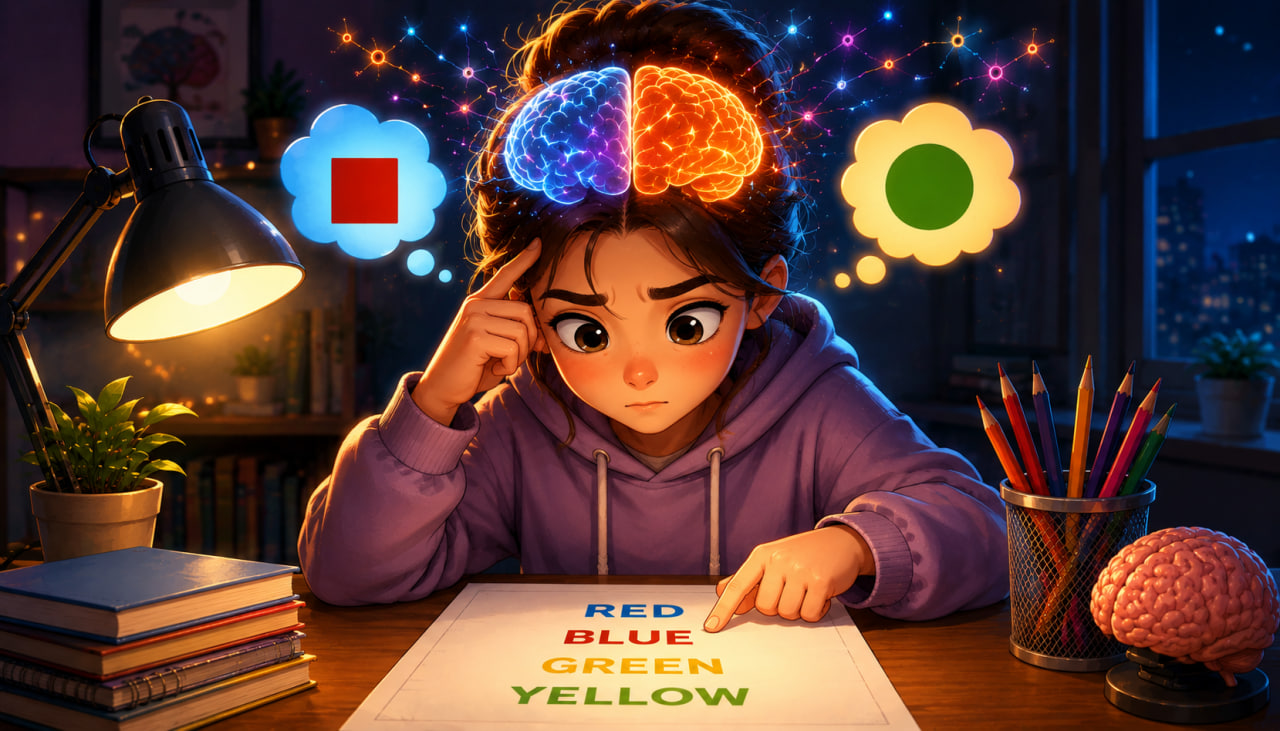
The Stroop Effect: Why the Brain Slows Down When Seeing the Color of a Word

The human brain processes enormous amounts of information every second, often performing complex tasks automatically without conscious effort. One of the most fascinating demonstrations of how attention and cognition work is the Stroop Effect — a psychological phenomenon where the brain experiences interference when trying to identify the color of a word rather than reading the word itself. Although the effect seems simple, it reveals deep insights into attention, automatic thinking, decision-making, and the limits of mental processing. Today, the Stroop Effect is widely used in psychology, neuroscience, and cognitive research to study how the brain handles conflicting information.

Living in the Mountains: Pros and Cons of a High-Altitude Lifestyle
Smart & Healthy Healthy Lifestyle Public Health

Living in the Mountains: Pros and Cons of a High-Altitude Lifestyle

Living in the mountains has long been associated with peace, natural beauty, and a slower pace of life. From the Alps to the Rockies and the Himalayas, mountain regions attract people seeking clean air, scenic landscapes, and a deeper connection with nature. However, life at higher elevations also comes with unique challenges that are often overlooked. This article explores the real advantages and disadvantages of living in the mountains, helping you understand whether this lifestyle is right for you.

What Happens If You Eat Nuts Every Day? Science Behind Daily Nut Consumption
Fuel Your Body Smart & Healthy Healthy Lifestyle

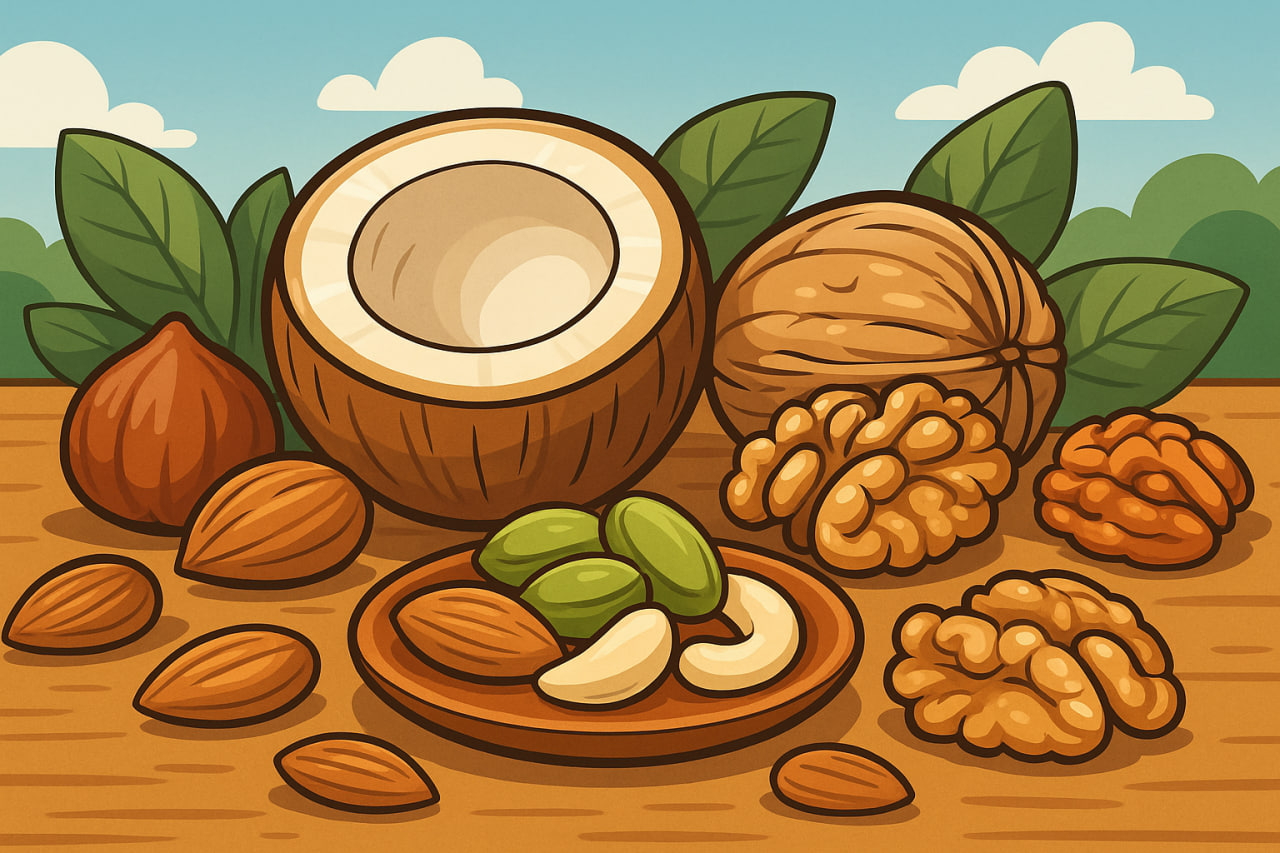
What Happens If You Eat Nuts Every Day? Science Behind Daily Nut Consumption

Eating nuts every day is a simple dietary habit with surprisingly powerful effects on human health. Nuts have been part of human nutrition for thousands of years, valued for their rich flavor, long shelf life, and high nutrient density. Modern science confirms that nuts are more than just a convenient snack — they contain essential fatty acids, plant proteins, fiber, vitamins, minerals, and antioxidants that support metabolic, cardiovascular, and cognitive functions. While nuts are calorie-dense, they also provide sustained energy and nutrients that are difficult to obtain from other foods. Understanding how daily nut consumption affects the body helps explain why nutritionists and researchers often recommend including them in balanced diets.

What If Everyone Stopped Getting Sick Tomorrow?
Smart & Healthy Healthy Lifestyle Public Health

What If Everyone Stopped Getting Sick Tomorrow?

Imagine a world where diseases disappear overnight. No colds, no chronic illnesses, no infections — humanity suddenly becomes perfectly healthy. While this sounds like a dream, such a scenario would create profound changes in society, healthcare, economics, and human behavior. Perfect health would reshape daily life, extend longevity, and likely transform the future of civilization in unexpected ways.