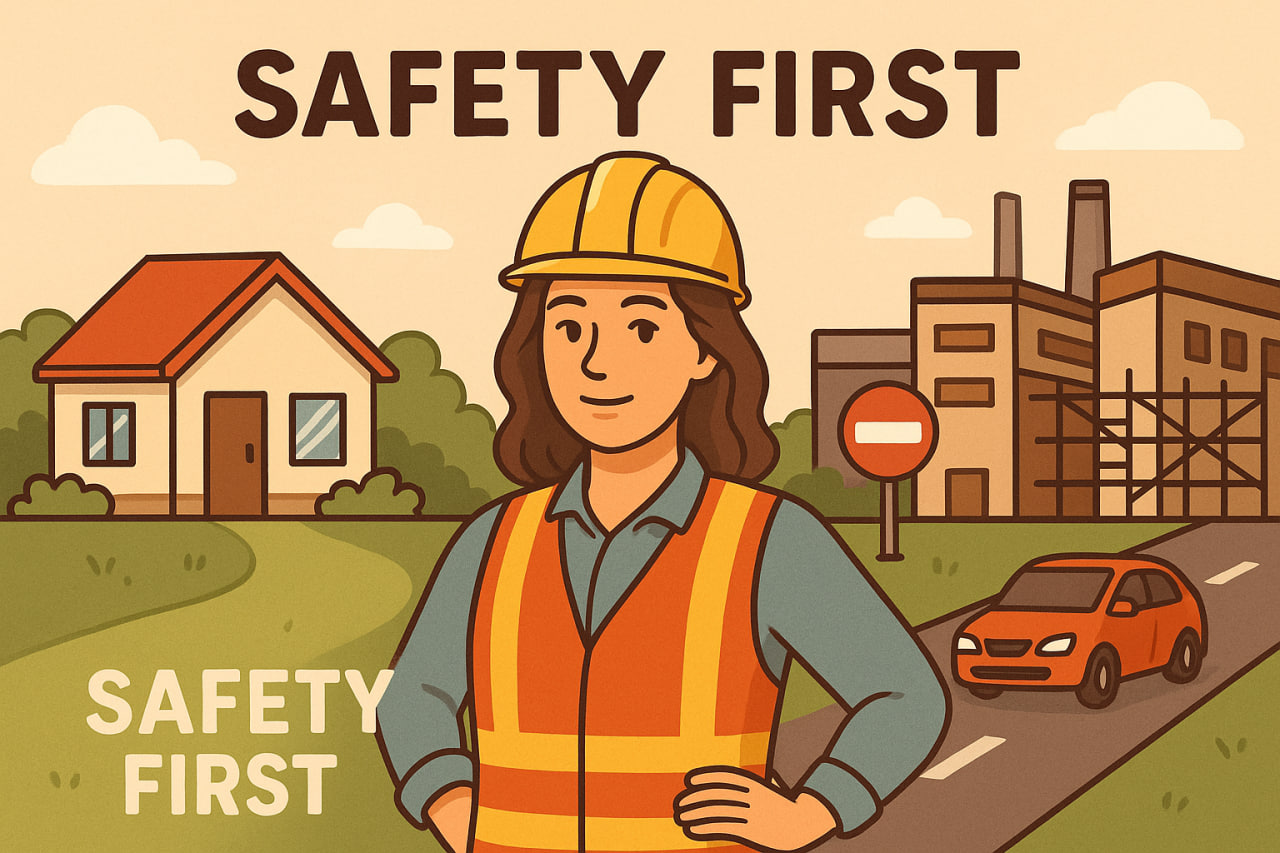
Safety First

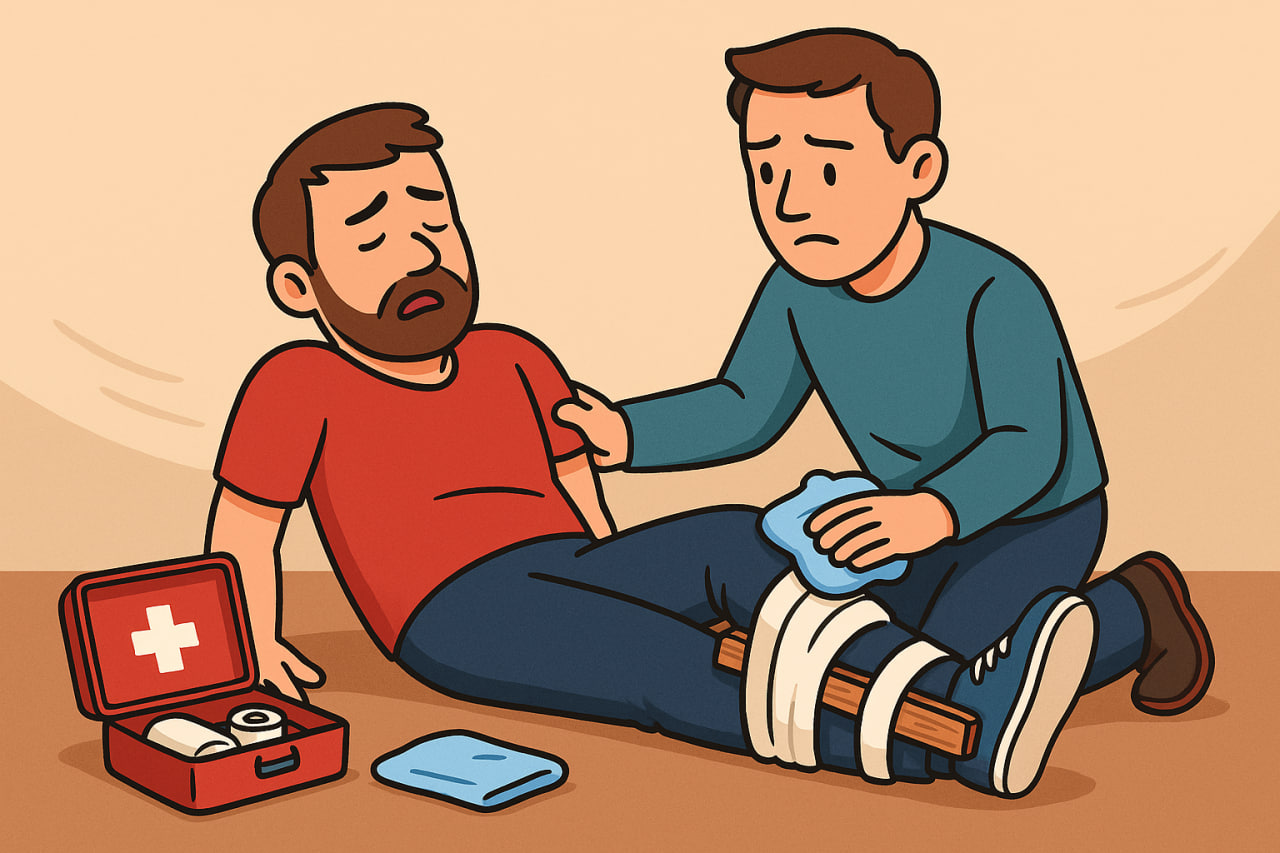
How to Recognize a Fracture and Provide Safe First Aid
Smart & Healthy Public Health First aid

How to Recognize a Fracture and Provide Safe First Aid

A fracture is a break or crack in a bone that occurs when external force exceeds the bone’s natural strength. Fractures can happen during falls, accidents, sports, or sudden impacts. Although fractures vary in severity, they always require medical evaluation to prevent complications and ensure proper healing. Recognizing the signs early and providing safe, basic first aid can reduce pain, prevent further injury, and support stabilization before professional help arrives. Understanding these steps is important, but it does not replace trained medical care. Only healthcare professionals can diagnose the type of fracture and determine the correct treatment.
How to Protect Our Vision
Smart & Healthy Public Health Safety First

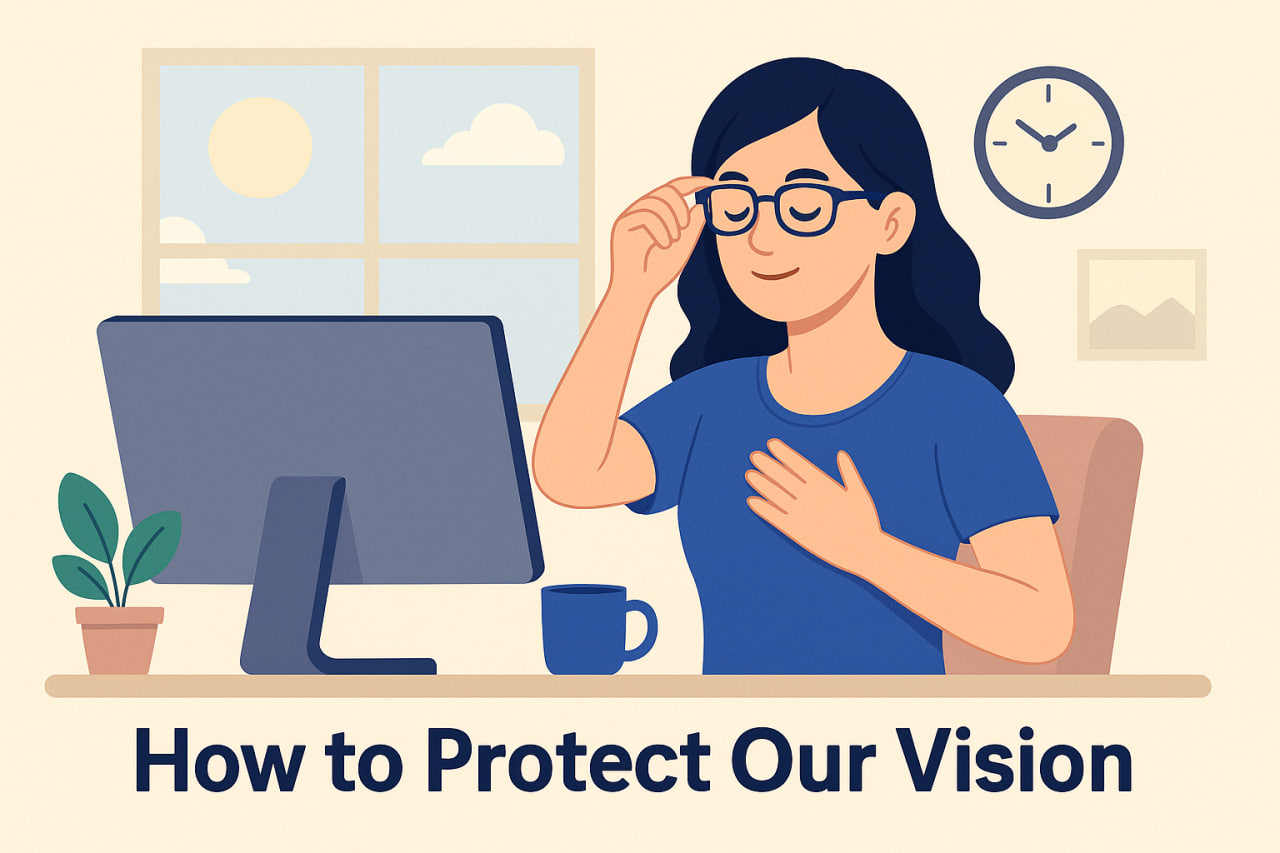
How to Protect Our Vision

Good vision is one of the most valuable senses we possess, yet it is often taken for granted until problems begin to appear. Modern lifestyles—filled with digital screens, artificial lighting, and long work hours—place constant stress on our eyes, making preventive care more important than ever. Protecting vision is not only about avoiding discomfort but also about reducing long-term risks associated with aging, environmental exposure, and unhealthy habits. Although many people turn to glasses or contact lenses to correct existing issues, simple daily practices can significantly reduce strain and support lifelong eye health. Understanding how the eyes function, what harms them, and which behaviors help preserve them allows each person to take an active role in maintaining healthy vision. While no single method guarantees perfect eyesight, consistent attention to eye care greatly improves the chances of preserving clear and comfortable vision for many years.

How to Protect Our Hearing
Biohacking Healthy Lifestyle Public Health

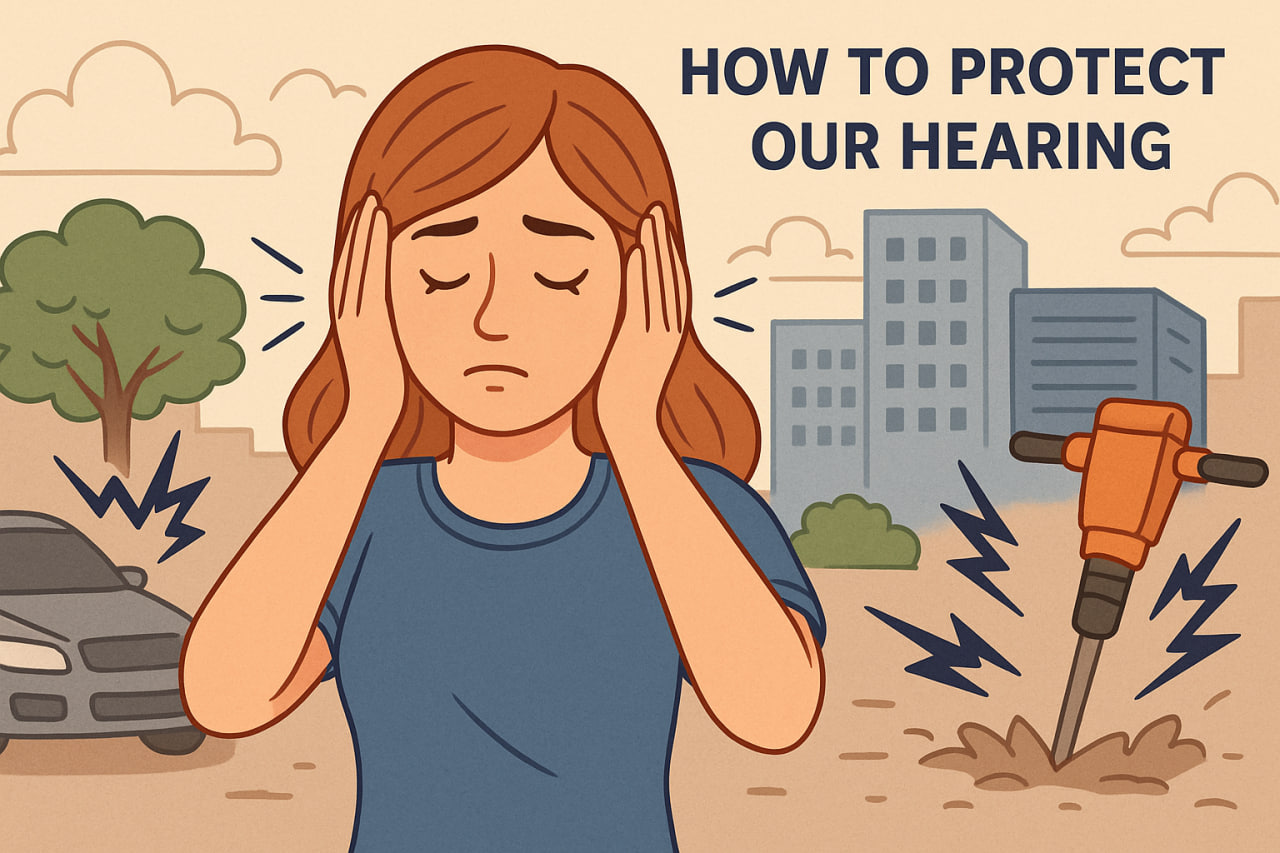
How to Protect Our Hearing

Hearing is one of the most delicate and essential senses, allowing us to communicate, enjoy music, stay aware of our surroundings, and experience the world fully. Yet hearing loss often develops gradually and painlessly, making it easy to overlook early signs of damage. Modern life exposes our ears to constant stress — loud music, traffic, machinery, headphones, and busy work environments — all of which contribute to long-term risks. Protecting hearing does not require drastic changes but must be built on awareness, consistent habits, and respect for the limits of the auditory system. Since hearing damage is typically irreversible, preventive care is far more effective than treatment. Understanding how sound affects the inner ear, what levels are considered dangerous, and how lifestyle choices influence long-term hearing health empowers individuals to take control of their auditory well-being. With thoughtful habits and attention, people can preserve clear, comfortable hearing throughout their lives.

Safety First: The Foundations of Protection in Everyday Life
Smart & Healthy Public Health Safety First

Safety First: The Foundations of Protection in Everyday Life

Safety is a universal priority that affects every aspect of daily living, from the workplace to our homes, travel routines, and digital environments. Although modern society offers countless tools and technologies that make life easier, it also presents new risks that require awareness and responsibility. The principle of “Safety First” emphasizes prevention, preparedness, and mindfulness — values that help individuals avoid injuries, reduce hazards, and make informed decisions in complex environments. By understanding how accidents occur and adopting safe habits, people can significantly lower risks and create secure surroundings for themselves and others. Safety is not a single action but a continuous mindset, one that grows stronger through education, observation, and consistent practice.

How Much Weight Can a Person Carry Without Harming Their Health?
Smart & Healthy Healthy Lifestyle Human Biology

How Much Weight Can a Person Carry Without Harming Their Health?

Carrying weight is a normal part of daily life, whether through lifting shopping bags, moving boxes, or wearing backpacks. However, the human body has clear physical limits, and exceeding them can lead to long-term musculoskeletal injuries. Understanding how much weight a person can safely carry helps prevent strain on the spine, joints, and cardiovascular system. Safe lifting capacity depends on several factors, including age, fitness level, posture, gender, and frequency of carrying heavy loads. While the body is capable of impressive strength, it is also vulnerable when overloaded or handled incorrectly. Learning how to assess safe weight and use proper techniques ensures long-term health and reduces the risk of injury.

Heat Safety: Essential Measures During Extreme High Temperatures
Smart & Healthy Healthy Lifestyle Public Health

Heat Safety: Essential Measures During Extreme High Temperatures

Extreme heat poses serious risks to human health, infrastructure, and daily life, especially as global temperatures rise and heatwaves become more frequent. High temperatures place significant strain on the body, reducing the ability to regulate internal heat and increasing the likelihood of dehydration and heat-related illnesses. Vulnerable groups such as children, older adults, and outdoor workers face especially high risks during prolonged heat exposure. Urban areas with large amounts of concrete and limited vegetation often experience the “heat island effect,” where temperatures become even more intense. Scientific research demonstrates that understanding environmental conditions and adopting preventive behaviors significantly reduces health dangers. Recognizing early signs of heat stress helps individuals stay safe and make more informed decisions in extreme weather.

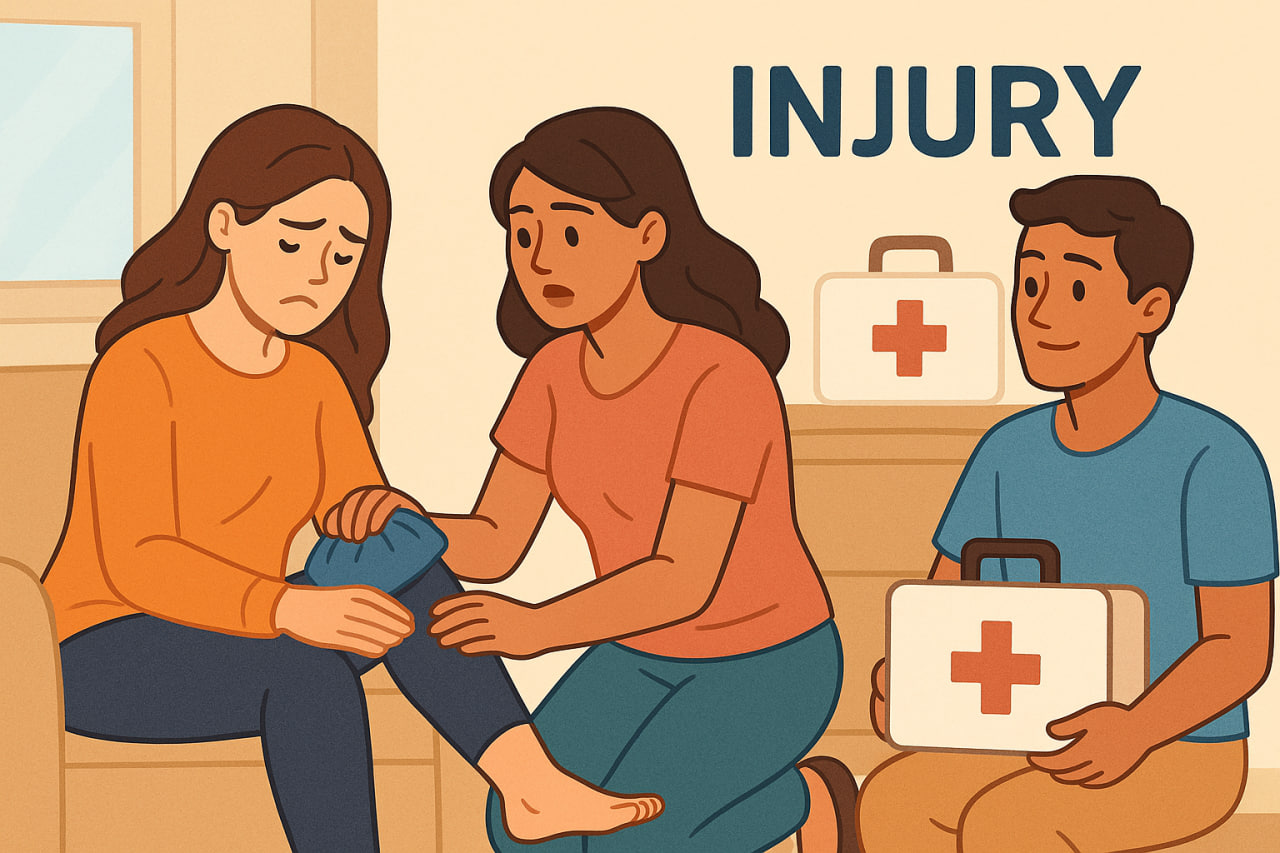
What to Do When You Get an Injury
Smart & Healthy Public Health First aid

What to Do When You Get an Injury

An injury can happen suddenly, whether during exercise, daily activities, or an unexpected event. Knowing how to respond correctly in the first minutes is important for reducing pain, preventing further damage, and supporting proper healing. Immediate reactions can influence recovery time and overall health outcomes. While some injuries are mild and can be treated at home, others require medical attention. Recognizing the difference and responding calmly helps protect both physical well-being and emotional stability. It’s also important to avoid self-medicating with medical drugs without consulting a qualified health professional.

Safety First: The Foundation of Modern Living
Smart & Healthy Safety First

Safety First: The Foundation of Modern Living

Safety is not merely a rule—it is a mindset that shapes how societies function, how industries operate, and how individuals protect their well-being. From workplace regulations to personal habits, the principle of “Safety First” serves as a universal reminder that prevention is always better than reaction. In a world driven by speed and technology, taking precautions is often seen as an inconvenience, yet the consequences of neglect can be life-changing. Whether at home, on the road, or in professional environments, safety awareness remains one of the most essential components of a stable and responsible society.