
How to Identify Stress Levels and Reduce Them
Stress is a natural reaction of the body to challenges or threats, but when it becomes chronic, it negatively impacts physical and mental health.
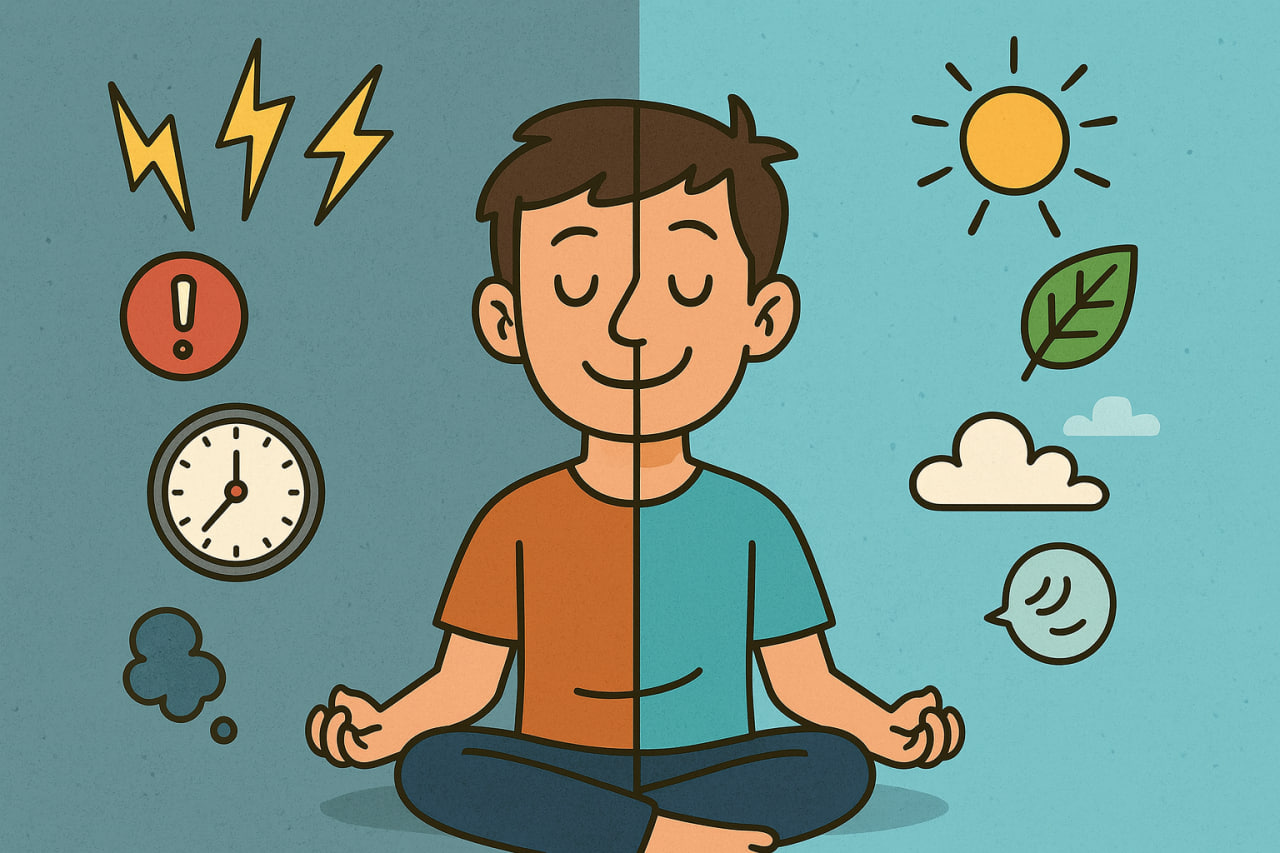
Stress is a natural reaction of the body to challenges or threats, but when it becomes chronic, it negatively impacts physical and mental health.
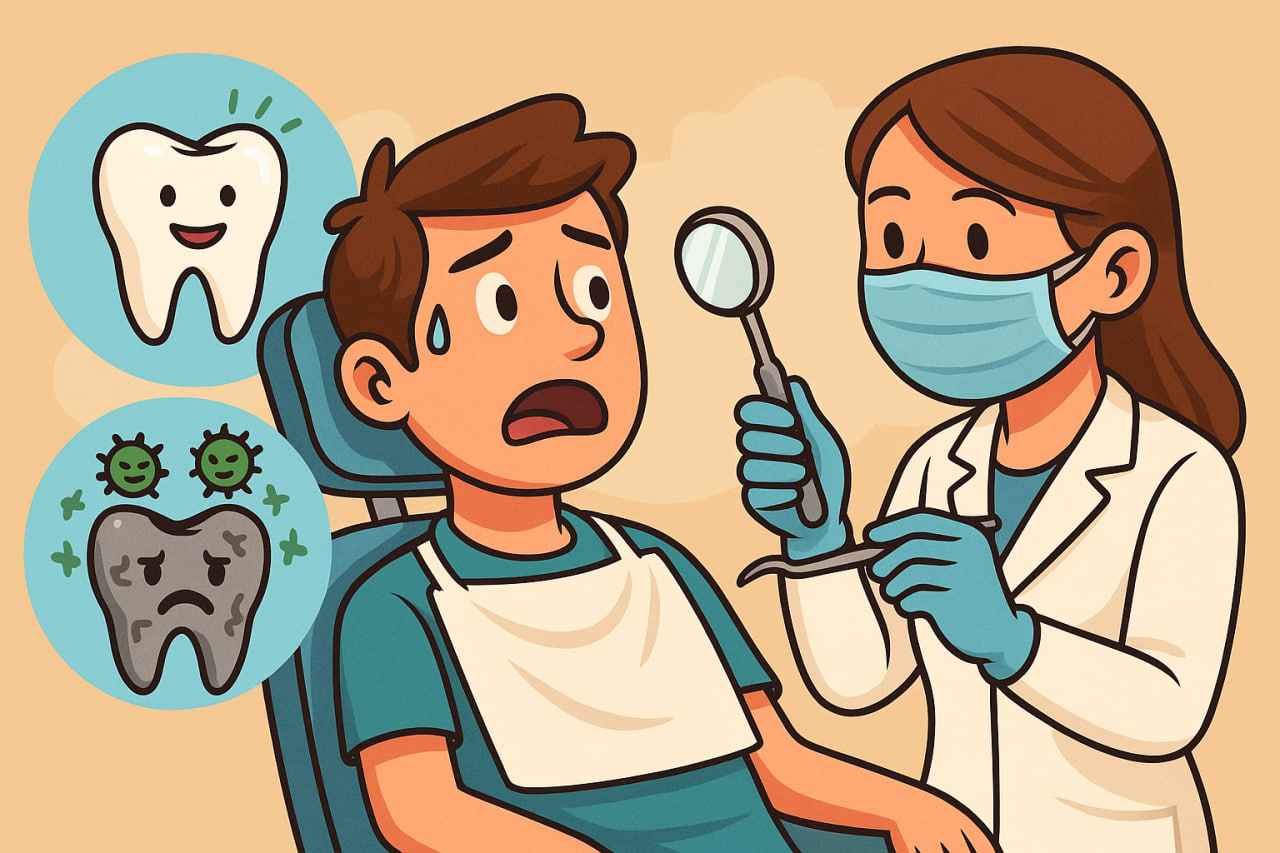
Dental health is closely linked not only to a beautiful smile but also to overall well-being.
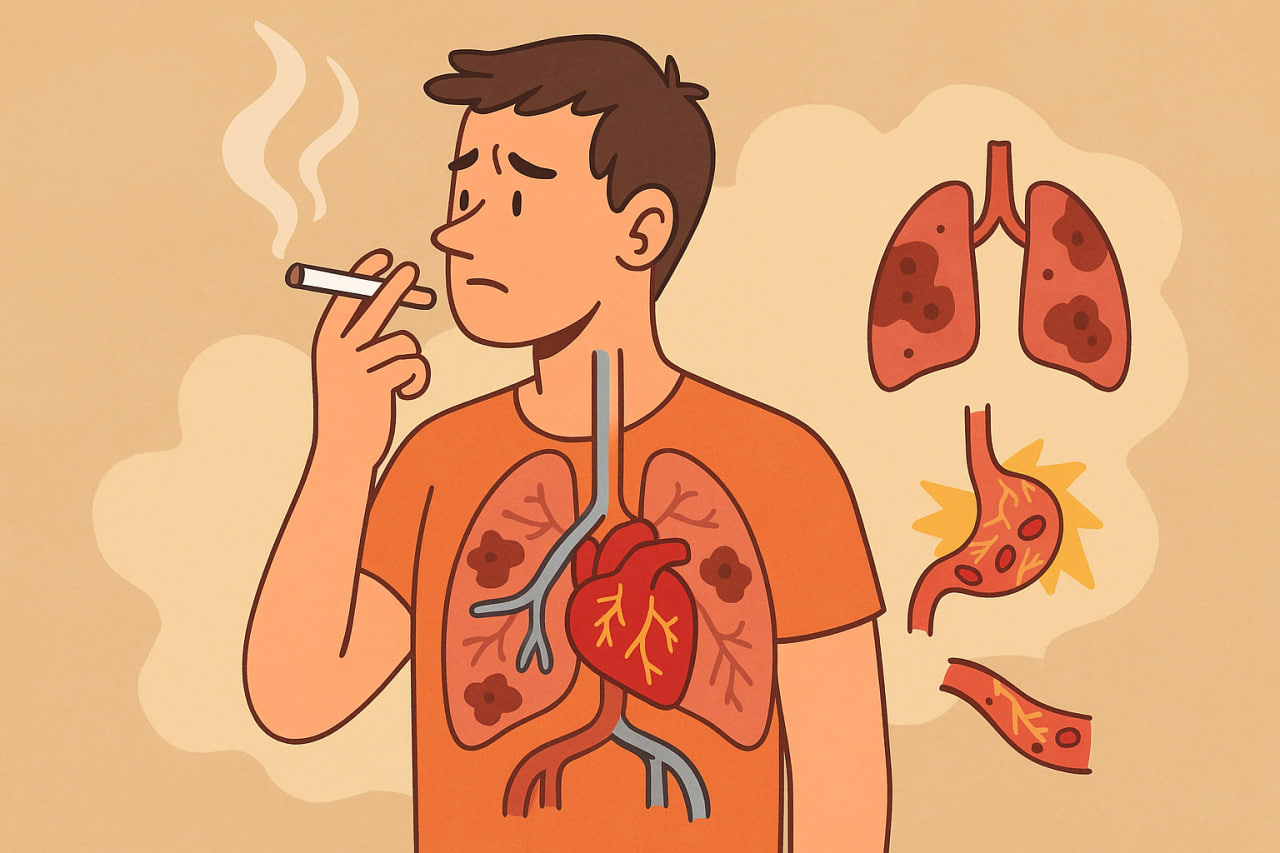
Smoking is one of the most harmful habits for human health, affecting almost every organ in the body.
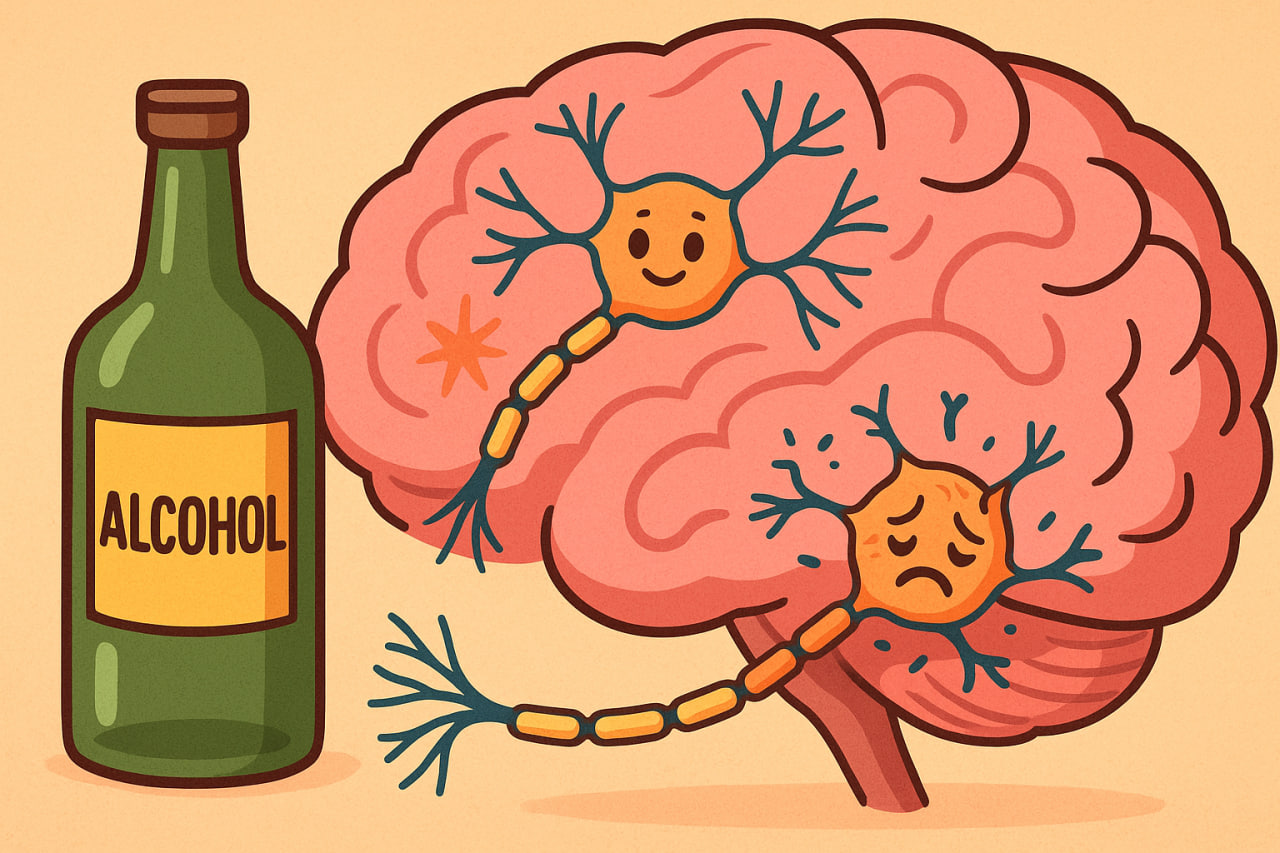
Alcohol is one of the most widely consumed psychoactive substances, but its effects on the brain are among the most harmful.
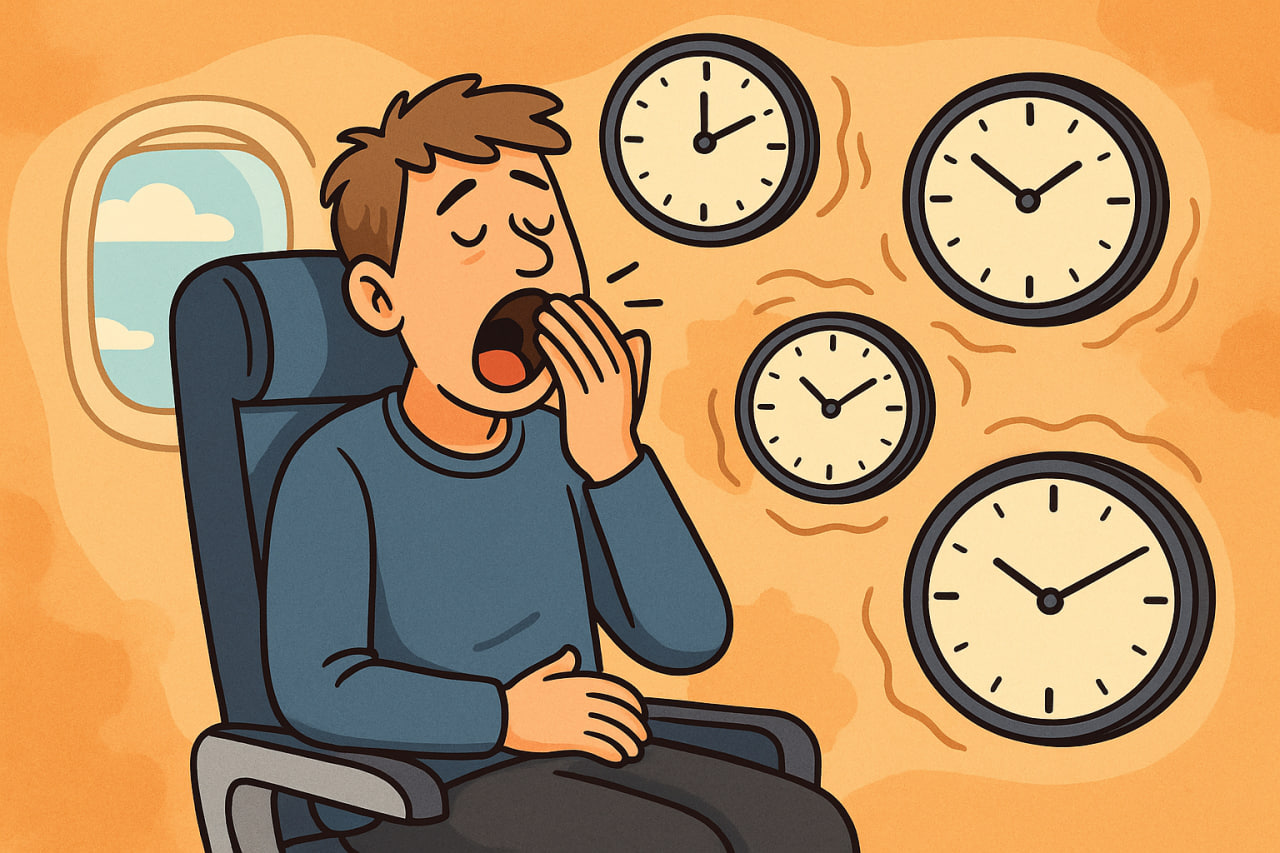
Traveling across time zones can be exciting, but it also disrupts the body’s natural rhythms.
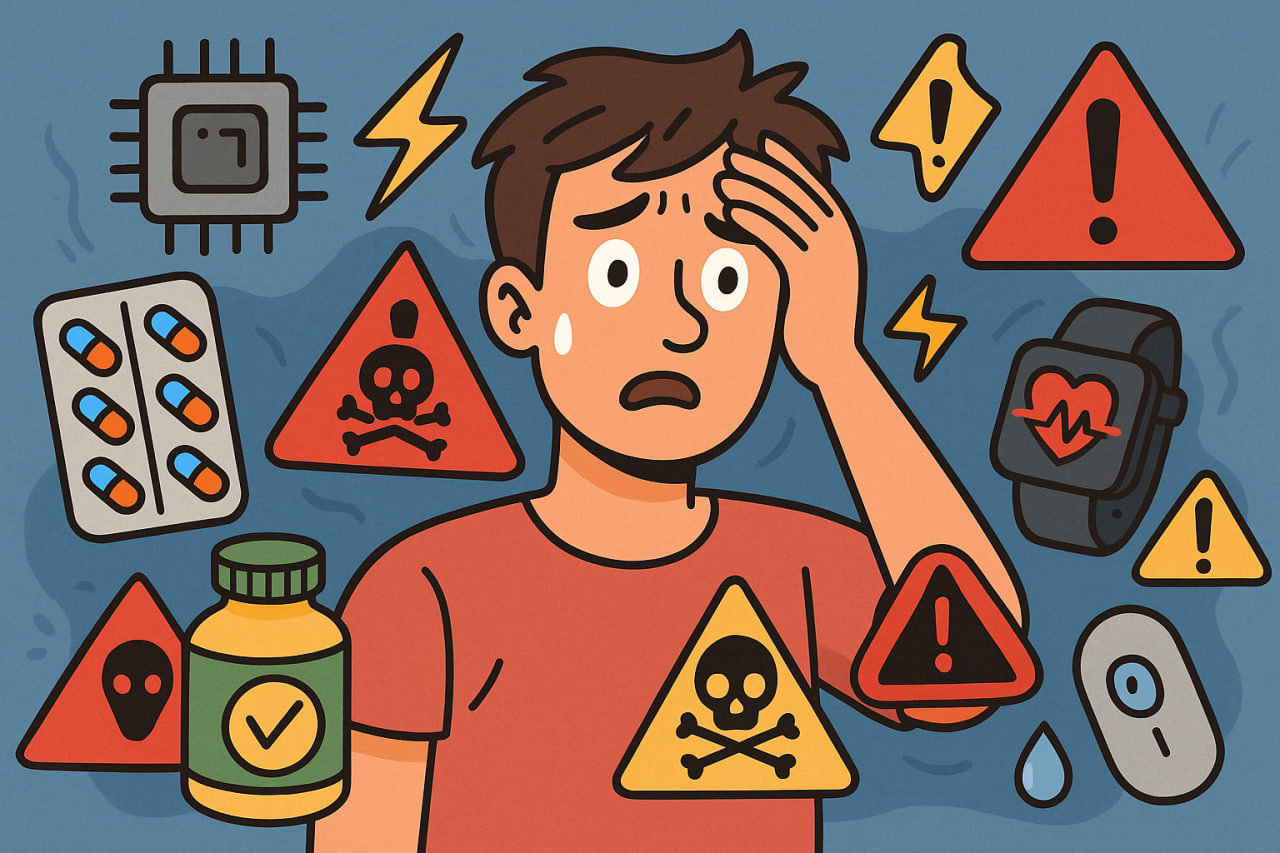
Biohacking is a modern trend that involves using various methods, from nutrition and supplements to technology and genetic experiments, to improve the body’s performance, health, or even...
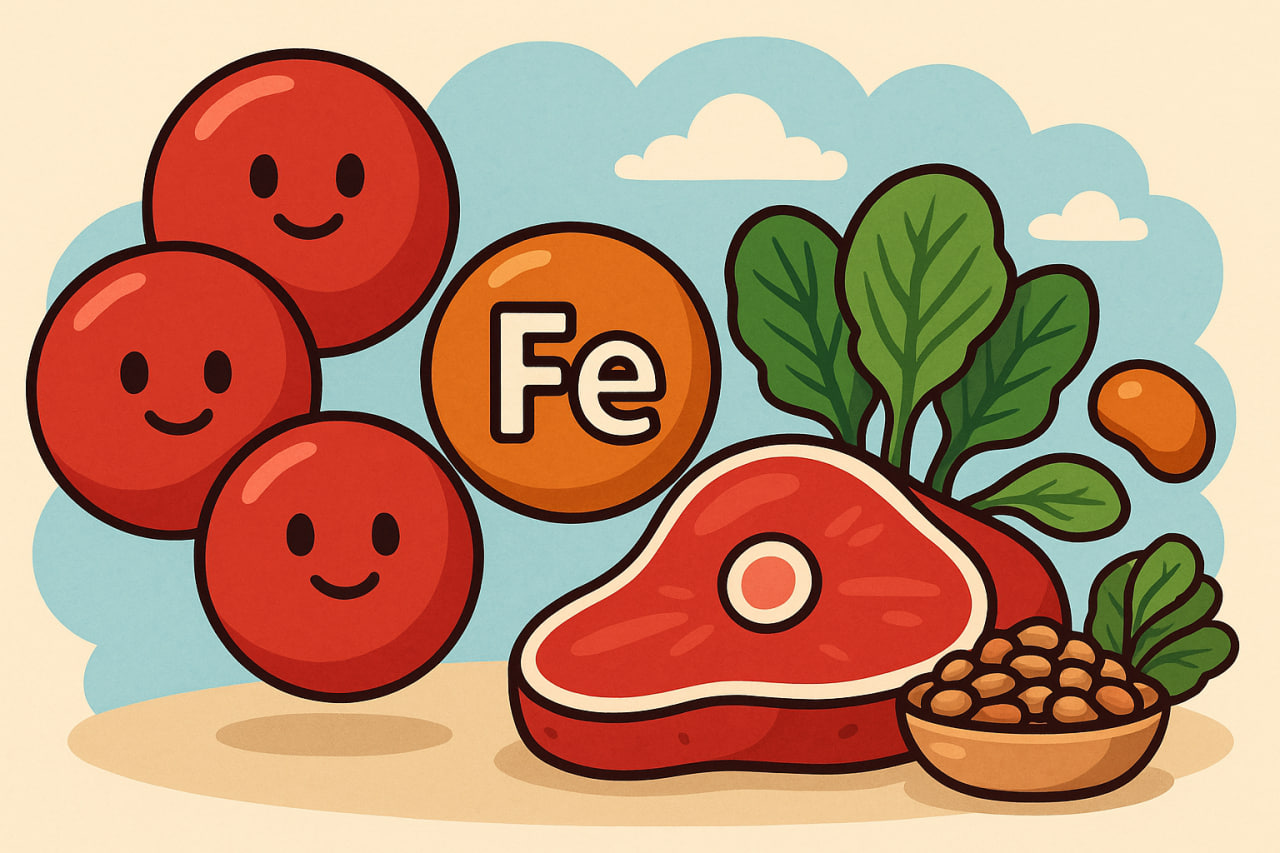
Iron is a vital mineral that plays a central role in keeping the body healthy and functioning properly.
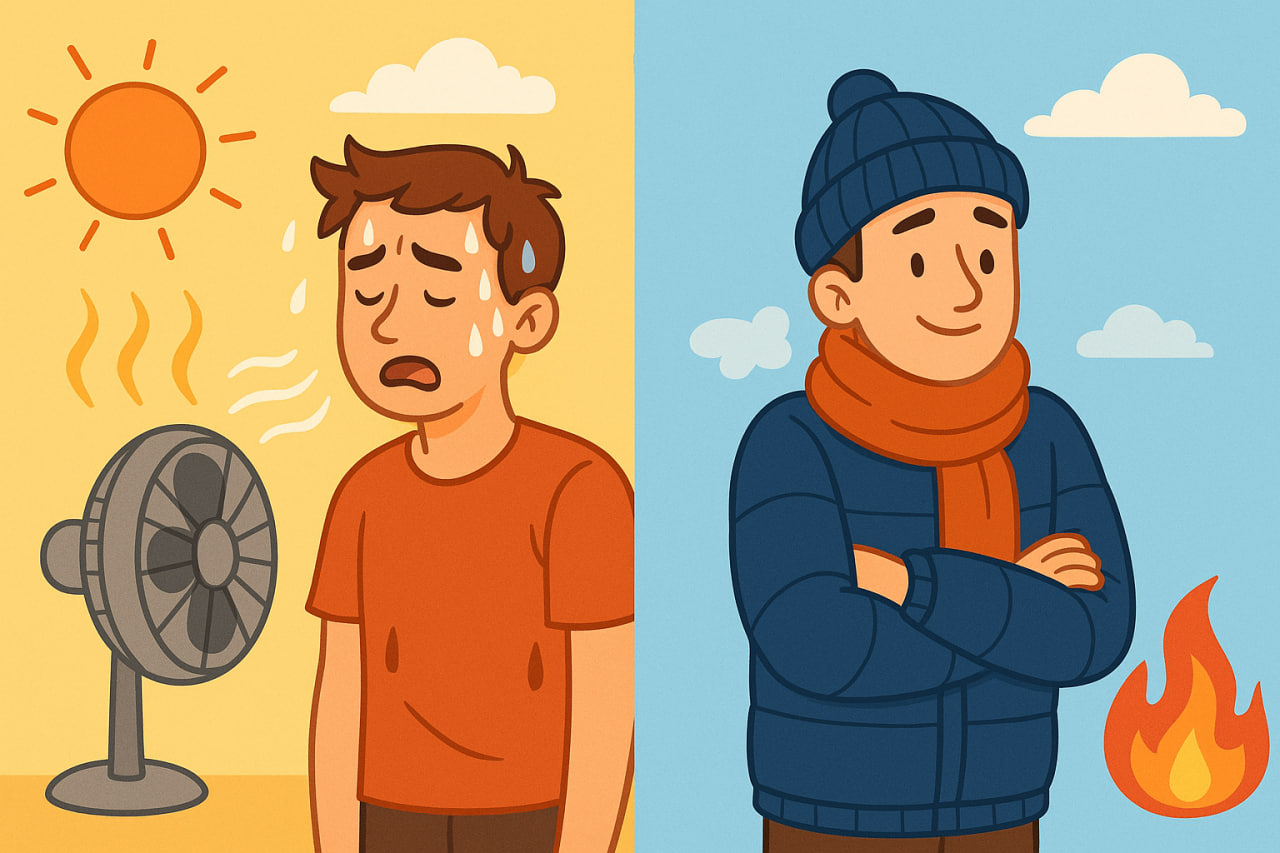
Thermoregulation is the body’s ability to maintain a stable internal temperature despite changes in the environment. For humans, the ideal internal temperature is about 36.5–37°C (97.7–98.6°F).
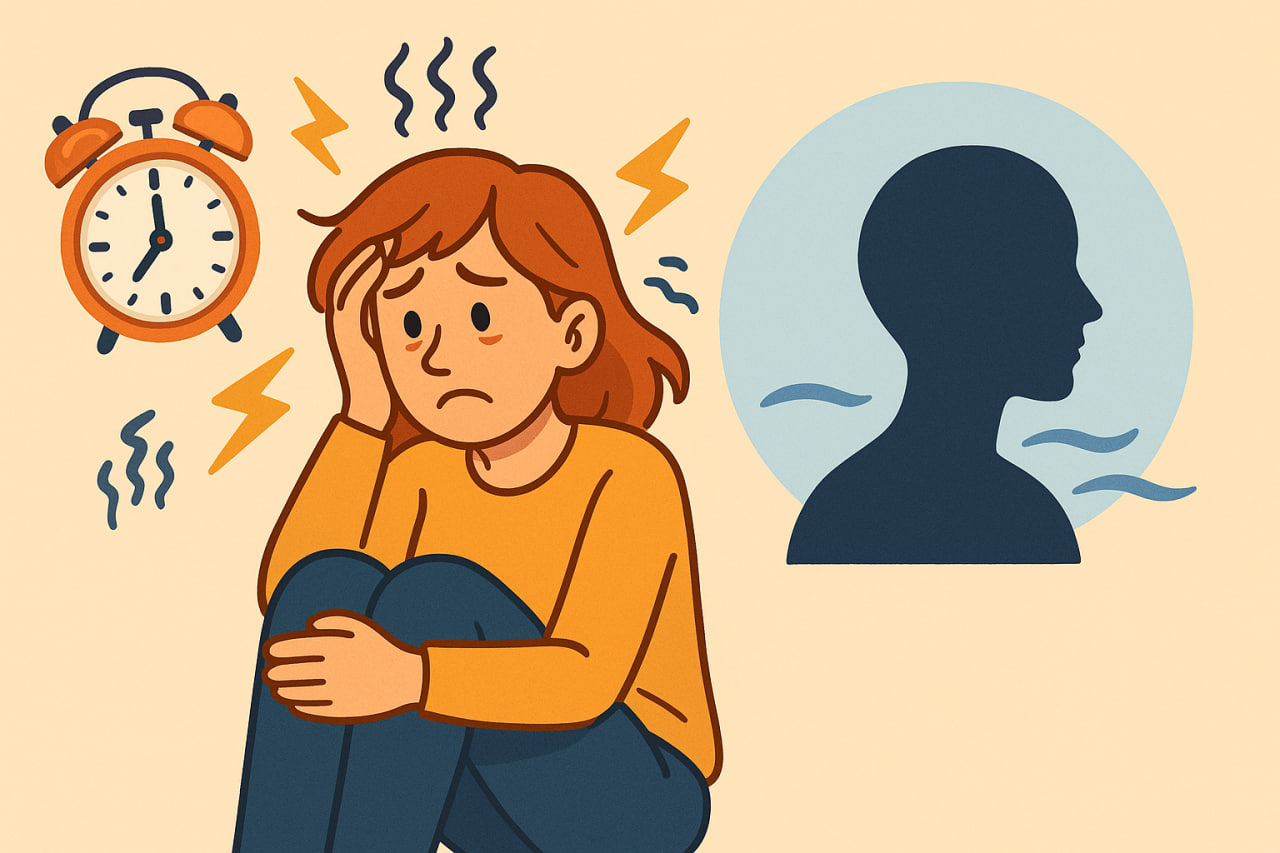
Anxiety is a natural reaction to stress, but when it becomes constant, overwhelming, or disproportionate to the situation, it may signal an anxiety disorder.
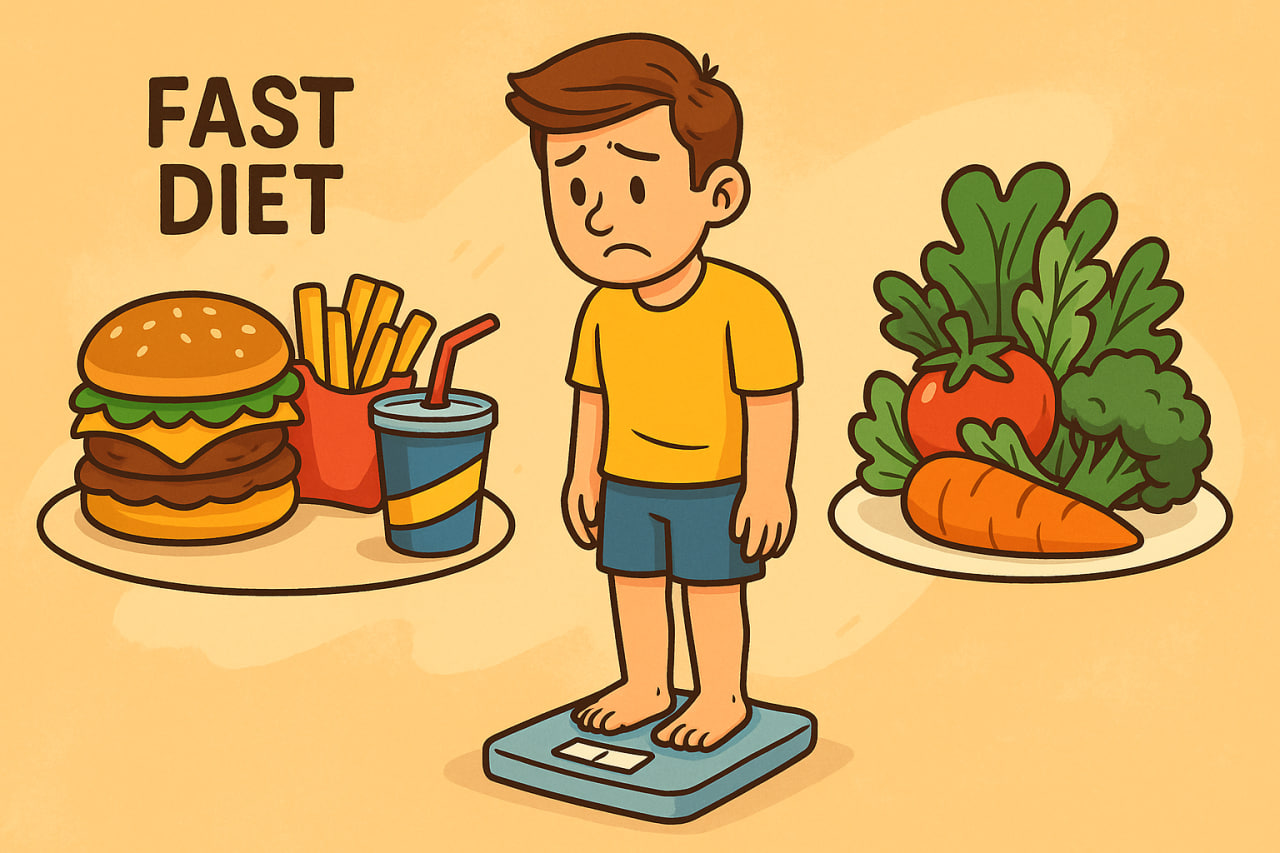
Crash diets, often called “fast diets,” promise quick weight loss in a very short time.