
How the Body Reacts to Cold
When exposed to cold temperatures, the human body activates several defense mechanisms to maintain its core temperature around 36.5–37.5°C.
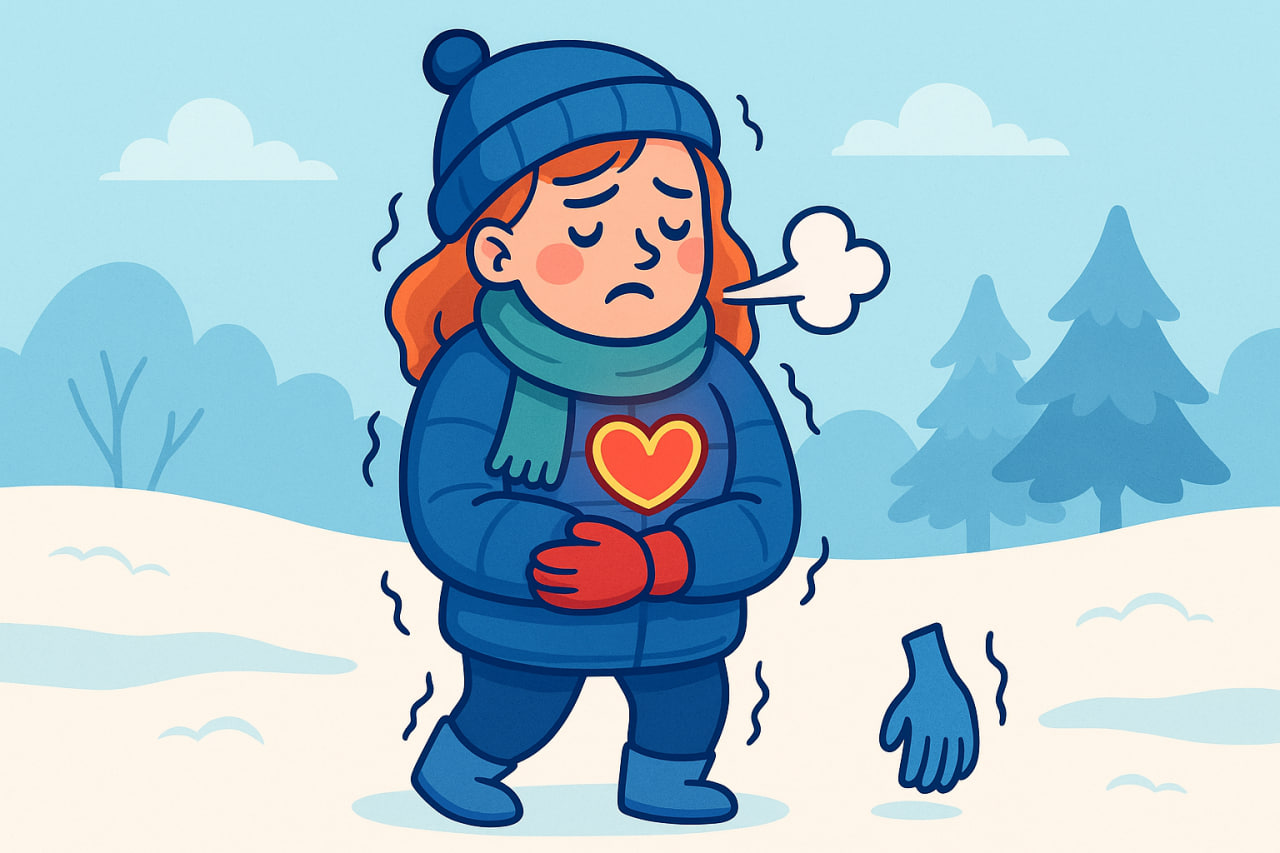
When exposed to cold temperatures, the human body activates several defense mechanisms to maintain its core temperature around 36.5–37.5°C.
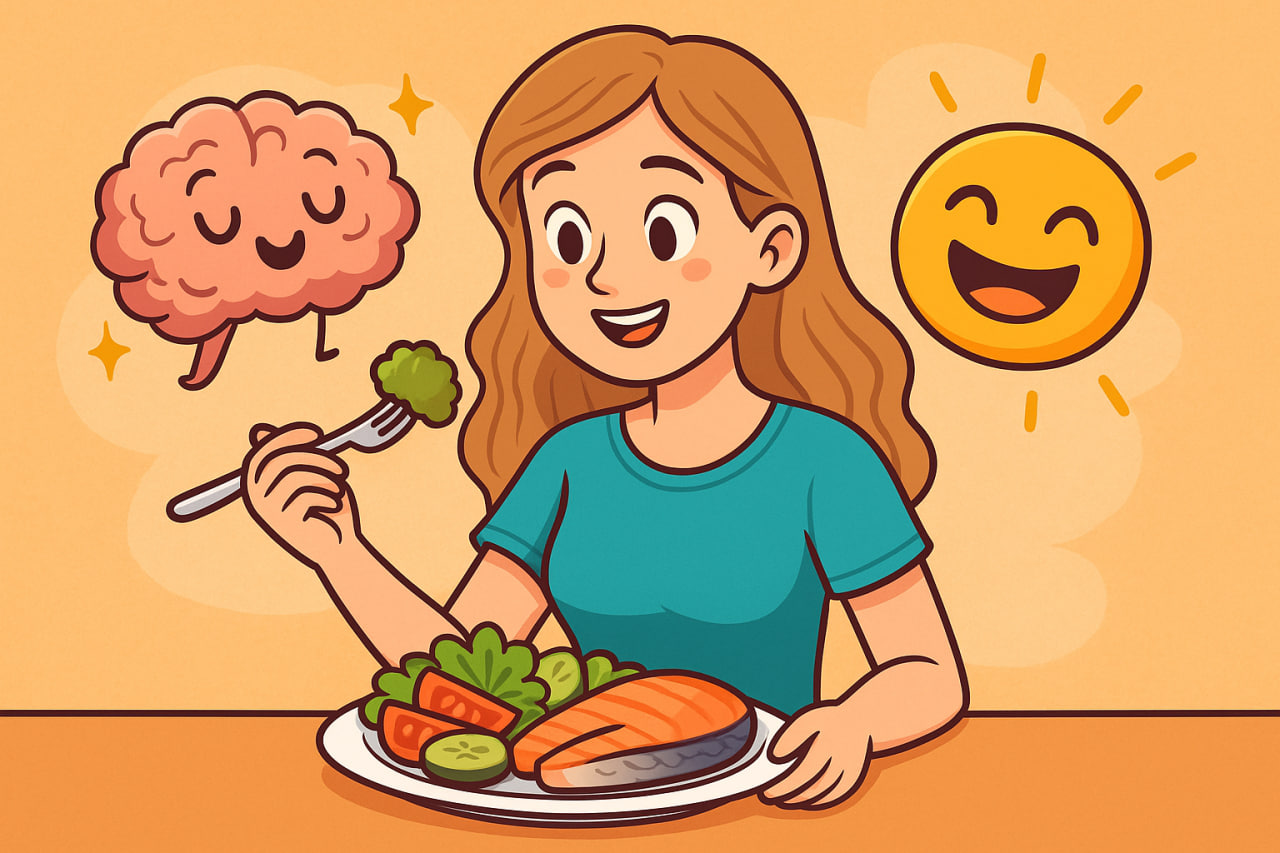
The food we eat influences not only physical health but also emotional well-being. Scientists have discovered strong links between diet and mood through the way nutrients affect brain...
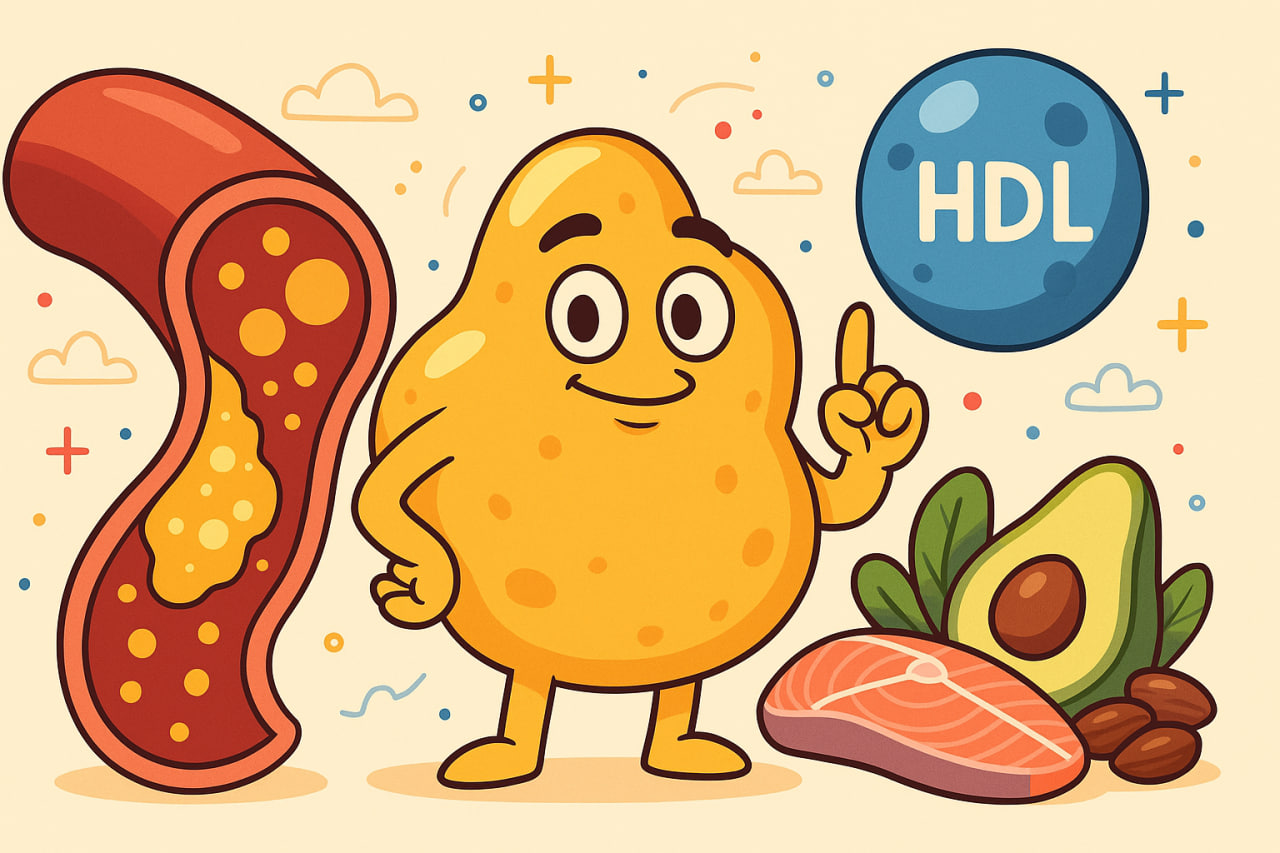
Cholesterol is a fatty, wax-like substance that is naturally produced in the liver and also obtained from certain foods.
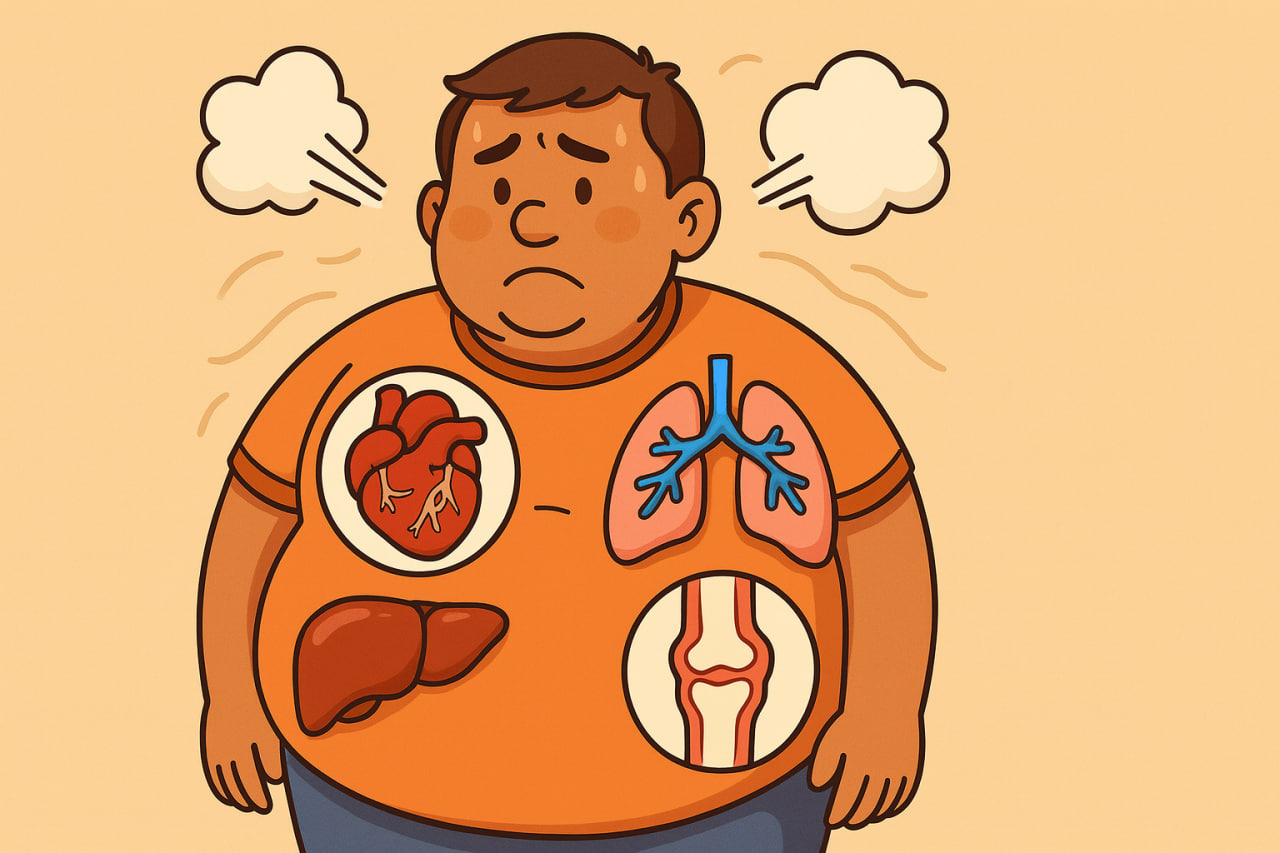
Obesity is a condition where excessive body fat accumulates to the point that it negatively affects health.
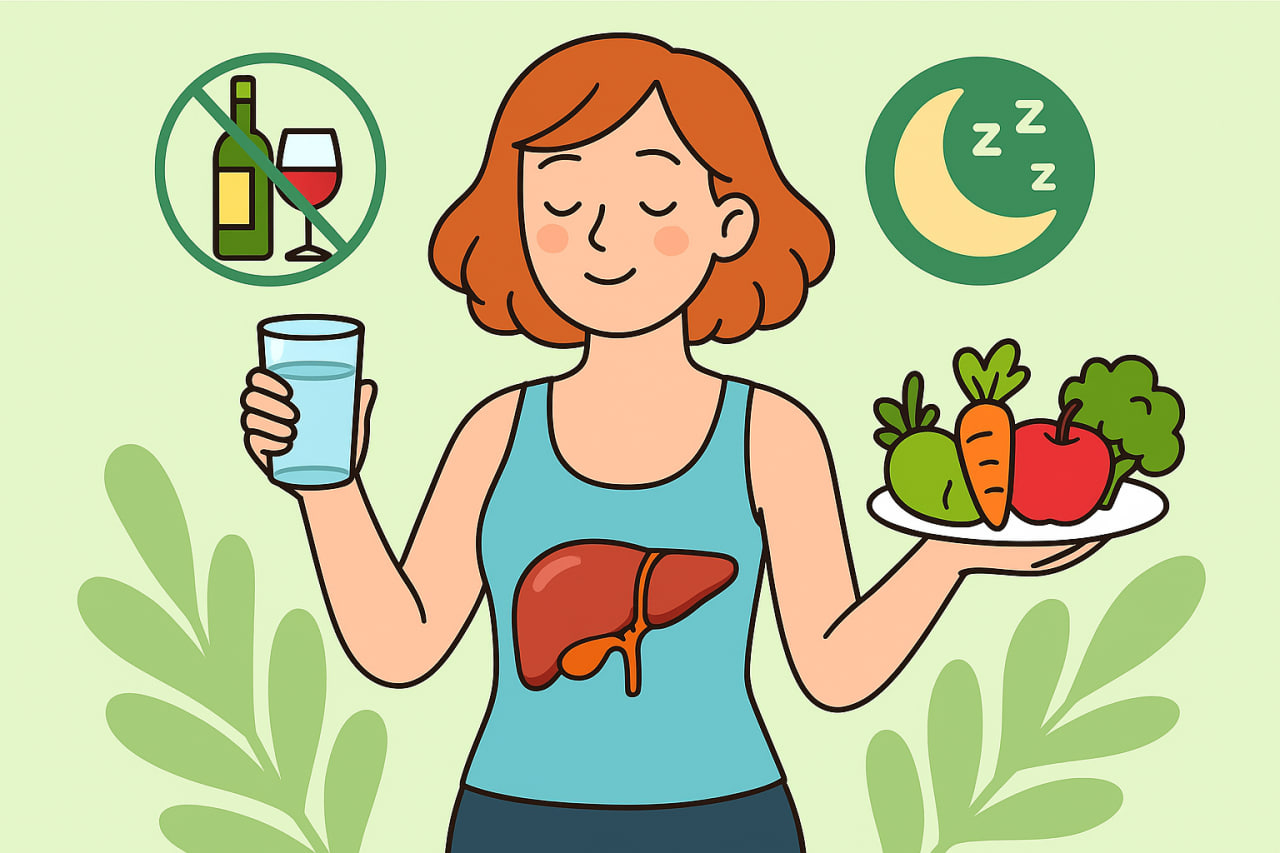
The liver is one of the most vital organs in the human body. It performs more than 500 different functions, making it essential for survival.
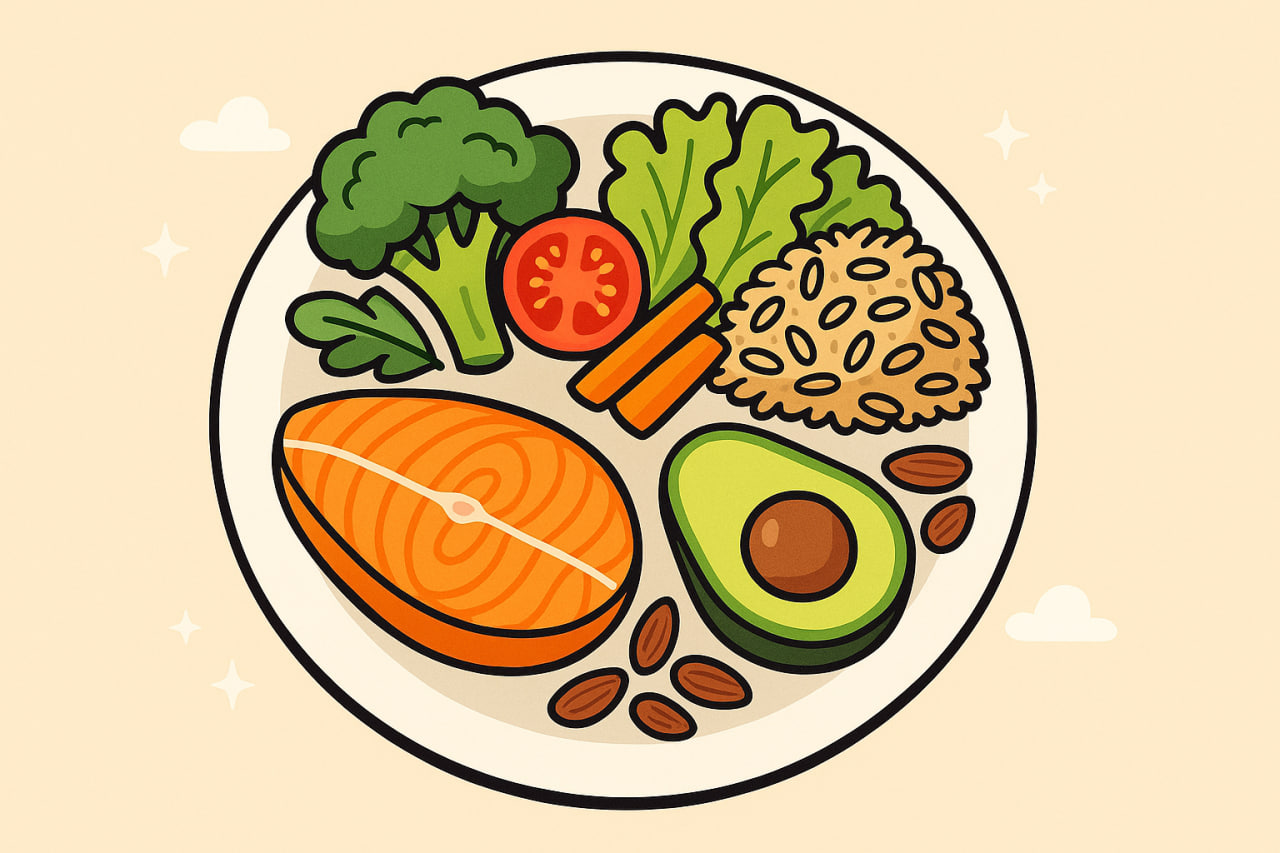
A balanced diet is the foundation of good health, but this doesn’t mean you need to follow strict or restrictive diets.
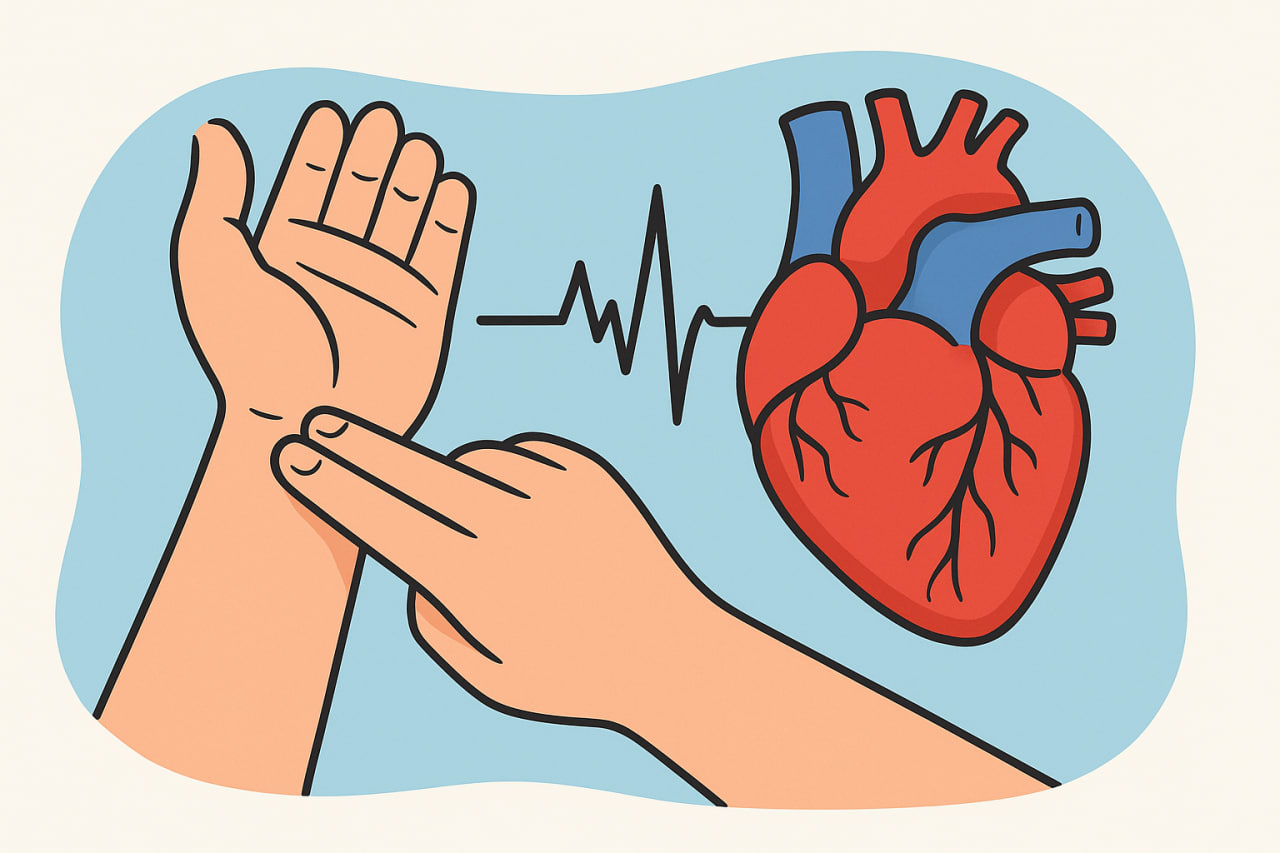
A pulse is the rhythmic beating of the arteries caused by the heart pumping blood through the body. Measuring pulse is one of the simplest and most effective ways to assess cardiovascular health.
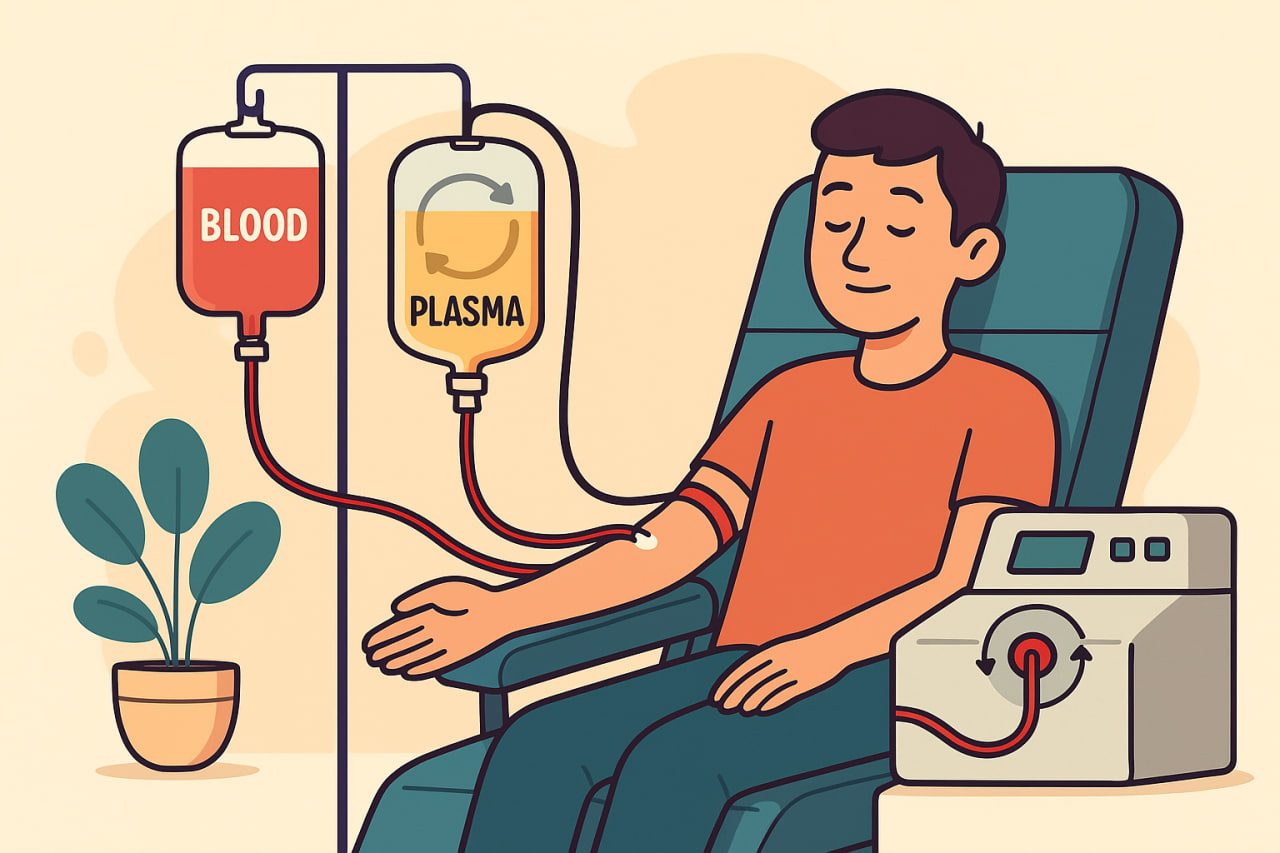
Donating plasma is just as important as donating blood, as it helps treat patients with immune deficiencies, clotting disorders, and other serious conditions.

Human beings are adapted to life on Earth, where biological rhythms are synchronized with the 24-hour day-night cycle.
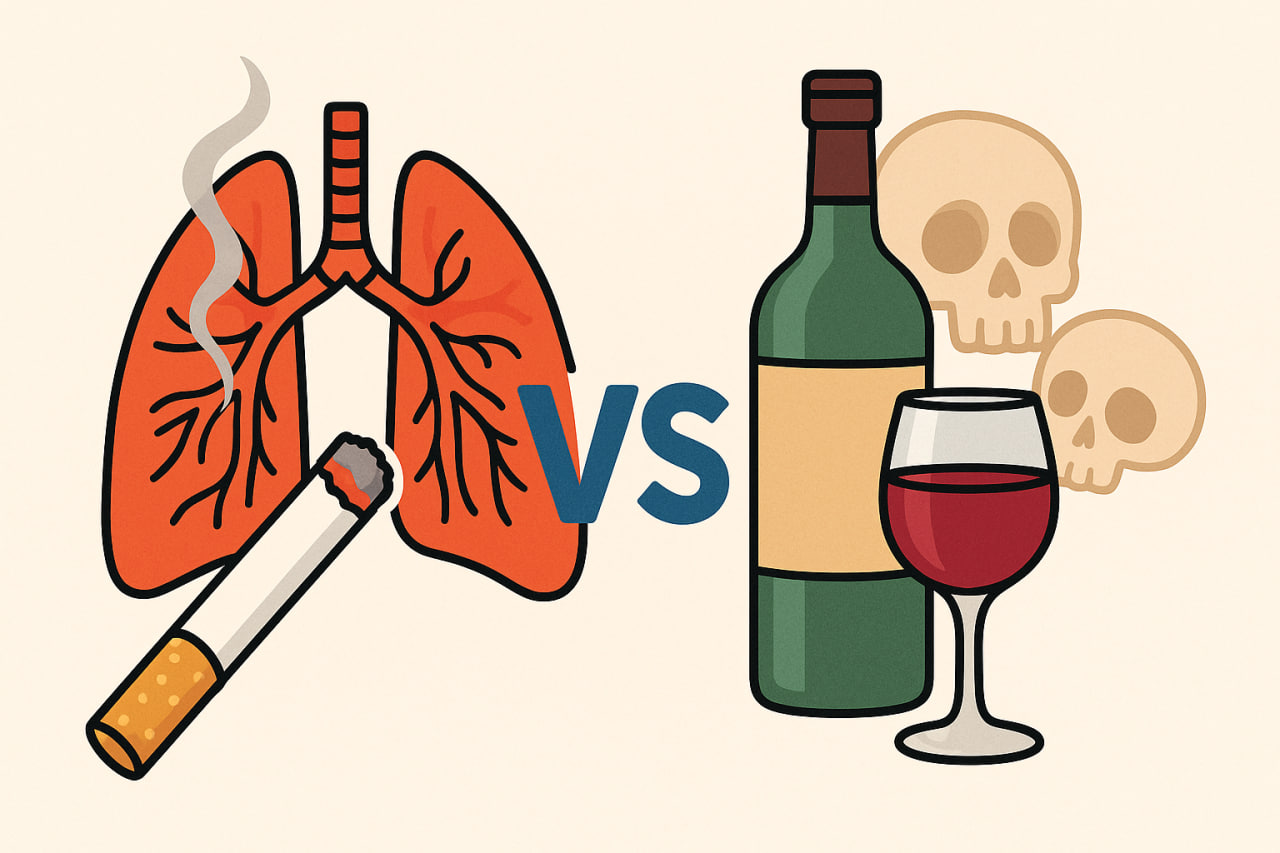
Both smoking and alcohol are major risk factors for serious diseases and premature death. They damage the body in different ways, but both shorten life expectancy significantly.