
Mirror Neurons: How the Brain Reflects the Actions and Emotions of Others
Mirror neurons are a unique class of brain cells that activate both when a person performs an action and when they observe someone else performing the same action.
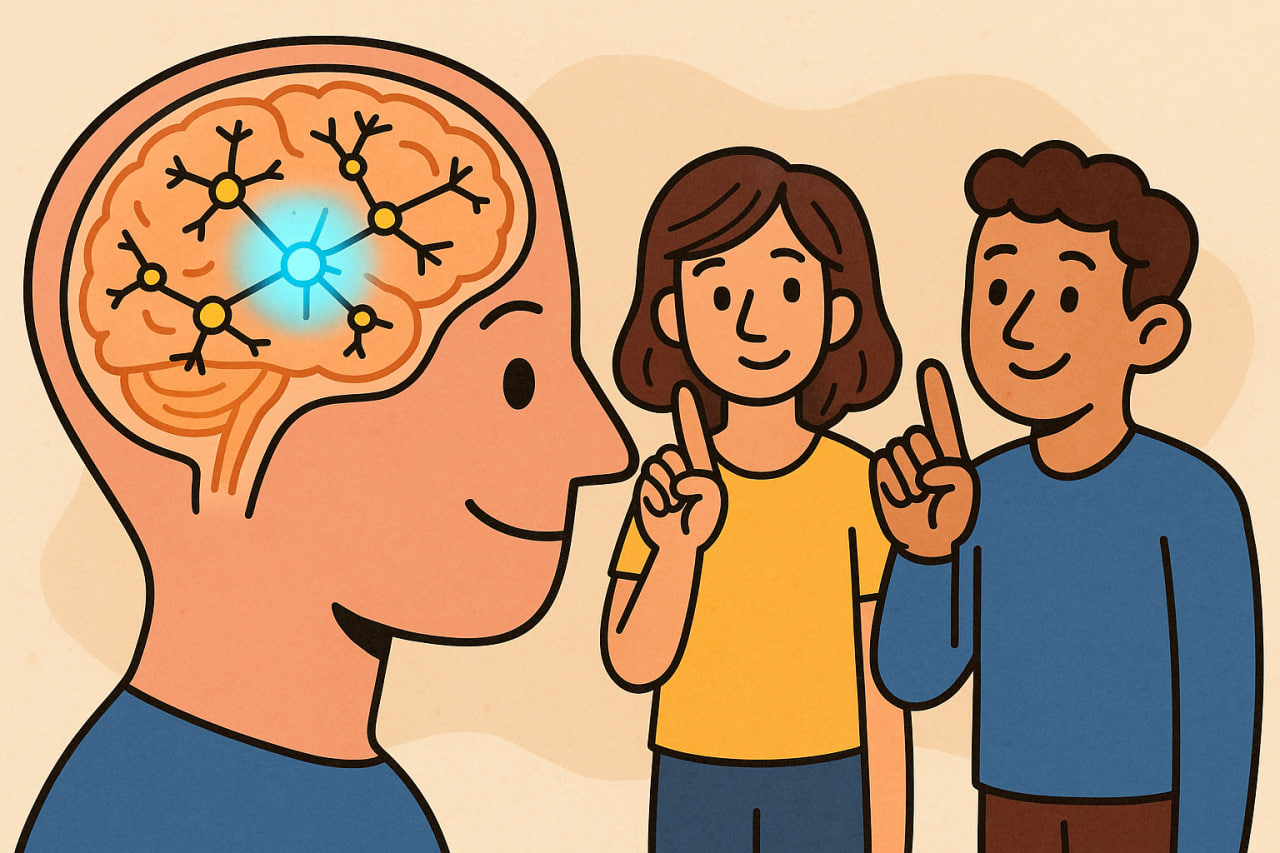
Mirror neurons are a unique class of brain cells that activate both when a person performs an action and when they observe someone else performing the same action.
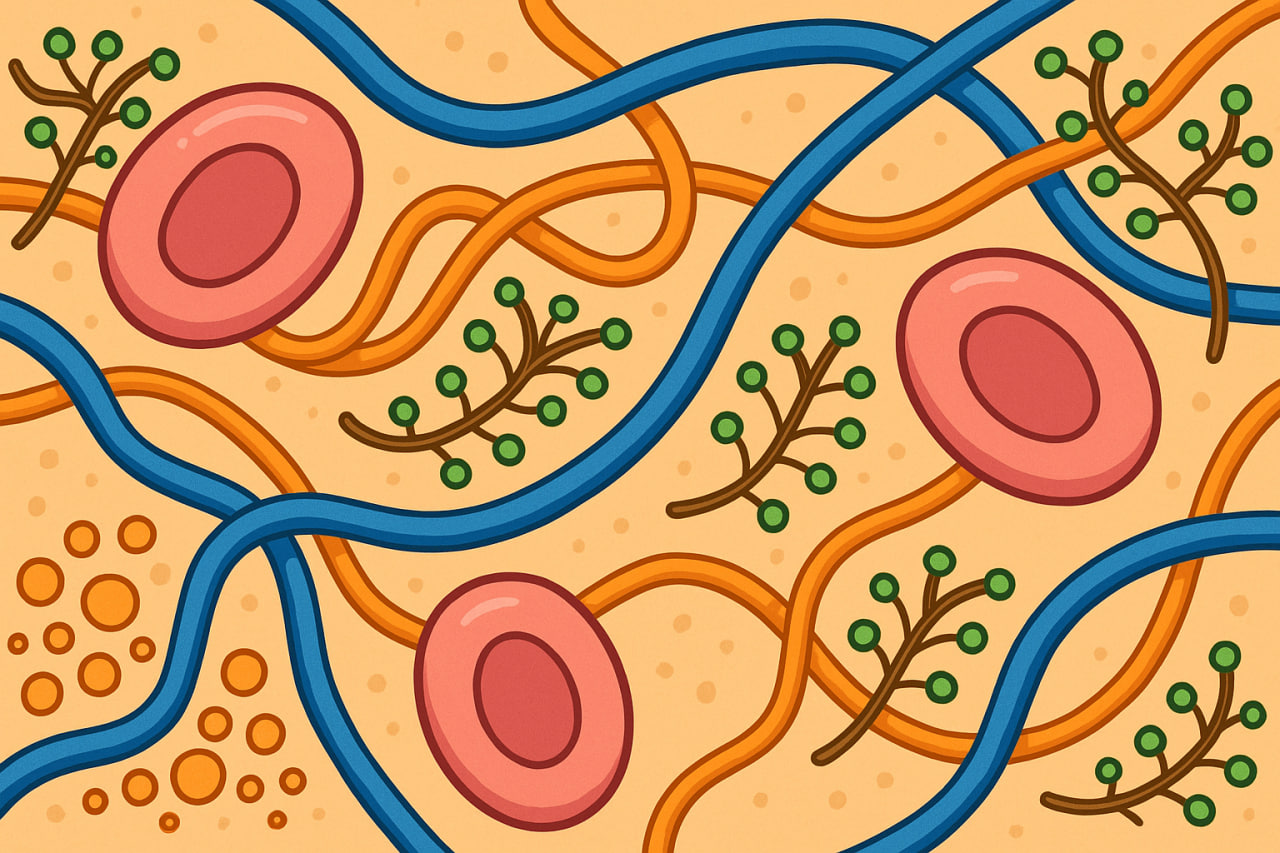
The extracellular matrix (ECM) is a complex structural network that surrounds and supports the cells in all tissues of the human body.
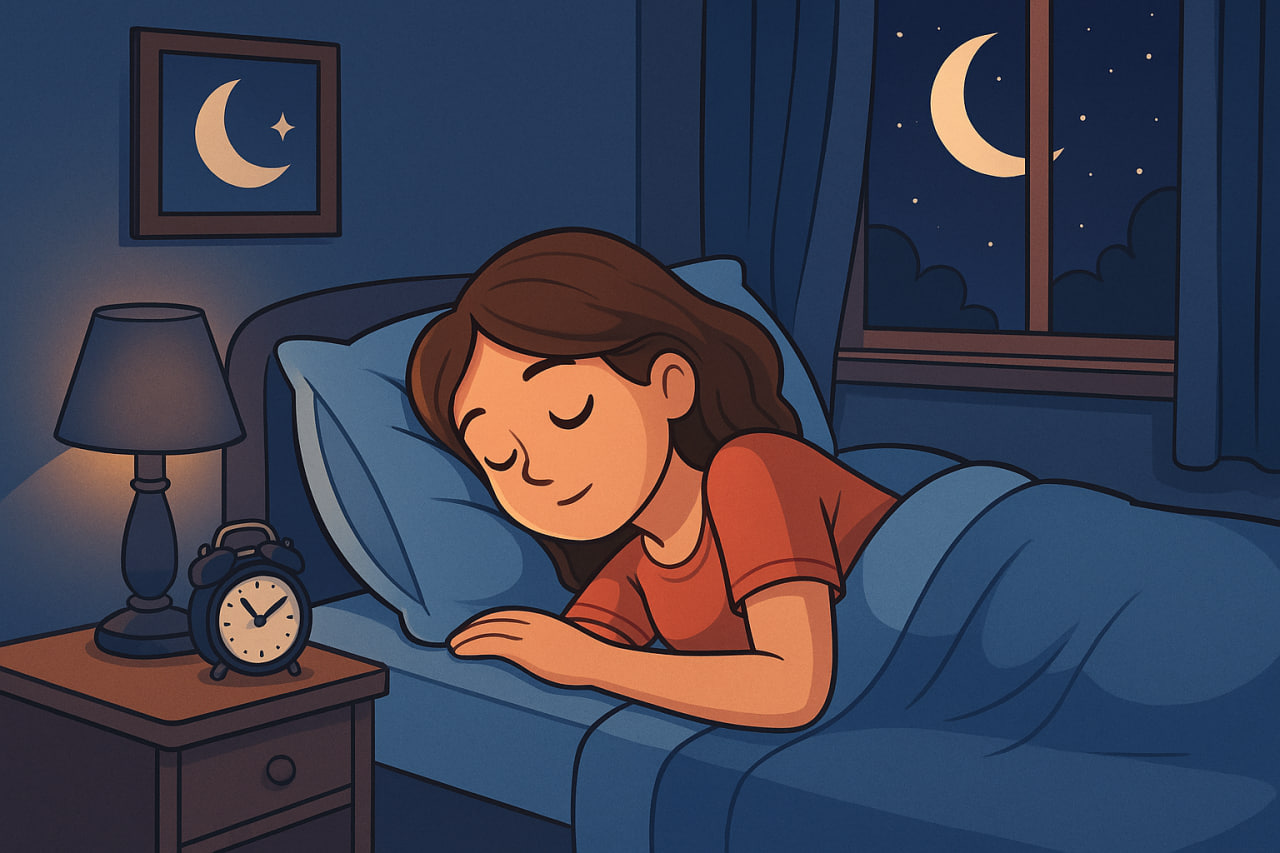
Good sleep hygiene refers to a set of daily habits and environmental conditions that help regulate the body’s natural sleep–wake cycle.
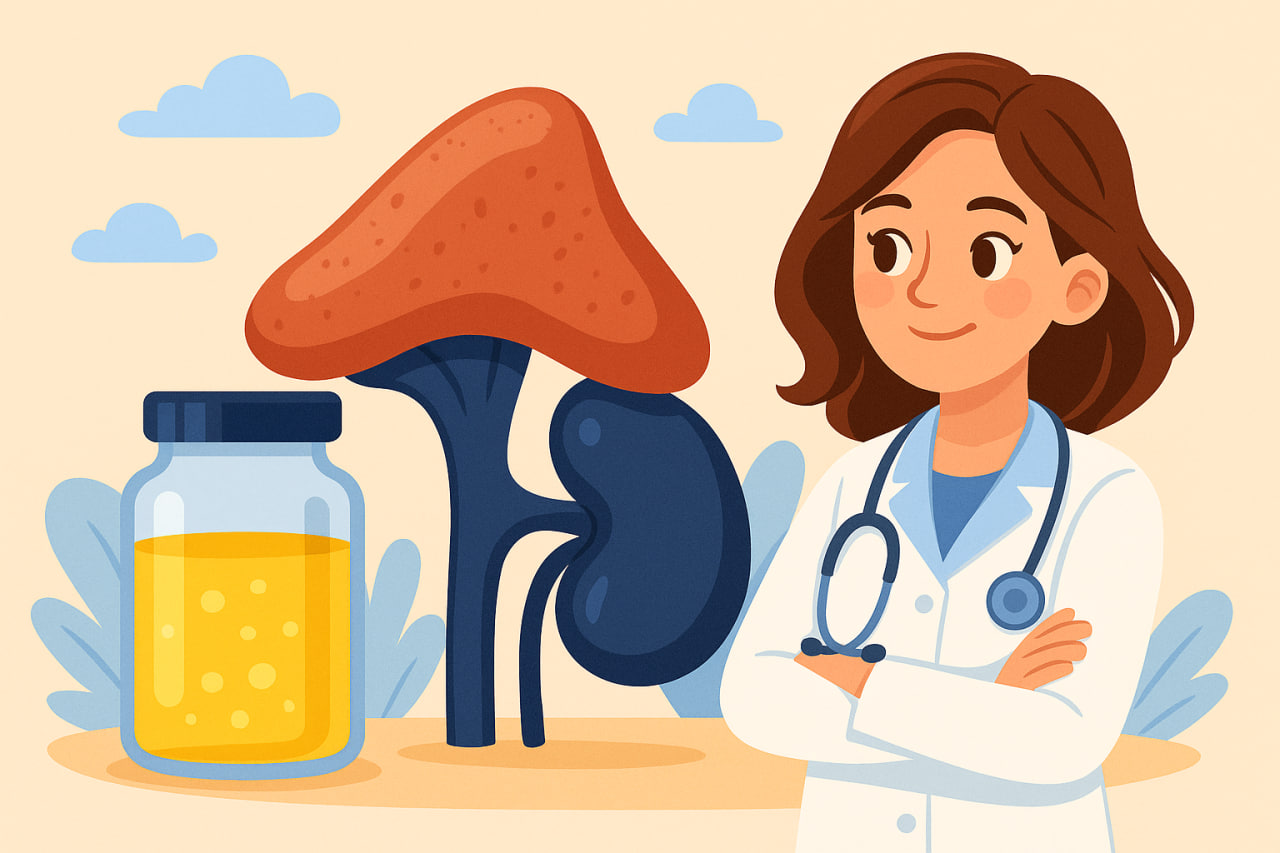
Cortisol is one of the most important hormones produced by the human body. Often called the “stress hormone,” cortisol is released by the adrenal glands in response to physical or emotional...
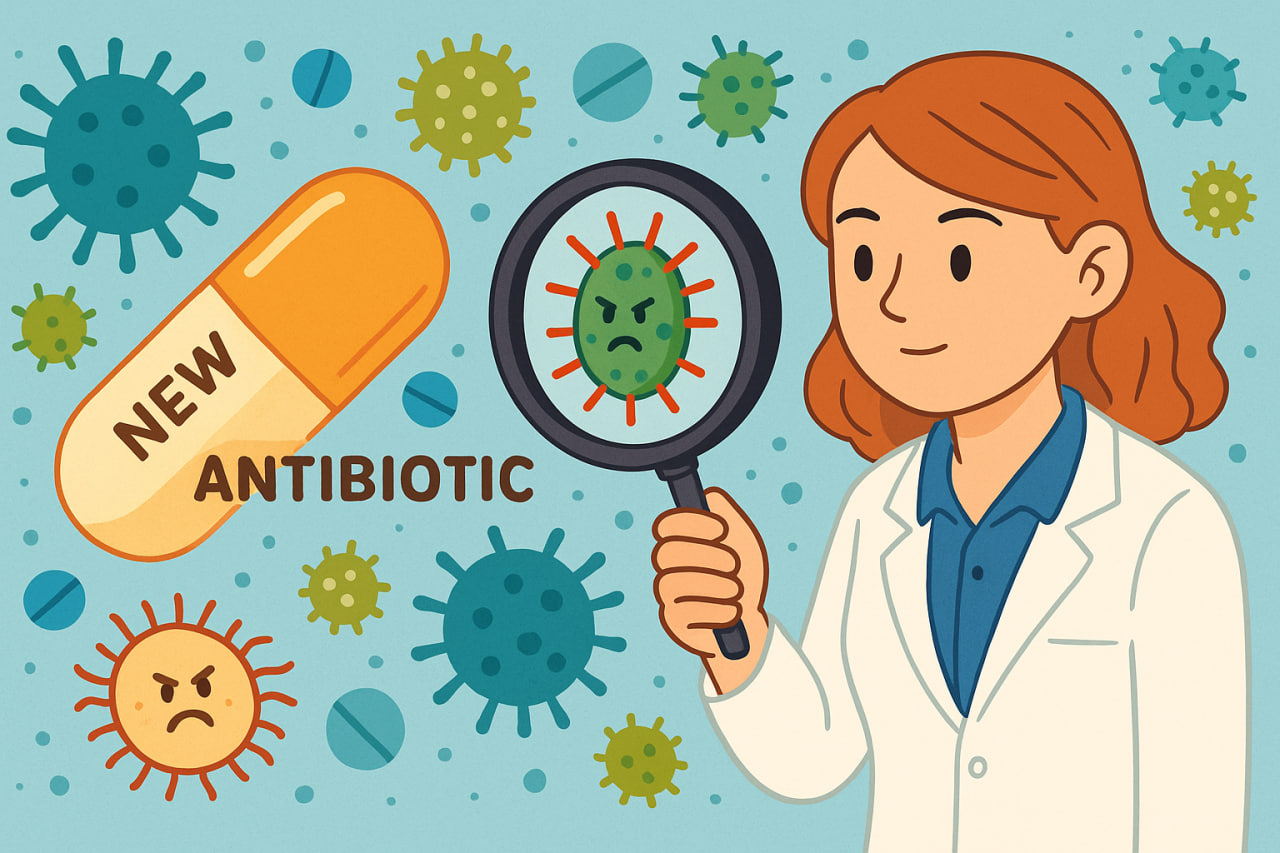
Helicin is an innovative experimental antibiotic designed to combat superbugs — dangerous bacteria that have developed resistance to multiple existing drugs.
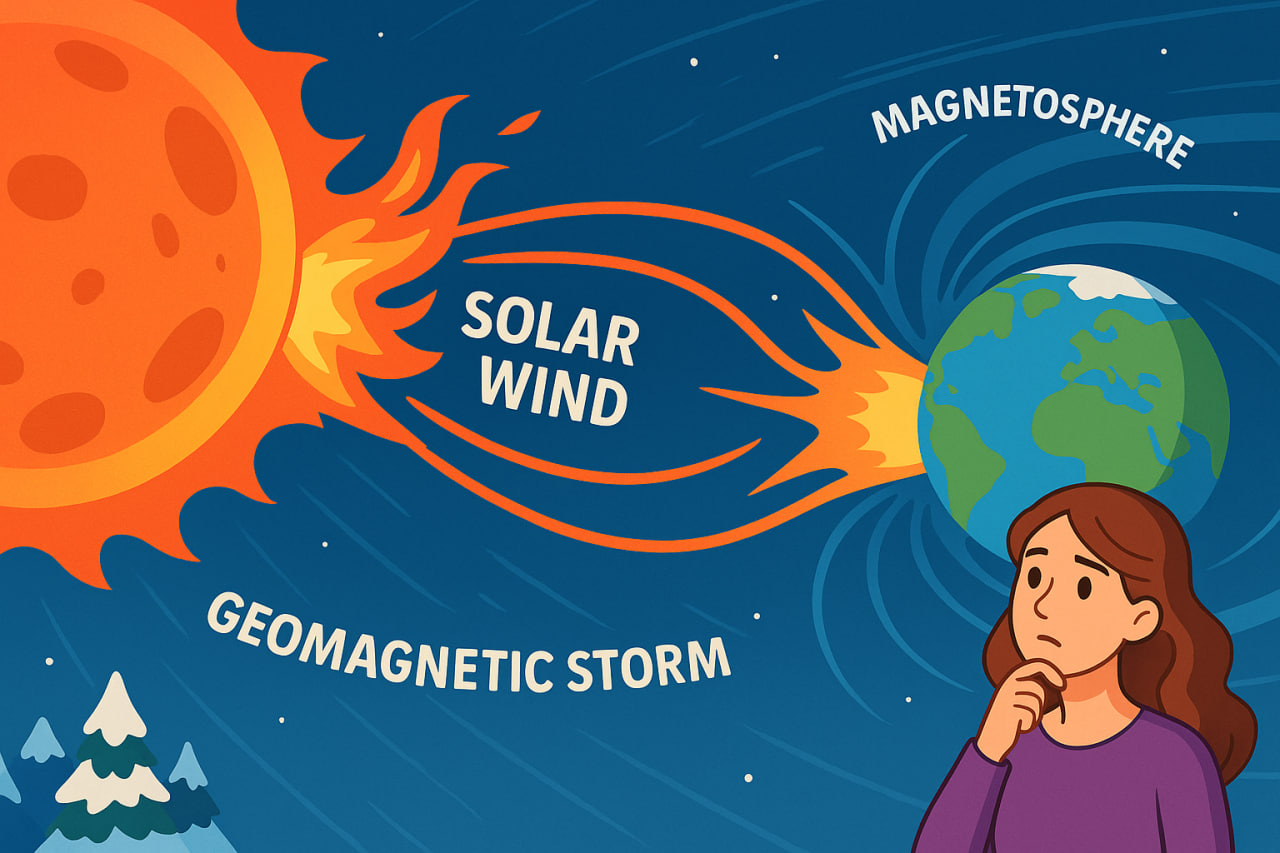
Magnetic storms, also known as geomagnetic storms, are large disturbances in Earth’s magnetic field caused by solar activity.
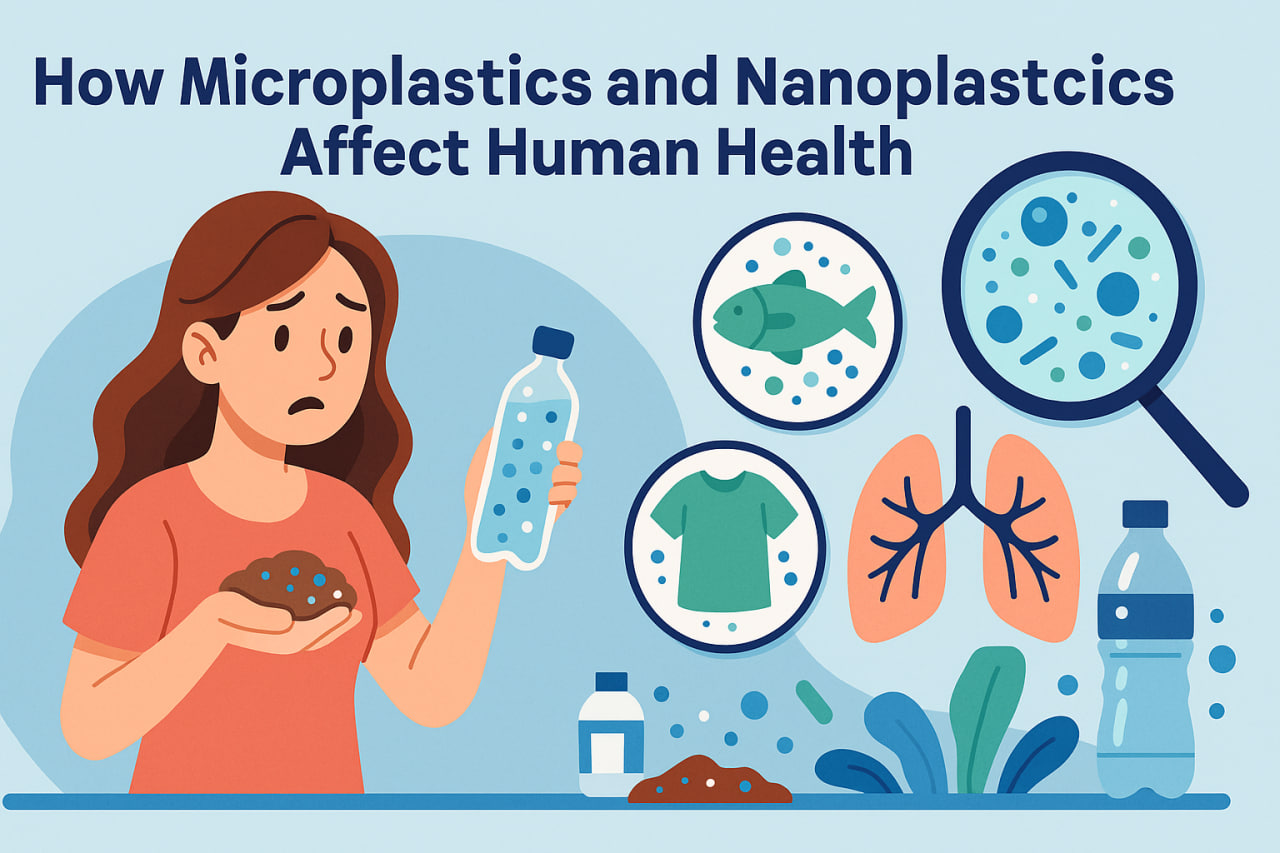
Microplastics and nanoplastics have become an emerging global concern as they spread through air, water, soil, and even the food we eat.
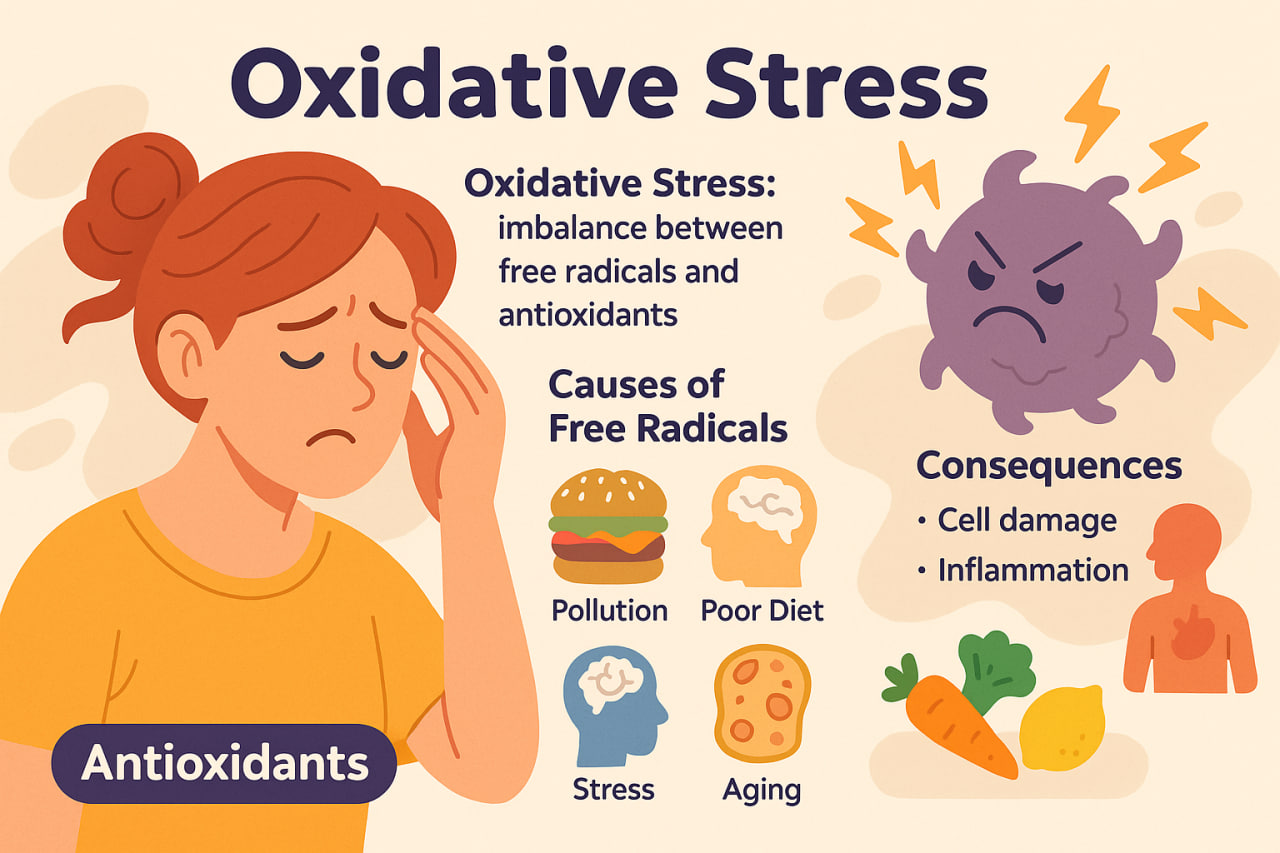
Oxidative stress is a biological condition that occurs when the body’s natural antioxidant defenses are unable to neutralize an excess of free radicals — unstable molecules that can damage...
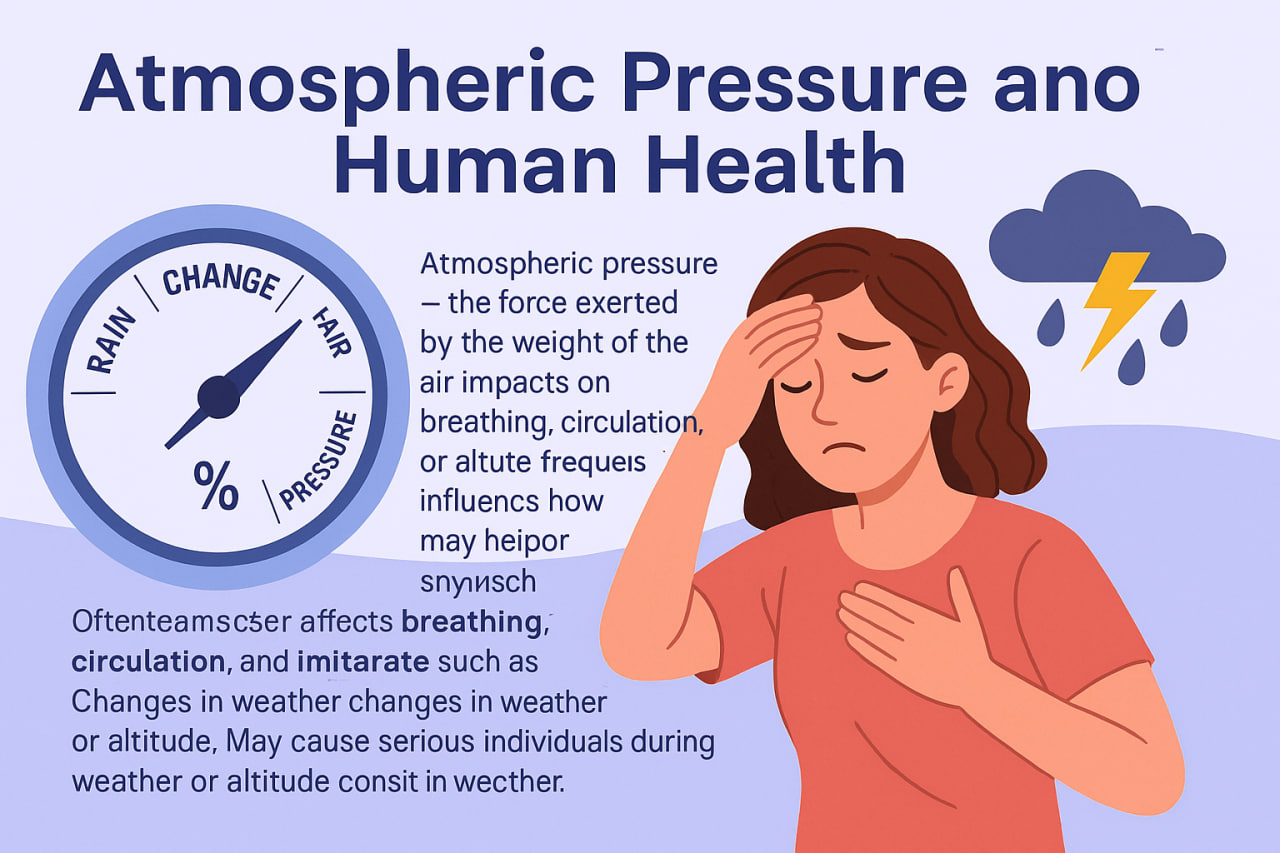
Atmospheric pressure — the weight of the air surrounding Earth — is a natural force that affects every living organism.

Good vision is one of the most valuable senses we possess, yet it is often taken for granted until problems begin to appear.