
Medical Literacy Basics: How to Read Food Labels Correctly
Reading food labels is a fundamental skill of medical and nutritional literacy that directly affects everyday health decisions.

Reading food labels is a fundamental skill of medical and nutritional literacy that directly affects everyday health decisions.
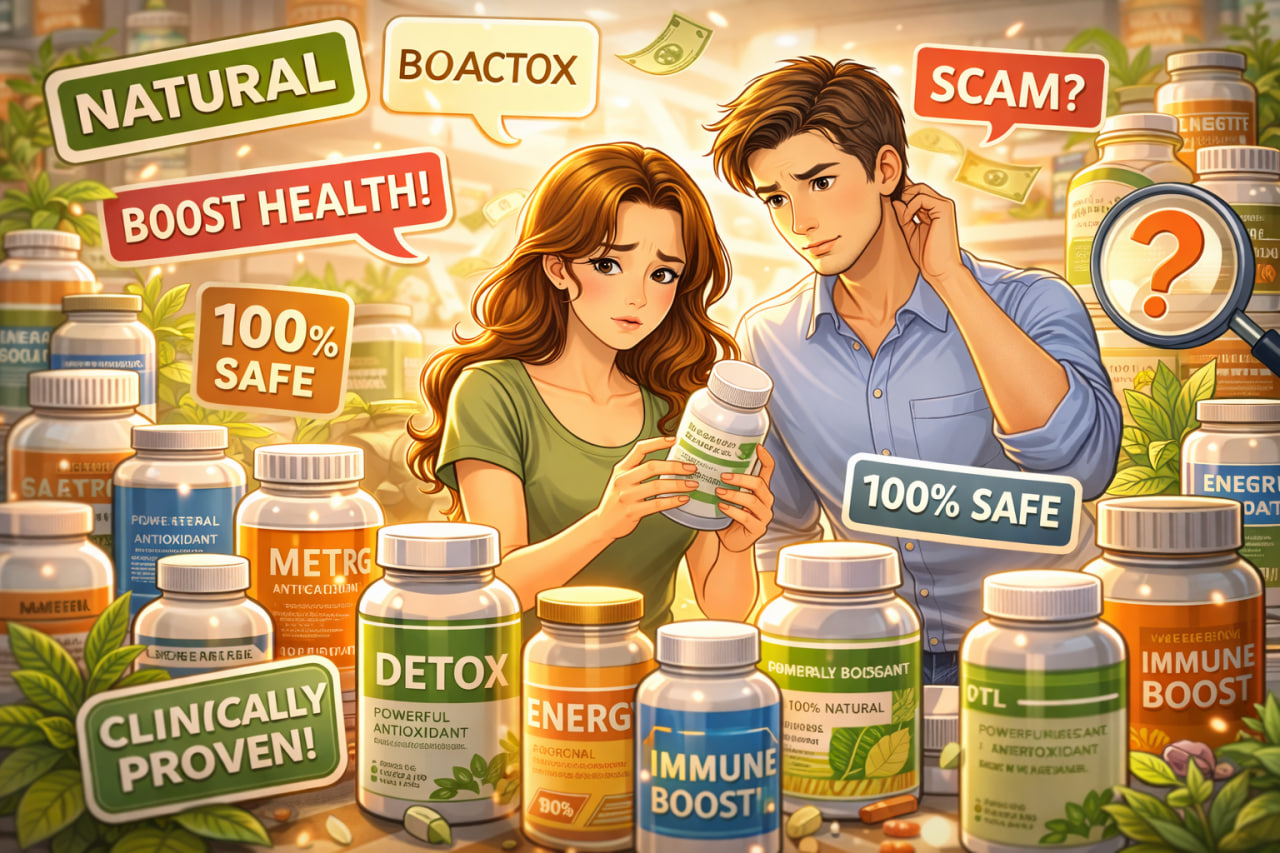
Dietary supplements have become a massive global industry, promoted as easy solutions for energy, immunity, beauty, and longevity.

A well-structured daily routine is one of the most powerful tools for maintaining both productivity and long-term health.

Telomeres and telomerase play a central role in how cells age, divide, and maintain genetic stability over time.
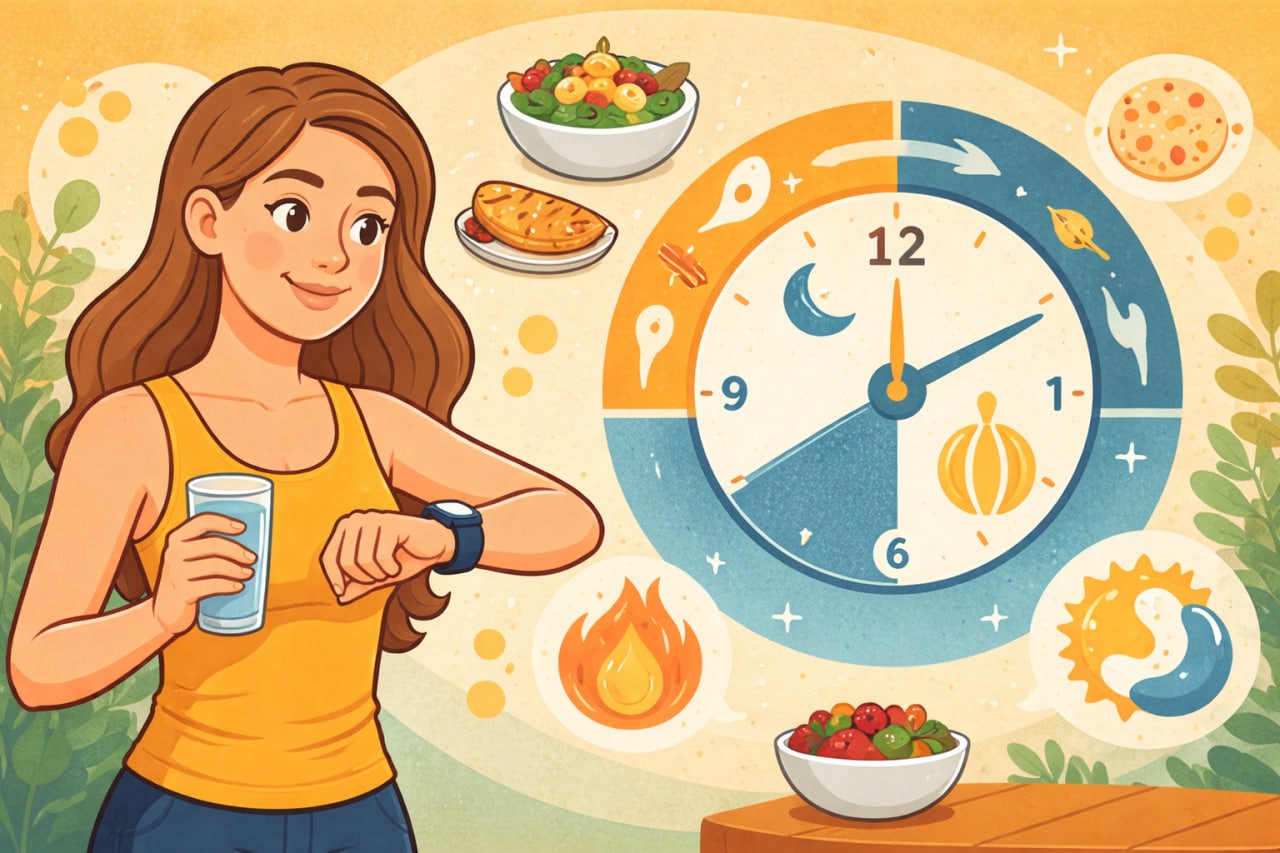
Intermittent fasting is a dietary approach that focuses not on what people eat, but on when they eat.
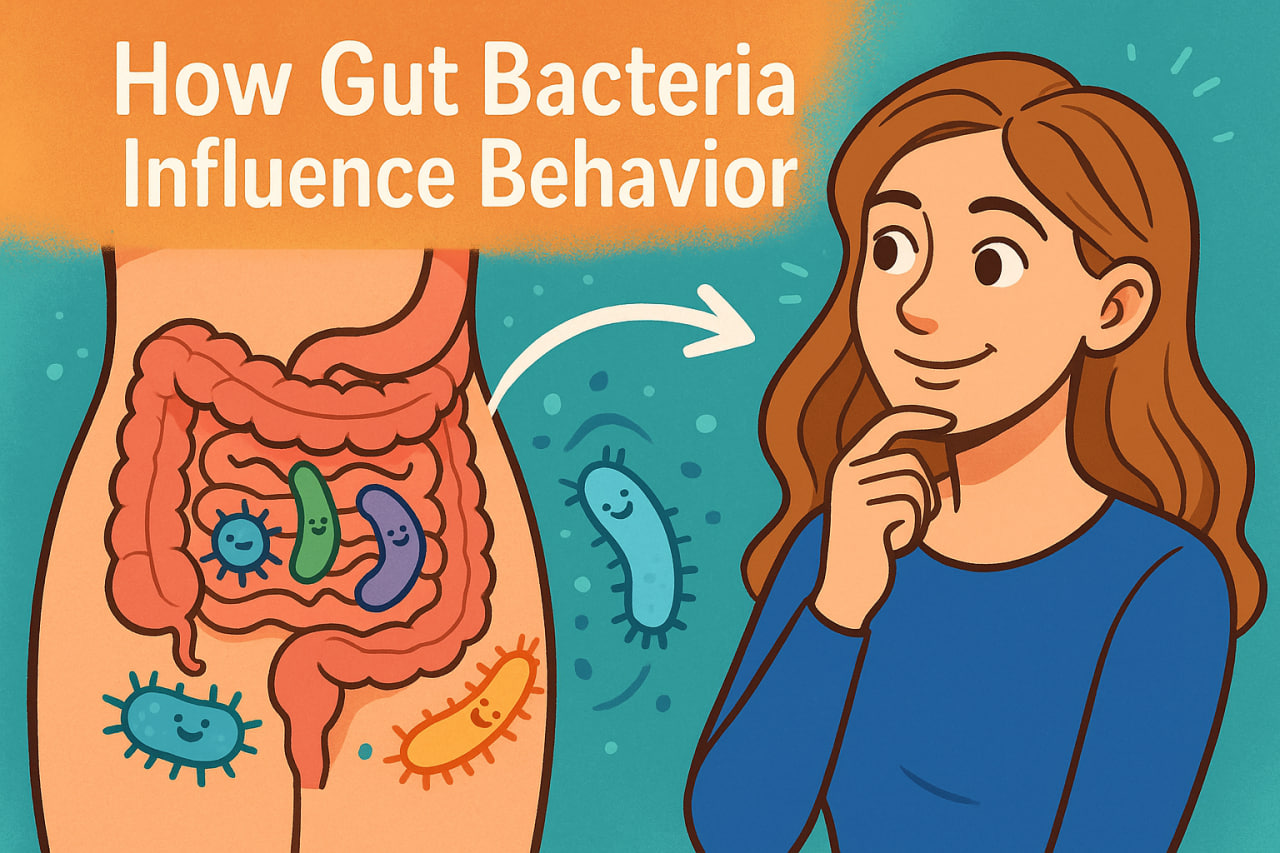
Inside the human body lives a vast and complex ecosystem of microorganisms known as the microbiome, with the largest concentration residing in the gut.
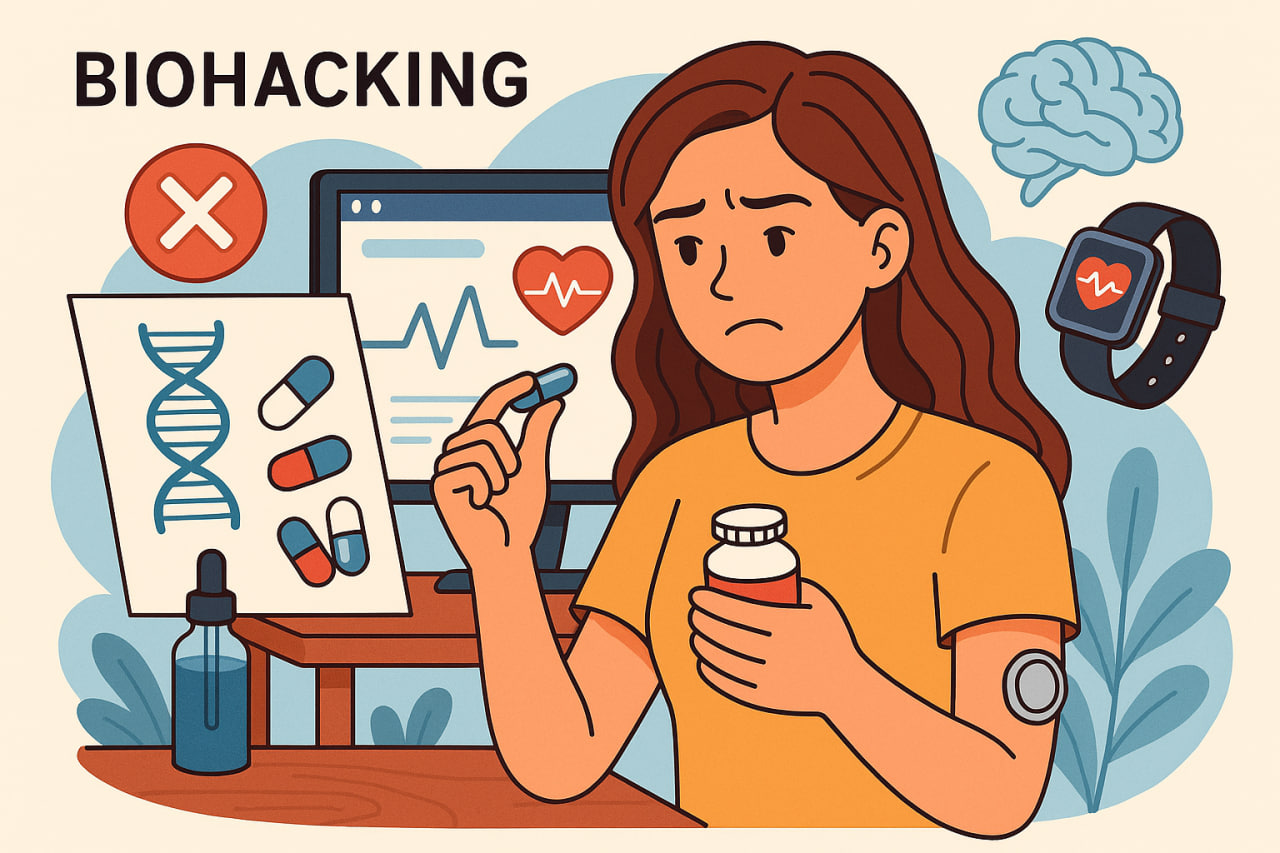
Biohacking has become a popular trend among people seeking to optimize their bodies and minds using science, technology, and self-experimentation.
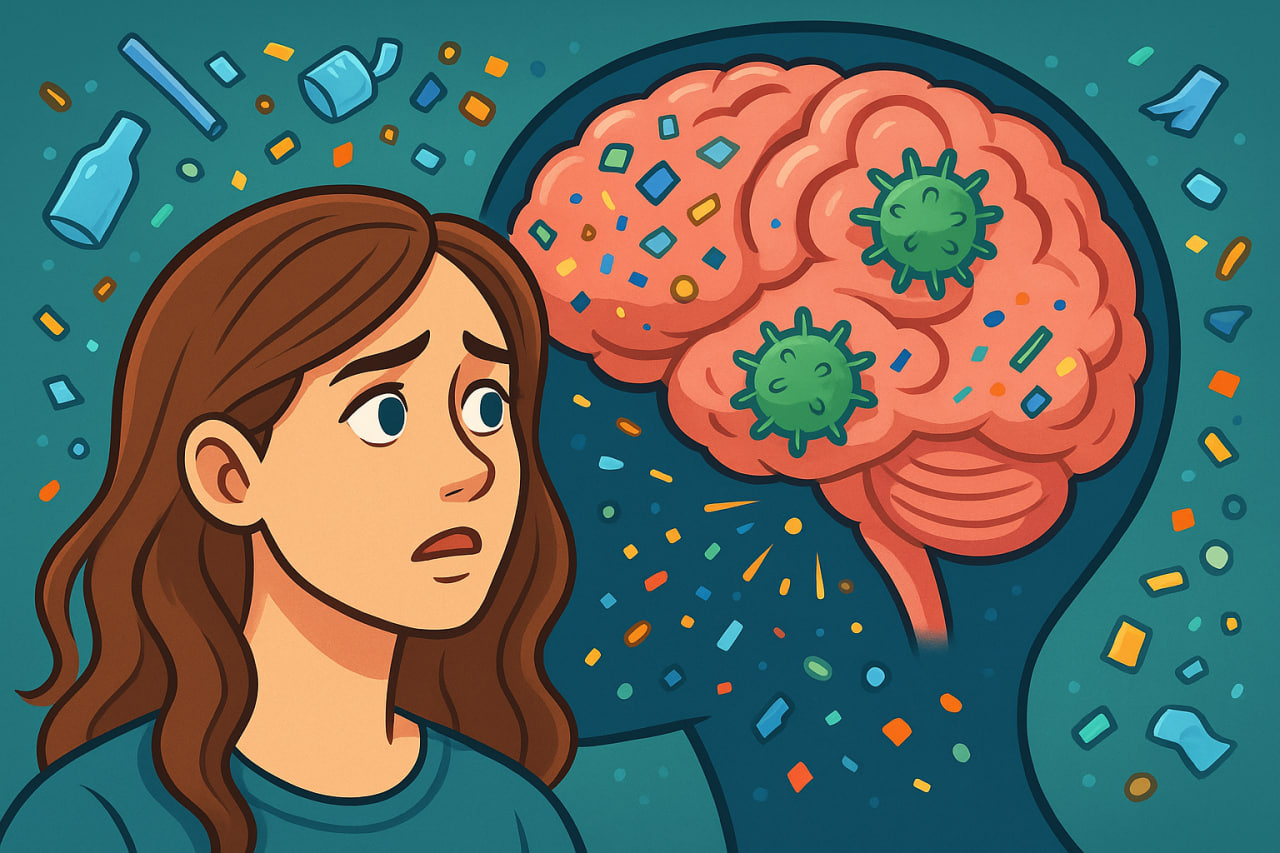
Nano- and microplastics have become one of the most alarming environmental and health concerns of the 21st century.
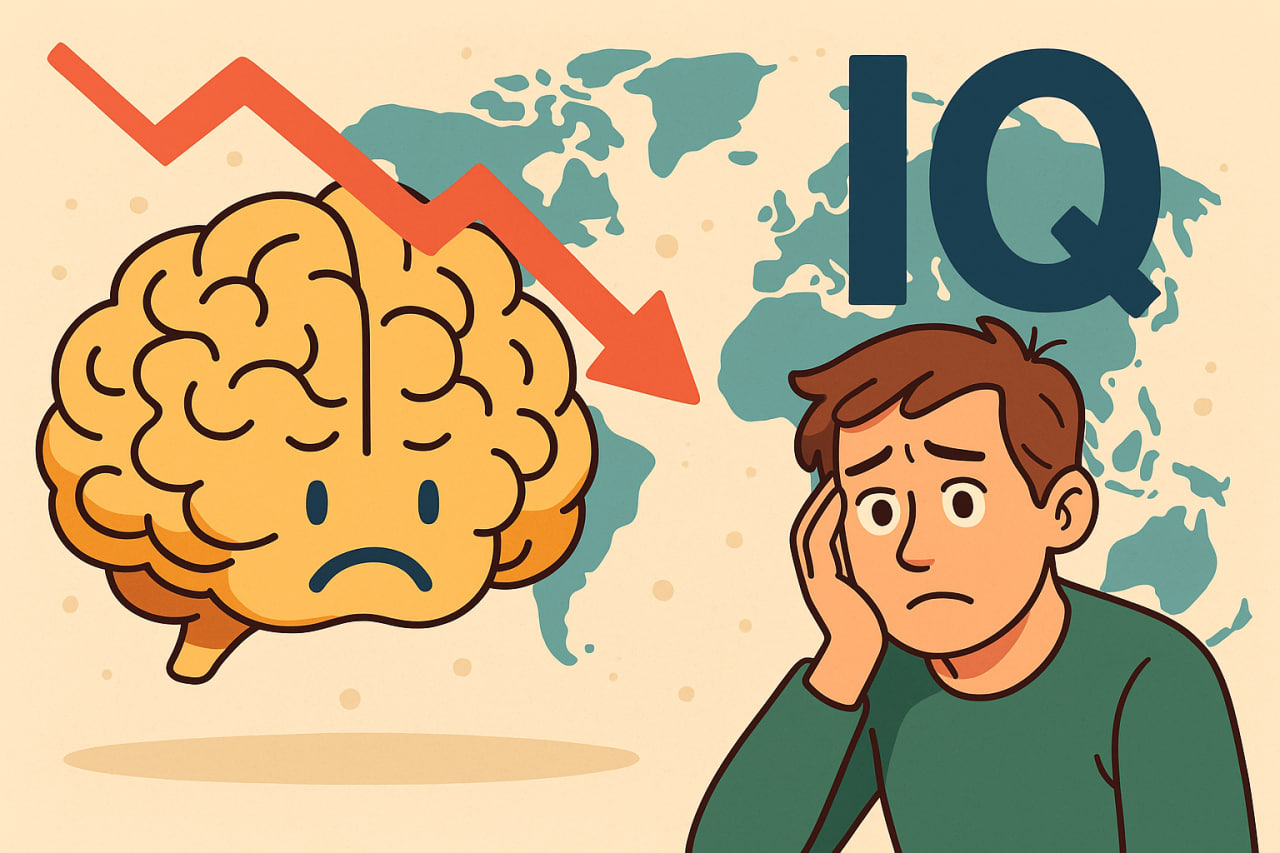
Over the past century, researchers have observed patterns suggesting that average IQ scores in several developed countries may be gradually declining.
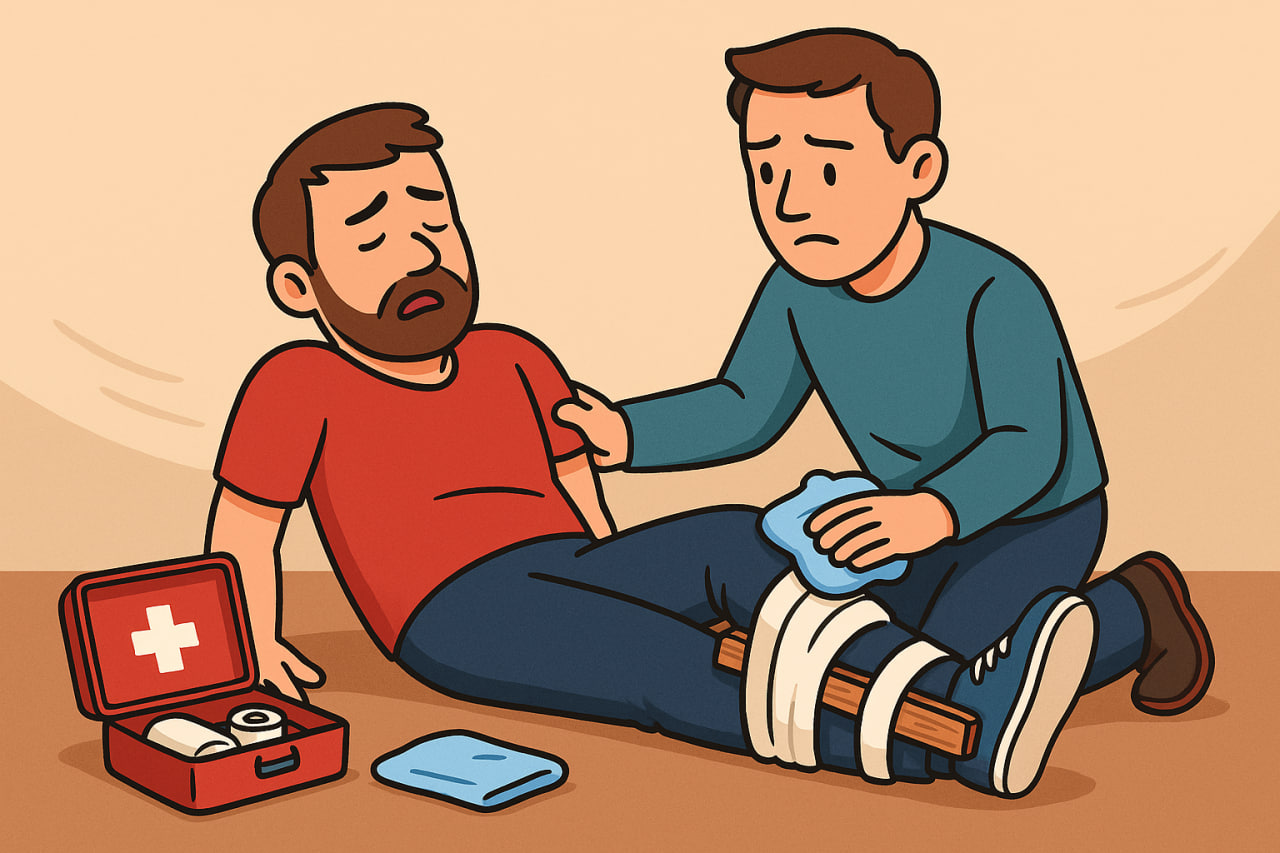
A fracture is a break or crack in a bone that occurs when external force exceeds the bone’s natural strength. Fractures can happen during falls, accidents, sports, or sudden impacts.