
The Health Benefits of Keeping a Journal
Journaling is often seen as a simple habit—putting thoughts on paper at the end of the day—but research increasingly shows that it can have meaningful effects on both mental and physical health.

Journaling is often seen as a simple habit—putting thoughts on paper at the end of the day—but research increasingly shows that it can have meaningful effects on both mental and physical health.

Developing a new drug has traditionally been a slow and expensive process, often taking more than a decade from discovery to approval.

The Heimlich maneuver, also known as the diaphragm thrust, is one of the most well-known emergency response techniques in the world.

Nuclear medicine is a specialized field that uses the properties of atomic nuclei to study physiological processes inside the human body.

Nanotechnology in medicine represents a profound shift in how scientists understand, diagnose, and treat diseases.
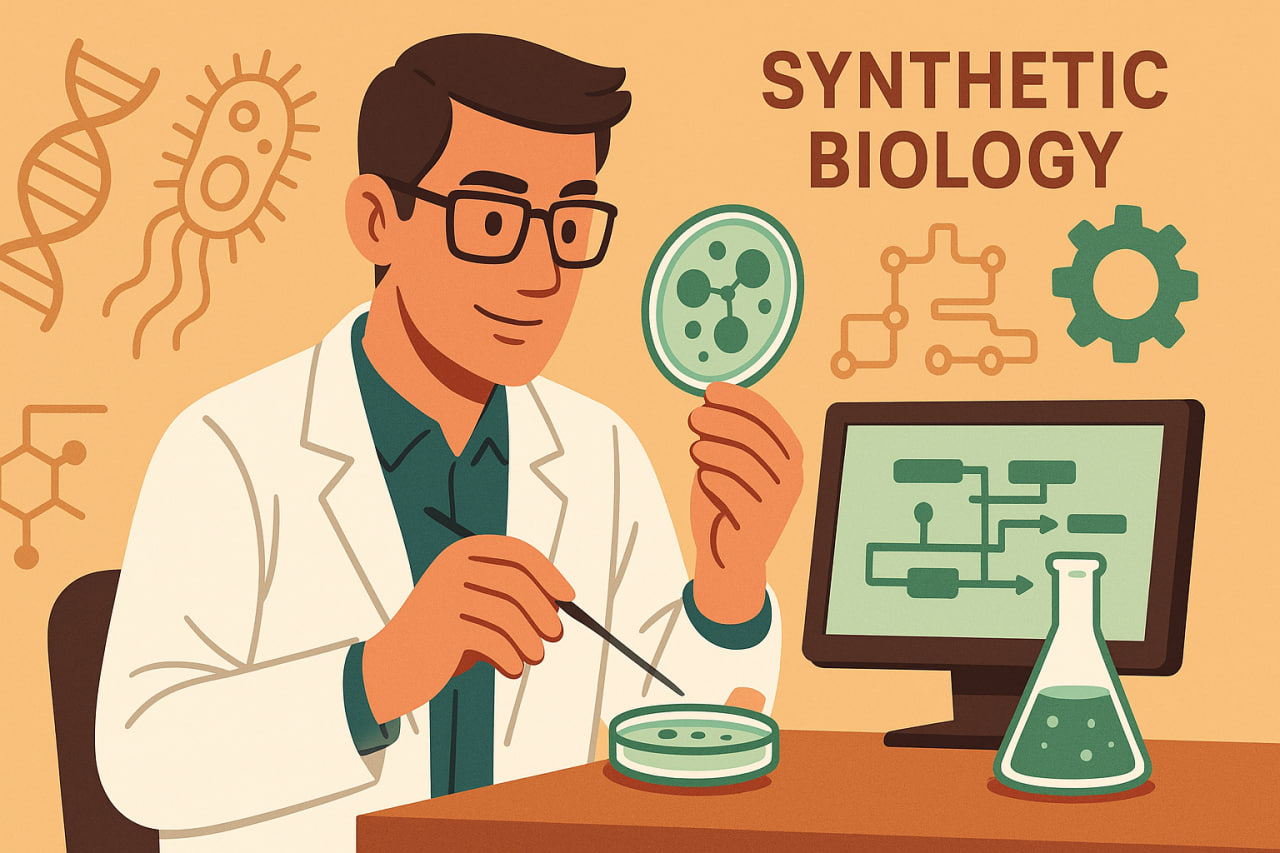
Synthetic biology is a rapidly developing scientific field that combines biology, engineering, and computer science to design and construct new biological systems or redesign existing ones.

Epigenetics is one of the most fascinating areas of modern biology, revealing that genes are not rigid instructions but dynamic systems influenced by life experiences.
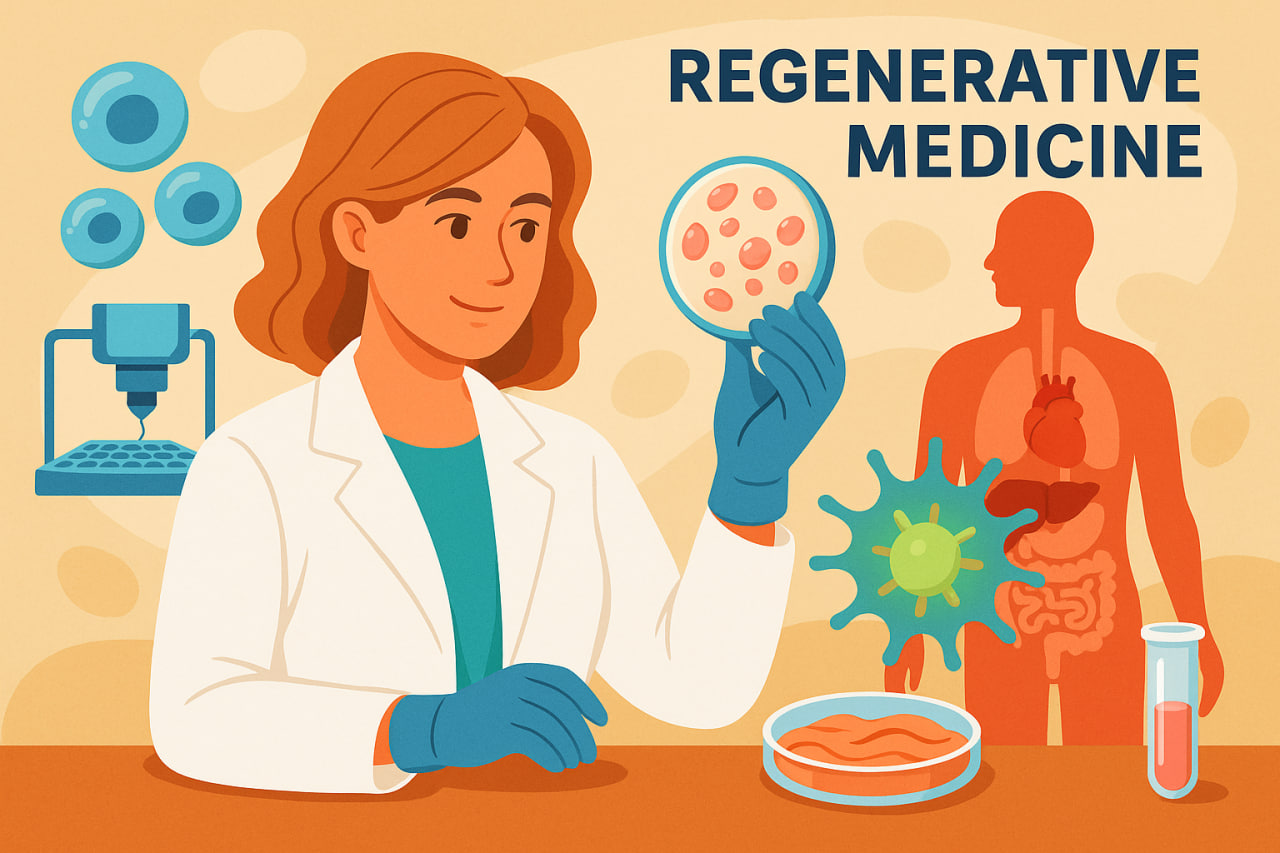
Regenerative medicine is a rapidly advancing field focused on repairing, replacing, or regenerating damaged tissues and organs by activating the body’s natural healing mechanisms.

Helicin is an innovative experimental antibiotic designed to combat superbugs — dangerous bacteria that have developed resistance to multiple existing drugs.

Neurointerfaces, also known as brain–computer interfaces (BCIs), are systems that enable direct communication between the human brain and external devices.