Medical Innovations

Medical Innovations of 2026: How Much Longer Could We Live?
Medical Innovations Digital Diagnostics News

Medical Innovations of 2026: How Much Longer Could We Live?

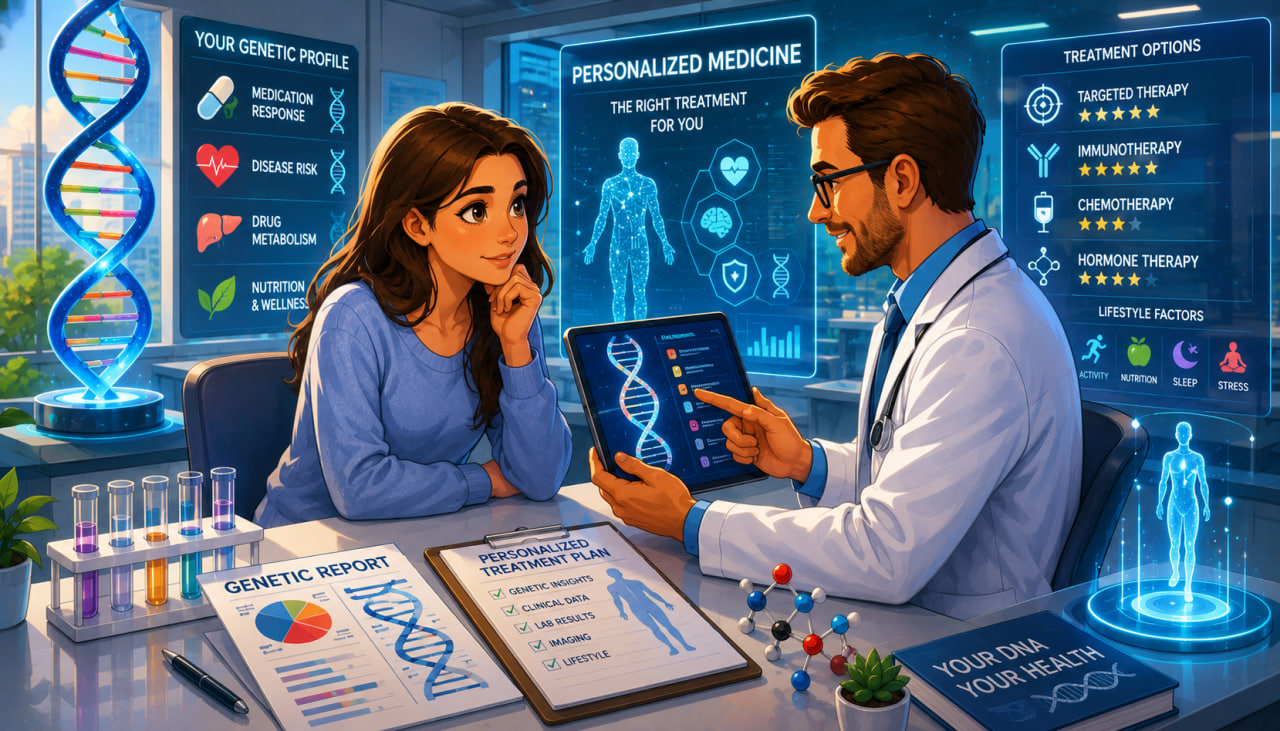
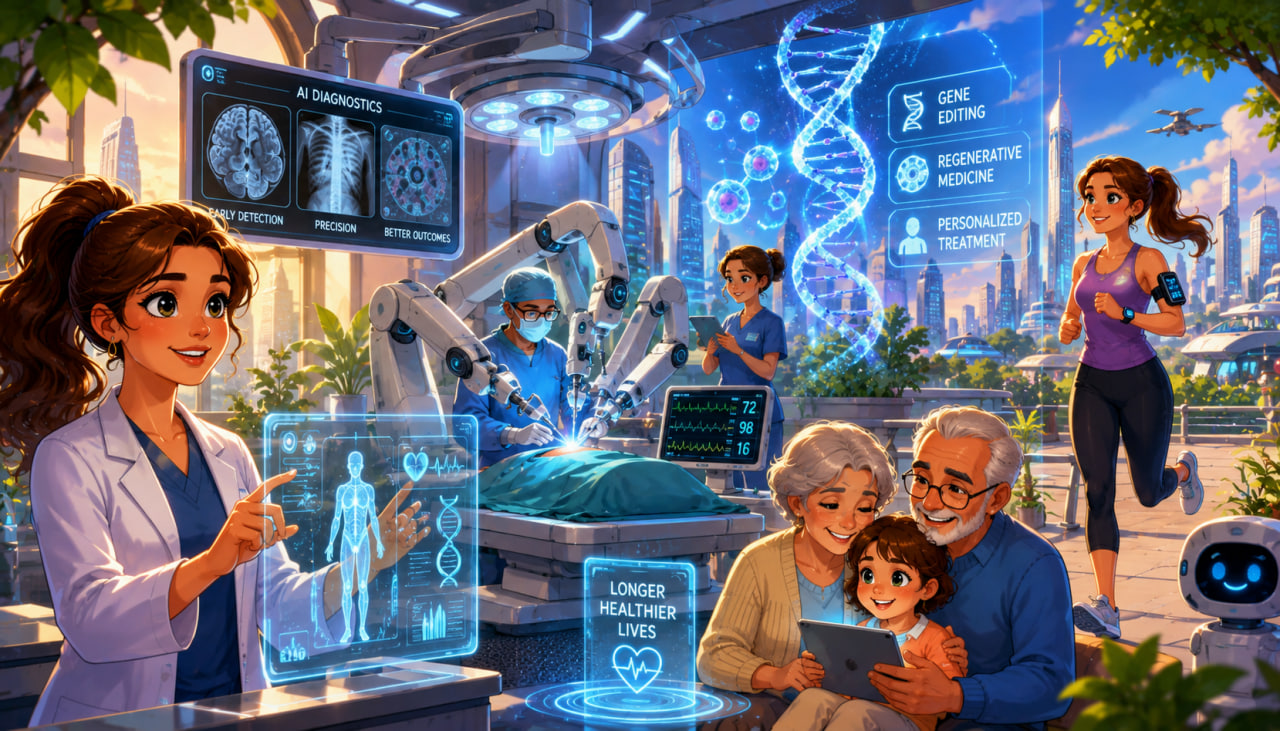
Medicine is advancing faster than ever before. Artificial intelligence is helping doctors diagnose diseases earlier, gene-editing technologies continue to evolve, robotic surgery is becoming increasingly precise, and personalized medicine is transforming how treatments are selected. While no breakthrough can guarantee dramatically longer lifespans overnight, the medical innovations emerging in 2026 are helping people live not only longer but also healthier lives. Experts increasingly emphasize that longevity is about more than adding years to life. The real goal is increasing healthspan—the number of years a person lives free from serious disease and disability. Many of today's innovations focus precisely on preventing illness, detecting problems earlier, and improving treatment outcomes.

Detoxification of the Body: Can We Remove Microplastics and Heavy Metals?
Medical Innovations Bioethics & Science Global Challenges

Detoxification of the Body: Can We Remove Microplastics and Heavy Metals?

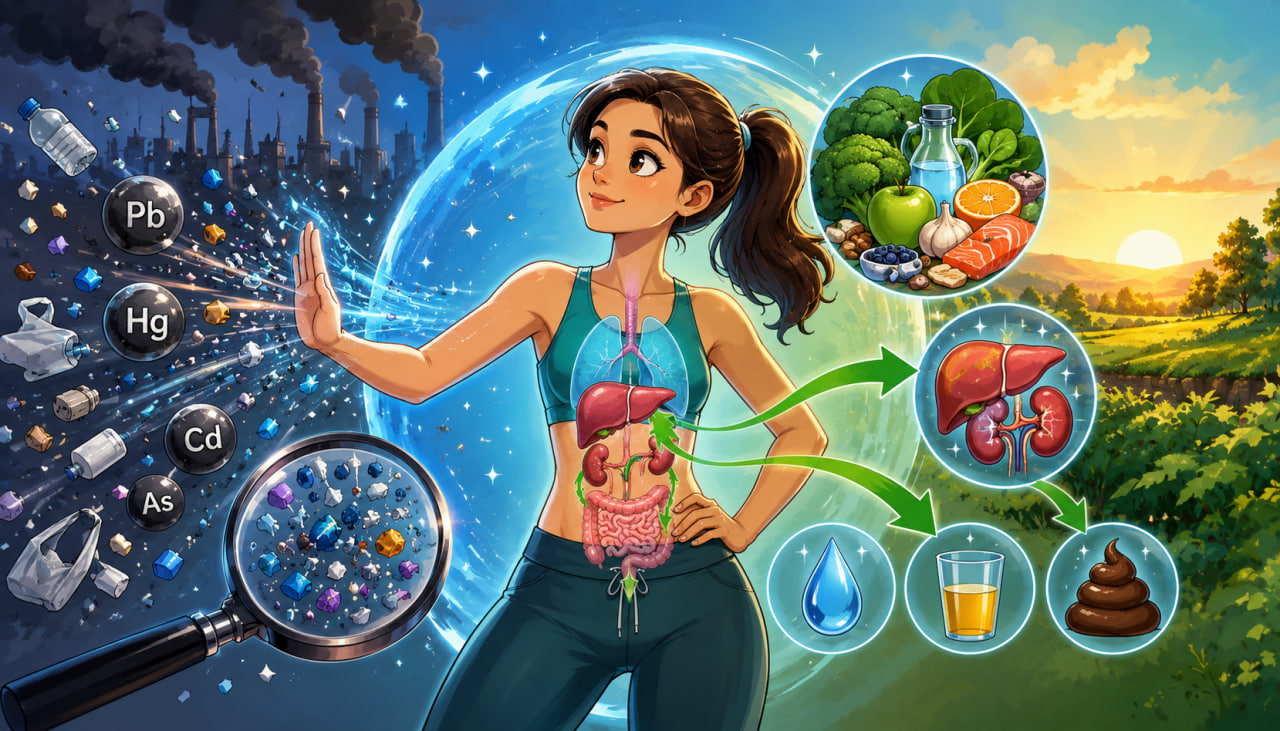
The idea of “detoxifying” the body has become extremely popular in recent years. Social media is full of advertisements for detox teas, cleansing diets, supplements, and programs that claim to eliminate toxins, heavy metals, and even microplastics from the human body. But how much of this is supported by science? Modern research confirms that humans are exposed to a wide variety of environmental contaminants, including heavy metals, air pollutants, industrial chemicals, and microscopic plastic particles. However, the human body also possesses sophisticated systems for processing and eliminating many unwanted substances. The real question is not whether toxins exist—they do—but whether it is actually possible to remove microplastics and heavy metals through detox programs, and what science says about the body's natural detoxification mechanisms.

Affordable Tooth Repair: What Do Dentists Actually Recommend?
Smart & Healthy Medical Innovations Public Health

Affordable Tooth Repair: What Do Dentists Actually Recommend?

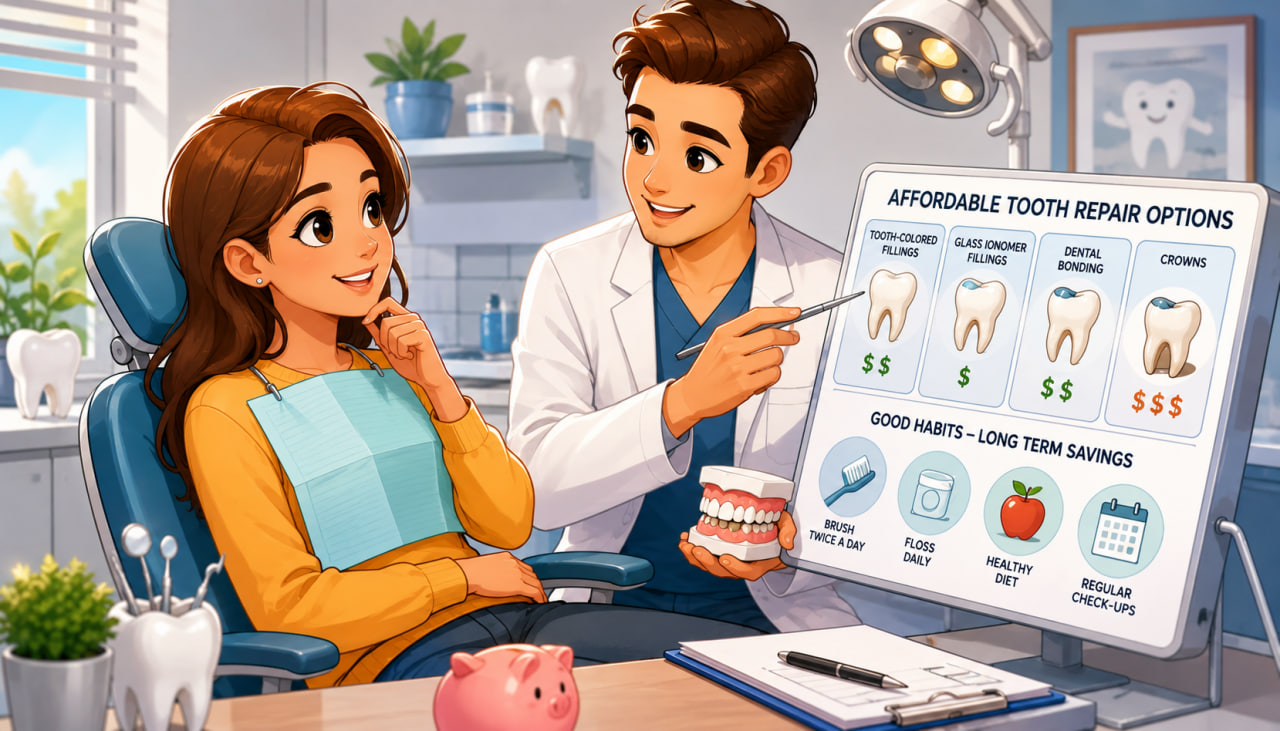
Dental treatment is often associated with high costs, leading many people to postpone necessary care. However, dentists frequently point out that affordable treatment does not necessarily mean poor-quality treatment. In many situations, cost-effective solutions can successfully restore dental health while preventing much larger expenses in the future. The key is understanding which treatments provide the best balance between price, durability, and effectiveness. Knowing when to act and which options to discuss with your dentist can save both money and teeth.

Disability and Modern Technology: How Innovation Is Transforming Accessibility and Independence
Biohacking Medical Innovations Bioethics & Science

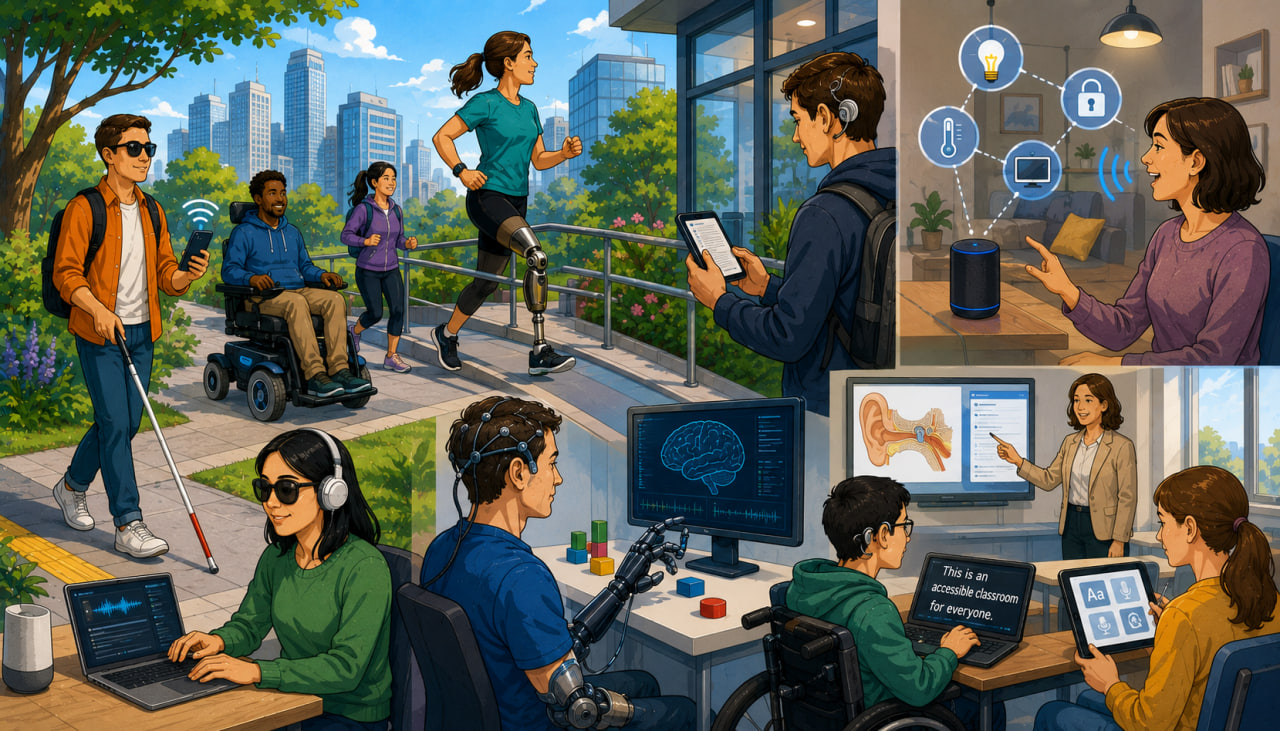
Disability and Modern Technology: How Innovation Is Transforming Accessibility and Independence

Technology has always shaped human society, but for people with disabilities, technological progress can be far more than a matter of convenience. Modern innovations are helping millions of individuals overcome barriers related to mobility, communication, education, employment, and everyday life. What once required assistance from others can increasingly be achieved independently through advanced devices, software, and intelligent systems.

Aging as a Program: The Theory of Programmed Death
Medical Innovations Bioethics & Science Human Biology

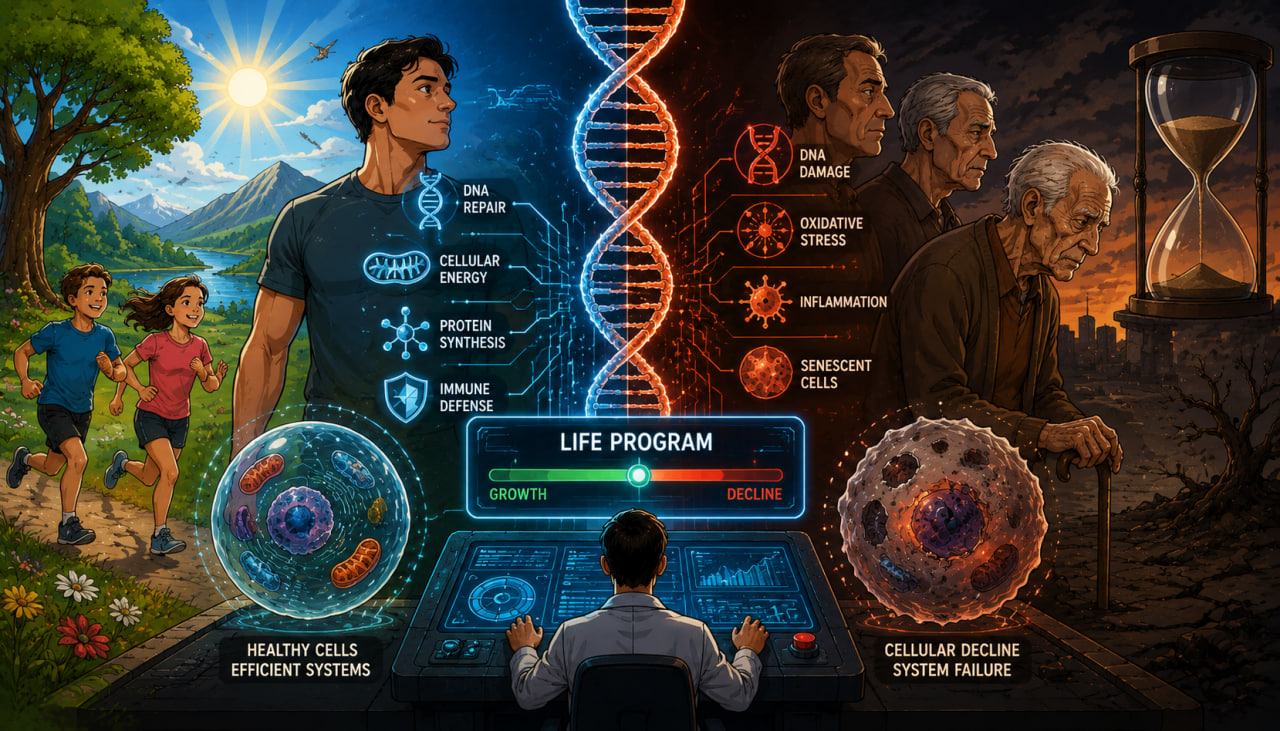
Aging as a Program: The Theory of Programmed Death

Why do living organisms age? It is one of the oldest and most fascinating questions in biology. For decades, scientists assumed that aging was simply the result of accumulated damage. Cells are constantly exposed to radiation, toxins, metabolic byproducts, and errors during DNA replication. Over time, this damage builds up, leading to the gradual decline we recognize as aging. However, not all researchers agree that aging is merely a passive process. Some scientists have proposed a far more provocative idea: what if aging is, at least in part, programmed into our biology? This concept is known as the programmed aging theory or, more dramatically, the theory of programmed death. According to this hypothesis, aging may not simply happen to organisms—it may be influenced by biological mechanisms that evolved over millions of years. While controversial, the theory continues to spark debate among biologists, geneticists, and longevity researchers.