Human Biology

Bioelectricity: How Cells Communicate Using Ions
Smart & Healthy Bioethics & Science Human Biology

Bioelectricity: How Cells Communicate Using Ions

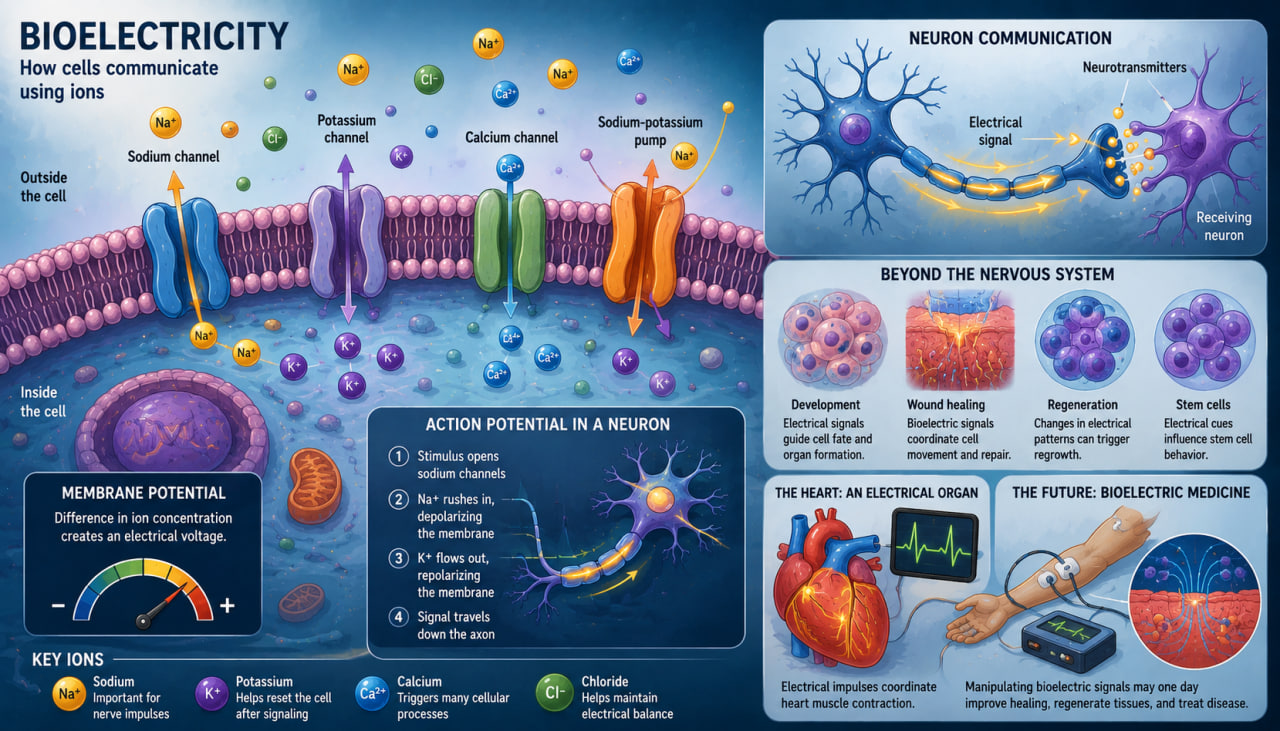
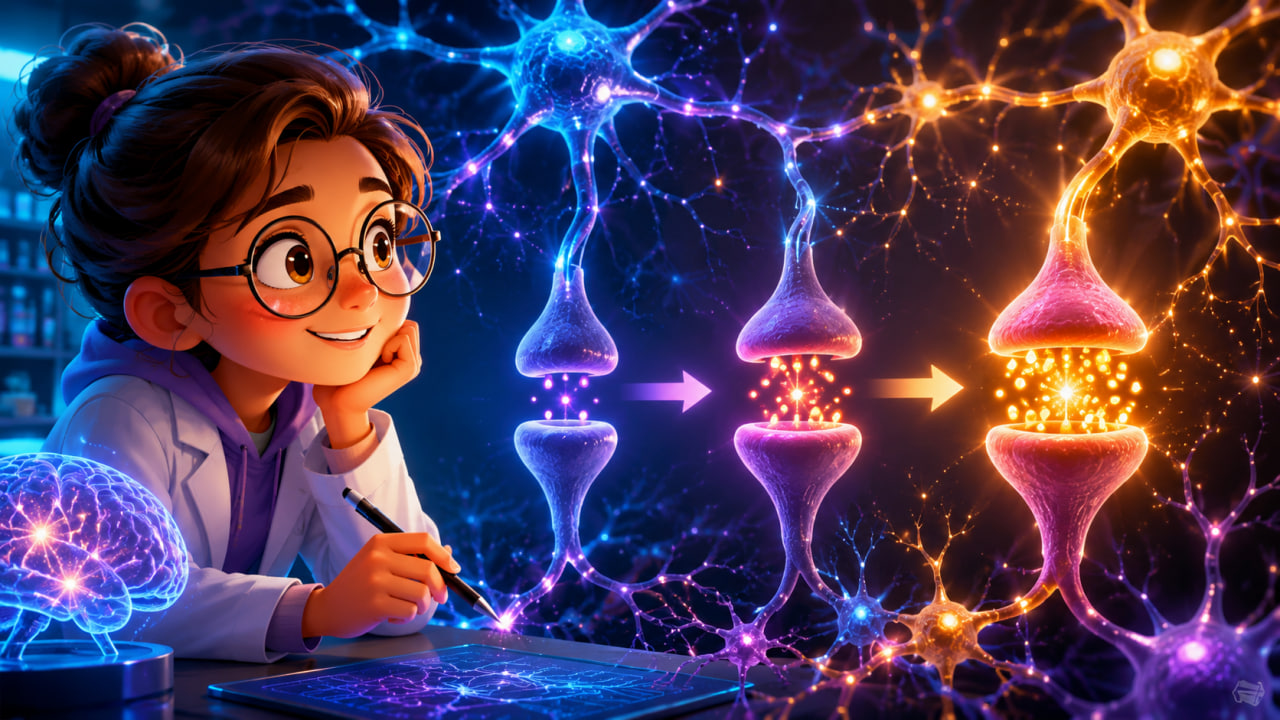
Every thought, heartbeat, muscle movement, and sensation depends on a hidden electrical language operating within the body. While most people associate electricity with wires, batteries, and electronic devices, living organisms also rely on electrical signals. In fact, bioelectricity is one of the most fundamental mechanisms that allows complex life to exist. At the cellular level, communication often occurs through the movement of charged particles called ions. These tiny particles create electrical gradients and signals that allow cells to exchange information, coordinate behavior, and regulate vital biological processes. Modern research has revealed that bioelectricity influences not only the nervous system but also development, wound healing, regeneration, and even the formation of organs. Scientists are increasingly discovering that life is, in many ways, an electrical phenomenon.

Aging as a Program: The Theory of Programmed Death
Medical Innovations Bioethics & Science Human Biology

Aging as a Program: The Theory of Programmed Death

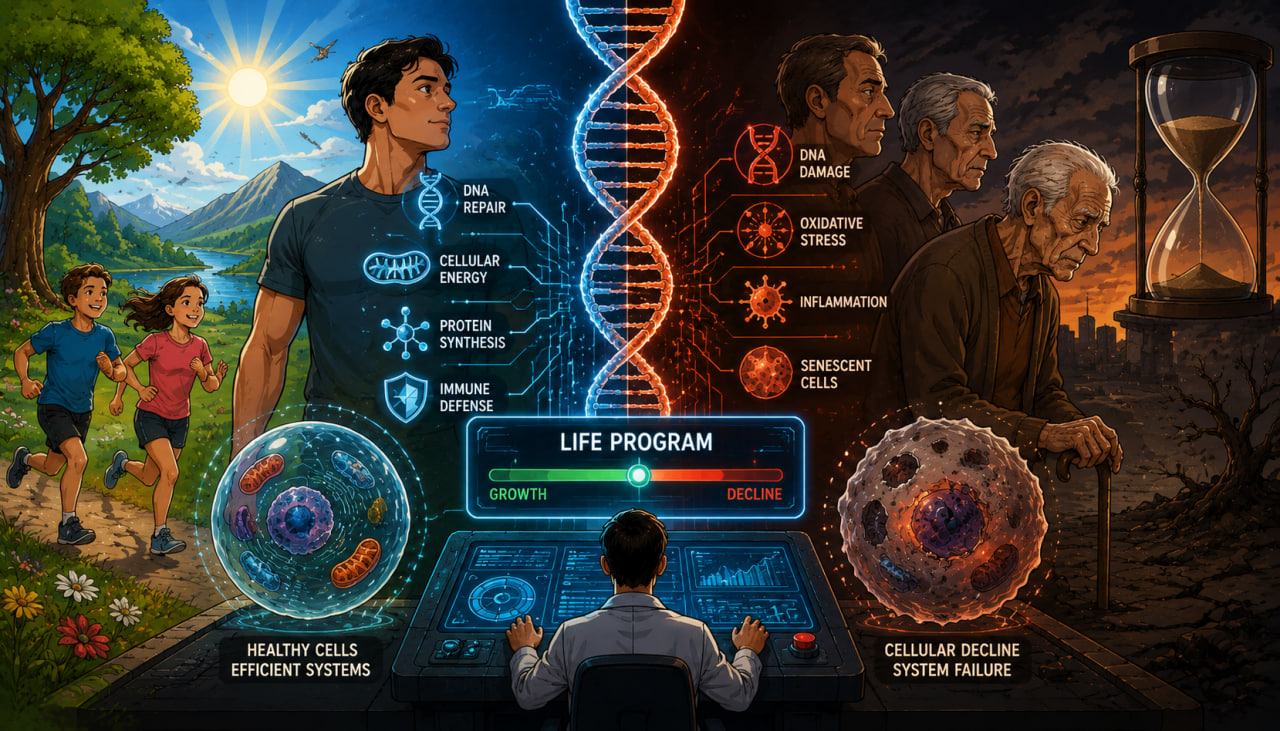
Why do living organisms age? It is one of the oldest and most fascinating questions in biology. For decades, scientists assumed that aging was simply the result of accumulated damage. Cells are constantly exposed to radiation, toxins, metabolic byproducts, and errors during DNA replication. Over time, this damage builds up, leading to the gradual decline we recognize as aging. However, not all researchers agree that aging is merely a passive process. Some scientists have proposed a far more provocative idea: what if aging is, at least in part, programmed into our biology? This concept is known as the programmed aging theory or, more dramatically, the theory of programmed death. According to this hypothesis, aging may not simply happen to organisms—it may be influenced by biological mechanisms that evolved over millions of years. While controversial, the theory continues to spark debate among biologists, geneticists, and longevity researchers.

Obesity: Why It Is Dangerous and How to Break Free
Bioethics & Science Human Biology Danger

Obesity: Why It Is Dangerous and How to Break Free

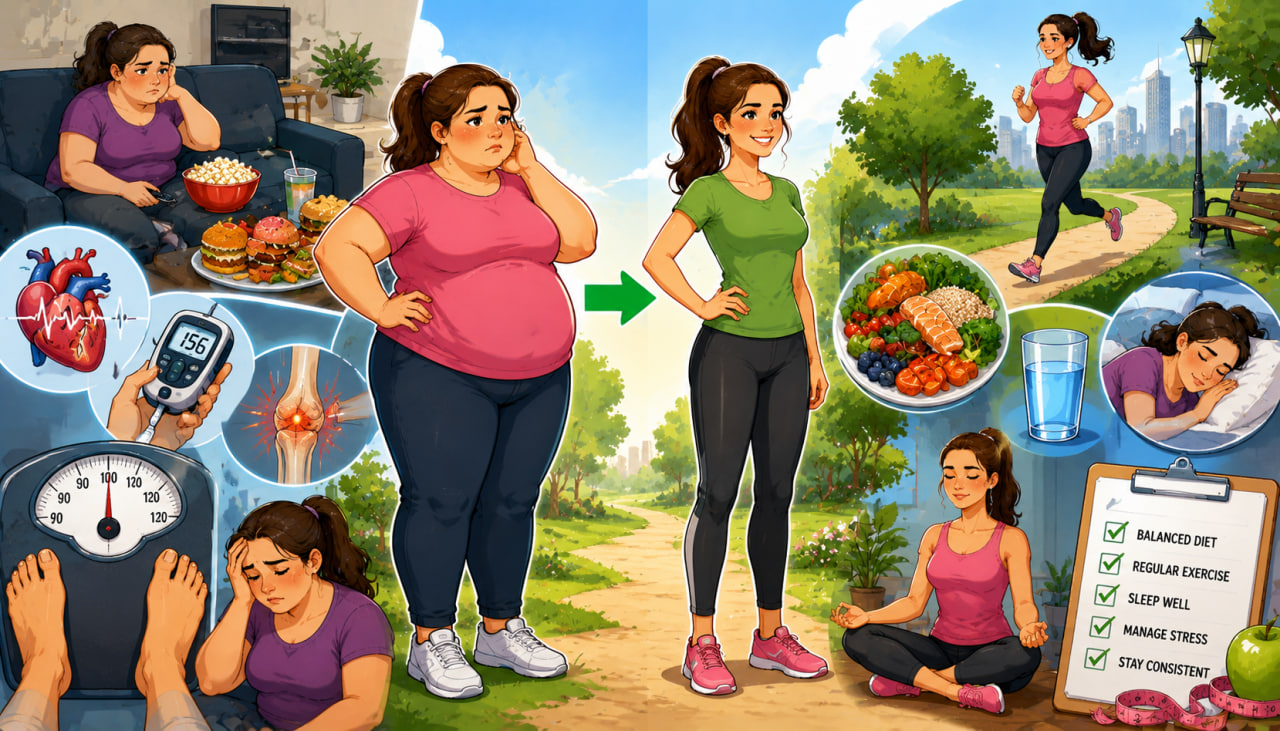
Obesity is one of the most significant public health challenges of the 21st century. According to global health organizations, hundreds of millions of adults worldwide are living with obesity, and the numbers continue to rise. While obesity is often discussed in terms of appearance, its true importance lies in its effects on health, quality of life, and long-term disease risk. Obesity is not simply a matter of willpower or personal choice. It is a complex medical condition influenced by genetics, environment, lifestyle, psychology, hormones, and metabolism. Understanding why obesity develops and how it can be managed is essential for anyone seeking better health. The encouraging news is that even modest, sustainable weight loss can produce significant health benefits.

The Krebs Cycle: The Cellular Power Plant That Keeps You Alive
Smart & Healthy Bioethics & Science Human Biology

The Krebs Cycle: The Cellular Power Plant That Keeps You Alive

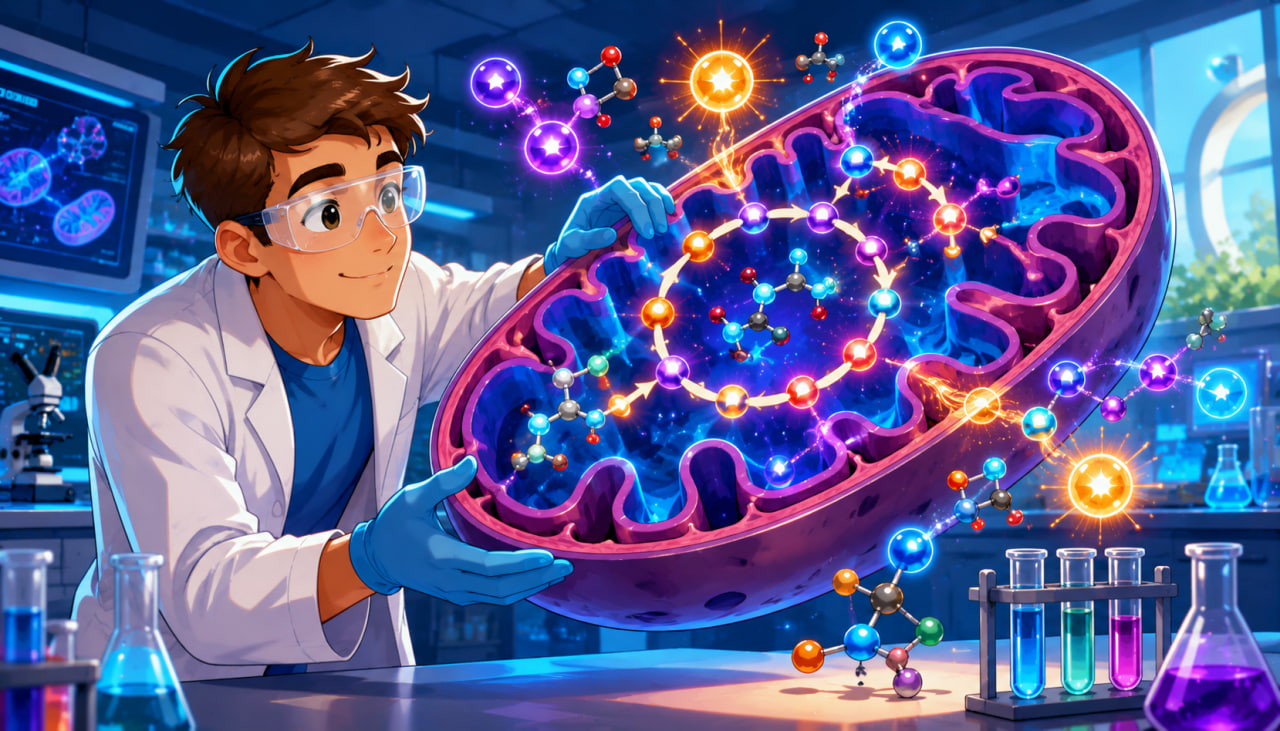
Every second of every day, trillions of cells in your body require energy to perform essential tasks. Muscles contract, neurons transmit signals, organs function, and cells repair themselves—all powered by a remarkable biochemical process occurring deep within microscopic structures called mitochondria. At the heart of this energy-production system lies the Krebs Cycle, also known as the Citric Acid Cycle or Tricarboxylic Acid (TCA) Cycle. This metabolic pathway is one of the most important processes in biology because it helps convert nutrients from food into usable cellular energy. Without the Krebs Cycle, complex life as we know it would not exist. Every animal, plant, fungus, and many microorganisms rely on this process to extract energy from carbohydrates, fats, and proteins. Understanding the Krebs Cycle reveals how the body transforms a meal into the energy needed to think, move, grow, and survive.

Pregnancy: What Every Mother Should Know
Smart & Healthy Bioethics & Science Human Biology

Pregnancy: What Every Mother Should Know

Pregnancy is one of the most remarkable biological processes in nature. Over approximately forty weeks, a single fertilized cell develops into a fully formed baby with a functioning brain, heart, lungs, and complex organ systems. At the same time, the mother's body undergoes extraordinary physical and hormonal changes to support this development. For many women, pregnancy is both exciting and overwhelming. New experiences, medical information, and lifestyle adjustments can raise countless questions. Understanding the basics of pregnancy can help expectant mothers make informed decisions, support their health, and prepare for the arrival of their child. While every pregnancy is unique, several principles apply broadly and can help create the healthiest possible environment for both mother and baby.