Your skin is home to an extraordinary invisible world. Billions of bacteria, fungi, viruses, and other microorganisms live on its surface, forming a complex ecosystem known as the skin microbiome.
Wisdom teeth are the last permanent teeth to develop in the mouth. For some people, they erupt normally and never cause trouble. For others, they remain trapped beneath the gums, grow at awkward angles, or create repeated infections and pain.
The menstrual cycle is a natural biological process controlled by hormones and closely connected to reproductive health. It prepares the body for a possible pregnancy, but it can also influence energy, mood, appetite, sleep, skin, body temperature, and physical performance.
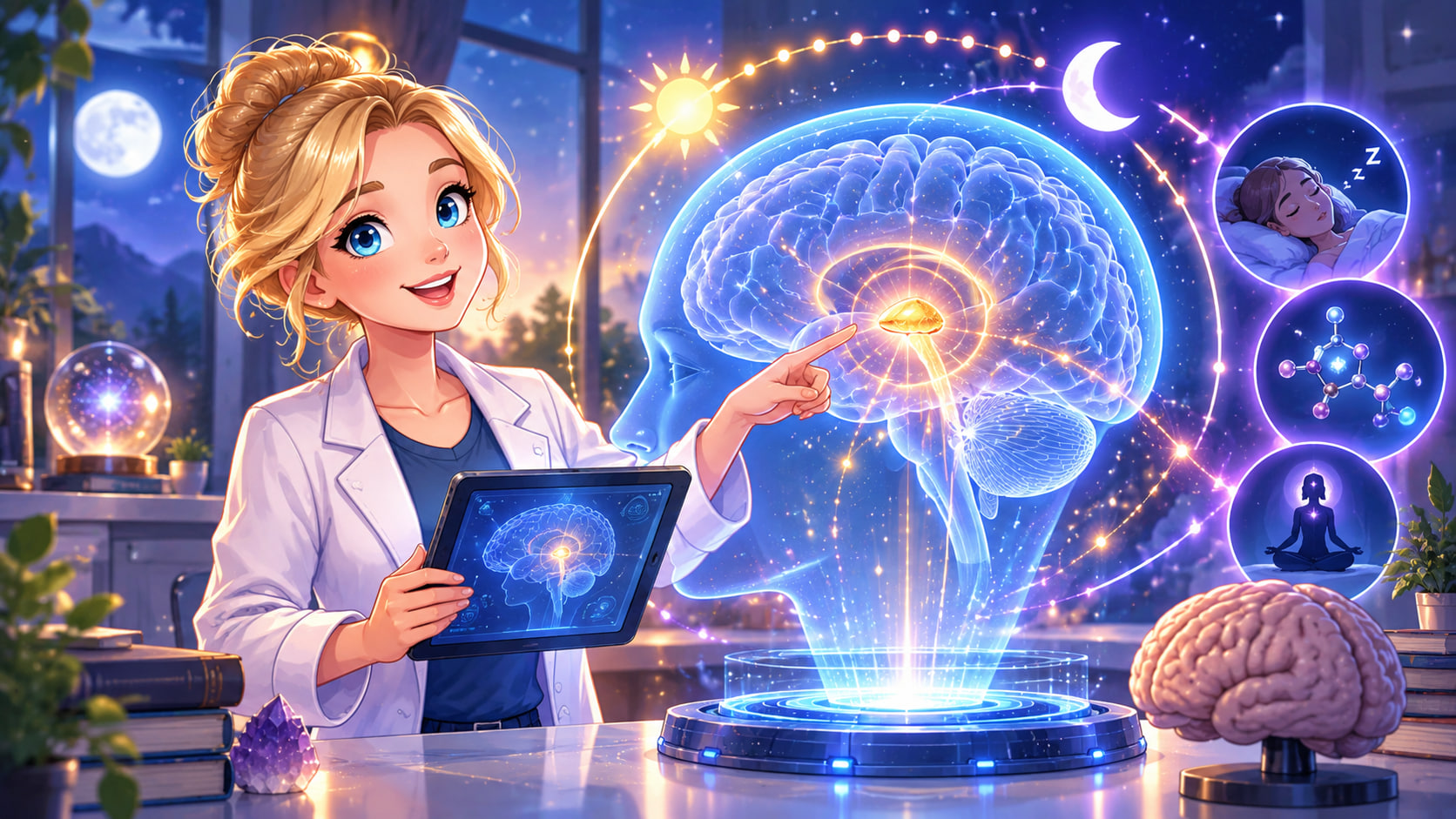
Deep inside the human brain lies a tiny endocrine organ known as the pineal gland, or epiphysis. It is only a few millimeters long, yet it plays an important role in regulating sleep, circadian rhythms, seasonal biological changes, and hormone timing.
Healthy hair is often associated with expensive shampoos, masks, supplements, and complicated beauty routines. Yet dermatologists usually take a much simpler approach.
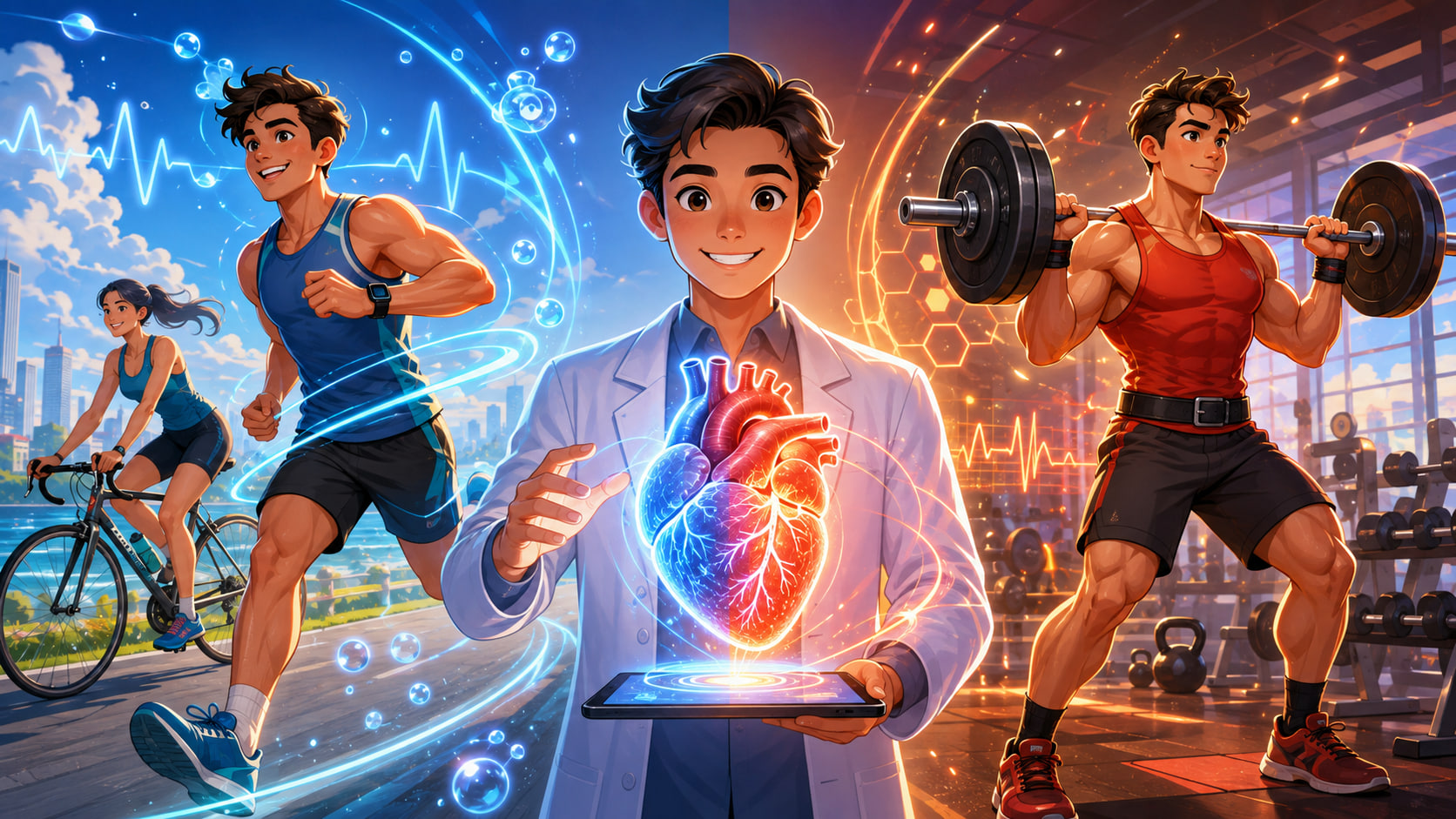
Endurance exercise such as running, cycling, swimming, and brisk walking places long-lasting demands on the cardiovascular system. Strength training, including weightlifting and resistance exercises, creates shorter but more intense increases in pressure and muscular force.
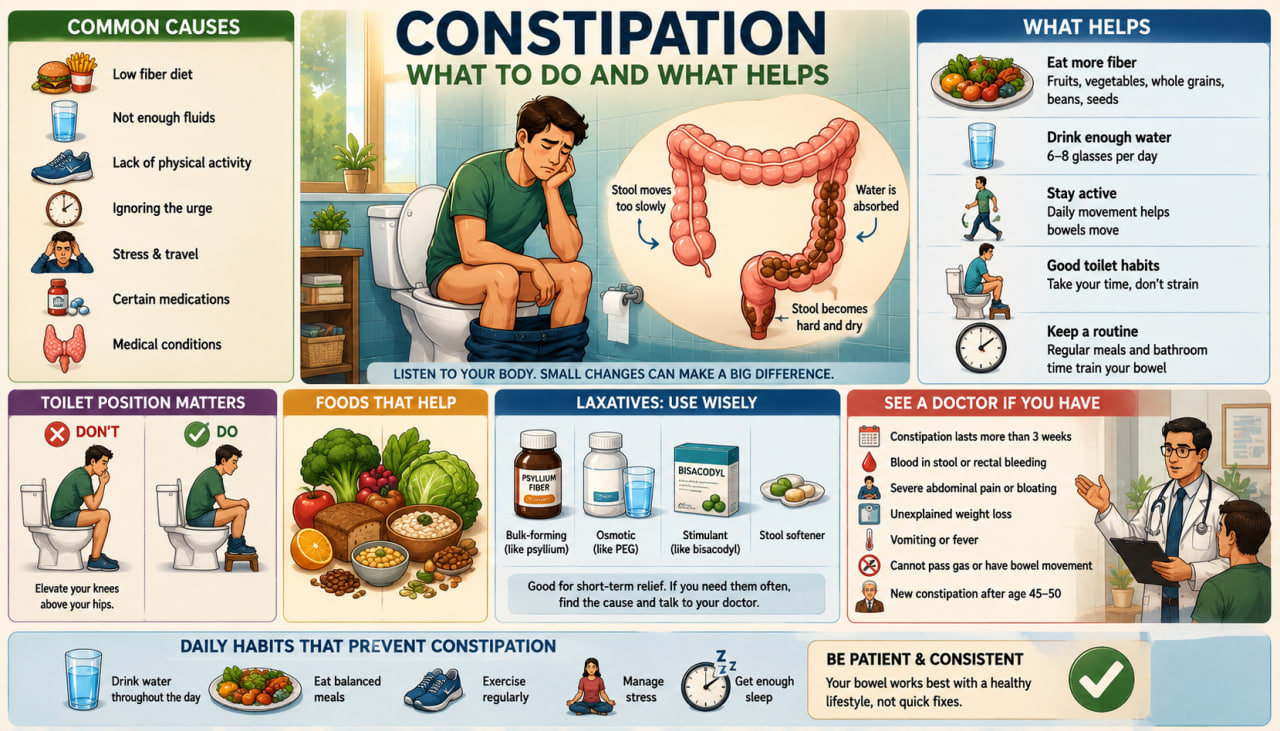
Constipation is one of the most common digestive problems, but it is also one of the most misunderstood. Many people think constipation only means “not going every day.” In reality, normal bowel frequency varies. Some healthy people go three times a day, while others go only a few times a week. Constipation usually means bowel movements are infrequent, difficult, hard, painful, or incomplete. You may feel bloated, heavy, uncomfortable, or as if you still need to go after using the toilet. Most cases improve with simple changes: more fiber, enough fluids, regular movement, better toilet habits, and sometimes short-term laxatives. But constipation can also be a sign of medication side effects, dehydration, thyroid problems, diabetes, irritable bowel syndrome, bowel obstruction, or rarely colorectal cancer. The goal is not just to “force a bowel movement.” The goal is to understand why constipation is happening and fix the pattern safely.
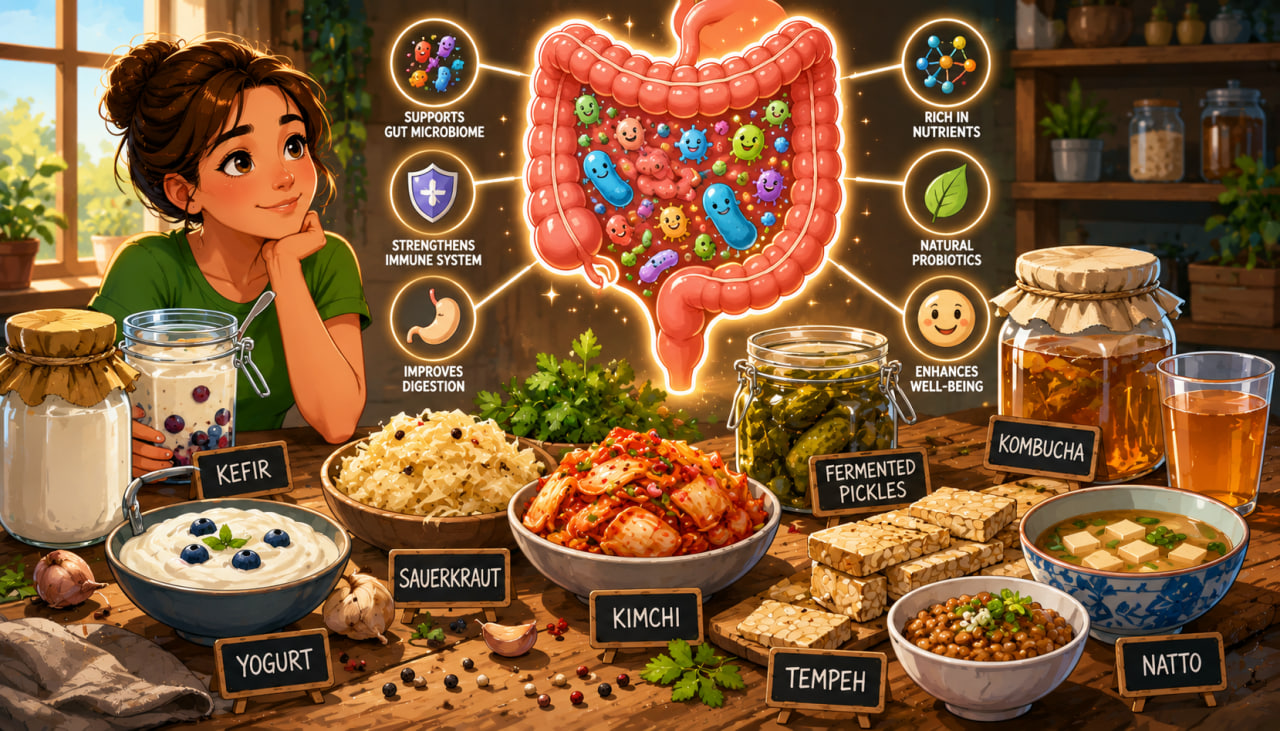
Fermented foods have moved from traditional kitchens into modern nutrition conversations. Yogurt, kefir, sauerkraut, kimchi, miso, tempeh, kombucha, fermented pickles, and sourdough bread are now often discussed as “gut-friendly” foods.
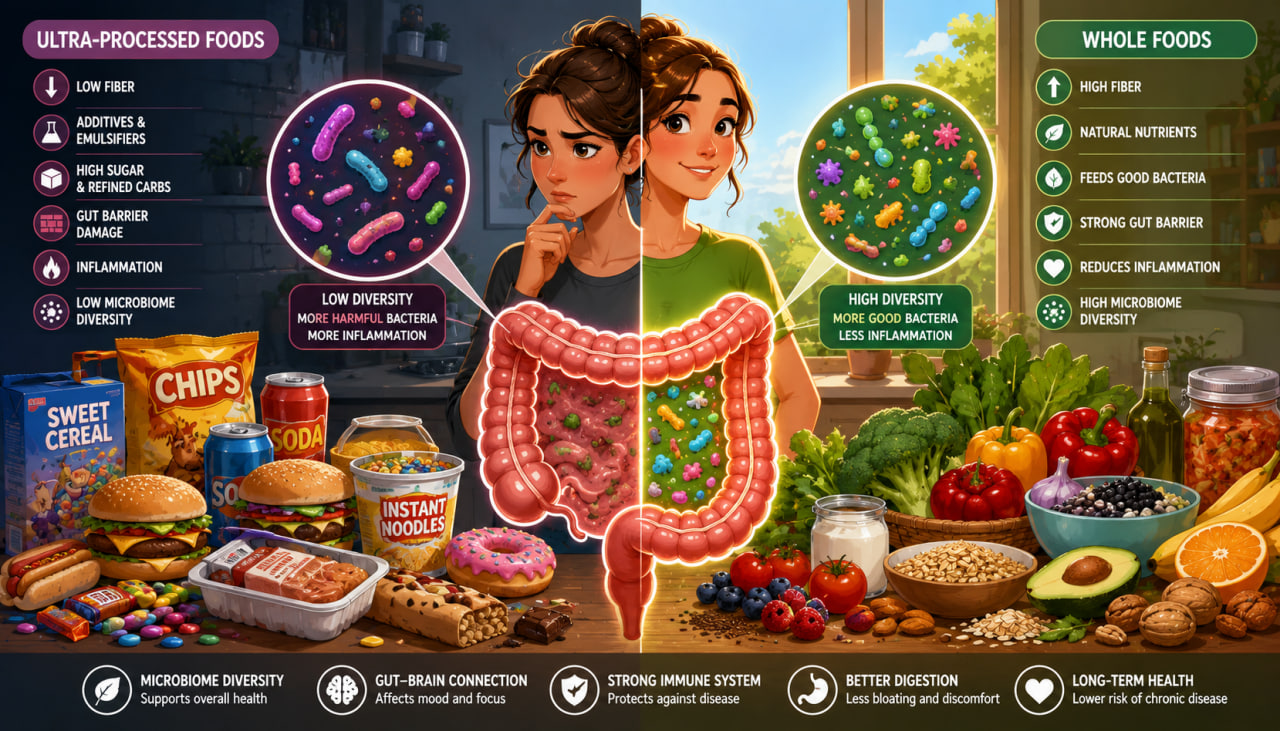
They are convenient, cheap, tasty, and designed to last. But they may also influence one of the most important systems in the body: the gut microbiome.
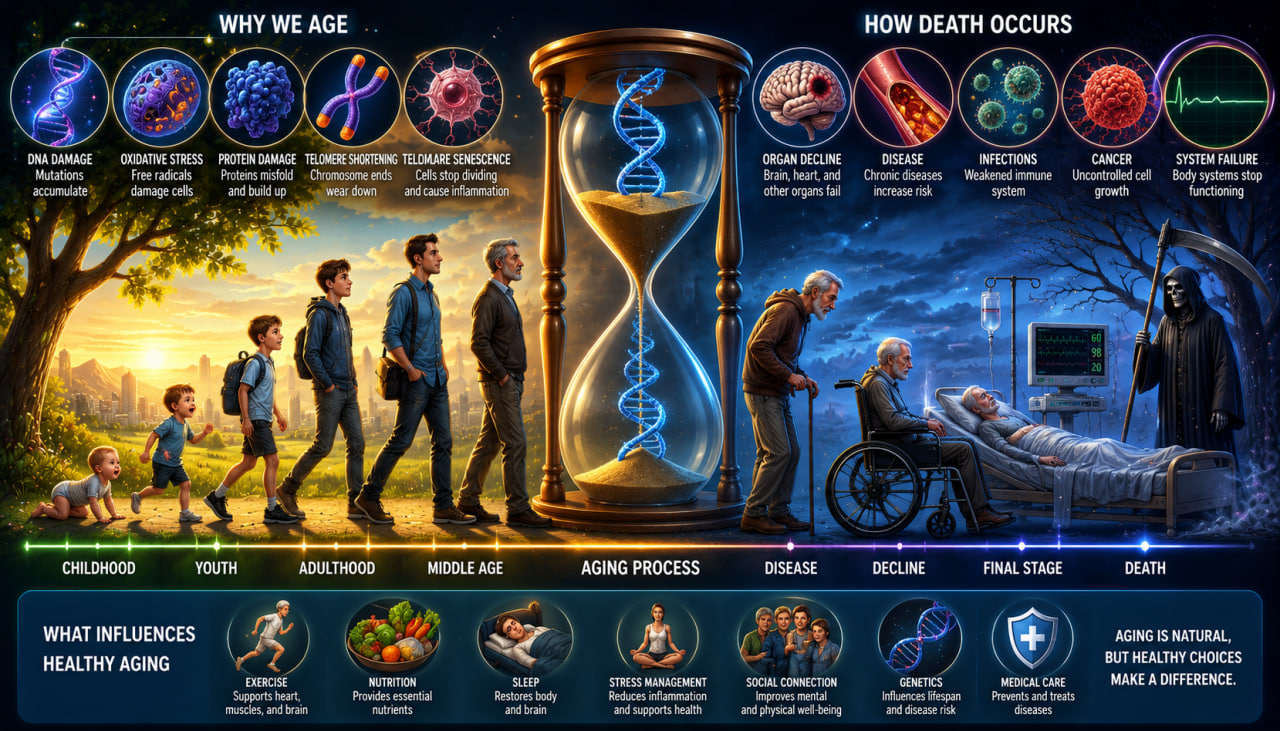
Every living organism faces the same fundamental biological reality: life eventually ends. Humans have long wondered why aging exists at all. If evolution favors survival, why hasn't natural selection eliminated aging and death?