
The Cardiovascular System: How the Body’s Transport Network Sustains Life
The cardiovascular system is one of the most vital biological systems of the human body.
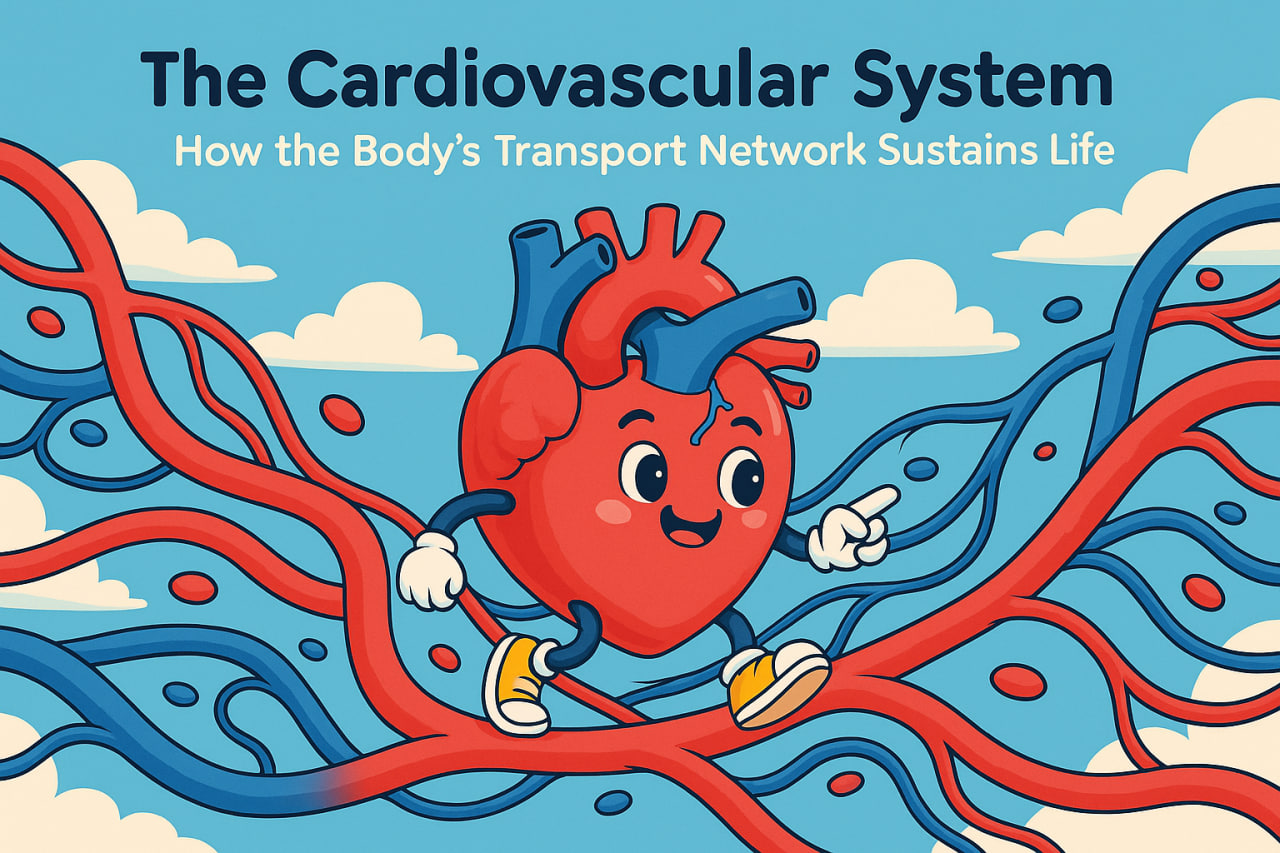
The cardiovascular system is one of the most vital biological systems of the human body.
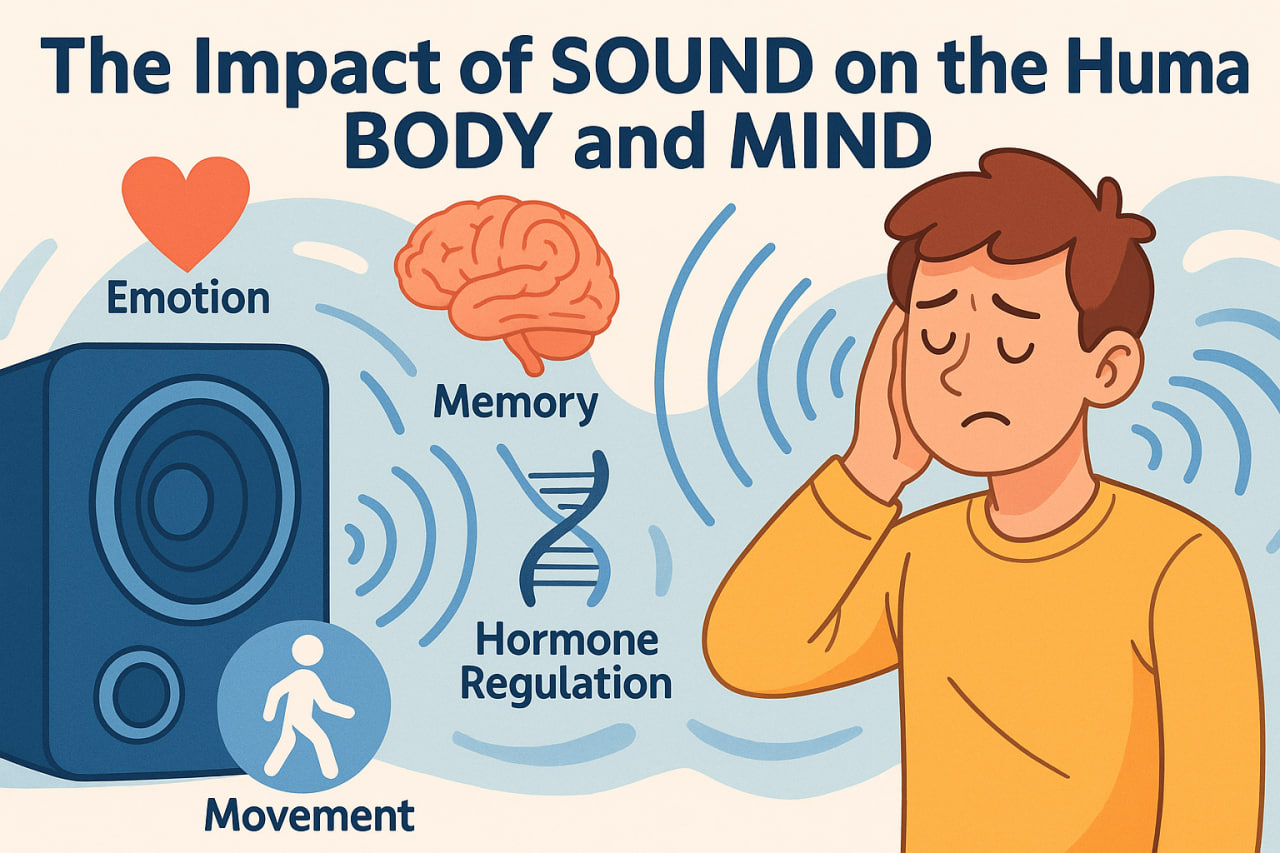
Sound is a powerful physical phenomenon that surrounds us constantly — from the soft rhythm of breathing to the loud noise of urban life.
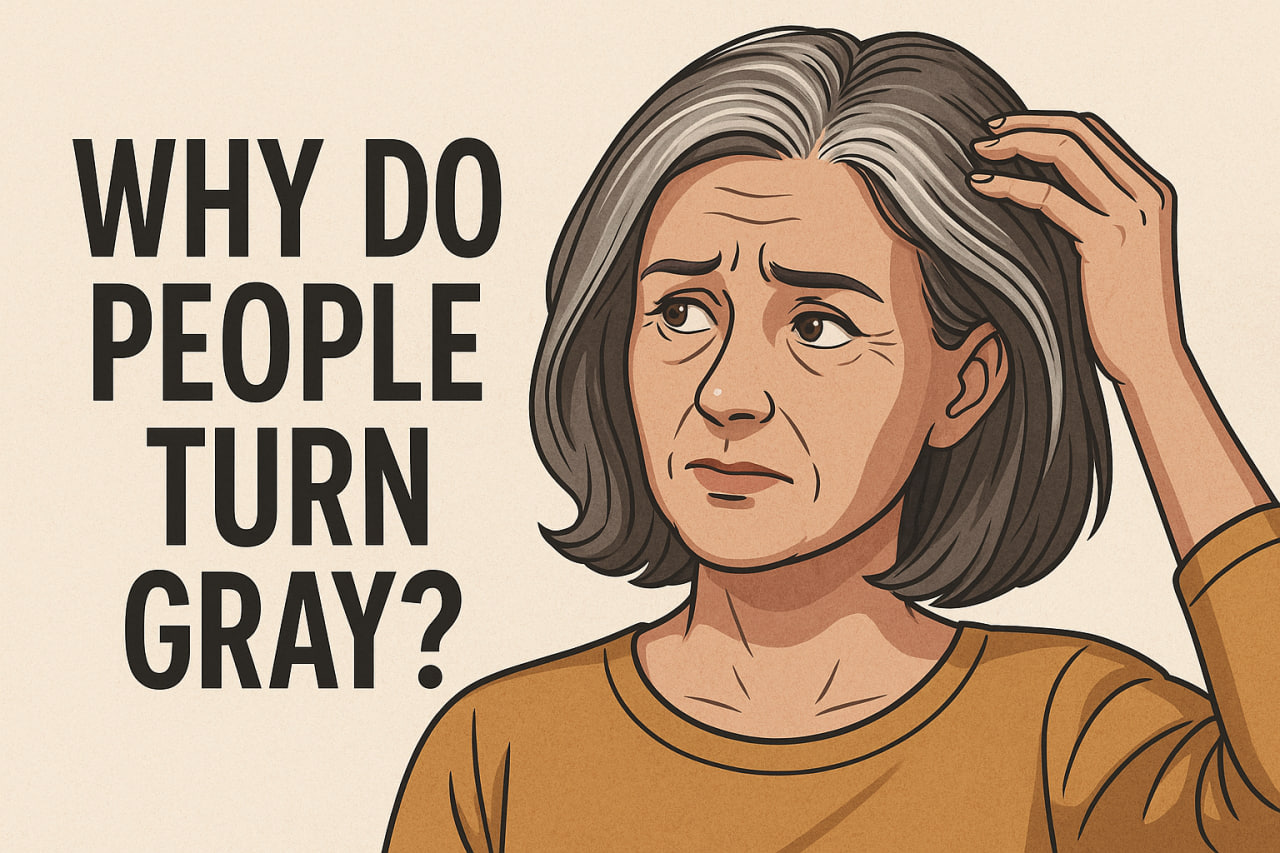
Graying hair is one of the most visible signs of aging, but the biological mechanisms behind it are far more complex than many people realize.

Carrying weight is a normal part of daily life, whether through lifting shopping bags, moving boxes, or wearing backpacks.
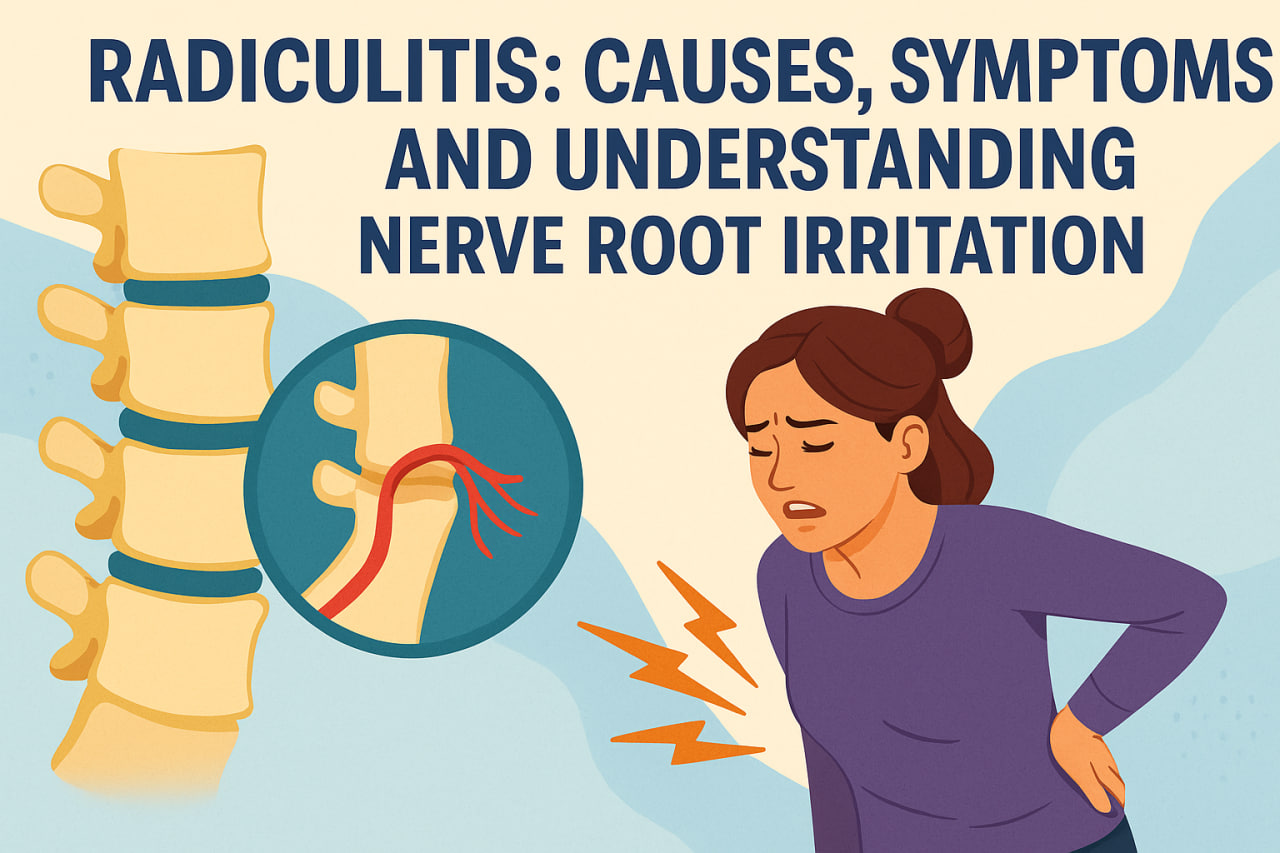
Radiculitis is a condition characterized by inflammation or irritation of a spinal nerve root, often resulting in sharp, radiating pain that travels along the affected nerve’s pathway.
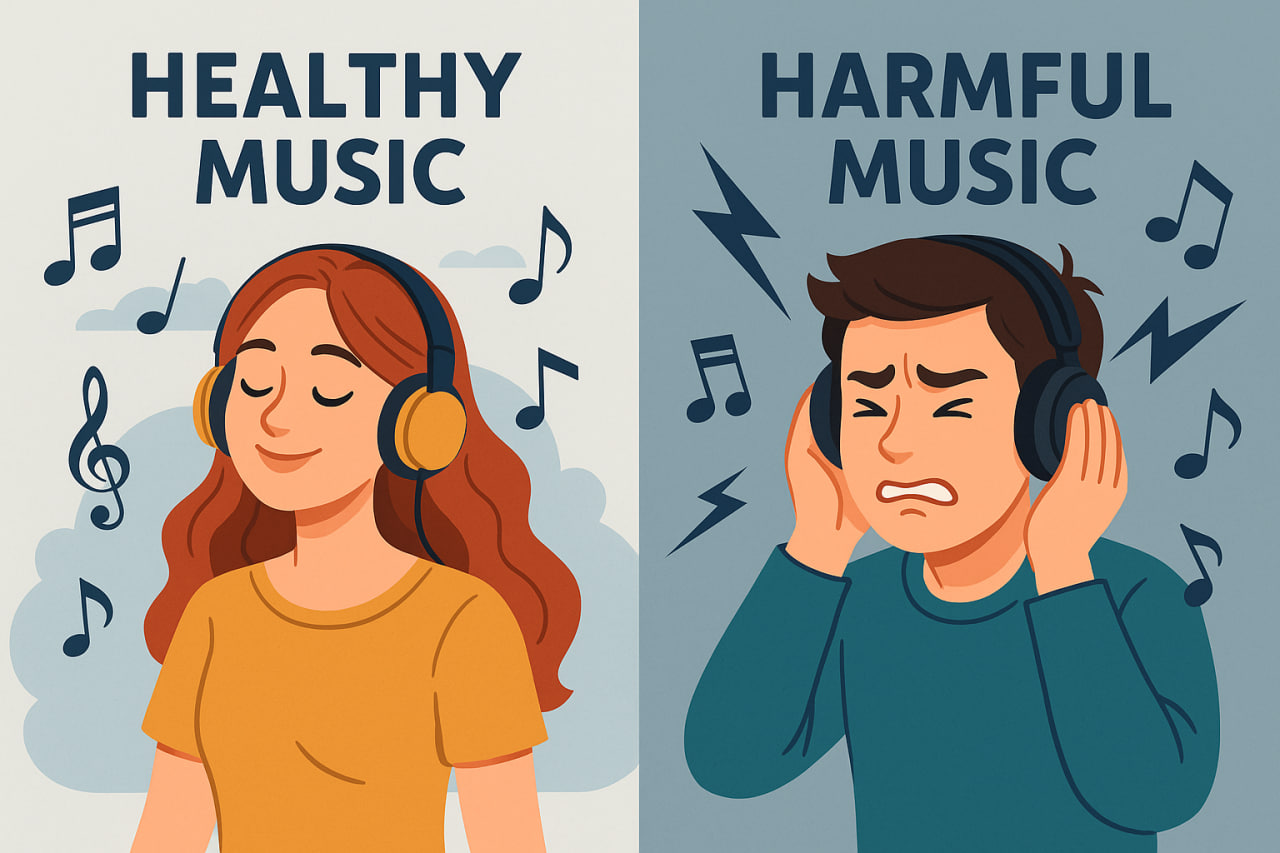
Music affects physical and mental health in many ways, shaping emotions, cognitive performance, stress levels, and even physiological responses.
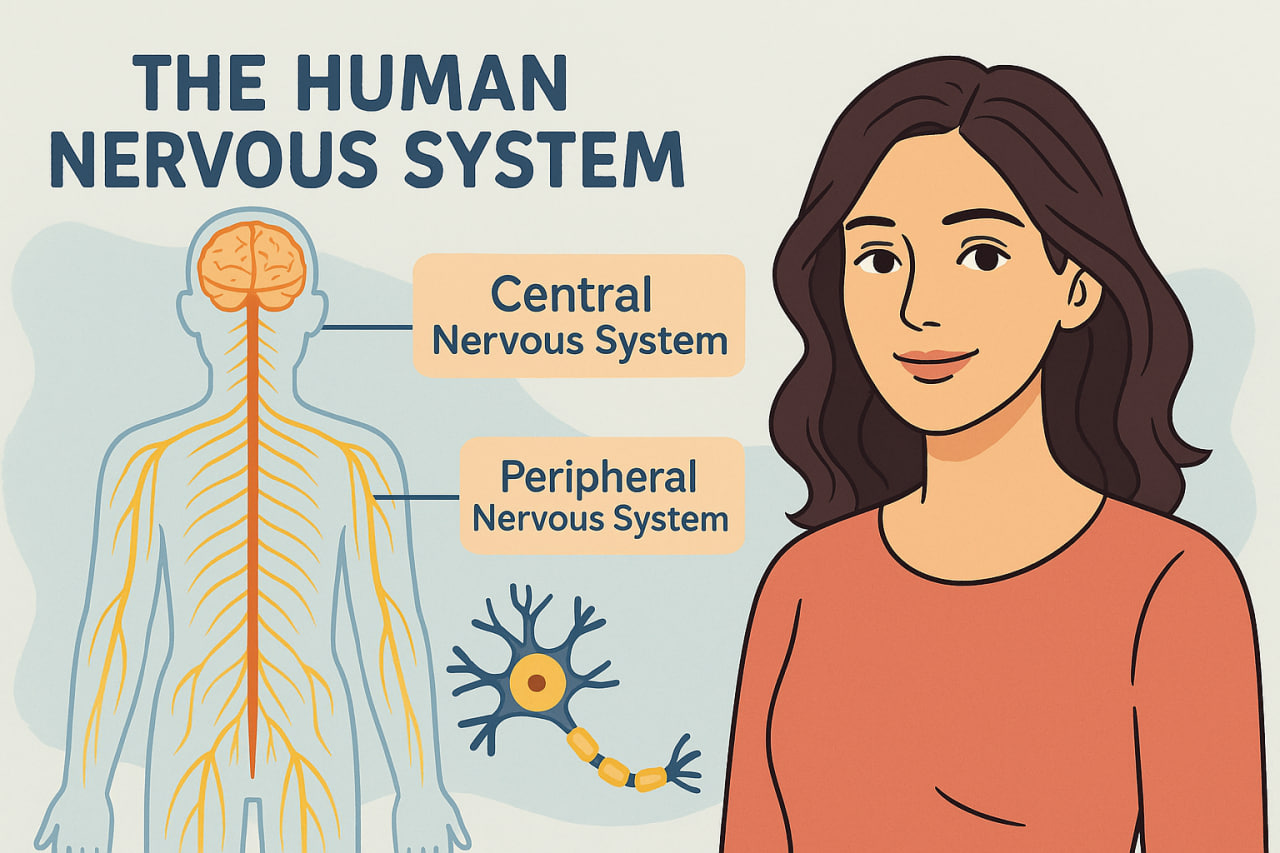
The human nervous system is one of the most complex networks in biology, responsible for processing information, coordinating movement, and regulating essential internal functions.
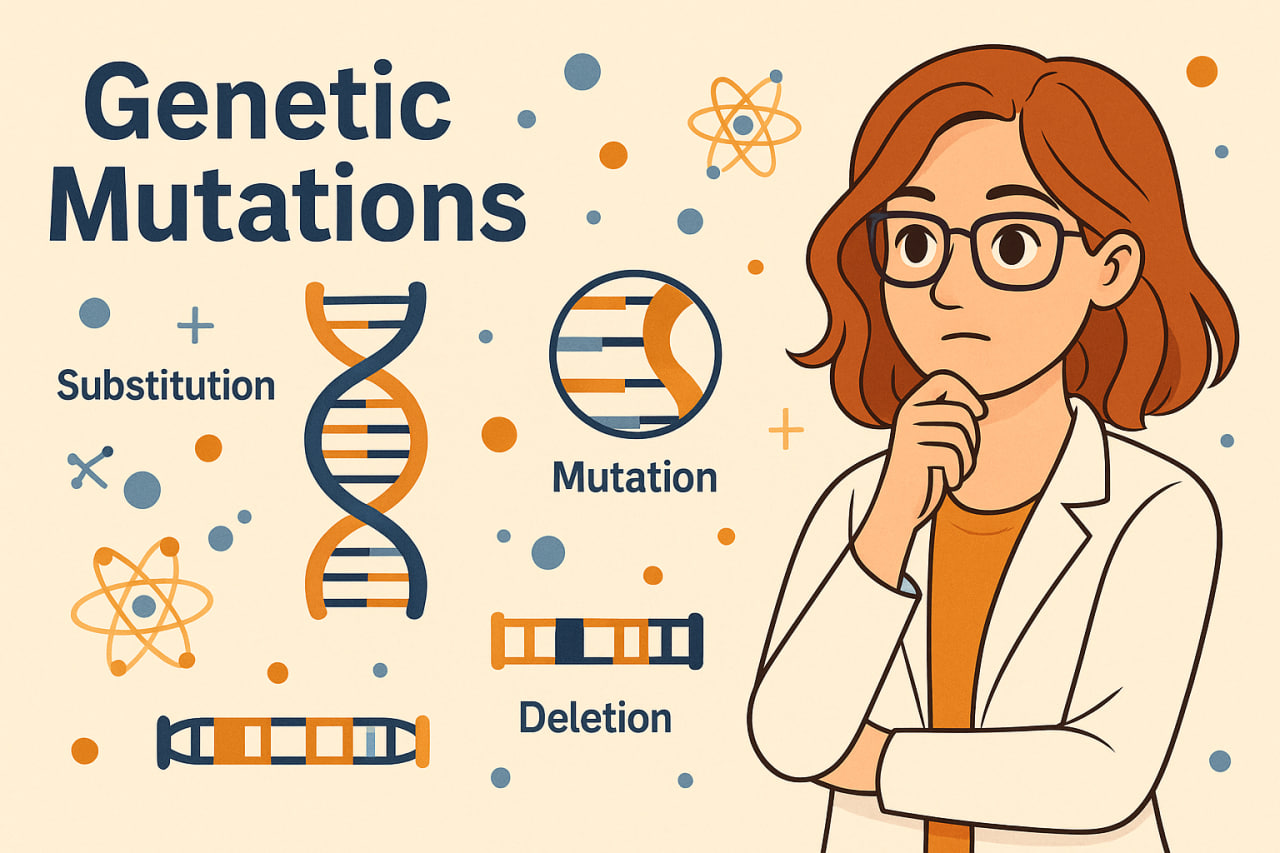
Genetic mutations are changes that occur within the DNA sequence, influencing how living organisms grow, function, and evolve.
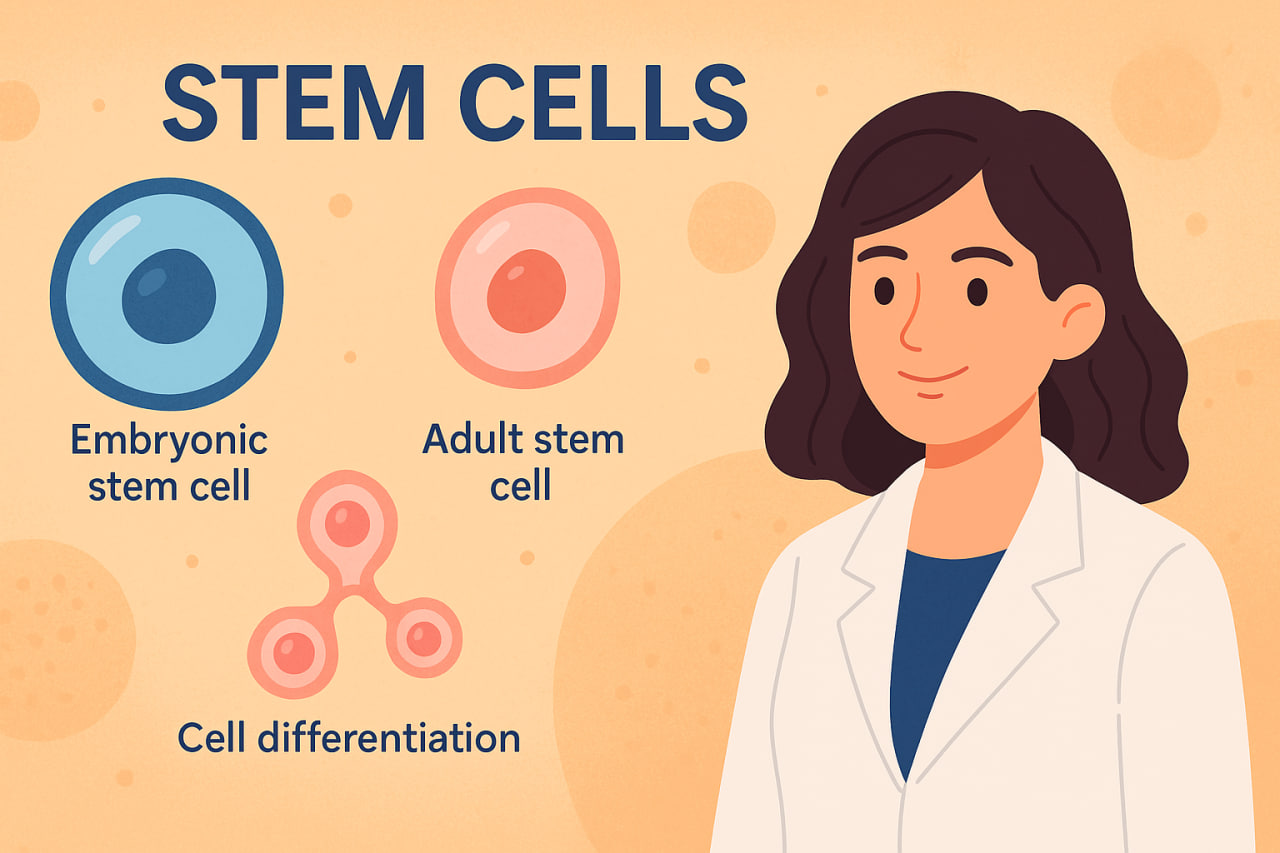
Stem cells are unique biological cells capable of developing into a wide range of specialized cell types, making them one of the most remarkable components of modern biomedical science.
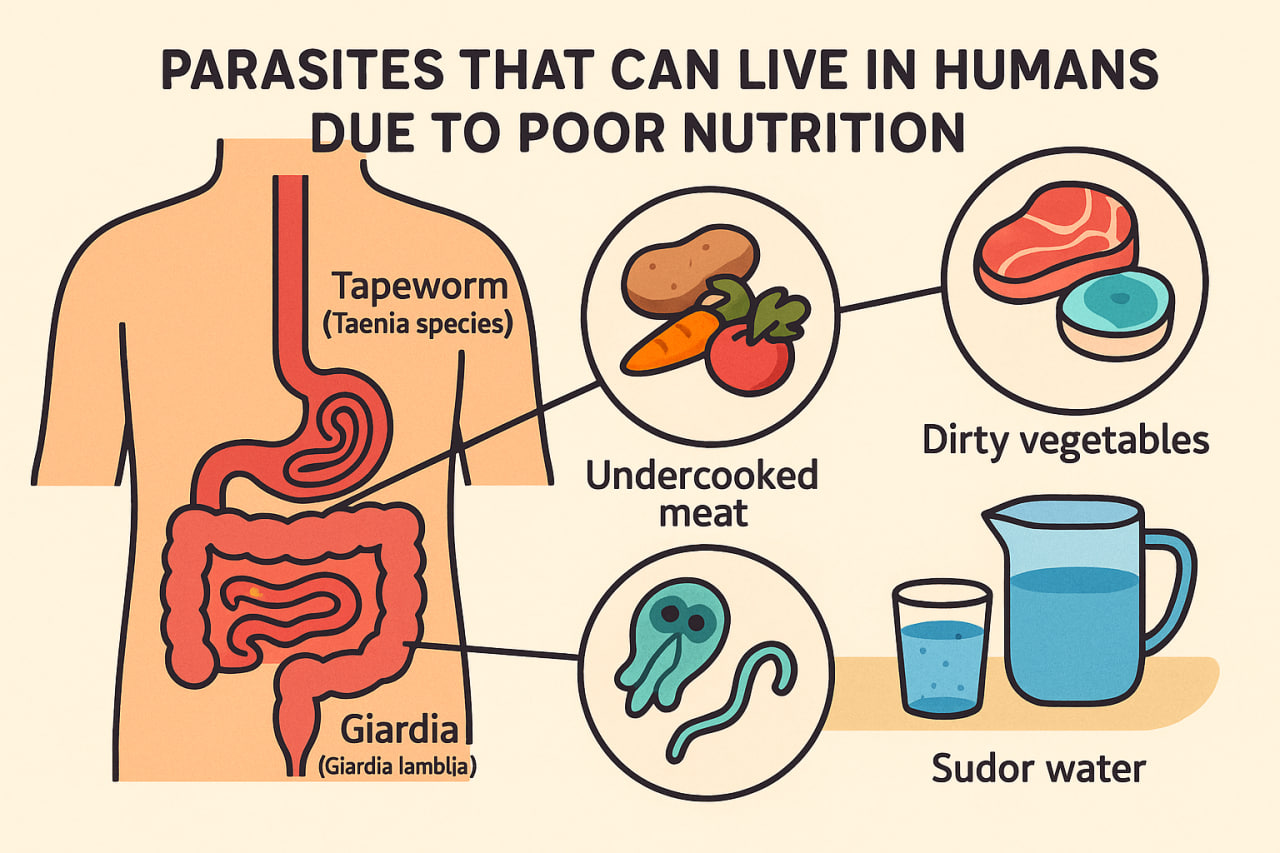
While the human body is a remarkable system of defense, it can become a host to various parasites — organisms that live inside or on us, feeding on our nutrients and sometimes causing serious...