
Probiotics and Prebiotics: What Is the Difference and Why They Matter
Probiotics and prebiotics are often mentioned together, yet they play very different roles in human health.
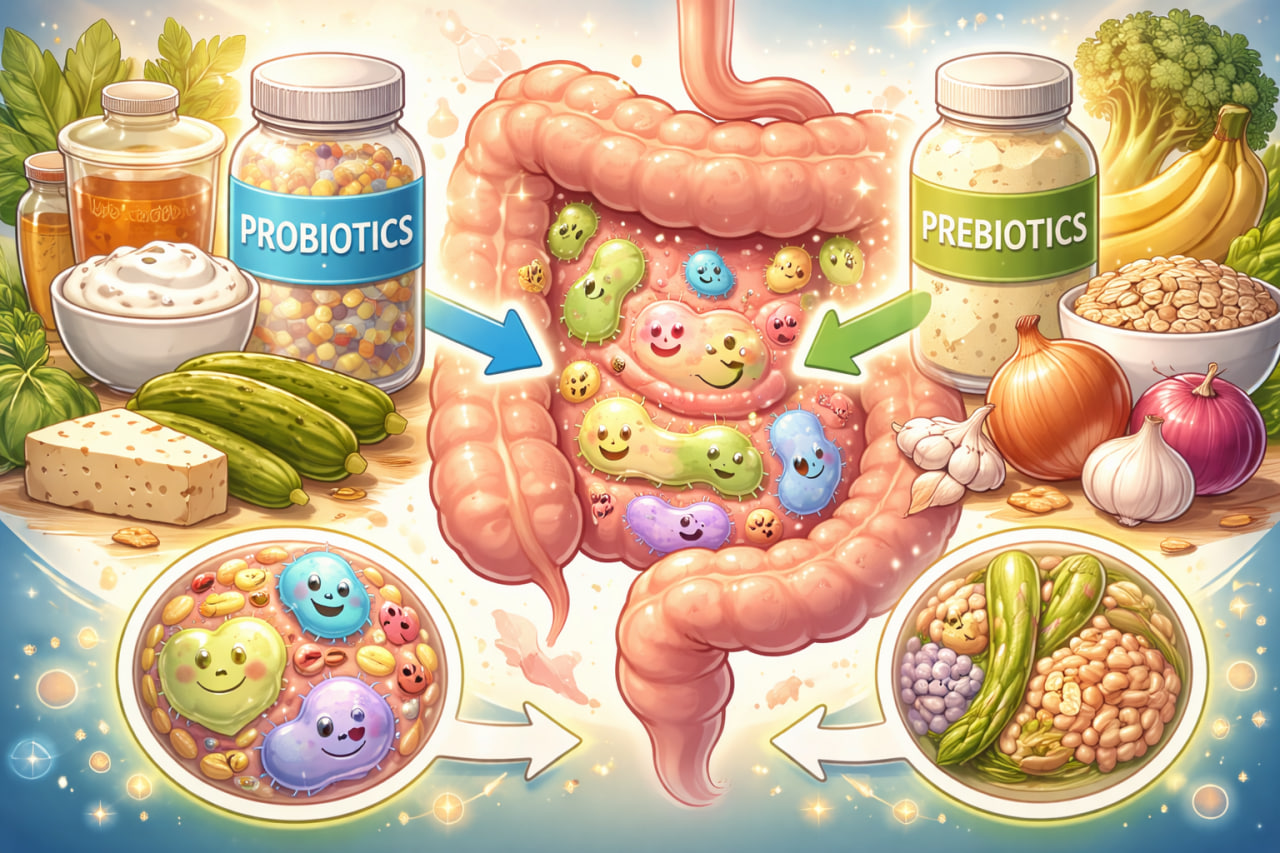
Probiotics and prebiotics are often mentioned together, yet they play very different roles in human health.
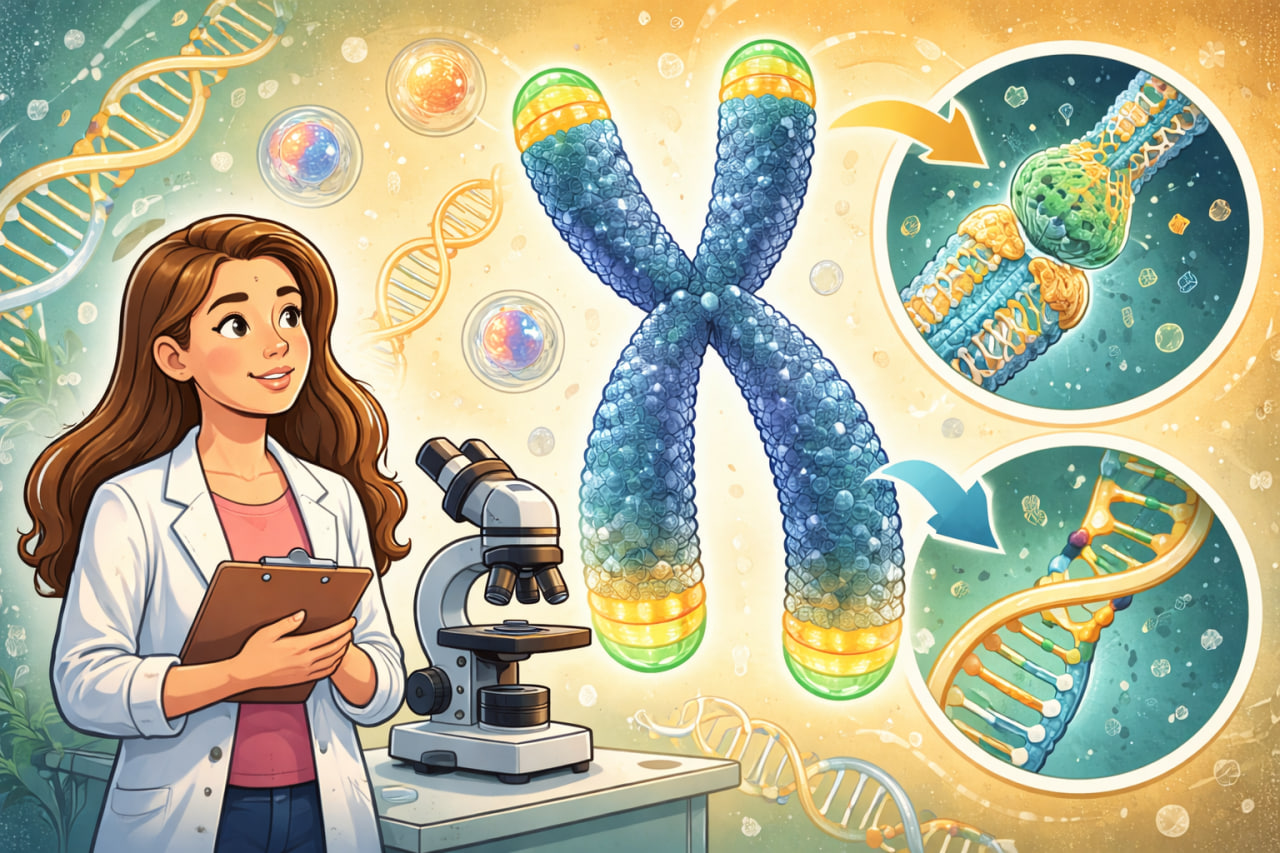
Telomeres and telomerase play a central role in how cells age, divide, and maintain genetic stability over time.
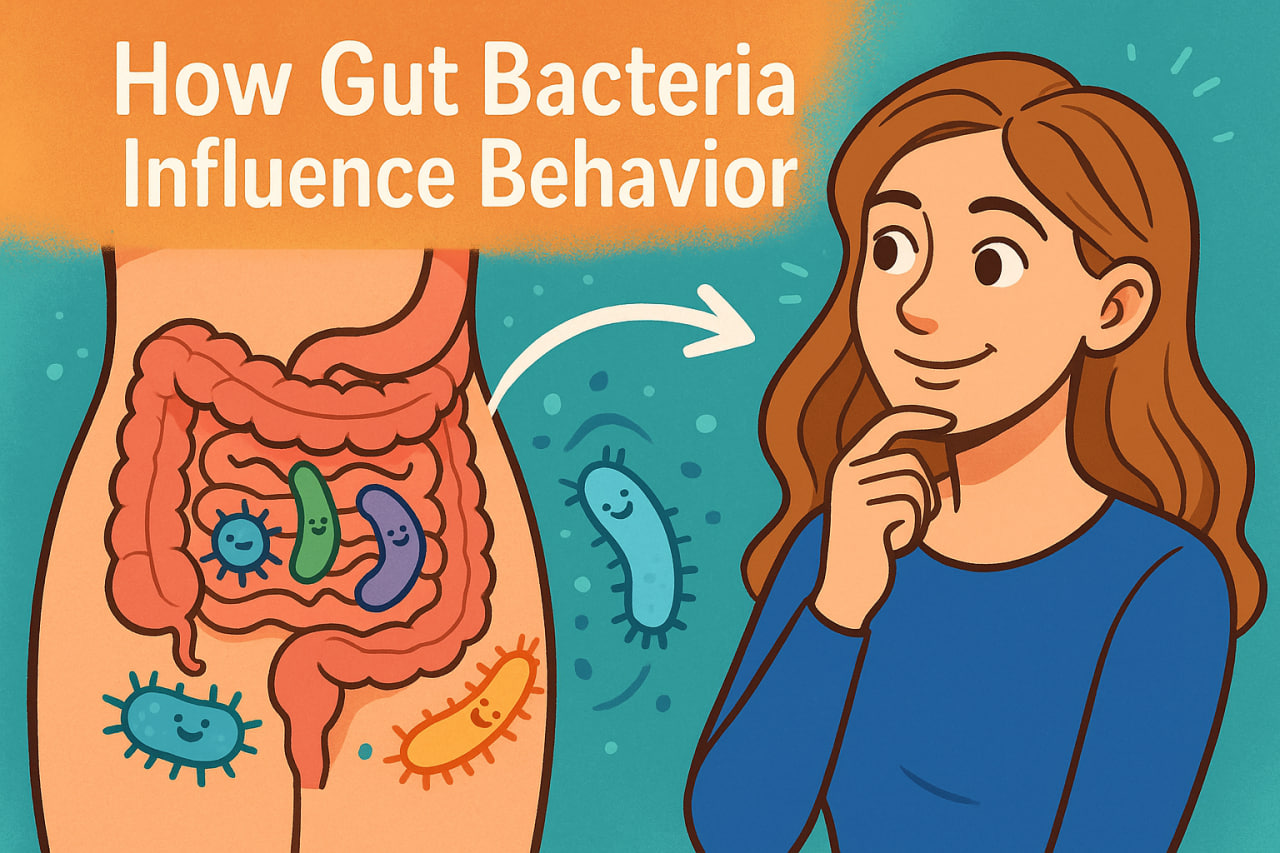
Inside the human body lives a vast and complex ecosystem of microorganisms known as the microbiome, with the largest concentration residing in the gut.
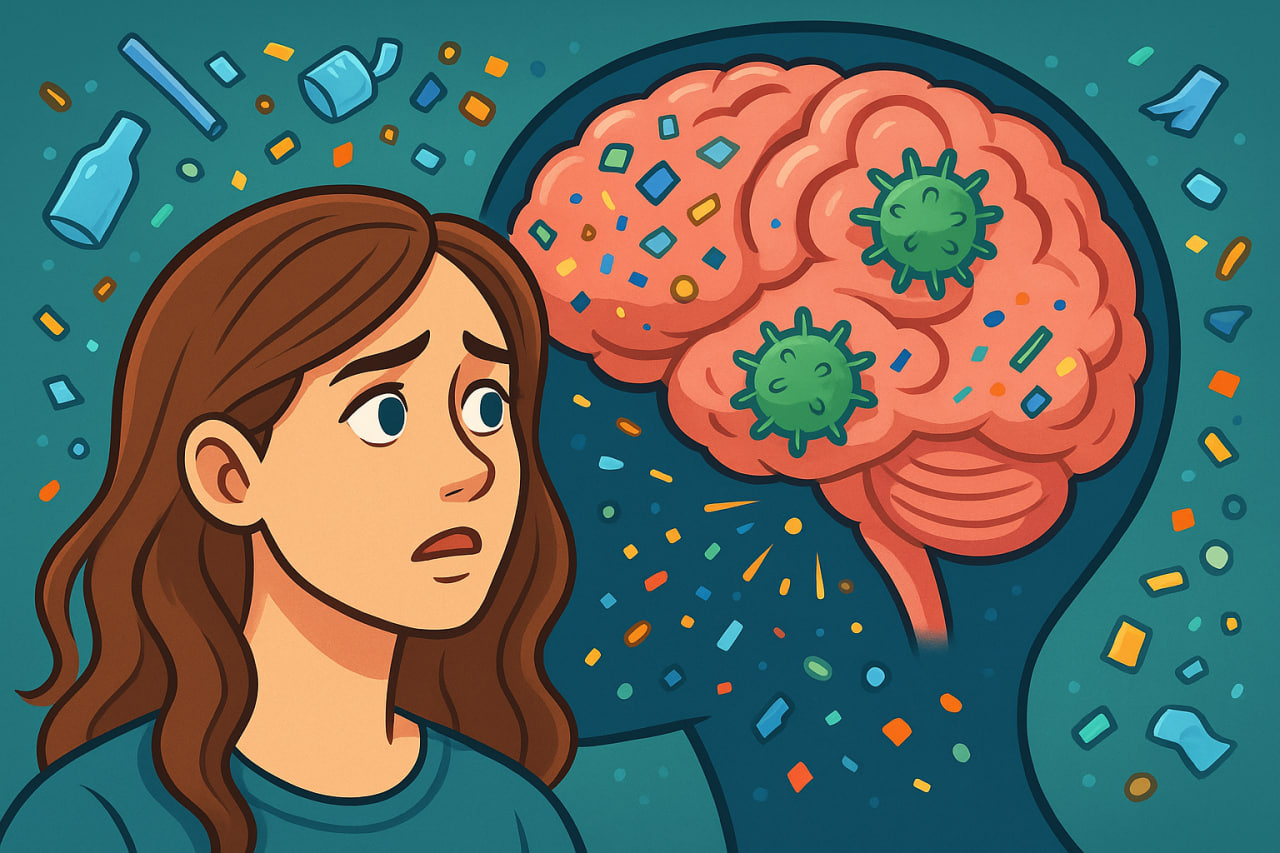
Nano- and microplastics have become one of the most alarming environmental and health concerns of the 21st century.
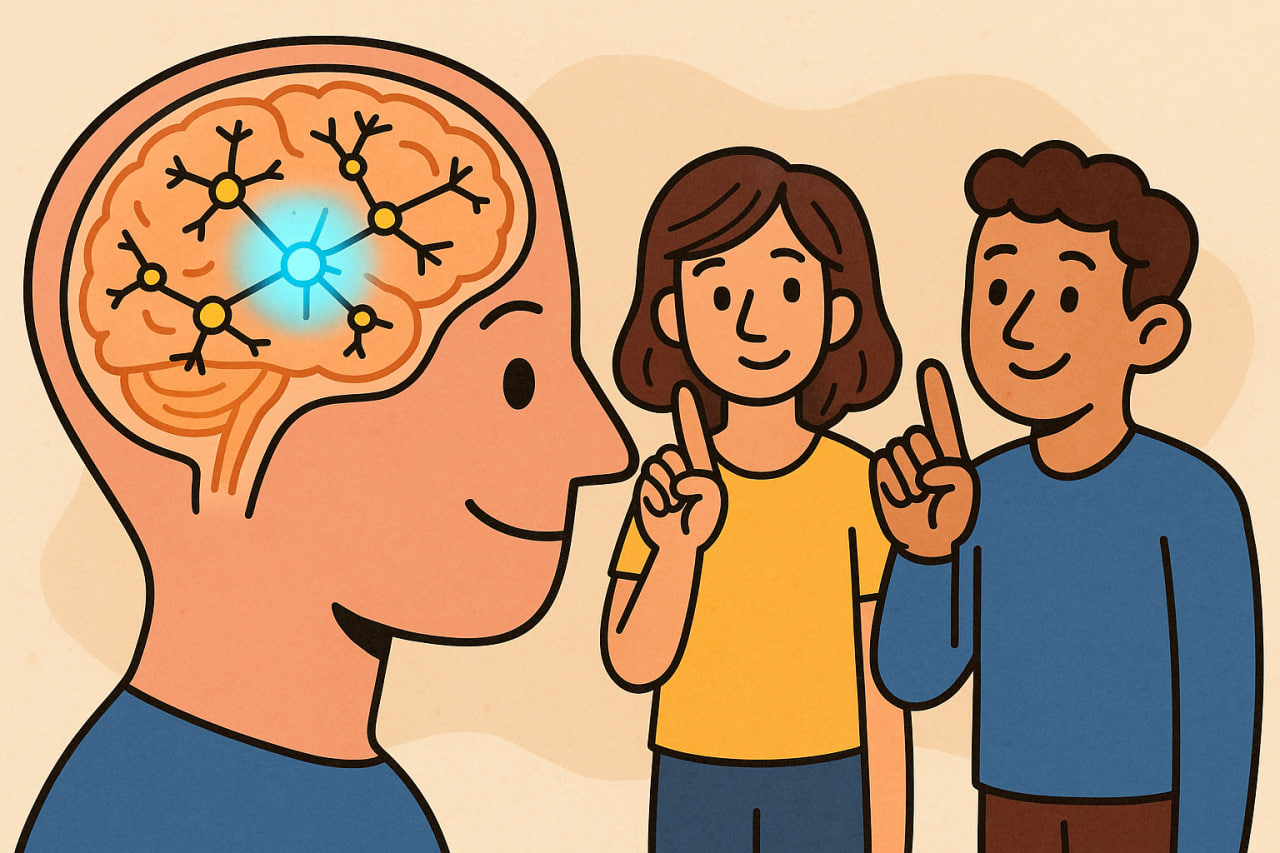
Mirror neurons are a unique class of brain cells that activate both when a person performs an action and when they observe someone else performing the same action.
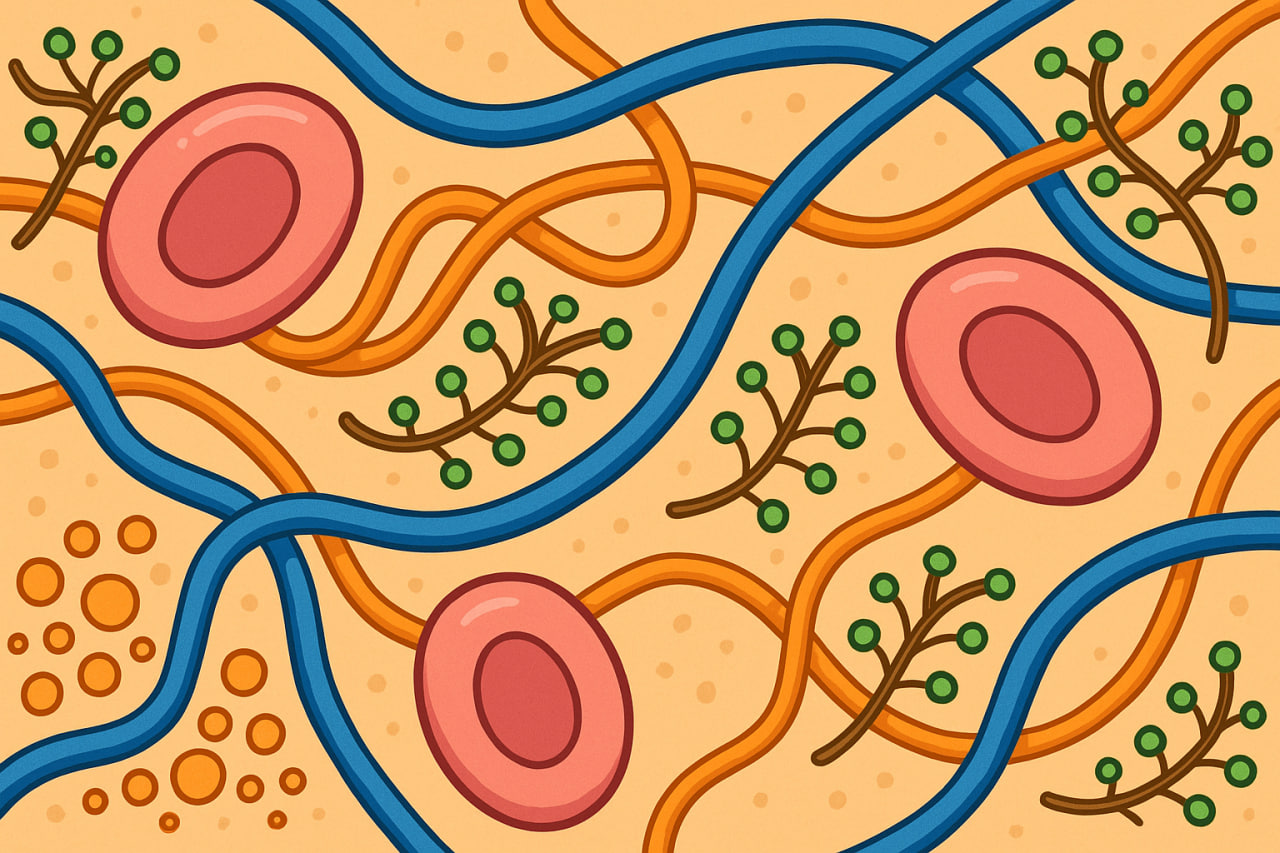
The extracellular matrix (ECM) is a complex structural network that surrounds and supports the cells in all tissues of the human body.
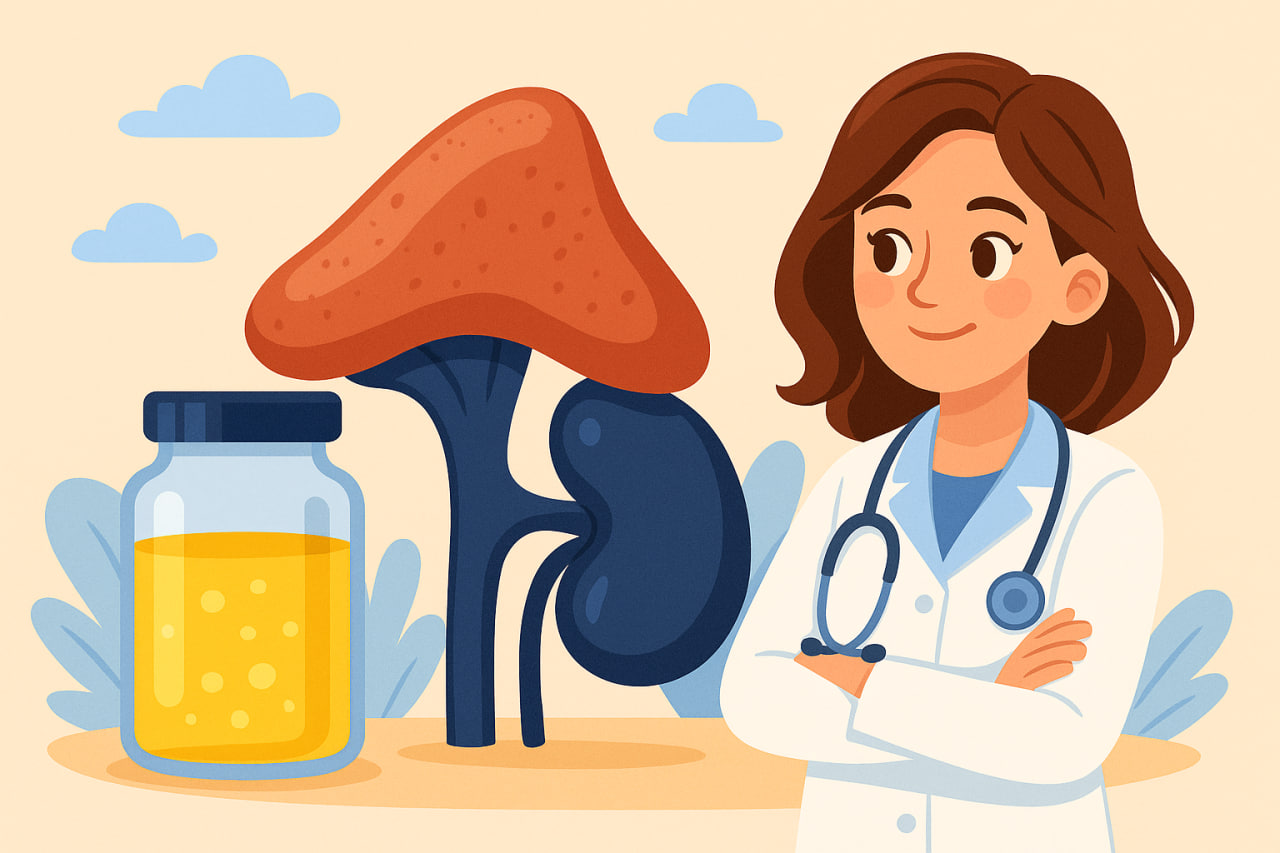
Cortisol is one of the most important hormones produced by the human body. Often called the “stress hormone,” cortisol is released by the adrenal glands in response to physical or emotional...
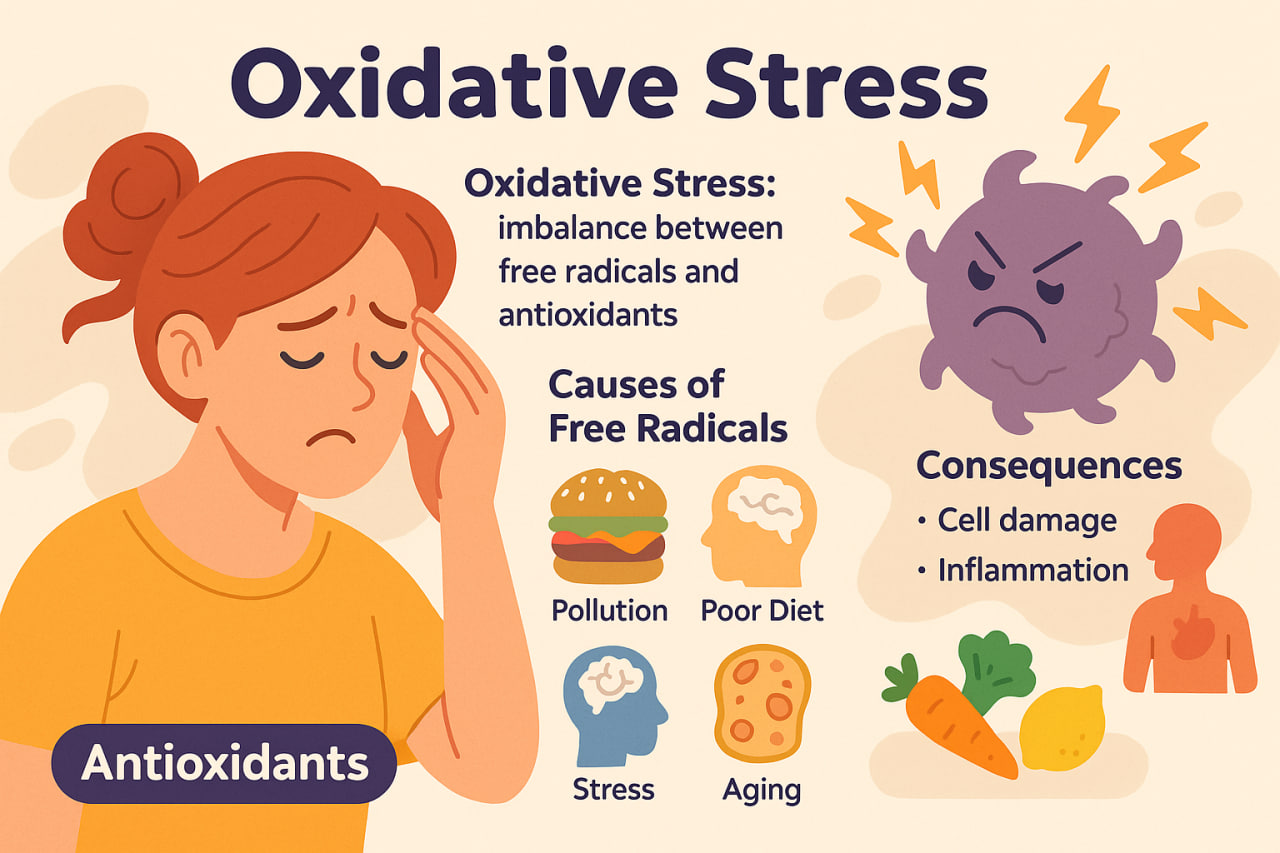
Oxidative stress is a biological condition that occurs when the body’s natural antioxidant defenses are unable to neutralize an excess of free radicals — unstable molecules that can damage...
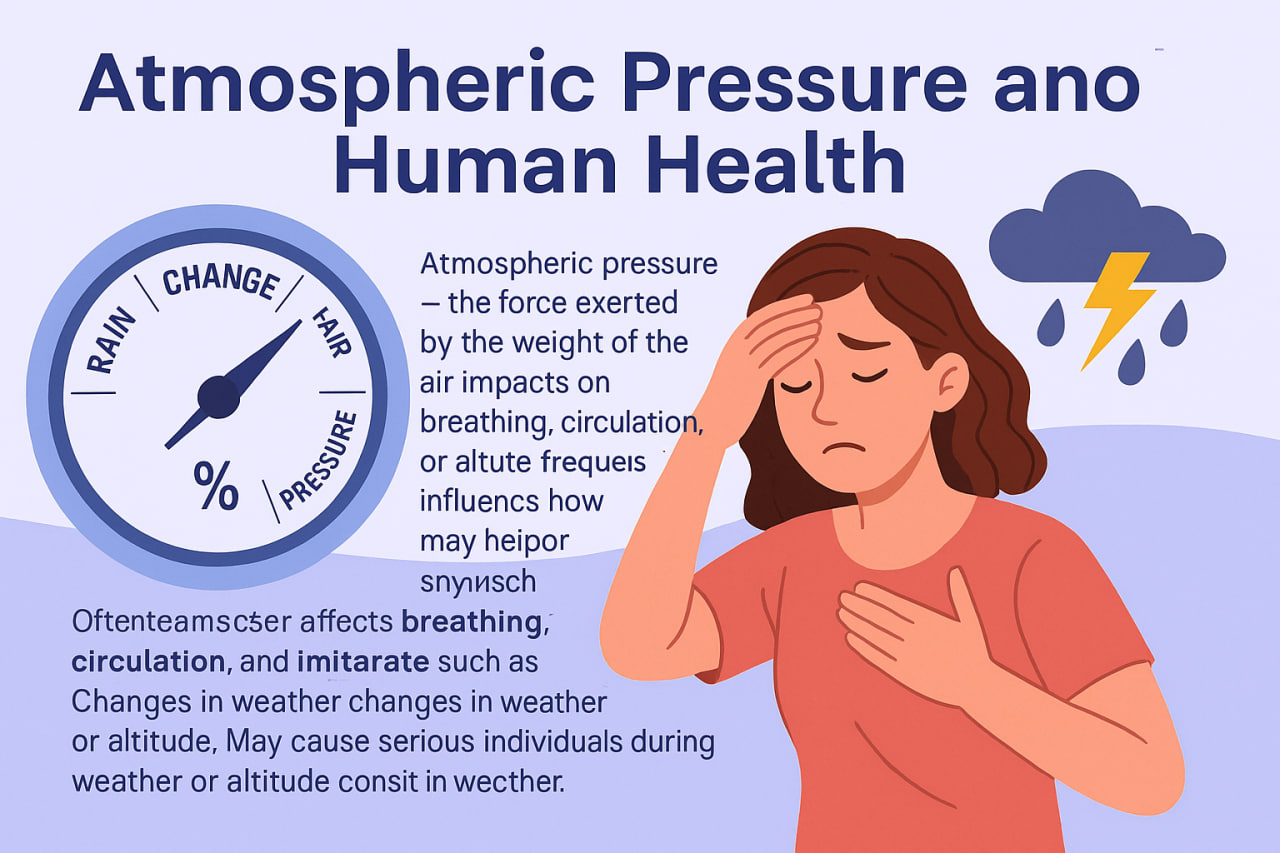
Atmospheric pressure — the weight of the air surrounding Earth — is a natural force that affects every living organism.
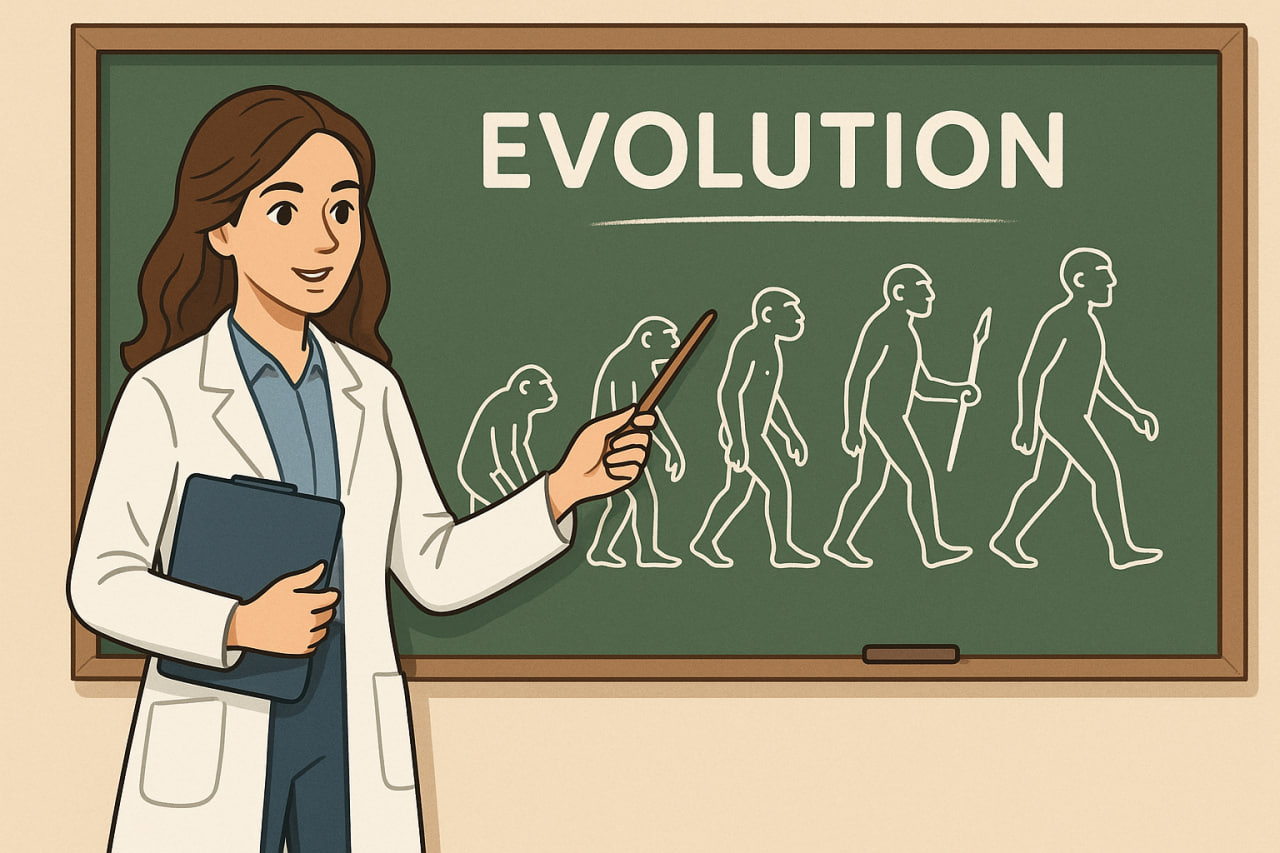
The question of who appeared first — a man or a woman — has been asked in many cultures throughout history, often appearing in myths, religious stories, and philosophical discussions.