History

Penicillin: The Discovery That Changed Medicine Forever
Smart & Healthy Medical Innovations History

Penicillin: The Discovery That Changed Medicine Forever

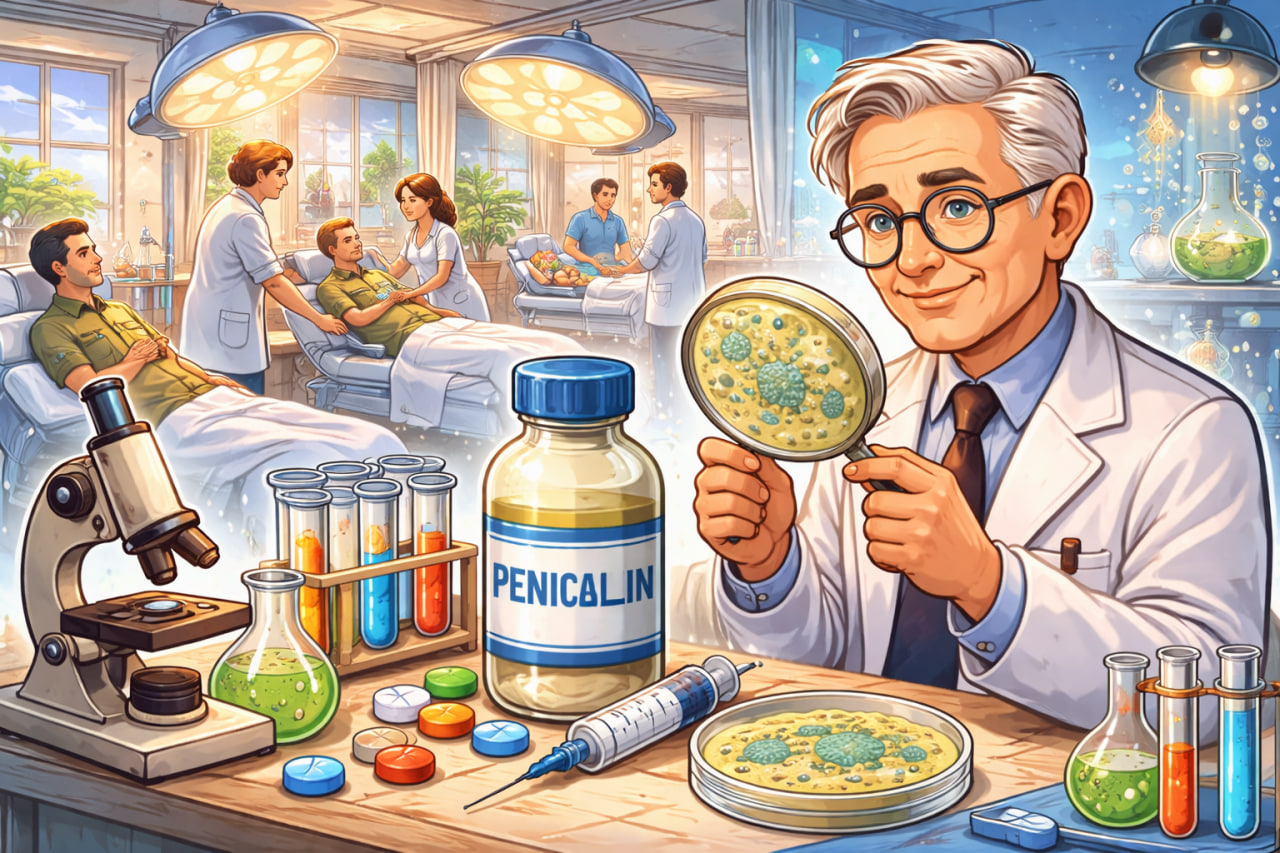
Penicillin is one of the most important medical discoveries in human history. As the first widely used antibiotic, it revolutionized the treatment of bacterial infections and saved millions of lives. Before its discovery, even minor injuries or common infections could become fatal. Today, penicillin remains a cornerstone of modern medicine and a symbol of scientific breakthrough. Understanding its history, mechanism, and impact helps us appreciate how it transformed healthcare and continues to influence medicine today.

Pavlov and His Dogs: How a Simple Experiment Changed Psychology
Bioethics & Science Psychology History

Pavlov and His Dogs: How a Simple Experiment Changed Psychology

The experiments conducted by Ivan Pavlov with dogs became one of the most influential discoveries in the history of psychology. While originally studying digestion, Pavlov noticed that dogs began to salivate not only when food was presented, but also in response to signals associated with feeding. This observation led to the discovery of classical conditioning, a fundamental learning process in which a neutral stimulus becomes associated with a meaningful one. Pavlov’s work demonstrated that behavior could be shaped by experience and environmental cues. His findings laid the foundation for behavioral psychology and influenced fields ranging from education to neuroscience. What began as a physiological study ultimately transformed our understanding of learning and behavior.

Mandarins: Small Citrus with a Global Story
Fuel Your Body Smart & Healthy History

Mandarins: Small Citrus with a Global Story

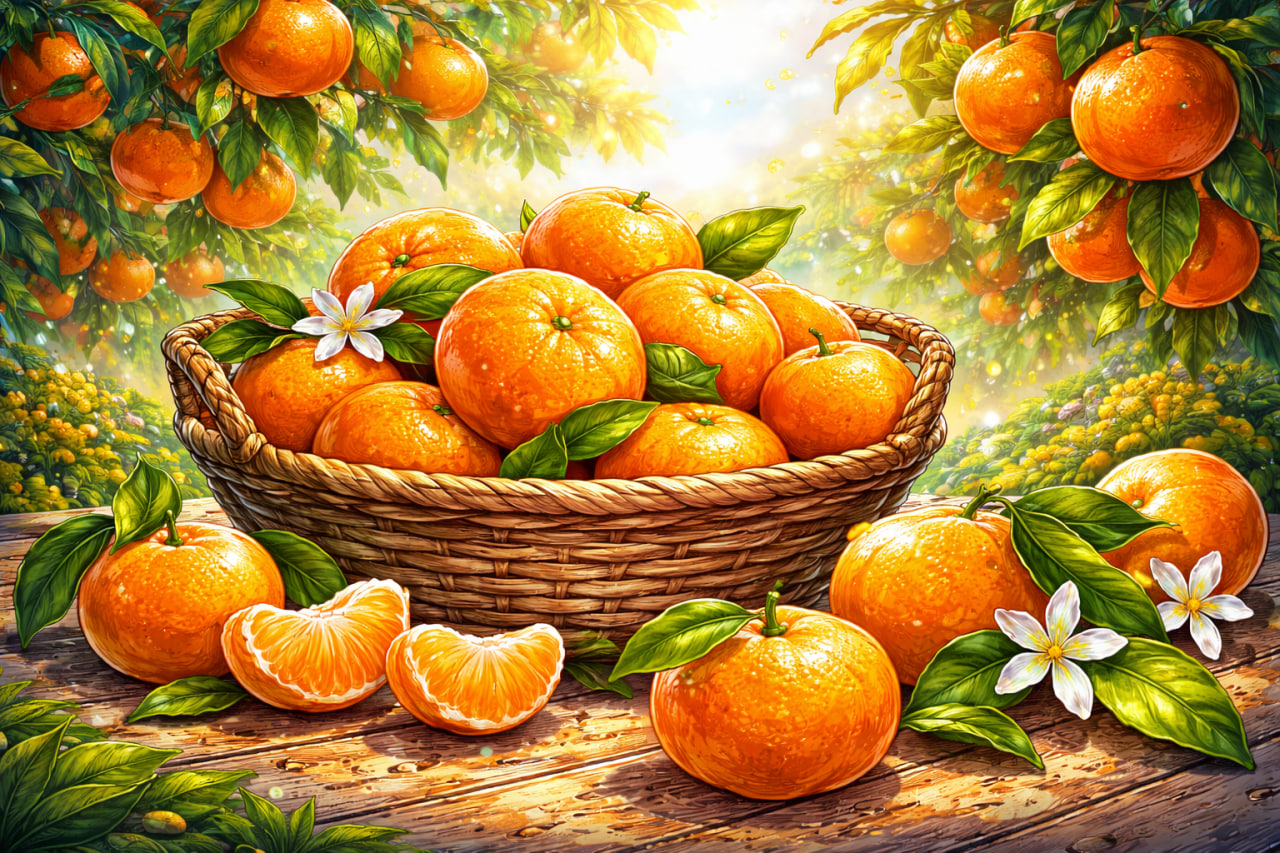
Mandarins are among the most recognizable and widely consumed citrus fruits in the world, valued for their bright flavor, easy peeling, and seasonal associations. Though often treated as a simple snack, mandarins have a long agricultural history and a complex place within global food systems. Their popularity is tied not only to taste, but also to convenience, trade routes, and selective cultivation over centuries. From traditional orchards in East Asia to modern plantations supplying international markets, mandarins reflect how human preferences shape crops over time. Understanding mandarins means looking beyond the fruit itself to the geography, biology, and culture behind it.

Wheat: One of the World’s Most Important Crops
Fuel Your Body Smart & Healthy History

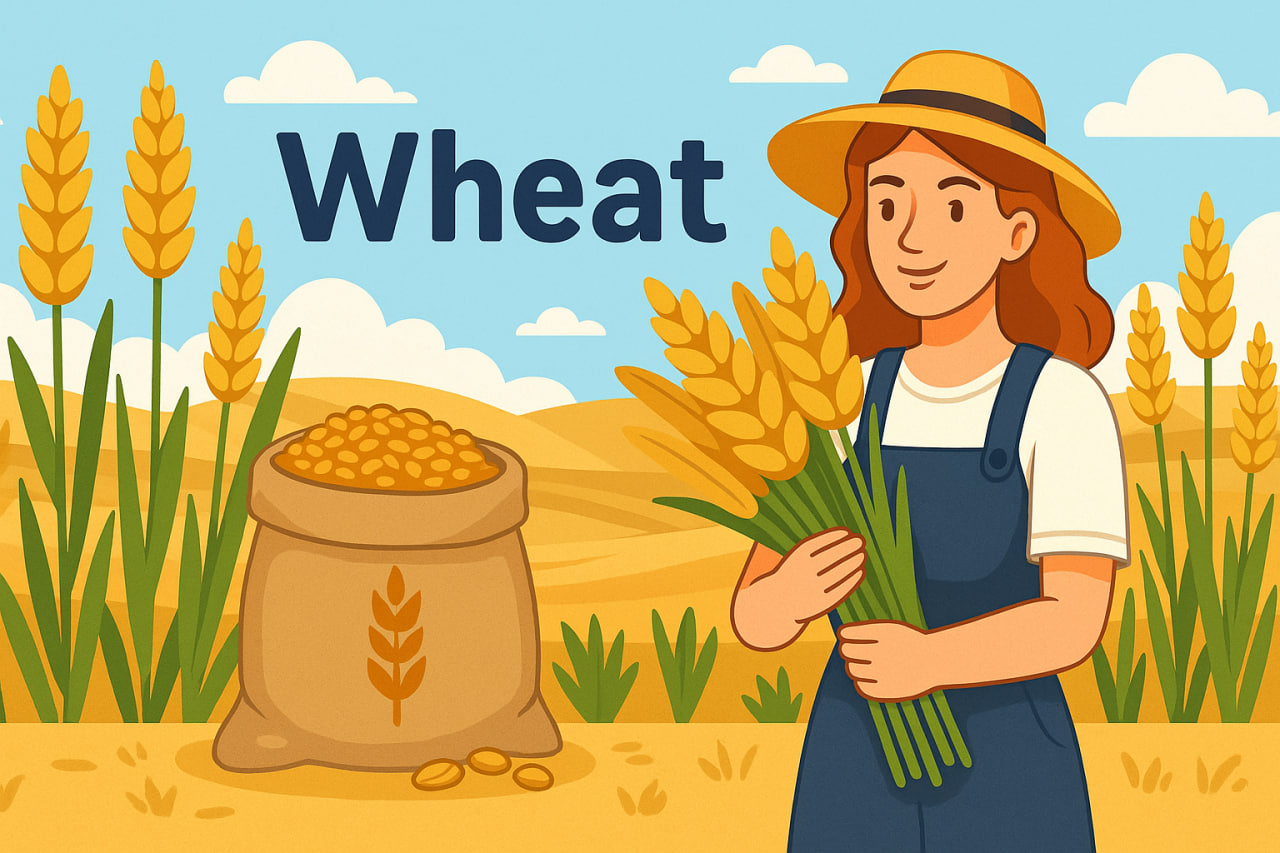
Wheat: One of the World’s Most Important Crops

Wheat is one of the oldest and most essential agricultural crops in human history, providing nourishment for billions of people around the world. As a staple food, it supports global food security and forms the foundation of countless cuisines. Wheat grains are processed into flour used for bread, pasta, pastries, cereals, and many other daily foods. Beyond its role in nutrition, wheat is deeply tied to culture, farming traditions, and the development of civilizations. Its adaptability allows it to grow in diverse climates — from warm plains to cold northern regions — making it a resilient and reliable crop. Understanding wheat’s biology, cultivation, and health impact provides insight into why this plant remains central to human life.

Sweet Potato (Batat): Nutrition, History, and Benefits of a Remarkable Root Crop
Fuel Your Body Smart & Healthy History

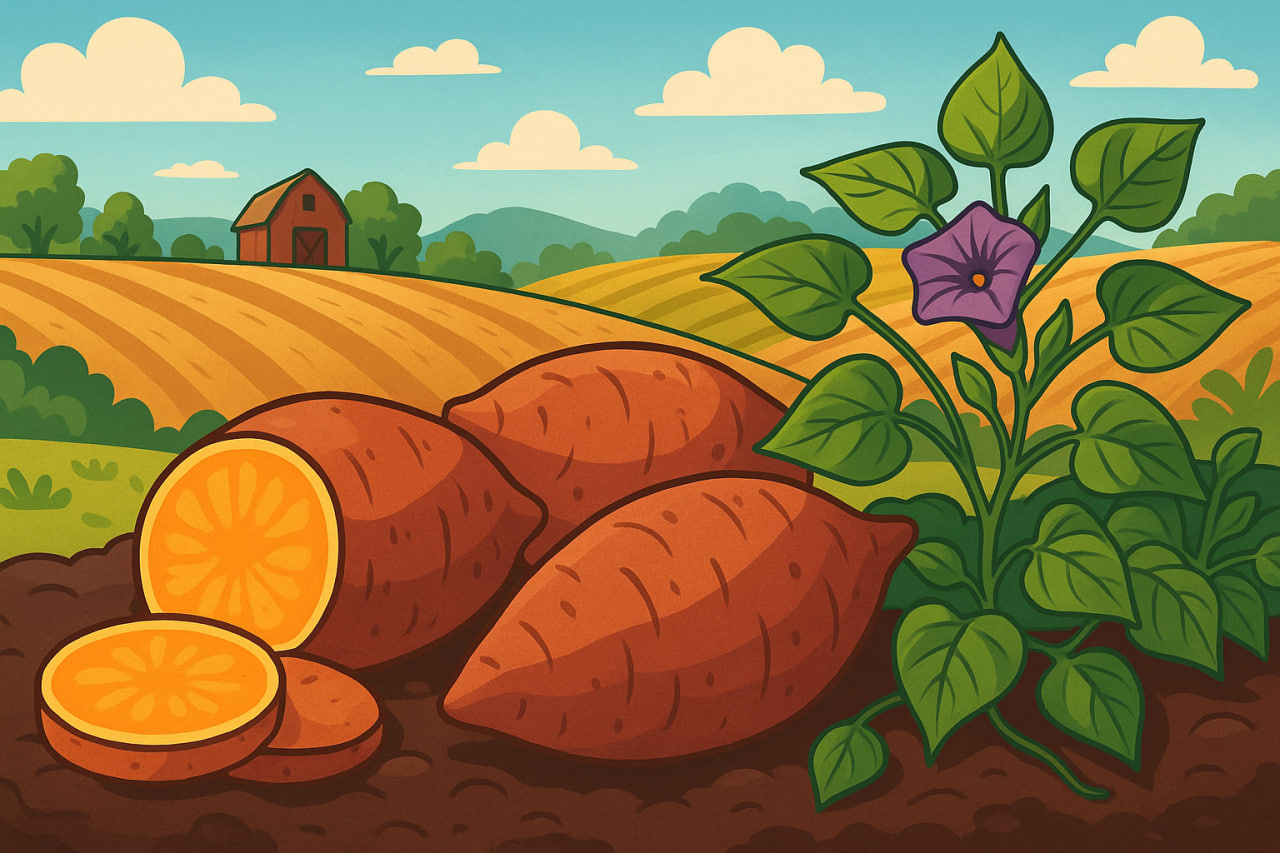
Sweet Potato (Batat): Nutrition, History, and Benefits of a Remarkable Root Crop

The sweet potato, commonly known as batat, is one of the world’s most nutritious and versatile root vegetables. Unlike regular potatoes, sweet potatoes belong to a different botanical family and carry a naturally sweet flavor, vibrant colors, and an impressive nutritional profile. Cultivated for thousands of years across Africa, Asia, and the Americas, batat has become a global food staple valued for its resilience, affordability, and health-supporting qualities. Its rich supply of vitamins, minerals, antioxidants, and fiber makes it a cornerstone ingredient in both traditional cuisine and modern healthy diets. Because sweet potatoes grow well in diverse climates and soils, they play an essential role in food security for many cultures worldwide.

Rice: A Global Staple Crop Shaping Cultures, Economies, and Nutrition
Fuel Your Body Smart & Healthy History

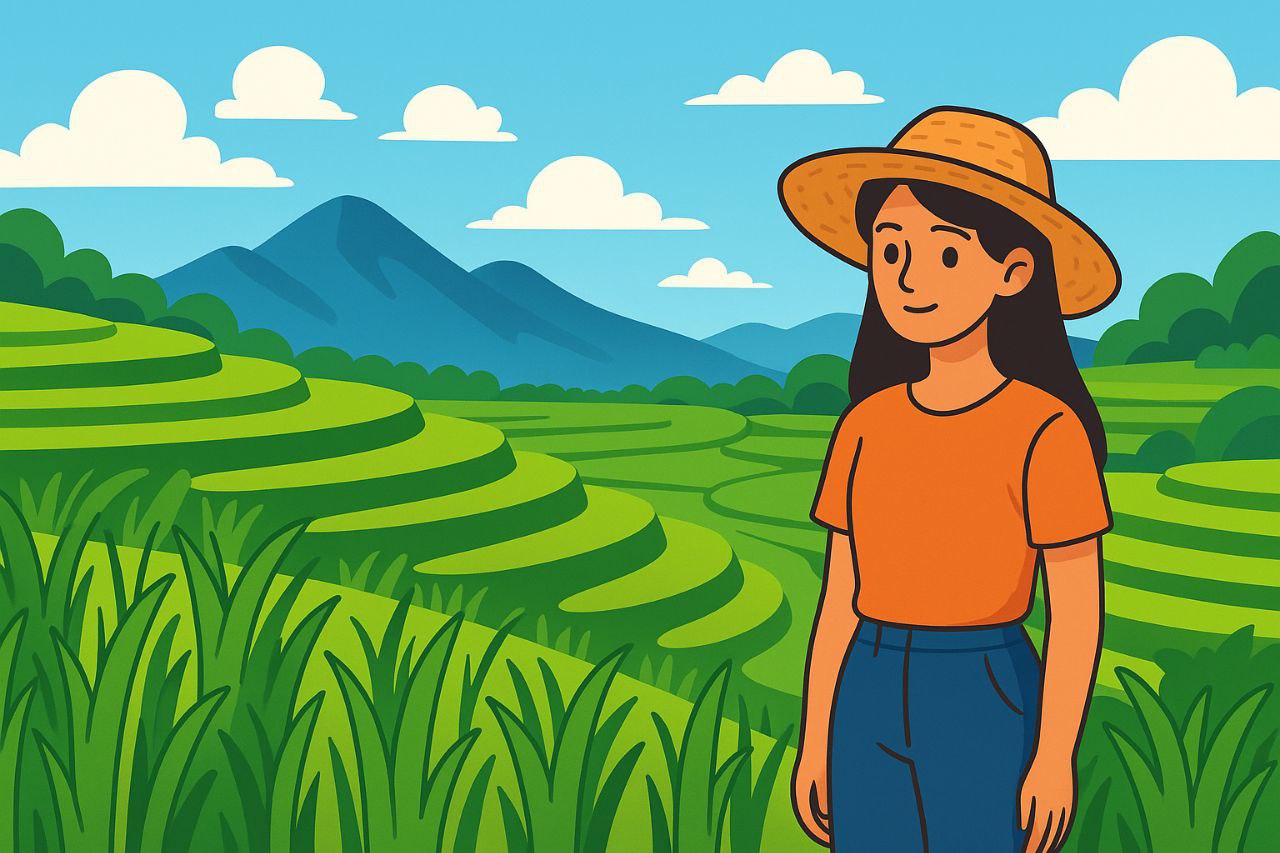
Rice: A Global Staple Crop Shaping Cultures, Economies, and Nutrition

Rice is one of the most important and widely consumed food crops on Earth, feeding more than half of the world’s population. Cultivated for over 10,000 years, rice has become deeply embedded in the cultural, economic, and nutritional foundations of societies across Asia, Africa, and the Americas. As a versatile and energy-rich grain, rice adapts to a variety of climates — from mountain terraces to tropical lowlands — making it essential for global food security. Its long history of cultivation has led to thousands of varieties, each with unique flavors, textures, and culinary uses. Understanding how rice is grown, processed, and consumed reveals why this crop remains vital to human civilization.

Who Appeared First: Man or Woman? A Scientific Perspective
Smart & Healthy Bioethics & Science Human Biology

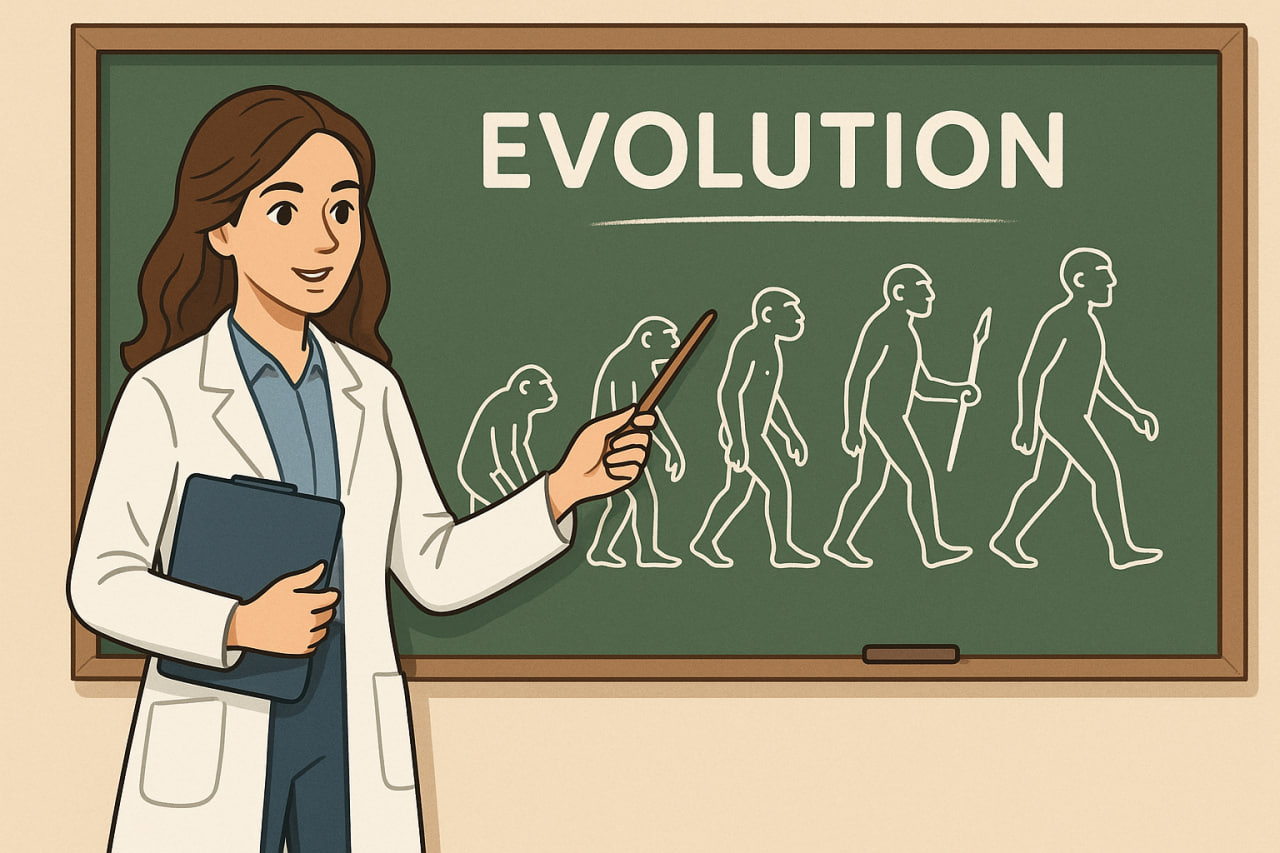
Who Appeared First: Man or Woman? A Scientific Perspective

The question of who appeared first — a man or a woman — has been asked in many cultures throughout history, often appearing in myths, religious stories, and philosophical discussions. However, from a scientific standpoint, the answer is far more complex and cannot be reduced to a simple sequence. Human beings evolved through millions of years of biological development, during which early populations gradually acquired characteristics that define modern males and females. Sex is not created suddenly in evolution; instead, it is inherited from earlier species, each carrying genetic systems that eventually shaped the human male and female forms. Because evolution acts on populations rather than individuals, it is scientifically inaccurate to suggest that either a “first man” or a “first woman” appeared in isolation. Instead, both sexes co-evolved as part of long, connected lineages.

The Sound of Church Bells and Human Health
Biohacking Smart & Healthy Public Health

The Sound of Church Bells and Human Health

The sound of church bells has accompanied human communities for centuries, shaping cultural identity, marking time, and creating a sense of shared space. Beyond their symbolic and spiritual significance, bell sounds also interact with the human body and mind in measurable ways. Depending on intensity, frequency, and duration, bell ringing may evoke feelings of calm, focus, alertness, or even stress. Understanding how bell sounds influence well-being allows communities to balance tradition with modern health standards. Although the bell’s resonance is often perceived as uplifting or grounding, high-volume exposure can affect the auditory system and overall comfort. Exploring the relationship between bell acoustics and human physiology helps explain why some people find the sound soothing while others experience tension or fatigue.

The Plague: History, Causes, Transmission, and Its Impact on Humanity
Danger History

The Plague: History, Causes, Transmission, and Its Impact on Humanity

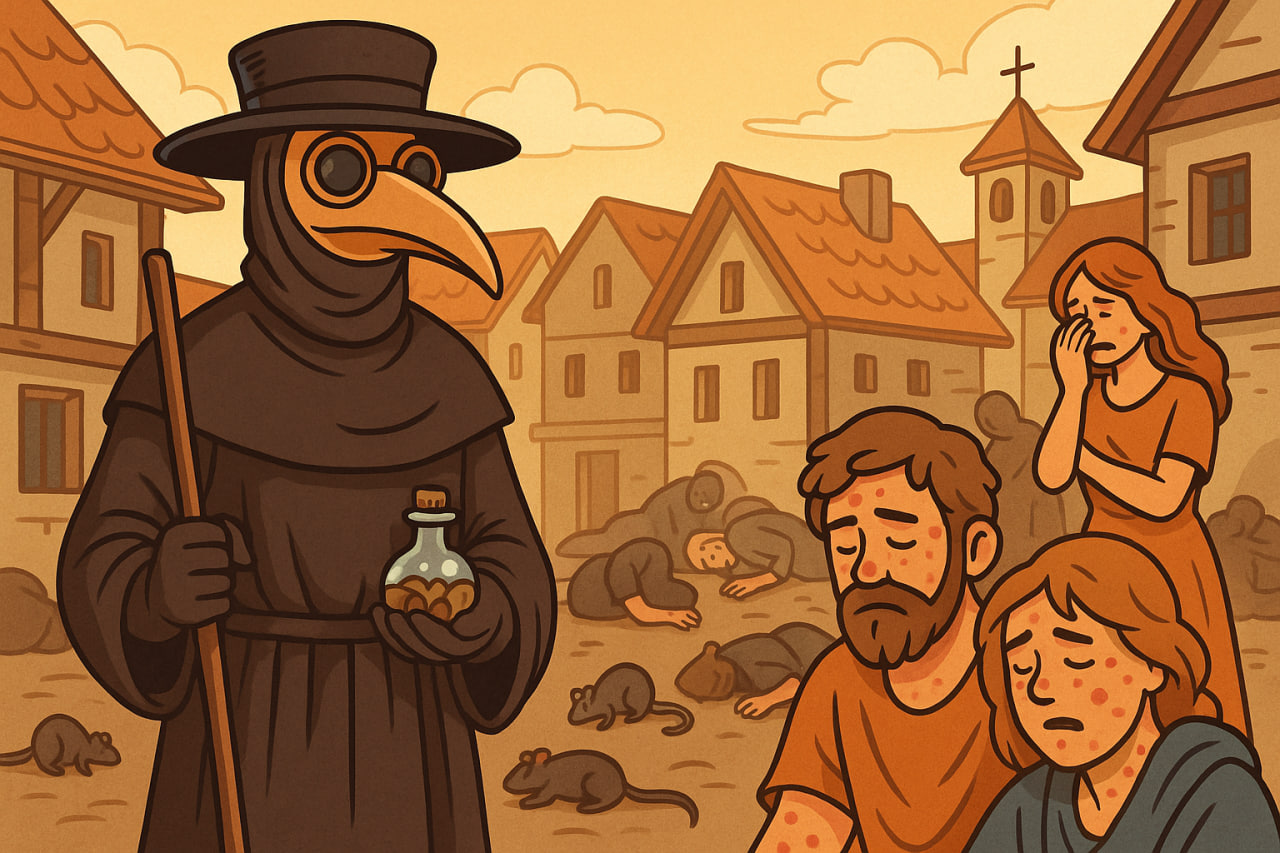
The plague is one of the most infamous infectious diseases in human history. Caused by the bacterium Yersinia pestis, it triggered several devastating pandemics that reshaped societies, economies, and population structures across continents. Although often associated with the Middle Ages, the plague has existed for thousands of years and still appears in rare cases today. Despite its terrifying reputation, modern science has allowed doctors to understand the disease, track outbreaks, and treat infections effectively. Learning about the plague helps us understand how diseases shape civilization and how scientific progress protects public health.