Influenza: Understanding the Seasonal Illness and Its Impact on Health
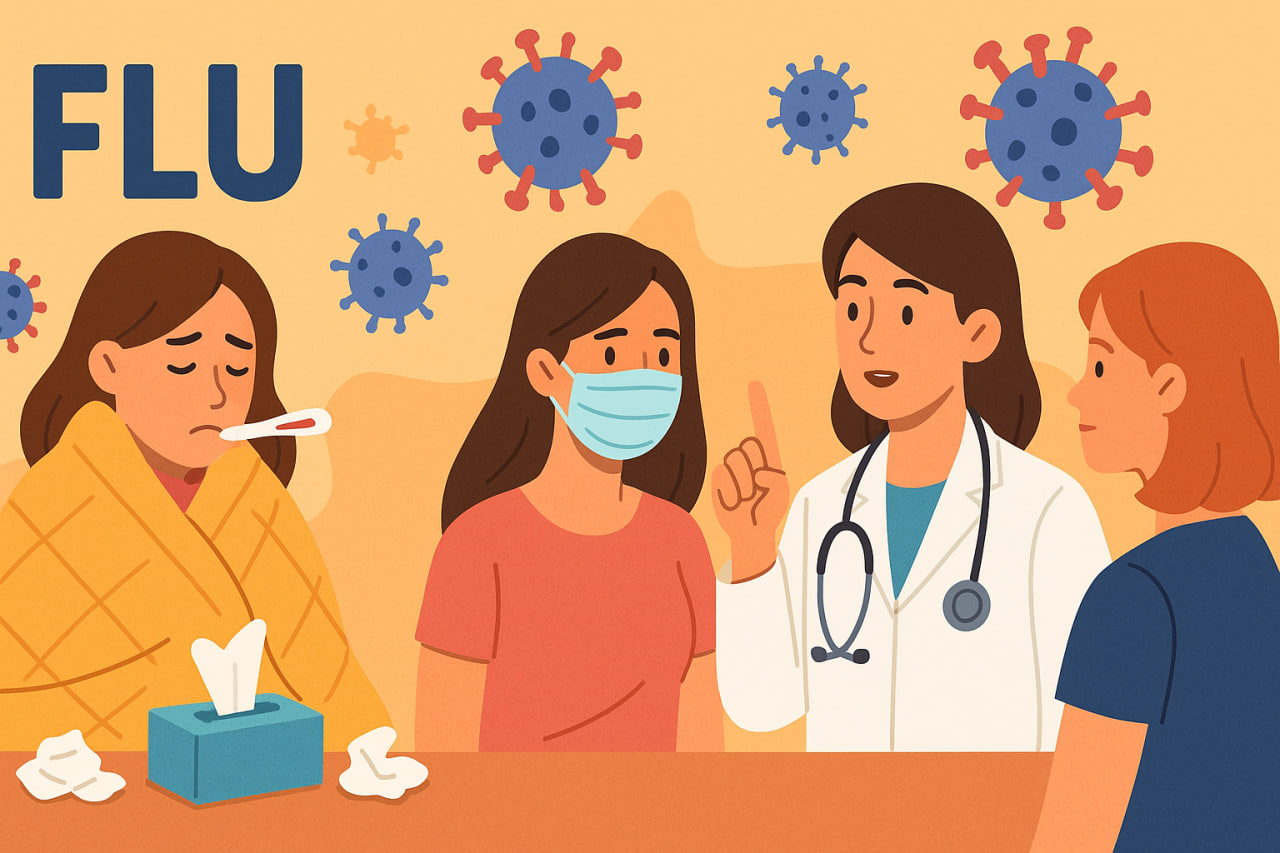
Influenza, commonly referred to as the flu, is an acute viral infection that primarily affects the respiratory system. It is caused by influenza viruses, which circulate globally and change slightly each year. The flu spreads easily through airborne droplets when an infected person coughs, sneezes, or talks, and it can also spread via contaminated surfaces. While many people recover within one to two weeks, influenza can sometimes lead to serious complications, particularly in young children, older adults, pregnant individuals, and those with chronic health conditions. For this reason, timely prevention, early detection, and supportive care are essential to reducing illness severity and transmission.