First aid

First Aid Kit: What It Should Contain and Why It Matters
Smart & Healthy Public Health First aid

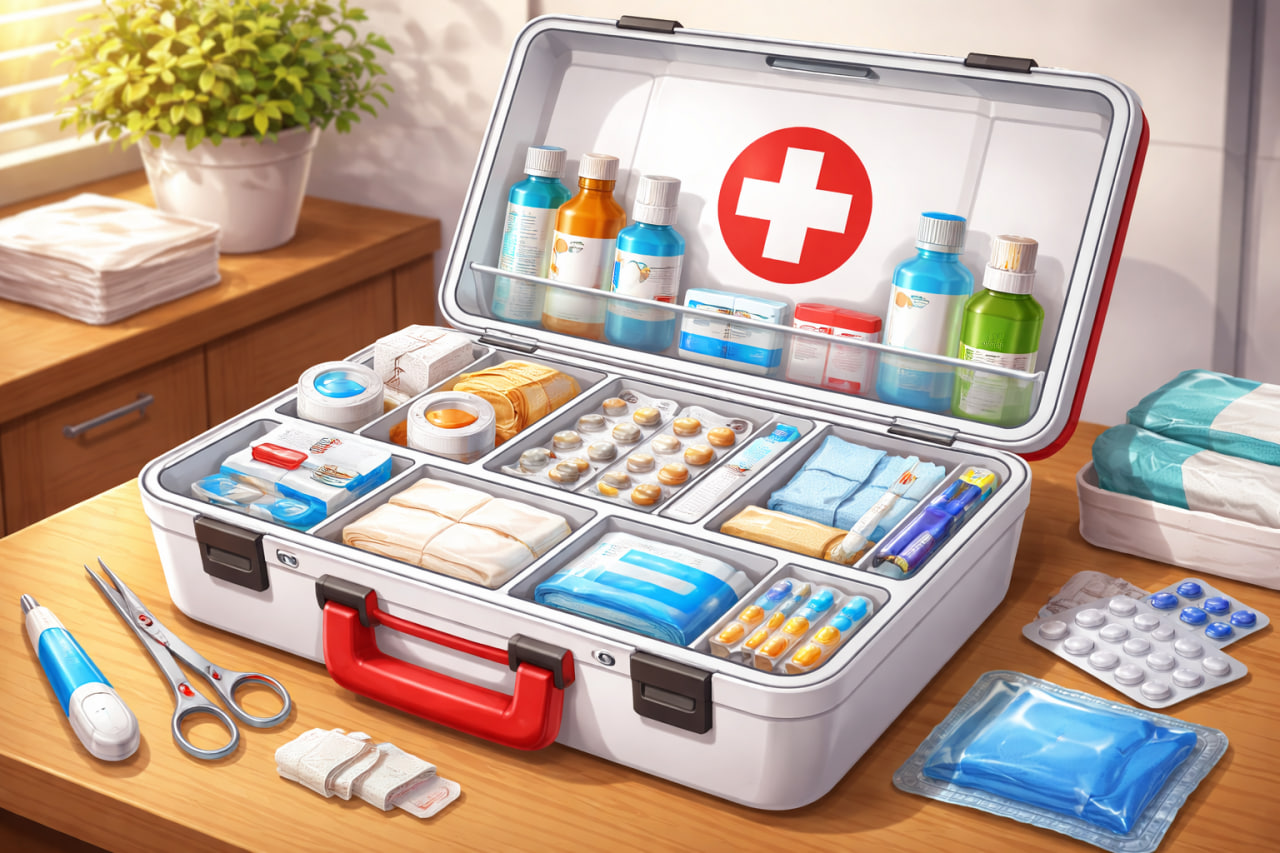
First Aid Kit: What It Should Contain and Why It Matters

A first aid kit is an essential part of everyday safety, both at home and on the go. It allows you to respond quickly to minor injuries and unexpected situations before professional help becomes available. A well-prepared kit can make a significant difference in preventing complications and ensuring proper initial care. Understanding what to include and how to organize a first aid kit is an important step toward personal and family safety.

What First Aid Is and How to Provide It Correctly
Smart & Healthy First aid Safety First

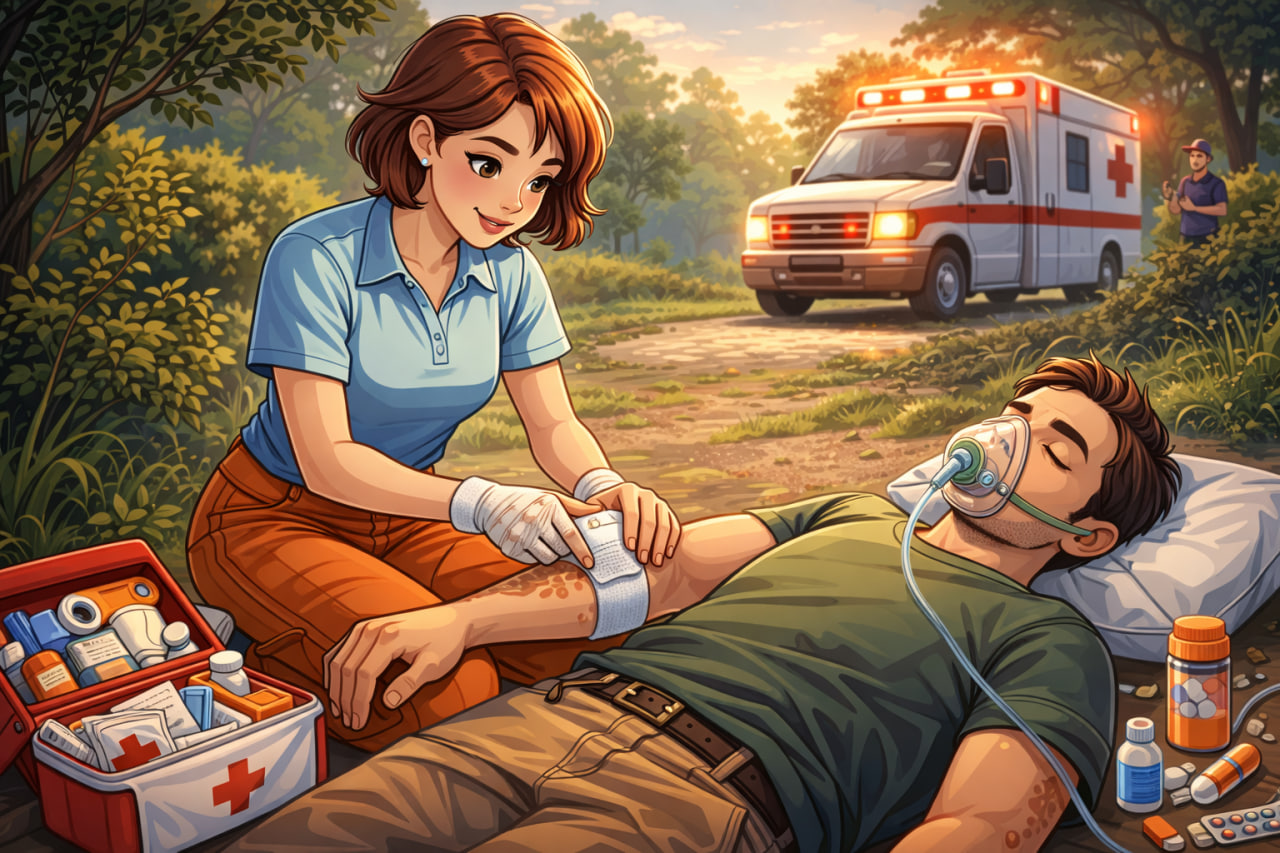
What First Aid Is and How to Provide It Correctly

First aid is the immediate assistance given to a person who is injured or suddenly becomes ill before professional medical help arrives. Its primary purpose is not to replace doctors or paramedics, but to preserve life, prevent the condition from worsening, and promote recovery. In emergencies, the first few minutes are often critical, and timely action can significantly improve survival chances. First aid includes a range of simple but effective measures, from stopping bleeding to supporting breathing. Understanding how to act calmly and correctly can make the difference between life and death. Learning basic first aid skills empowers individuals to respond confidently in unexpected situations.

CPR: What It Is and How to Perform It Correctly
Human Biology Public Health First aid

CPR: What It Is and How to Perform It Correctly

Cardiopulmonary resuscitation (CPR) is a life-saving emergency procedure used when a person’s heart stops beating or they stop breathing. It is designed to maintain blood circulation and oxygen flow to the brain and vital organs until professional medical help arrives. Brain damage can begin within minutes after the heart stops, which makes immediate action critical. CPR does not restart the heart in most cases, but it keeps the body viable long enough for advanced treatment such as defibrillation. Understanding CPR and acting quickly can significantly increase survival chances. Every minute without intervention reduces the likelihood of recovery.

The Heimlich Maneuver: Diaphragm Thrust Method and Its Life-Saving Role
Medical Innovations First aid Safety First

The Heimlich Maneuver: Diaphragm Thrust Method and Its Life-Saving Role

The Heimlich maneuver, also known as the diaphragm thrust, is one of the most well-known emergency response techniques in the world. It is used when a person is choking and their airway is blocked by a foreign object. The method relies on a sharp upward pressure below the rib cage to force air out of the lungs, helping expel the obstruction. Introduced in the 1970s, this technique changed how choking emergencies are understood and addressed. Today, it is considered a critical concept in first-aid education worldwide.

What to Do in Case of Frostbite
Smart & Healthy First aid Safety First

What to Do in Case of Frostbite

Frostbite is a serious cold-related injury that occurs when skin and underlying tissues freeze due to prolonged exposure to low temperatures. It most often affects fingers, toes, ears, nose, and cheeks, especially during strong wind and high humidity. Frostbite can develop faster than many people expect and may cause lasting damage if not handled correctly. The key to survival and recovery is early recognition, correct first aid, and avoiding dangerous mistakes. Understanding what frostbite is—and what it is not—can significantly reduce the risk of complications.

How to Recognize a Fracture and Provide Safe First Aid
Smart & Healthy Public Health First aid

How to Recognize a Fracture and Provide Safe First Aid

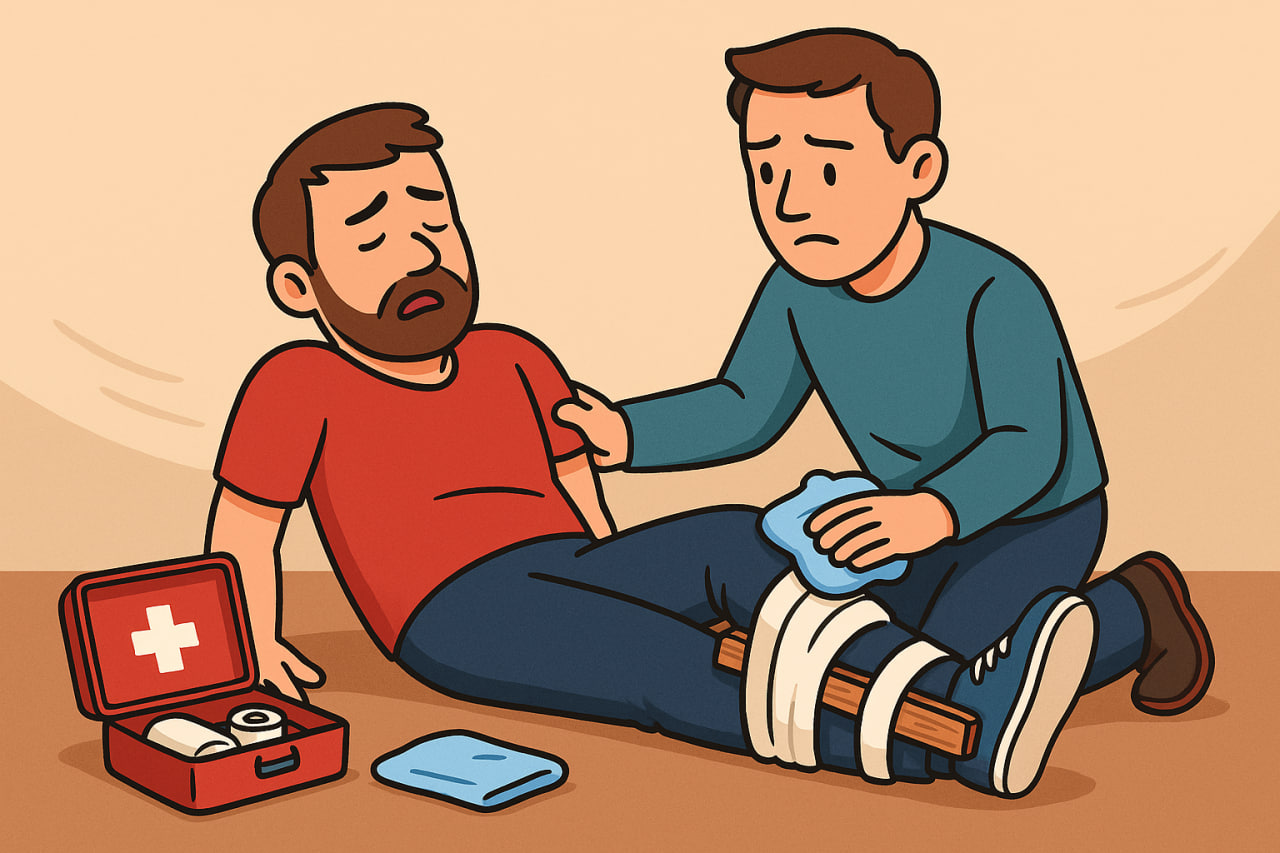
A fracture is a break or crack in a bone that occurs when external force exceeds the bone’s natural strength. Fractures can happen during falls, accidents, sports, or sudden impacts. Although fractures vary in severity, they always require medical evaluation to prevent complications and ensure proper healing. Recognizing the signs early and providing safe, basic first aid can reduce pain, prevent further injury, and support stabilization before professional help arrives. Understanding these steps is important, but it does not replace trained medical care. Only healthcare professionals can diagnose the type of fracture and determine the correct treatment.

Common Cold: Understanding, Preventing, and Managing Seasonal Illness
Danger Public Health First aid

Common Cold: Understanding, Preventing, and Managing Seasonal Illness

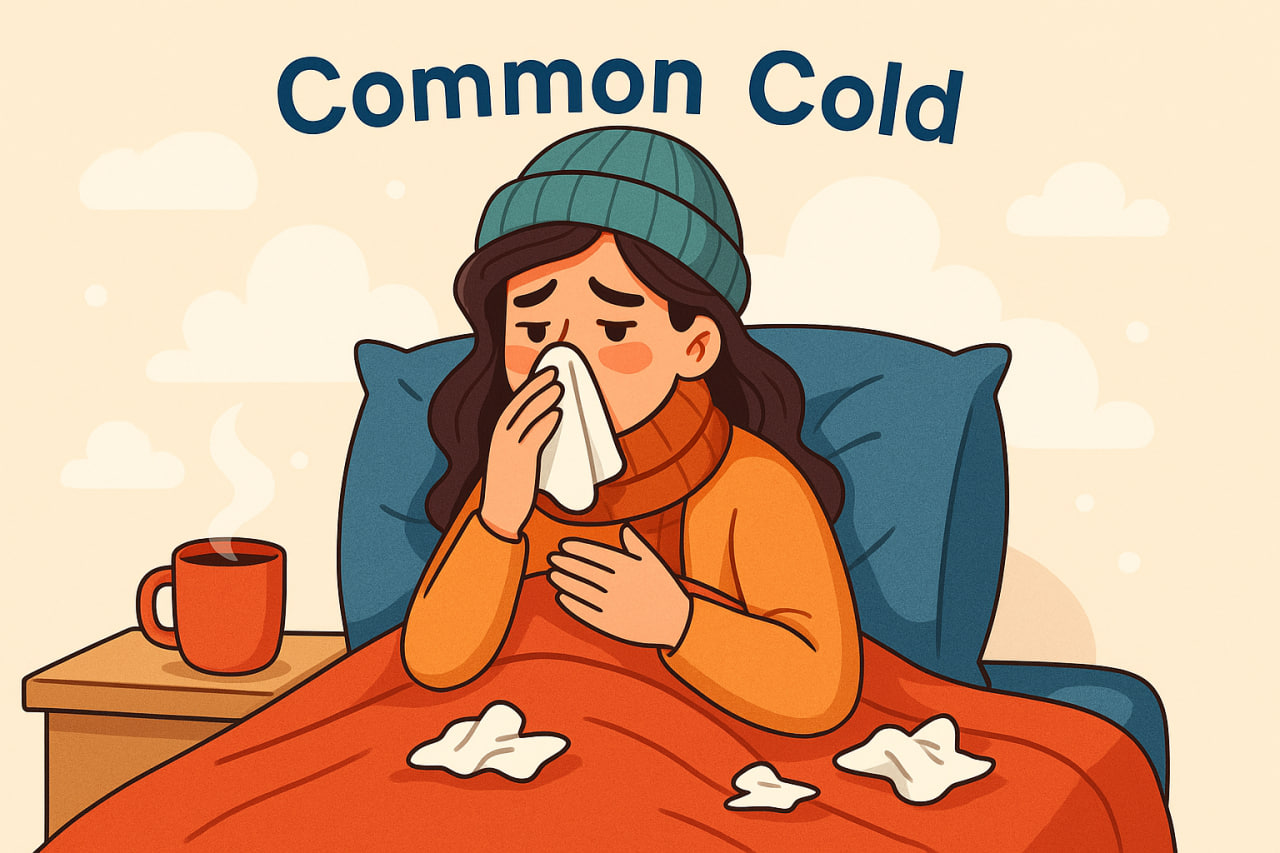
The common cold is one of the most widespread seasonal illnesses, affecting people of all ages and often disrupting daily routines with symptoms such as a runny nose, sore throat, fatigue, and mild fever. Although usually mild, a cold can still cause discomfort and reduce productivity, especially during colder months when the immune system works harder to maintain balance. The virus spreads easily through airborne droplets, contaminated surfaces, and close human contact, making prevention and awareness essential. Understanding how colds develop, how long they last, and which habits reduce the risk of infection helps individuals navigate the winter season with better resilience. While home care and supportive practices offer relief, people should also recognize when professional attention is needed. A thoughtful approach to prevention and self-care ensures that colds remain manageable and short-lived.

Radiculitis: Causes, Symptoms, and Understanding Nerve Root Irritation
Smart & Healthy Human Biology Public Health

Radiculitis: Causes, Symptoms, and Understanding Nerve Root Irritation

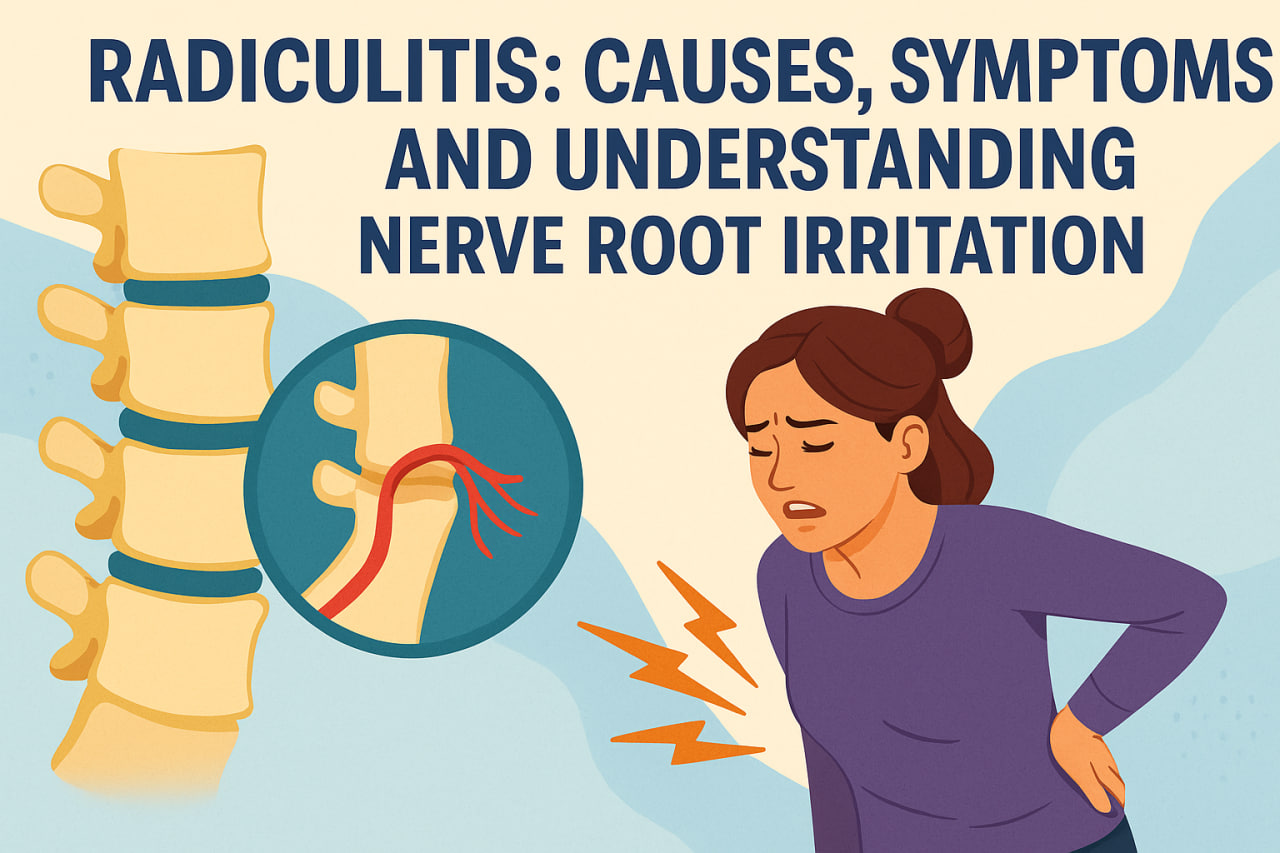
Radiculitis is a condition characterized by inflammation or irritation of a spinal nerve root, often resulting in sharp, radiating pain that travels along the affected nerve’s pathway. This condition is typically caused by mechanical compression, inflammation, or structural changes in the spine, which interfere with normal nerve function. Radiculitis can occur in the cervical, thoracic, or lumbar regions, although lumbar radiculitis is the most common due to the significant load carried by the lower back. People experiencing this condition often report shooting pain, numbness, tingling, or muscle weakness, depending on which nerve is affected. Understanding radiculitis requires examining both biological mechanisms and environmental factors that contribute to nerve root stress. Because symptoms can resemble other spinal disorders, proper evaluation by a healthcare specialist is essential for accurate diagnosis.

What to Do for Radiculitis: Understanding Safe Approaches and Key Considerations
Smart & Healthy Public Health First aid

What to Do for Radiculitis: Understanding Safe Approaches and Key Considerations

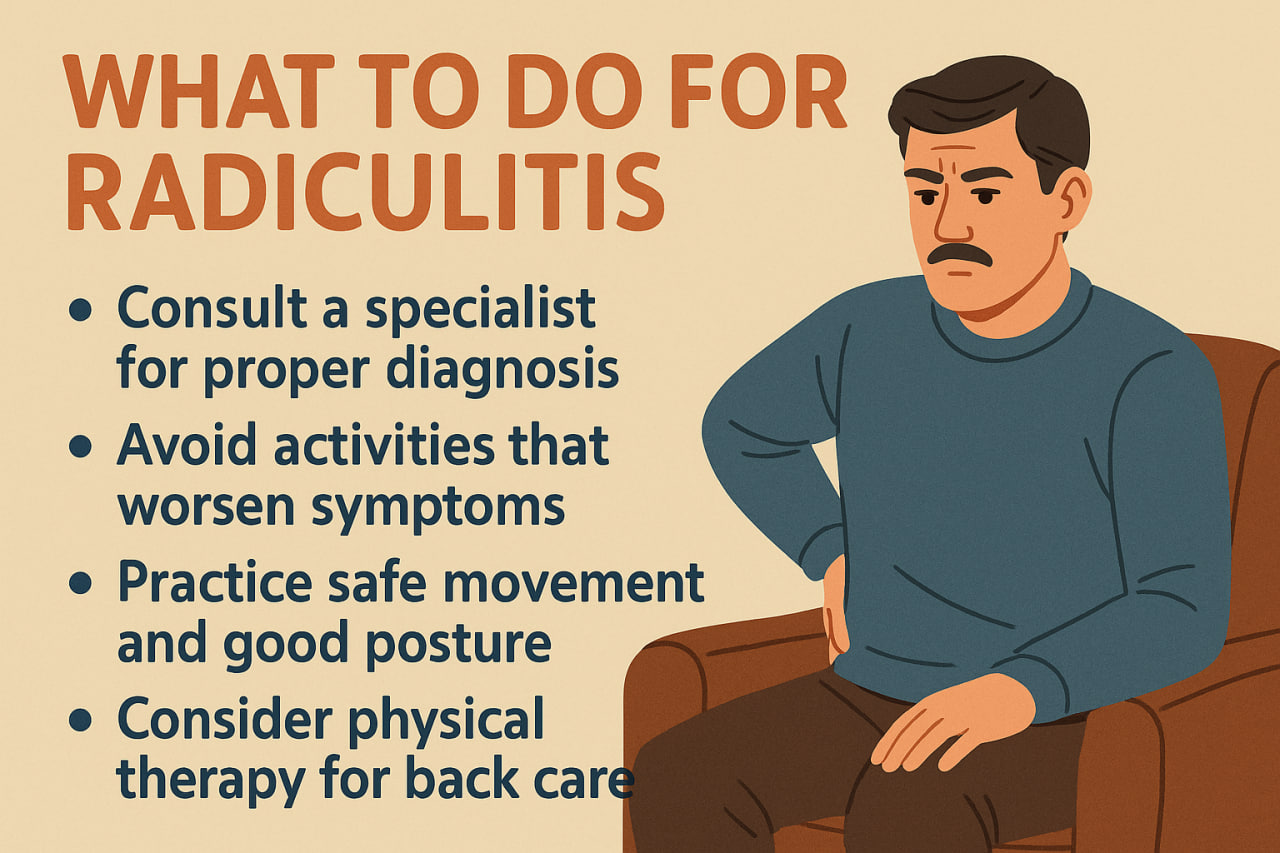
Radiculitis, also known as nerve root inflammation, is a condition in which spinal nerve roots become irritated or compressed, causing pain that can radiate from the spine into the limbs. This discomfort may appear suddenly after physical strain or develop gradually due to age-related changes in the spine. Because radiculitis affects nerve pathways, symptoms can include sharp pain, tingling, numbness, or muscle weakness. Although the condition is common, its severity and duration vary widely depending on the underlying cause. Researchers emphasize that radiculitis is not a standalone diagnosis but a sign of irritation that requires professional evaluation to determine its source. Understanding general safety principles helps individuals avoid worsening symptoms while seeking appropriate medical guidance.

What to Do When You Get an Injury
Smart & Healthy Public Health First aid

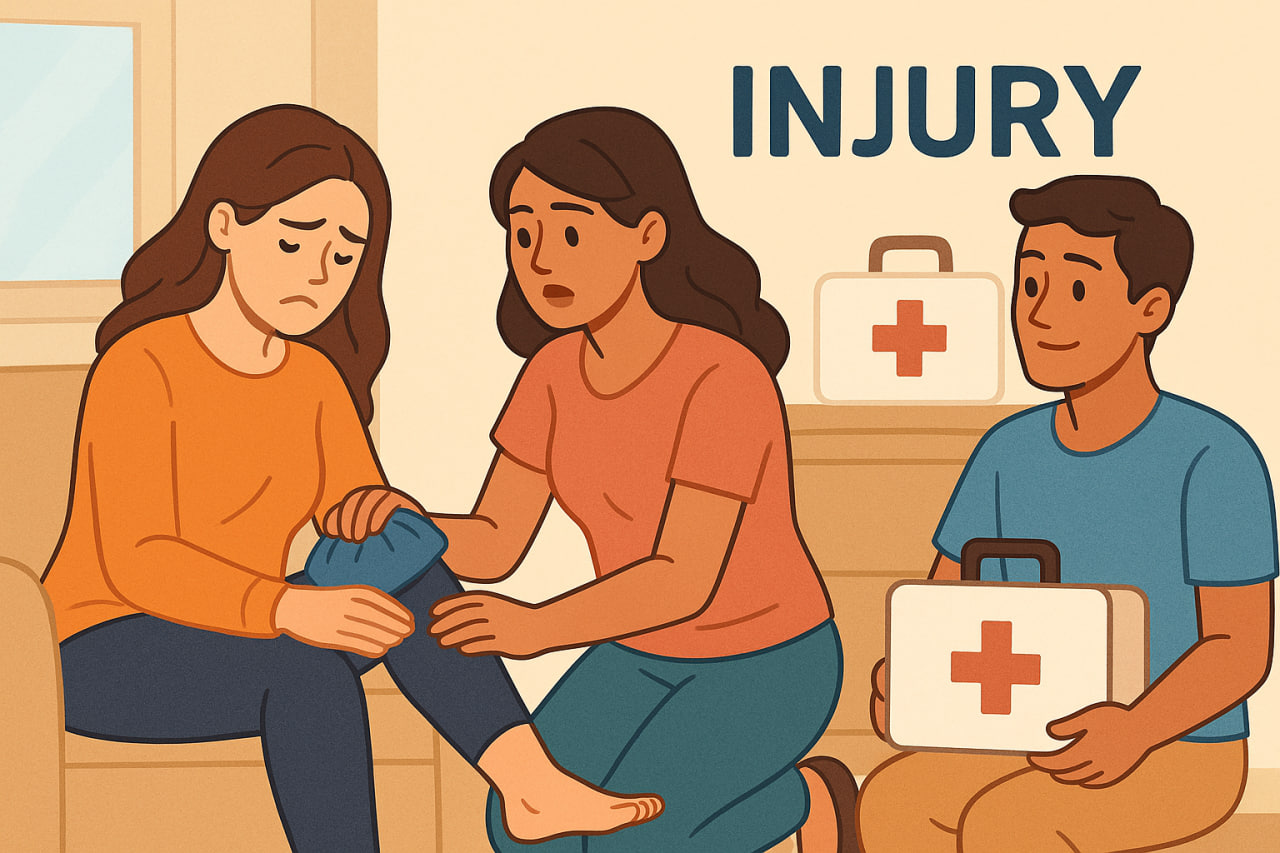
What to Do When You Get an Injury

An injury can happen suddenly, whether during exercise, daily activities, or an unexpected event. Knowing how to respond correctly in the first minutes is important for reducing pain, preventing further damage, and supporting proper healing. Immediate reactions can influence recovery time and overall health outcomes. While some injuries are mild and can be treated at home, others require medical attention. Recognizing the difference and responding calmly helps protect both physical well-being and emotional stability. It’s also important to avoid self-medicating with medical drugs without consulting a qualified health professional.