First aid

Heat Stroke: What You Need to Know to Recognize, Prevent, and Respond
Danger Public Health First aid

Heat Stroke: What You Need to Know to Recognize, Prevent, and Respond

Heat stroke is one of the most dangerous heat-related illnesses and a true medical emergency. As global temperatures continue to rise and heatwaves become more frequent, the number of heat stroke cases has increased worldwide. While many people associate heat stroke with athletes or outdoor workers, it can affect anyone—including children, older adults, and even healthy individuals exposed to extreme heat. Recognizing the warning signs early and knowing how to respond can save lives. Unlike simple heat exhaustion, heat stroke can rapidly damage the brain, heart, kidneys, and other vital organs if treatment is delayed. Understanding the causes, symptoms, prevention strategies, and emergency response measures is essential during hot weather.

What to Do in Case of Radiation Exposure: Practical Safety Steps That Can Save Lives
Danger Public Health First aid

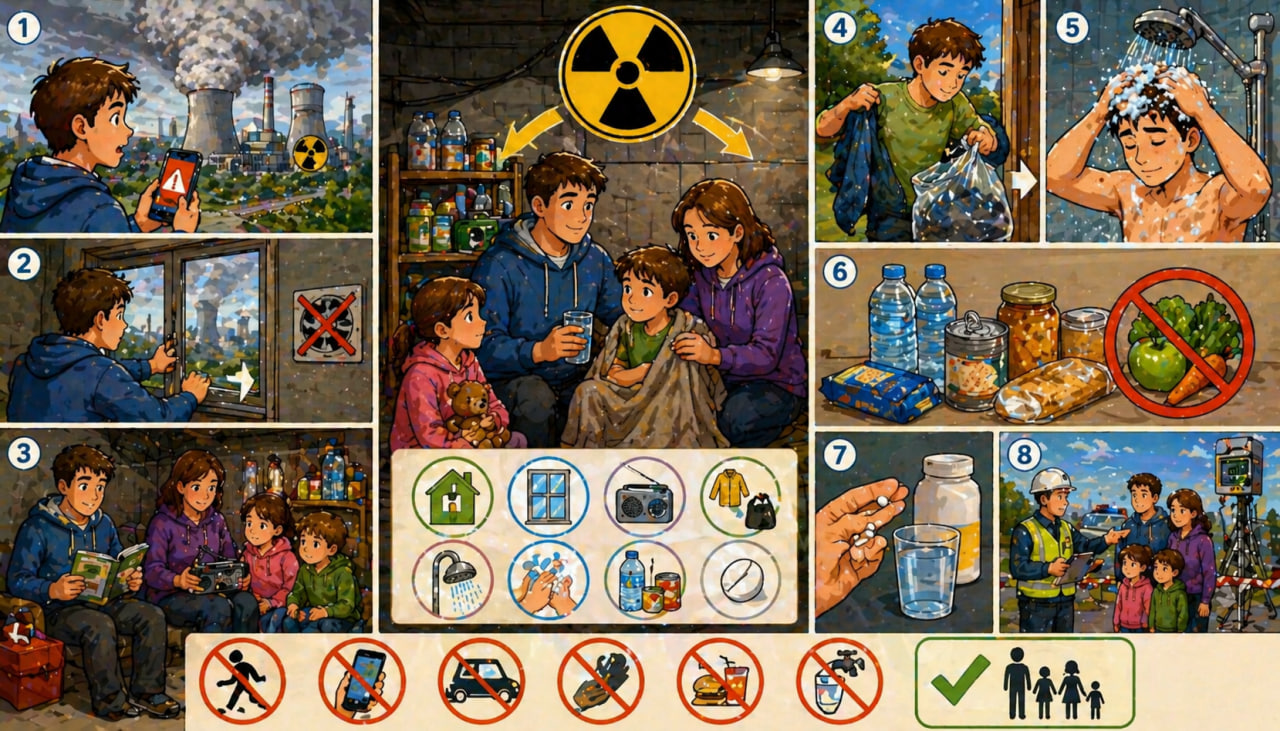
What to Do in Case of Radiation Exposure: Practical Safety Steps That Can Save Lives

Radiation emergencies are rare, but when they occur, they require fast, informed action. Events such as nuclear plant accidents, radioactive material leaks, or even certain types of explosions can release harmful radiation into the environment. Knowing what to do in advance can significantly reduce health risks and protect both you and your family. This guide explains how radiation affects the body, what immediate steps to take, and how to stay safe during and after a radiation threat.

First Aid for Snake Bites: What to Do in an Emergency
Danger Public Health First aid

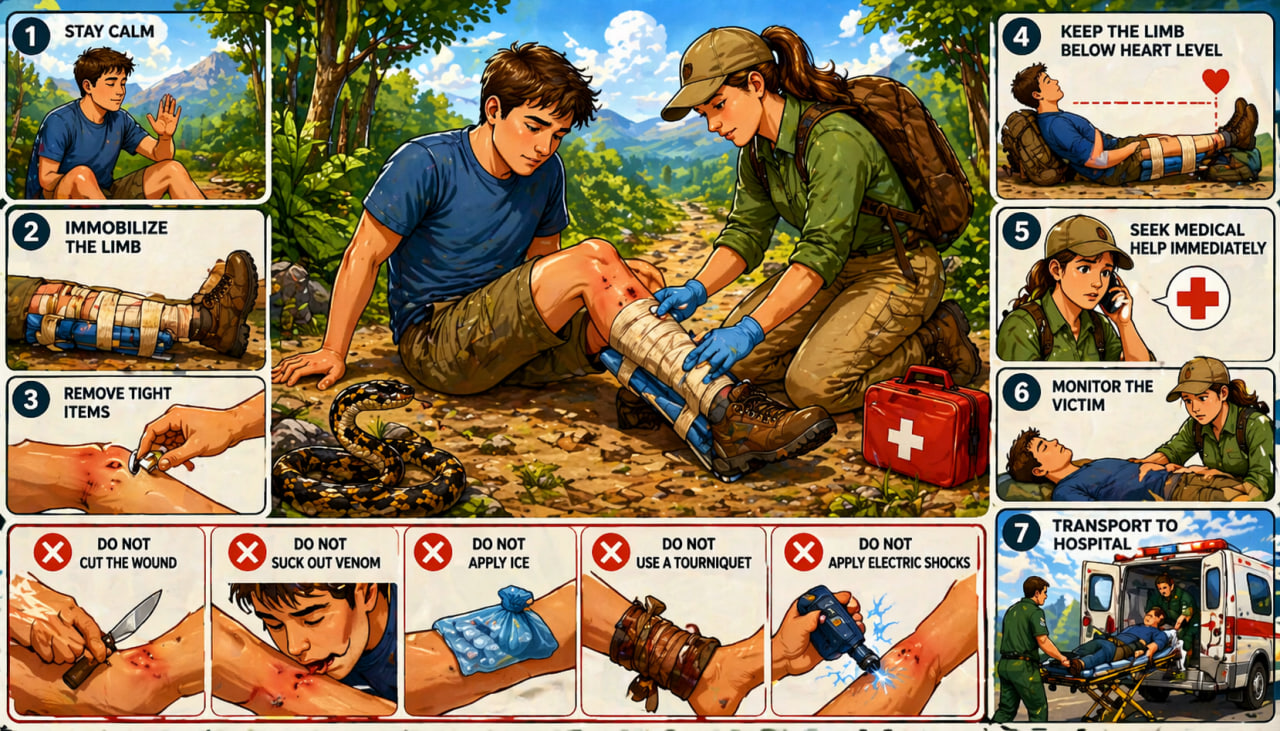
First Aid for Snake Bites: What to Do in an Emergency

Snake bites can be frightening and potentially dangerous, especially in regions where venomous species are common. However, with the right knowledge and immediate first aid, the risks can be significantly reduced. Understanding how to respond quickly and correctly can save lives and prevent serious complications. This guide provides a detailed, science-based approach to snake bite first aid, helping you stay prepared in emergency situations.

Centipedes (Scolopendra): Why You Should Be Careful
Smart & Healthy Healthy Lifestyle Public Health

Centipedes (Scolopendra): Why You Should Be Careful

Centipedes, especially those from the genus Scolopendra, are among the most intimidating arthropods found in tropical and subtropical regions. Known for their speed, aggressive behavior, and venomous bite, these creatures often trigger fear and curiosity alike. While they play an important ecological role as predators, encounters with large centipedes can be painful and, in rare cases, medically significant. Understanding their behavior, habitat, and risks is essential for anyone living in or traveling through regions where they are found.

Antiseptics: History, Science, and Modern Use
Medical Innovations Public Health First aid

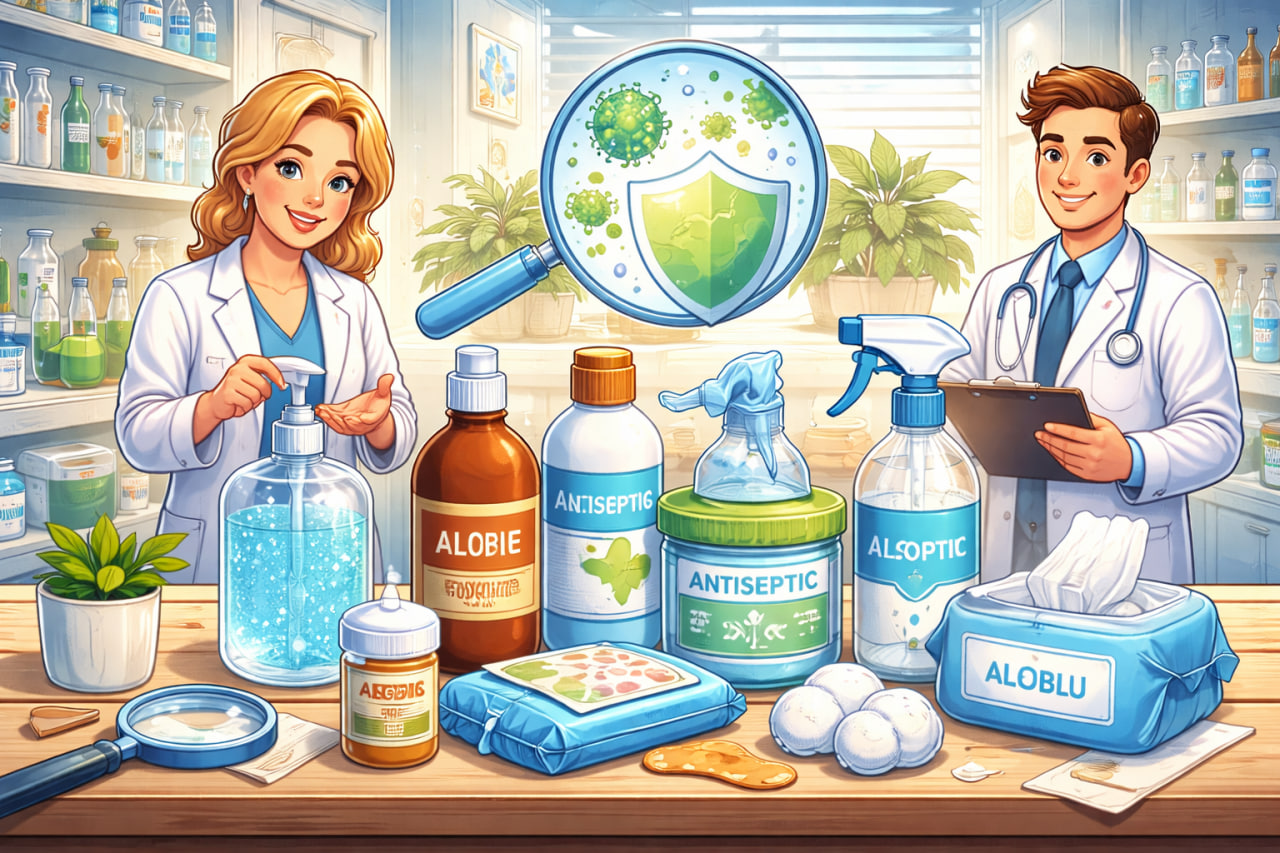
Antiseptics: History, Science, and Modern Use

Antiseptics are substances used to prevent the growth of harmful microorganisms on living tissues such as skin and wounds. They play a critical role in modern medicine, hygiene, and everyday life by reducing the risk of infection and improving overall health outcomes. Before the development of antiseptics, even minor injuries could lead to serious or fatal infections. Today, antiseptics are a fundamental part of healthcare systems worldwide, used in hospitals, clinics, and homes. Their effectiveness lies in their ability to destroy or inhibit bacteria, viruses, and fungi without causing significant harm to human tissues when used properly. Understanding how antiseptics work and how they developed helps explain their importance in modern society.

How to Nourish the Body During Illness
Fuel Your Body Public Health First aid

How to Nourish the Body During Illness

When the body is fighting an illness, its nutritional needs change significantly, requiring more energy, hydration, and specific nutrients to support recovery. During this time, the immune system becomes highly active, increasing metabolic demand and using up vitamins, minerals, and proteins more rapidly than usual. Proper nourishment does not just provide fuel—it directly influences how efficiently the body can repair tissues, regulate inflammation, and combat infection. While appetite often decreases during illness, maintaining a balanced intake of easily digestible foods and fluids is essential for recovery. Understanding how to support the body nutritionally during sickness can help shorten recovery time and reduce complications. Even small adjustments in diet can make a meaningful difference in how the body responds to illness.

How to Calm Down Quickly: Practical Techniques That Actually Work
Smart & Healthy Stress Management First aid

How to Calm Down Quickly: Practical Techniques That Actually Work

In today’s fast-paced world, stress and anxiety can appear suddenly—before an important meeting, during conflict, or even without a clear reason. The ability to calm down quickly is not just useful, but essential for maintaining mental clarity, emotional balance, and overall well-being. Fortunately, there are simple and effective techniques that can help you regain control in just a few minutes.