
Helicin: A New Experimental Antibiotic Capable of Killing Superbugs
Helicin is an innovative experimental antibiotic designed to combat superbugs — dangerous bacteria that have developed resistance to multiple existing drugs.
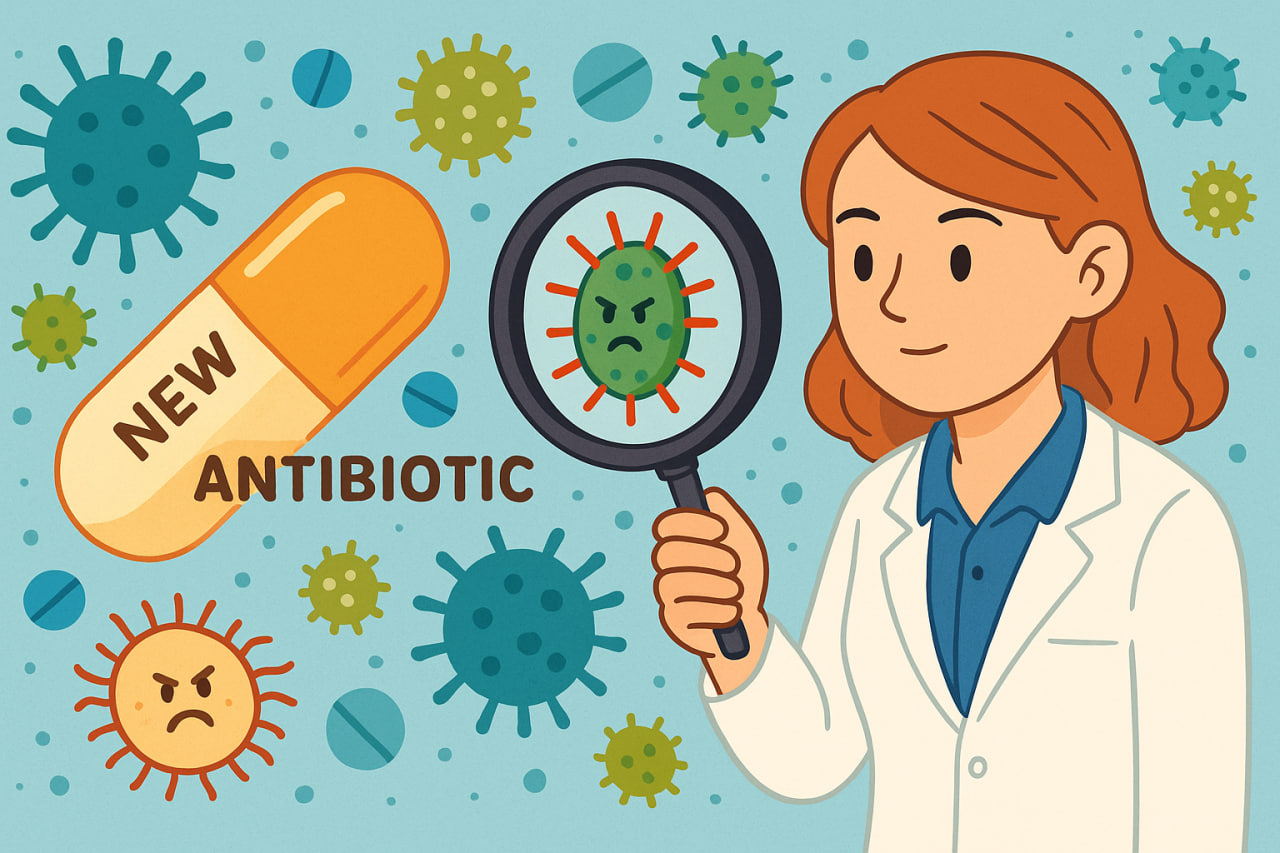
Helicin is an innovative experimental antibiotic designed to combat superbugs — dangerous bacteria that have developed resistance to multiple existing drugs.

The question of who appeared first — a man or a woman — has been asked in many cultures throughout history, often appearing in myths, religious stories, and philosophical discussions.

Magnetic Resonance Imaging (MRI) is one of the most advanced diagnostic tools used in modern medicine, providing detailed images of internal organs, tissues, and structures without harmful...

Crowds have a profound influence on how individuals think, act, and respond to their environment, often altering behavior in ways people do not anticipate.
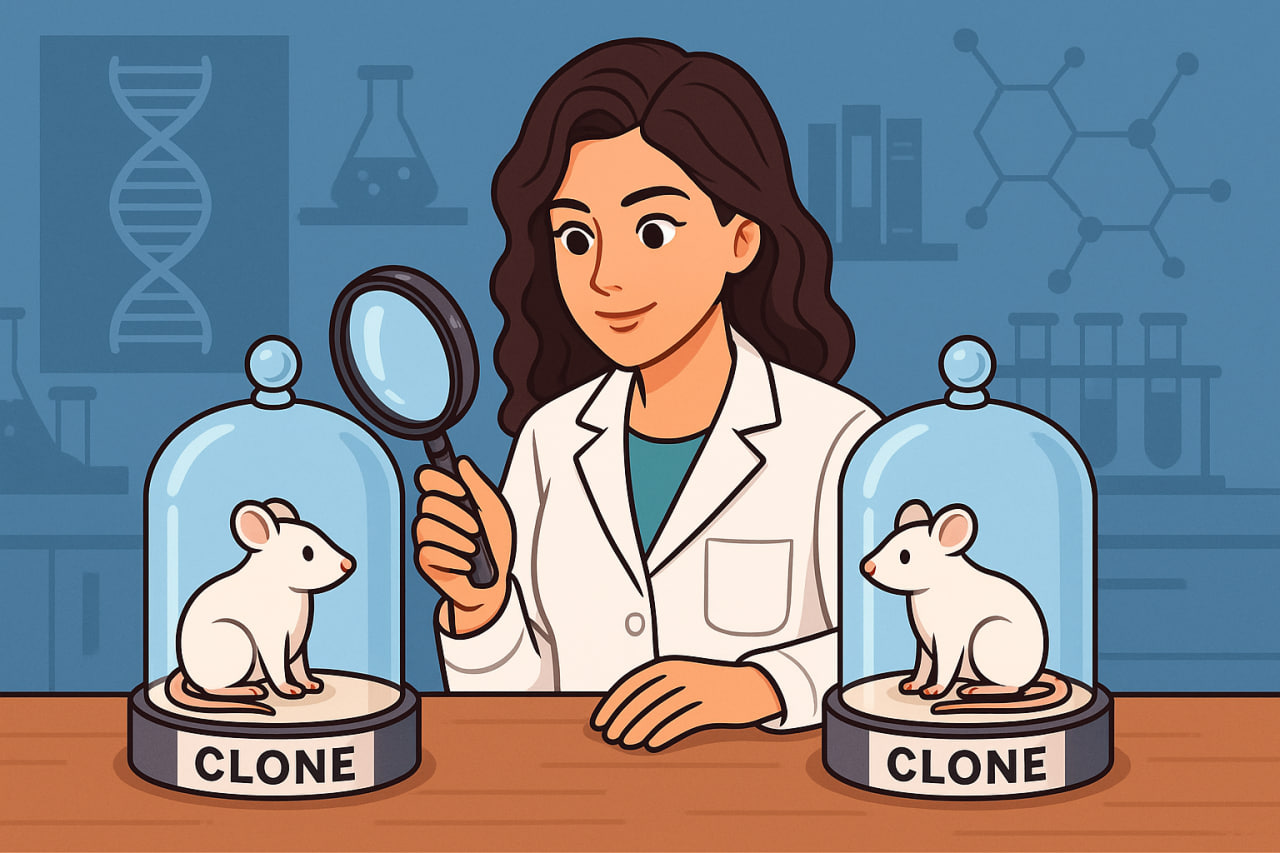
Cloning refers to the scientific process of creating genetically identical copies of biological organisms, cells, or DNA sequences.

Genetic mutations are changes that occur within the DNA sequence, influencing how living organisms grow, function, and evolve.
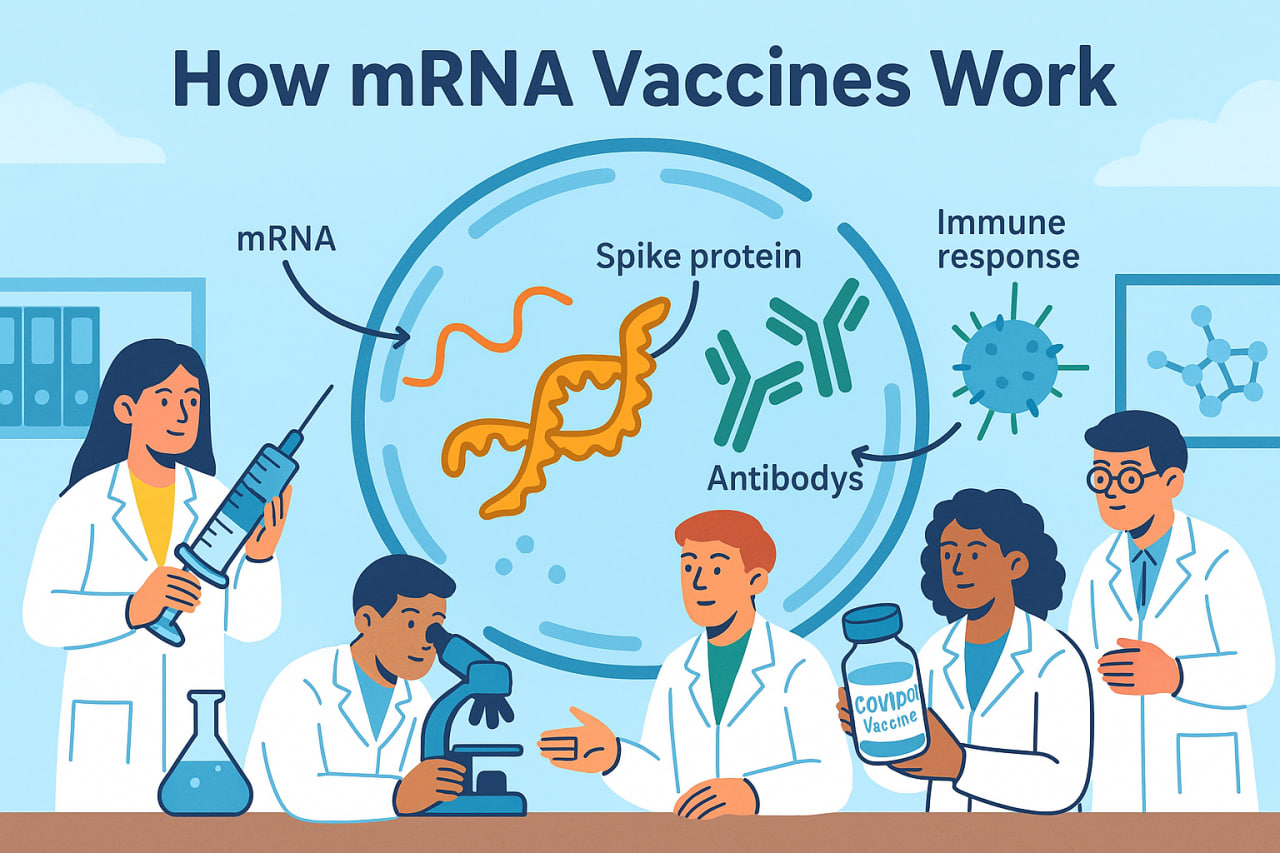
Messenger RNA (mRNA) vaccines represent one of the most significant breakthroughs in medical science in recent decades.
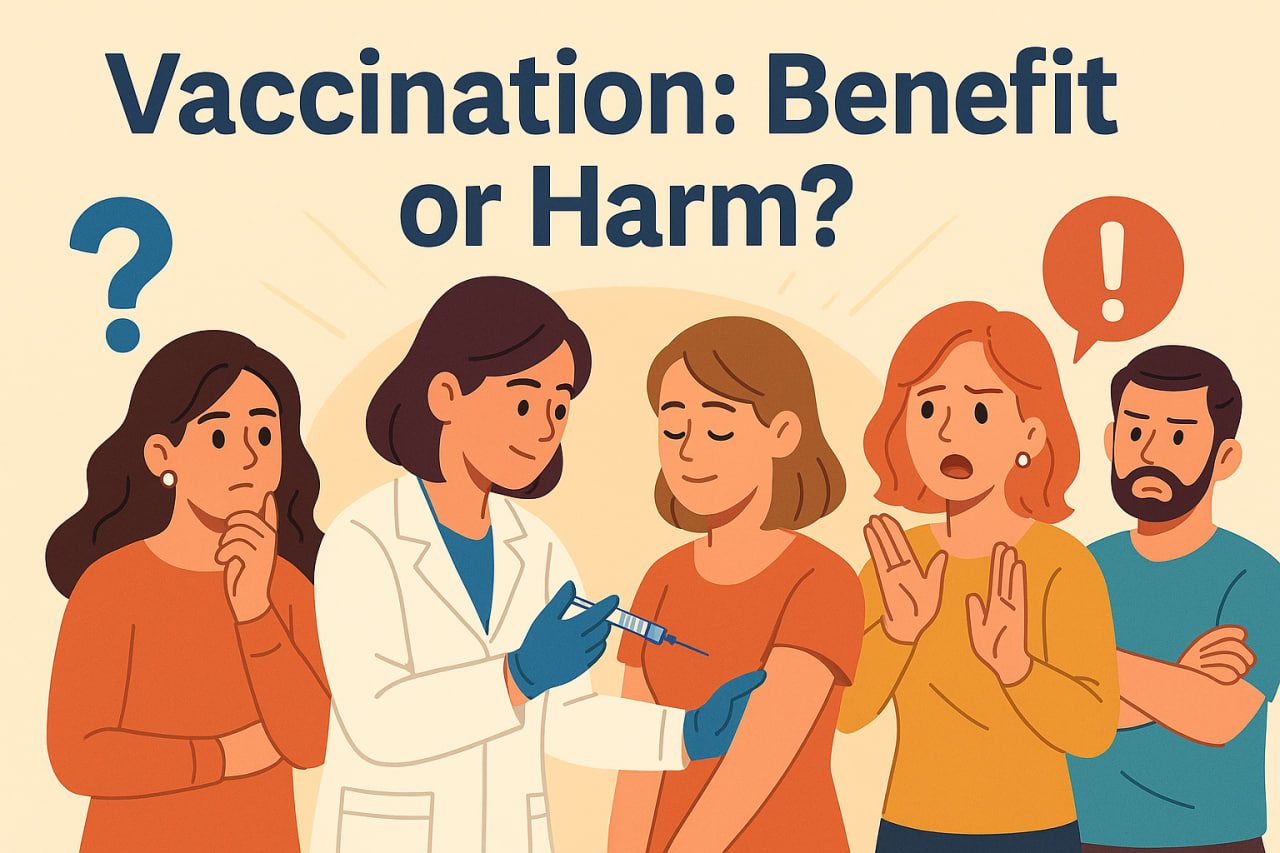
Vaccination is a medical strategy used to train the immune system to recognize and respond to specific pathogens, such as viruses and bacteria.
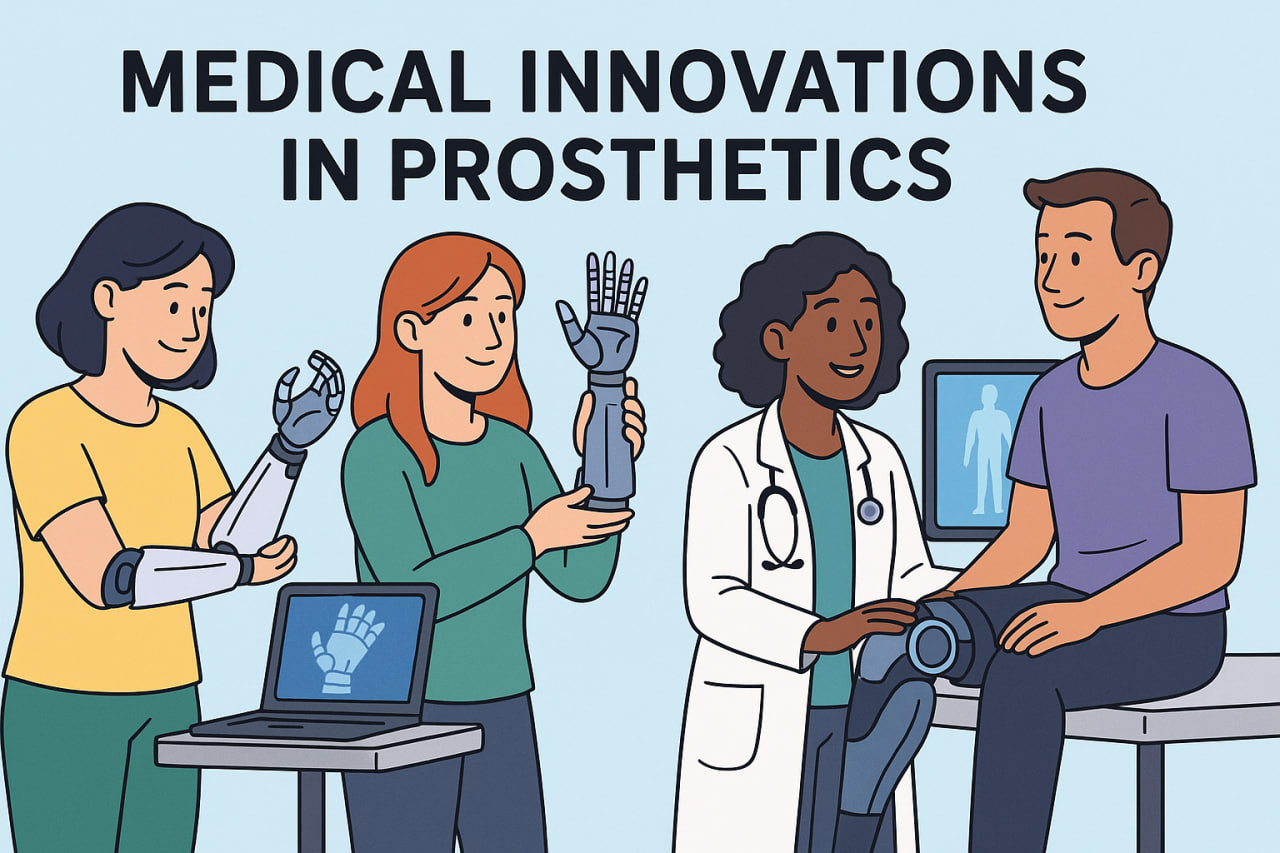
Innovations in prosthetics have advanced rapidly in recent decades, transforming artificial limbs from simple mechanical tools into complex, intelligent systems that closely mimic natural...

Vertebrology is a medical field dedicated to the study, diagnosis, and treatment of conditions related to the spine, spinal cord, and surrounding musculoskeletal structures.