
Nanotechnology in Medicine: Precision at the Scale of Atoms
Nanotechnology in medicine represents a profound shift in how scientists understand, diagnose, and treat diseases.

Nanotechnology in medicine represents a profound shift in how scientists understand, diagnose, and treat diseases.
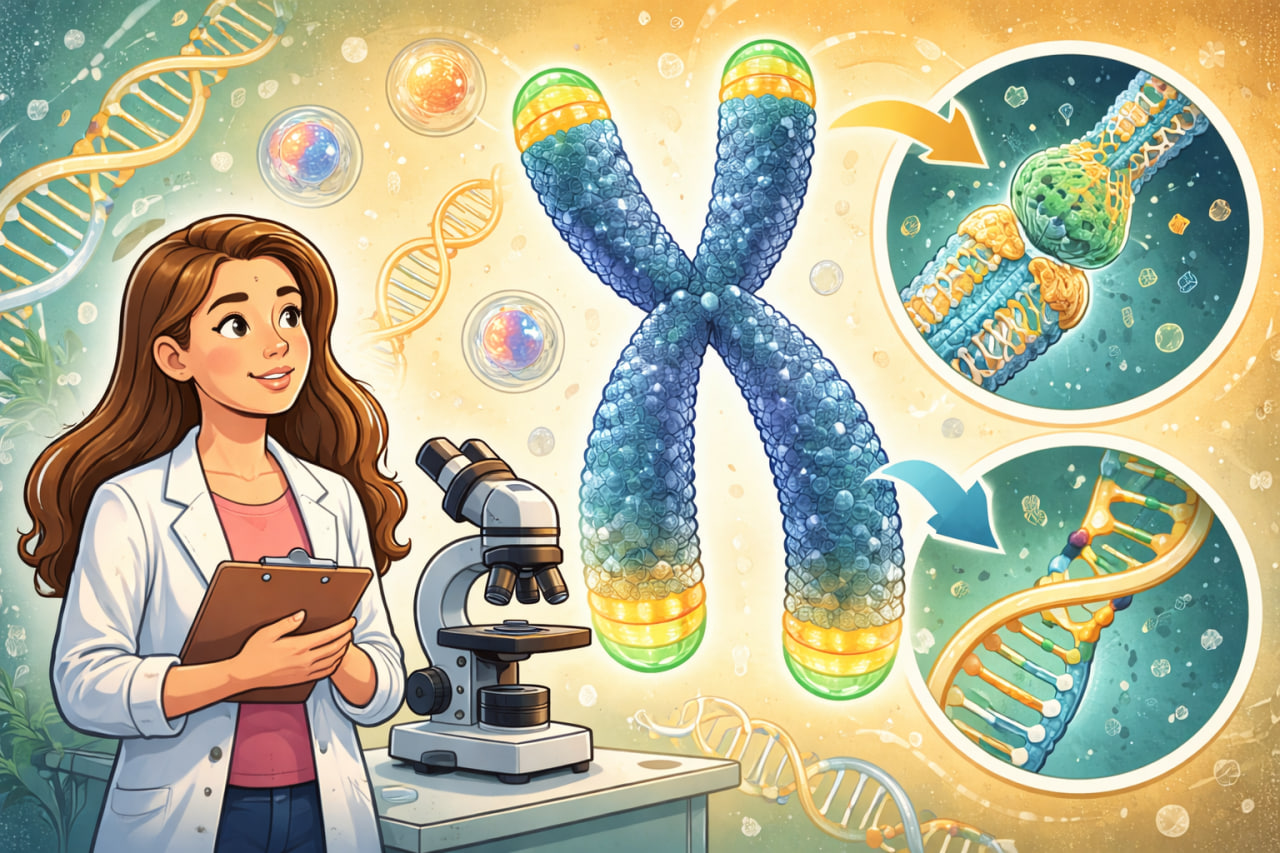
Telomeres and telomerase play a central role in how cells age, divide, and maintain genetic stability over time.
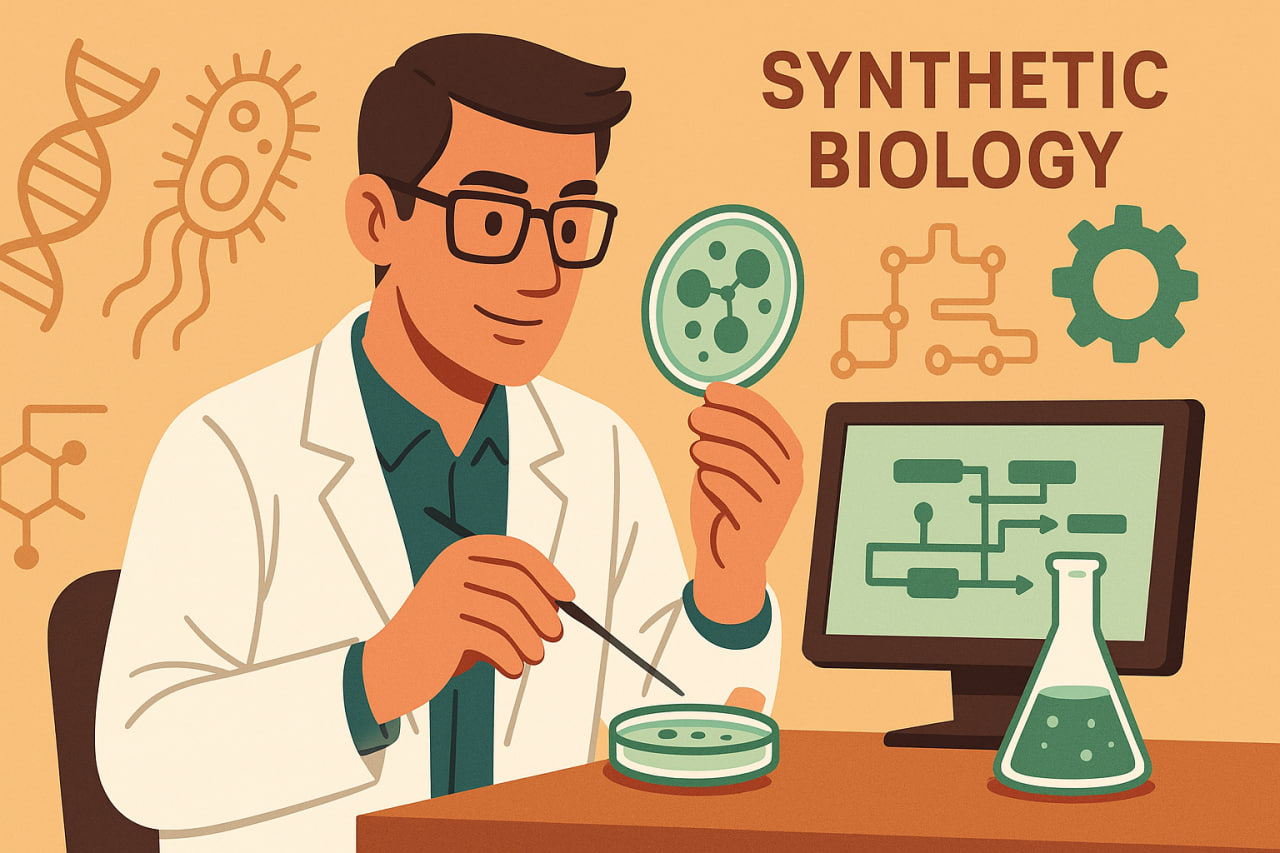
Synthetic biology is a rapidly developing scientific field that combines biology, engineering, and computer science to design and construct new biological systems or redesign existing ones.
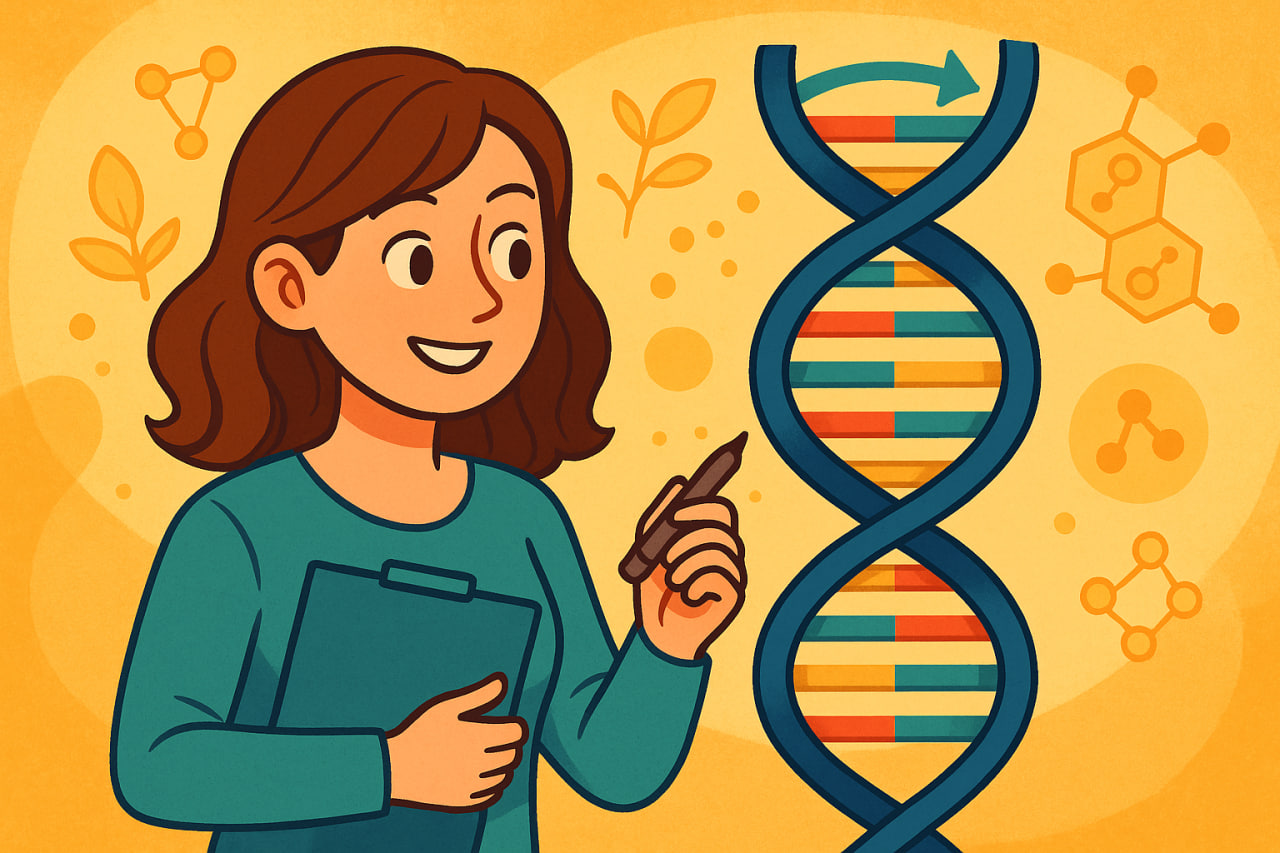
Epigenetics is one of the most fascinating areas of modern biology, revealing that genes are not rigid instructions but dynamic systems influenced by life experiences.
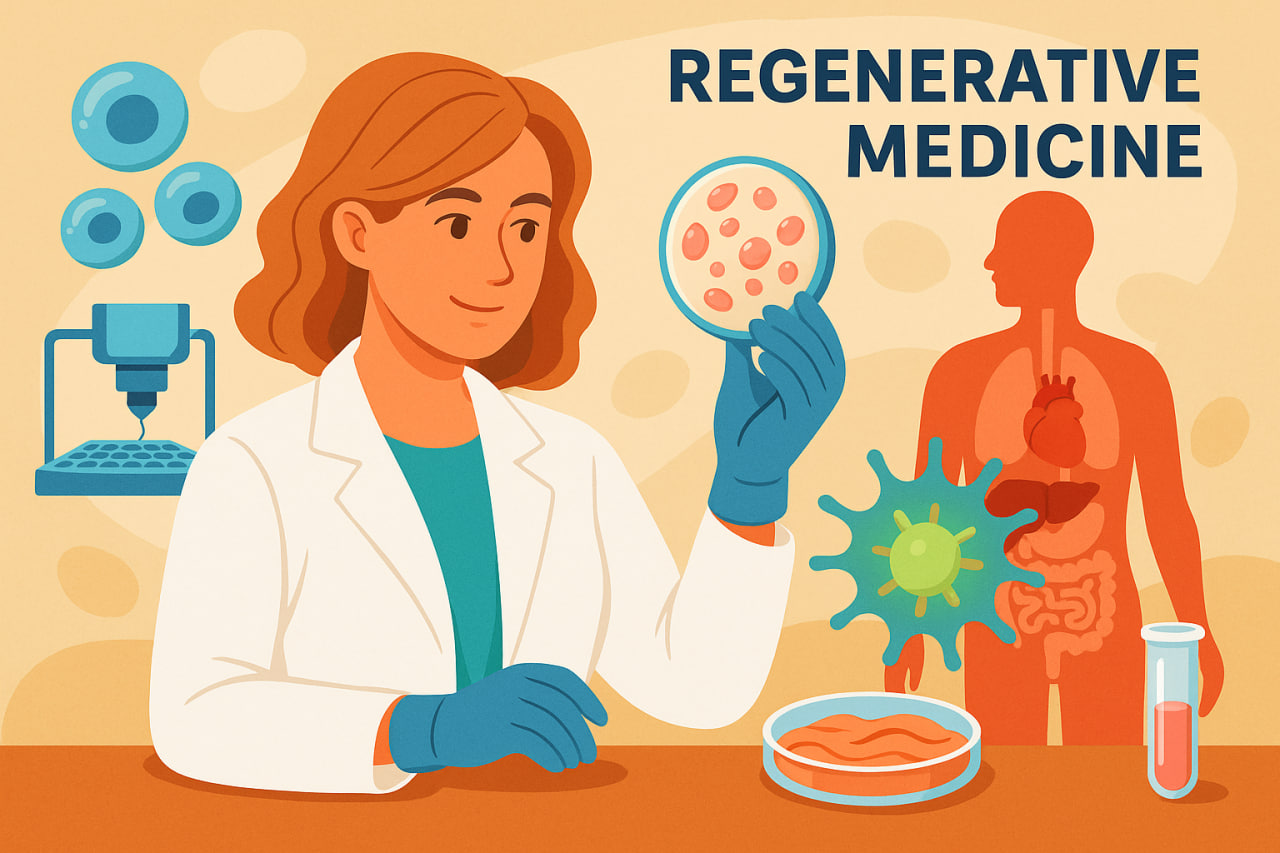
Regenerative medicine is a rapidly advancing field focused on repairing, replacing, or regenerating damaged tissues and organs by activating the body’s natural healing mechanisms.

Inside the human body lives a vast and complex ecosystem of microorganisms known as the microbiome, with the largest concentration residing in the gut.
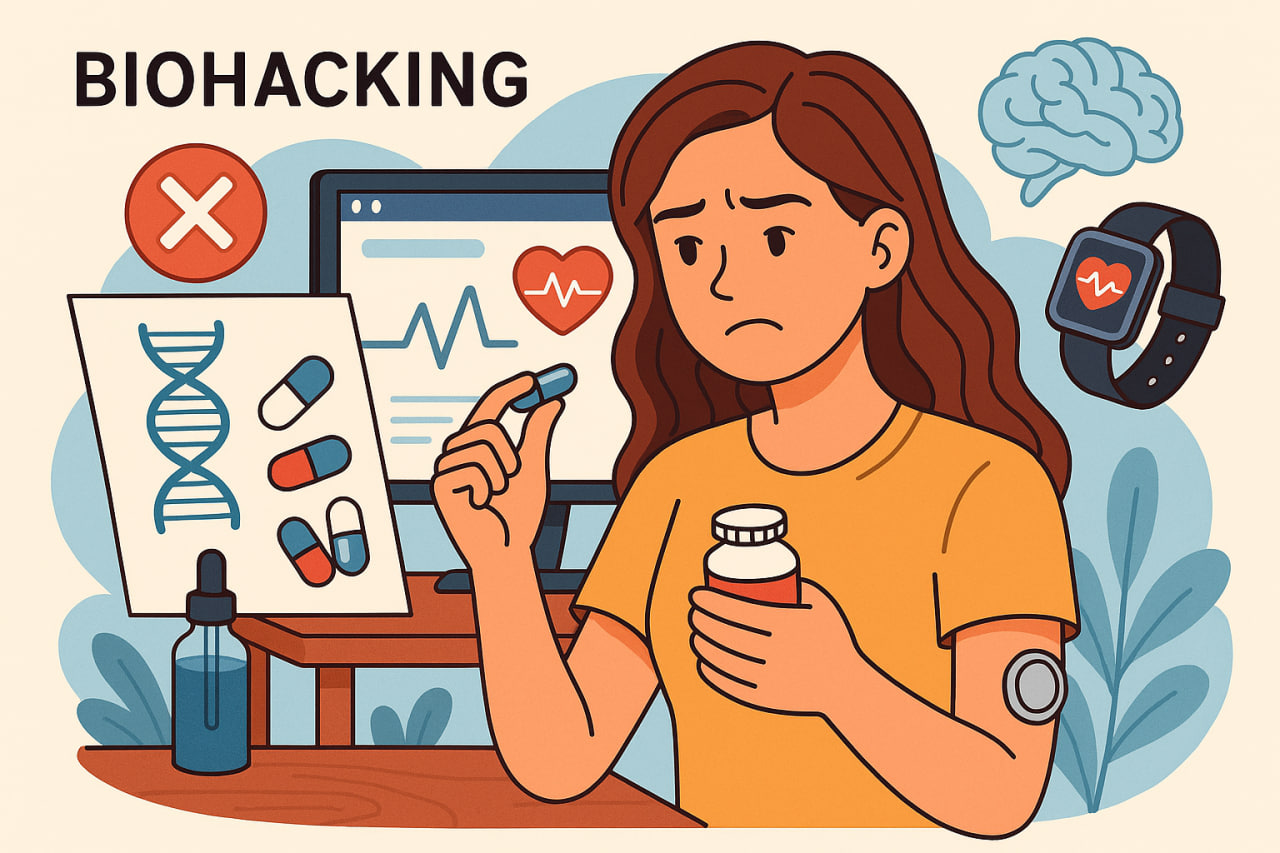
Biohacking has become a popular trend among people seeking to optimize their bodies and minds using science, technology, and self-experimentation.
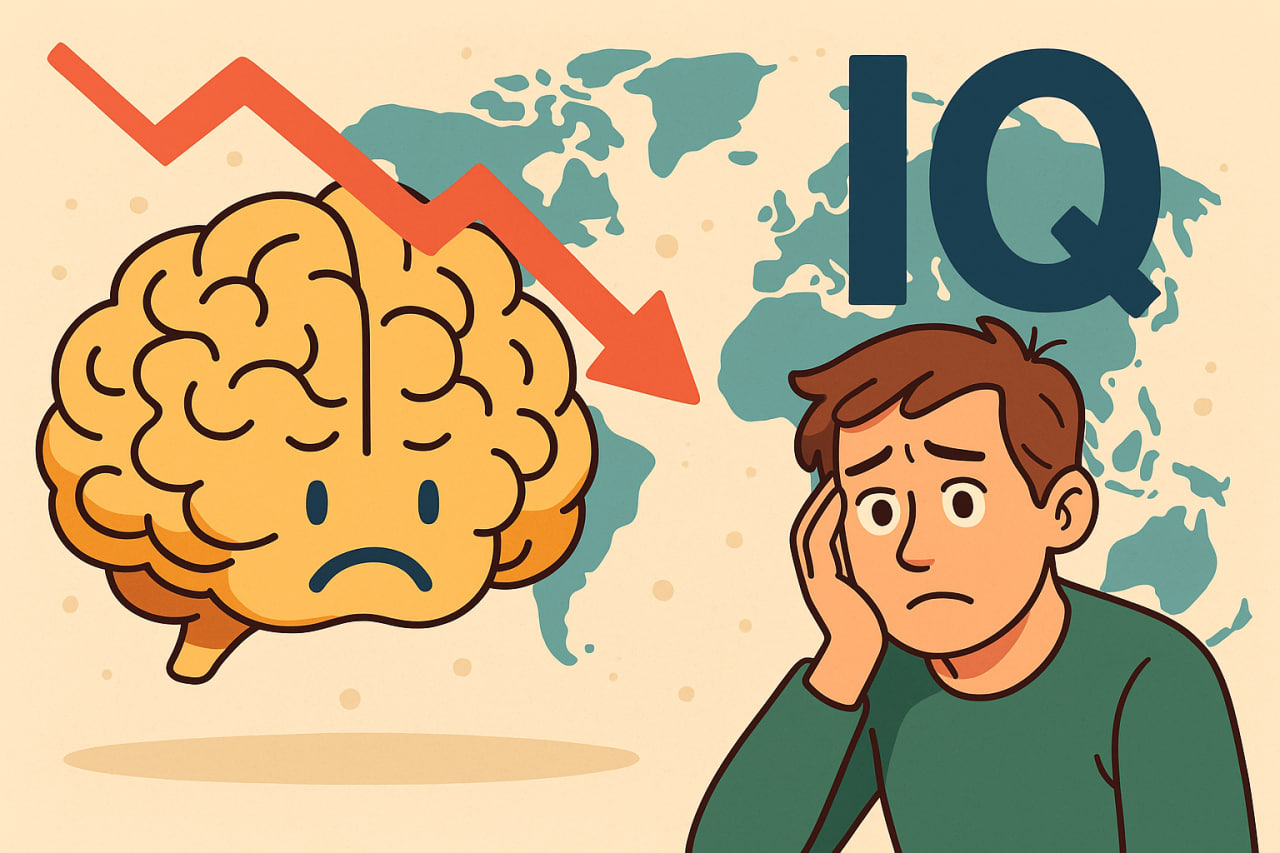
Over the past century, researchers have observed patterns suggesting that average IQ scores in several developed countries may be gradually declining.
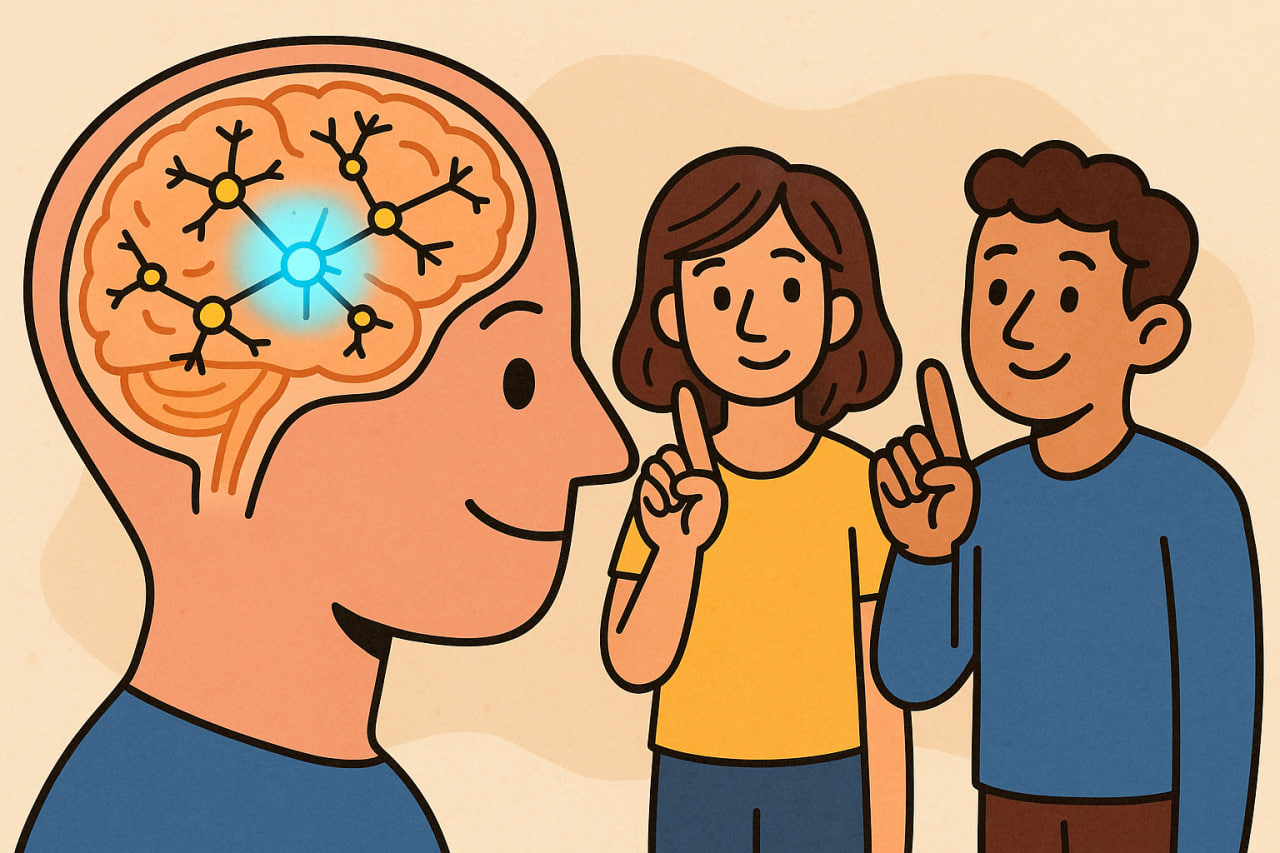
Mirror neurons are a unique class of brain cells that activate both when a person performs an action and when they observe someone else performing the same action.
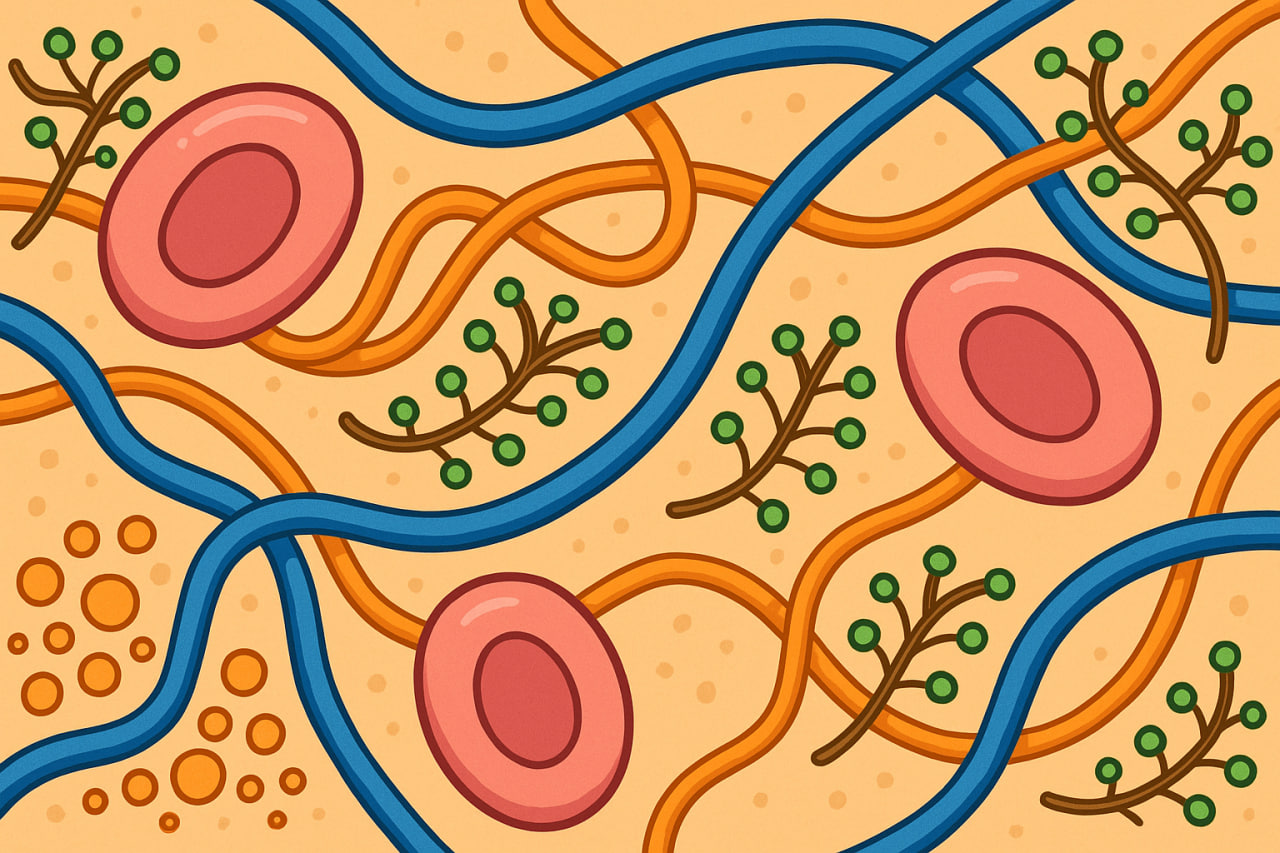
The extracellular matrix (ECM) is a complex structural network that surrounds and supports the cells in all tissues of the human body.