
The Solar Plexus: What It Is and Why It Is Important
The solar plexus, also known as the celiac plexus, is a dense network of nerves located in the upper abdomen, just behind the stomach and below the diaphragm.
Useful articles about medicine and human biology
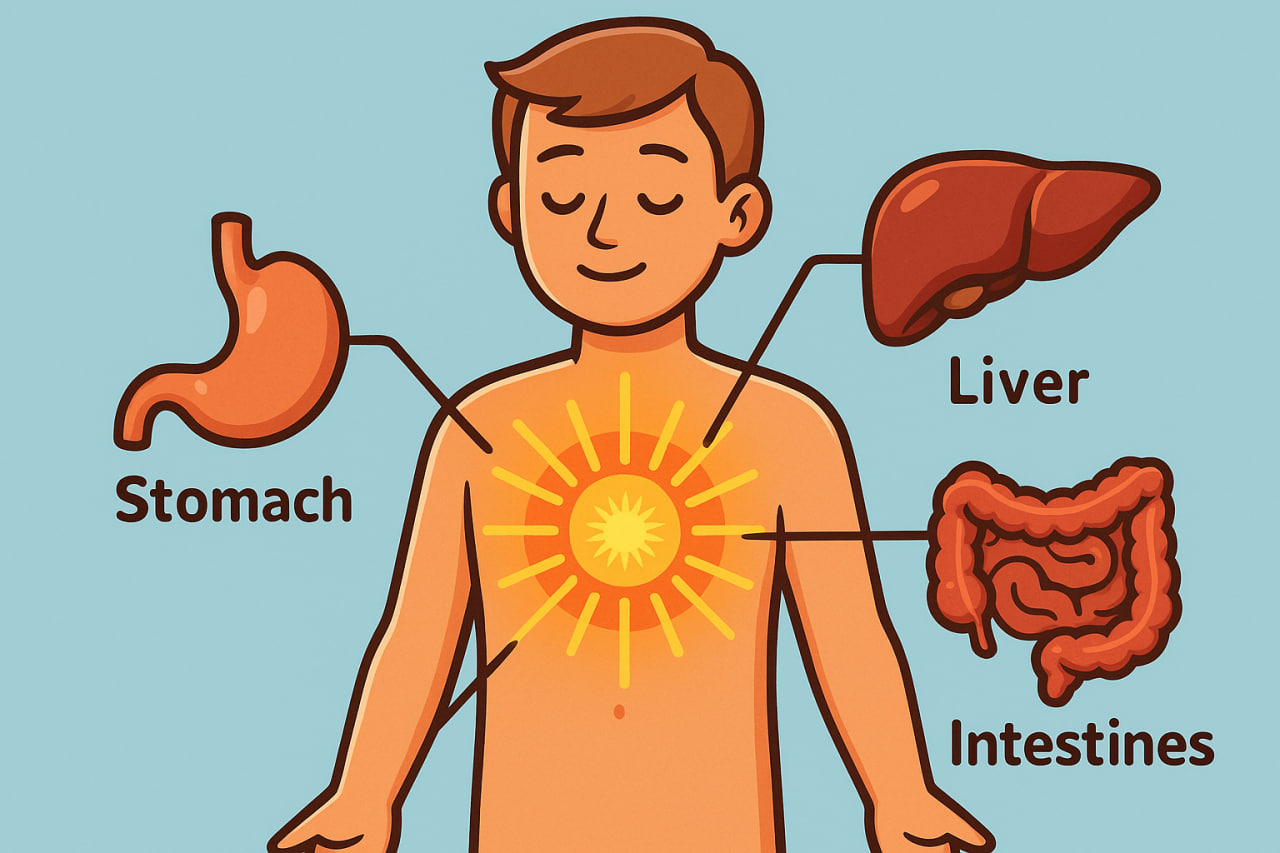
The solar plexus, also known as the celiac plexus, is a dense network of nerves located in the upper abdomen, just behind the stomach and below the diaphragm.

Swimming in seawater has been valued for centuries as a natural therapy that combines physical exercise, relaxation, and the healing properties of the ocean.

When the skin is damaged, harmful microorganisms such as bacteria, fungi, and viruses can easily enter the body.
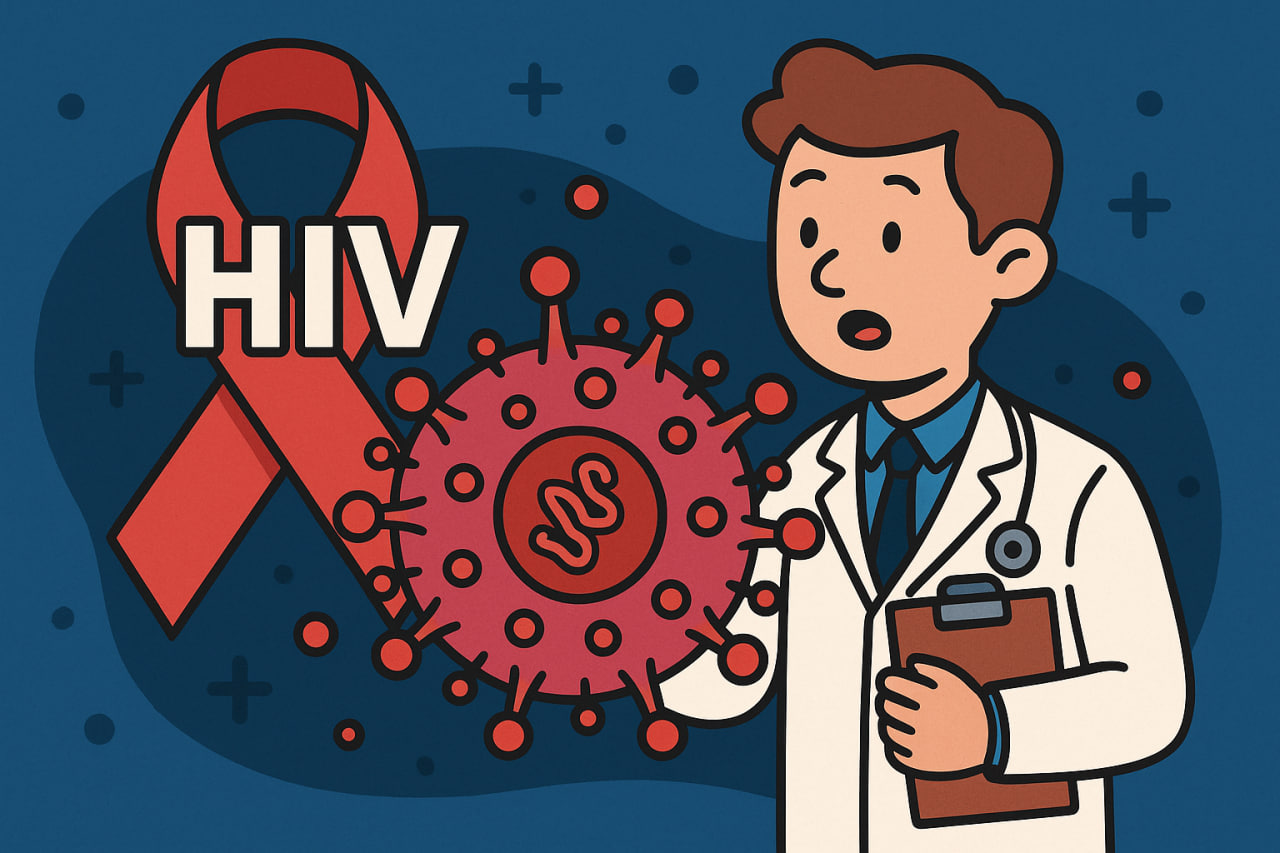
HIV (Human Immunodeficiency Virus) is a virus that attacks the human immune system, specifically targeting CD4 cells, also known as T-helper cells.
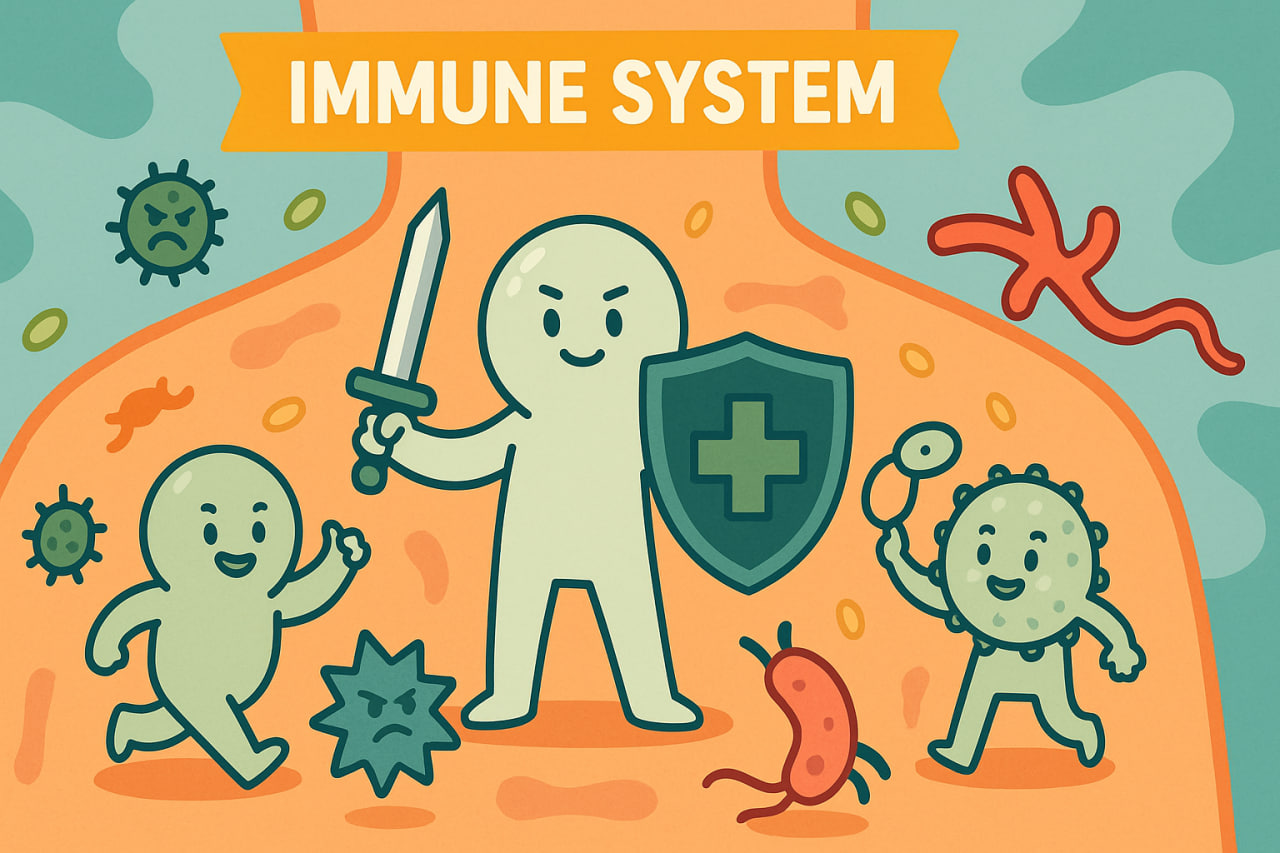
The immune system is the body’s natural defense network that protects against harmful pathogens such as bacteria, viruses, fungi, and parasites.
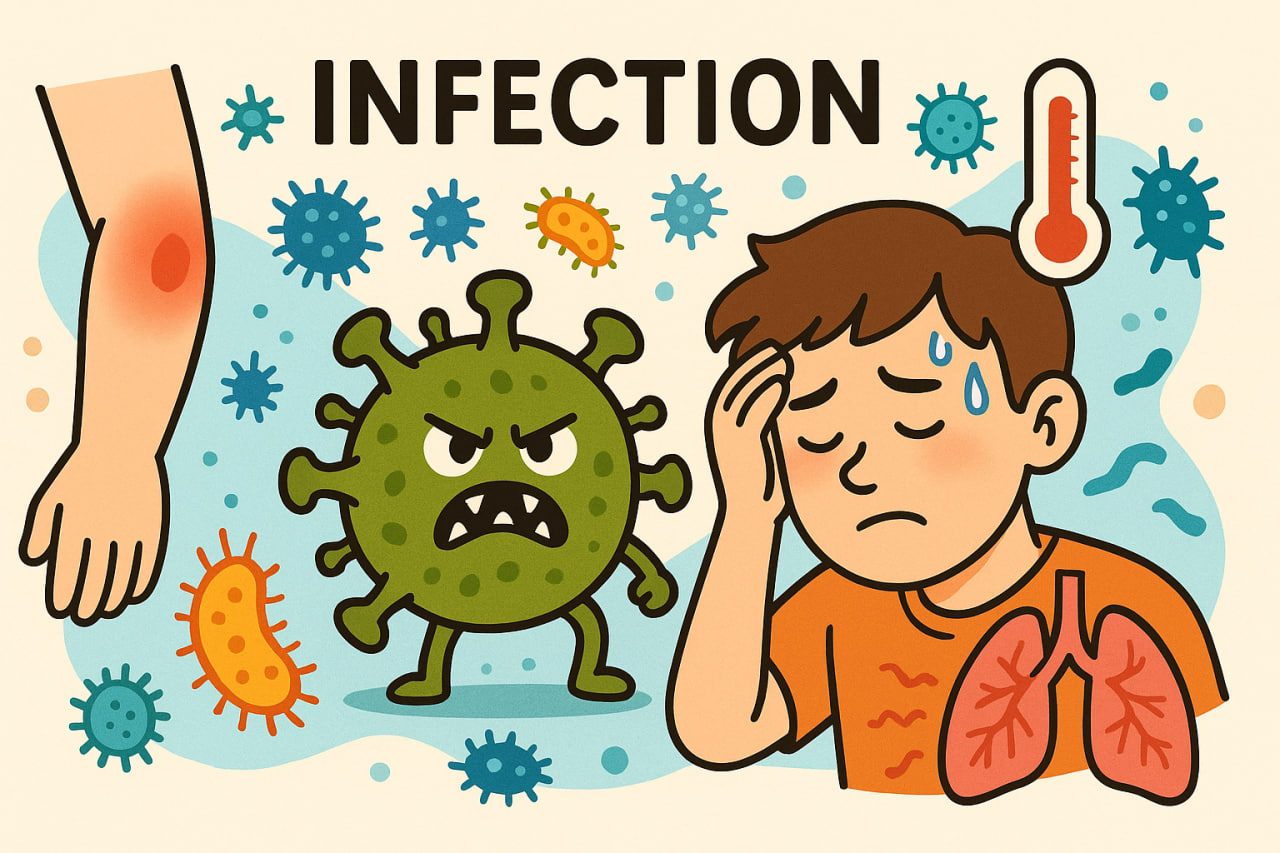
An infection occurs when harmful microorganisms such as bacteria, viruses, fungi, or parasites enter the body and begin to multiply.
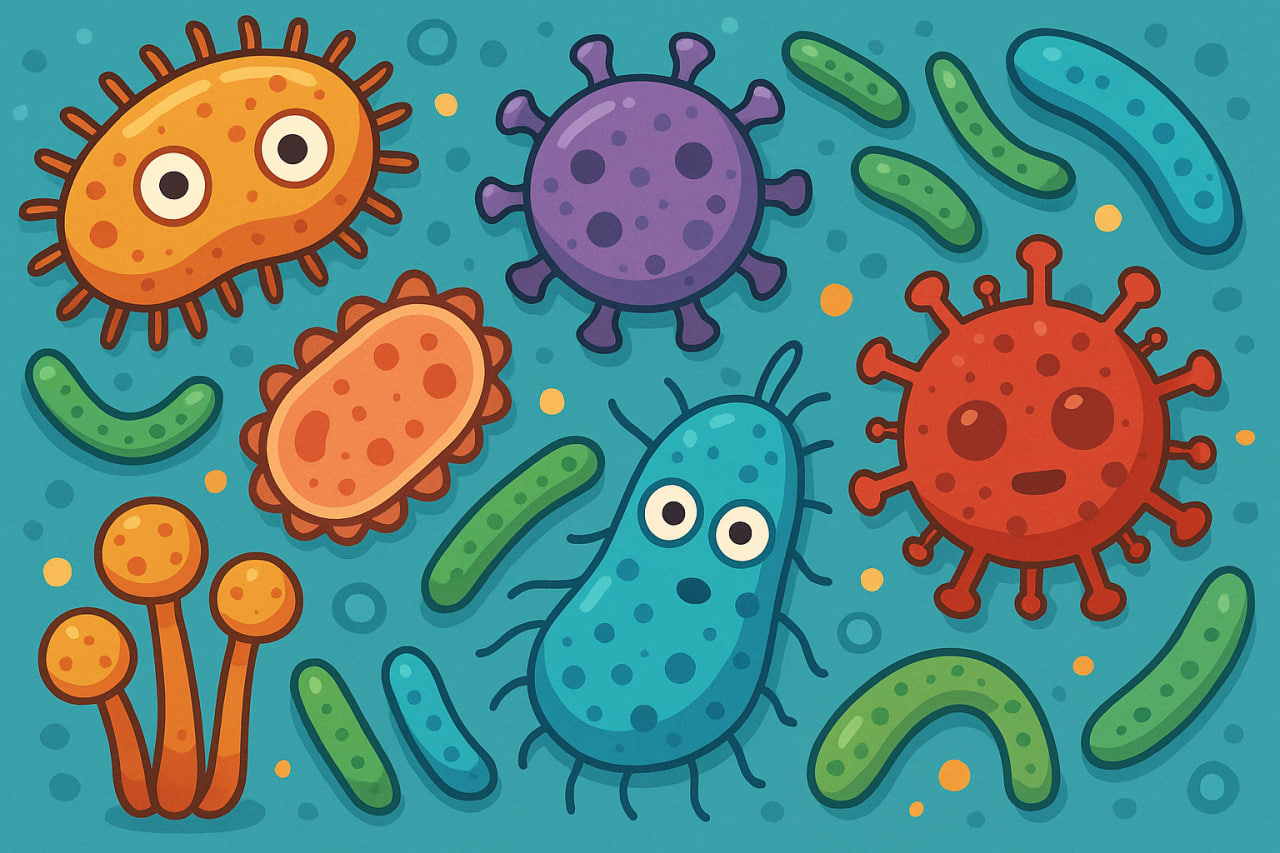
Microbes are microscopic organisms that are too small to be seen with the naked eye. They include bacteria, viruses, fungi, protozoa, and some algae.

Obesity is a chronic condition characterized by excessive accumulation of body fat that poses risks to health.

Fast food refers to meals prepared and served quickly, usually in restaurants, takeaways, or drive-thrus.
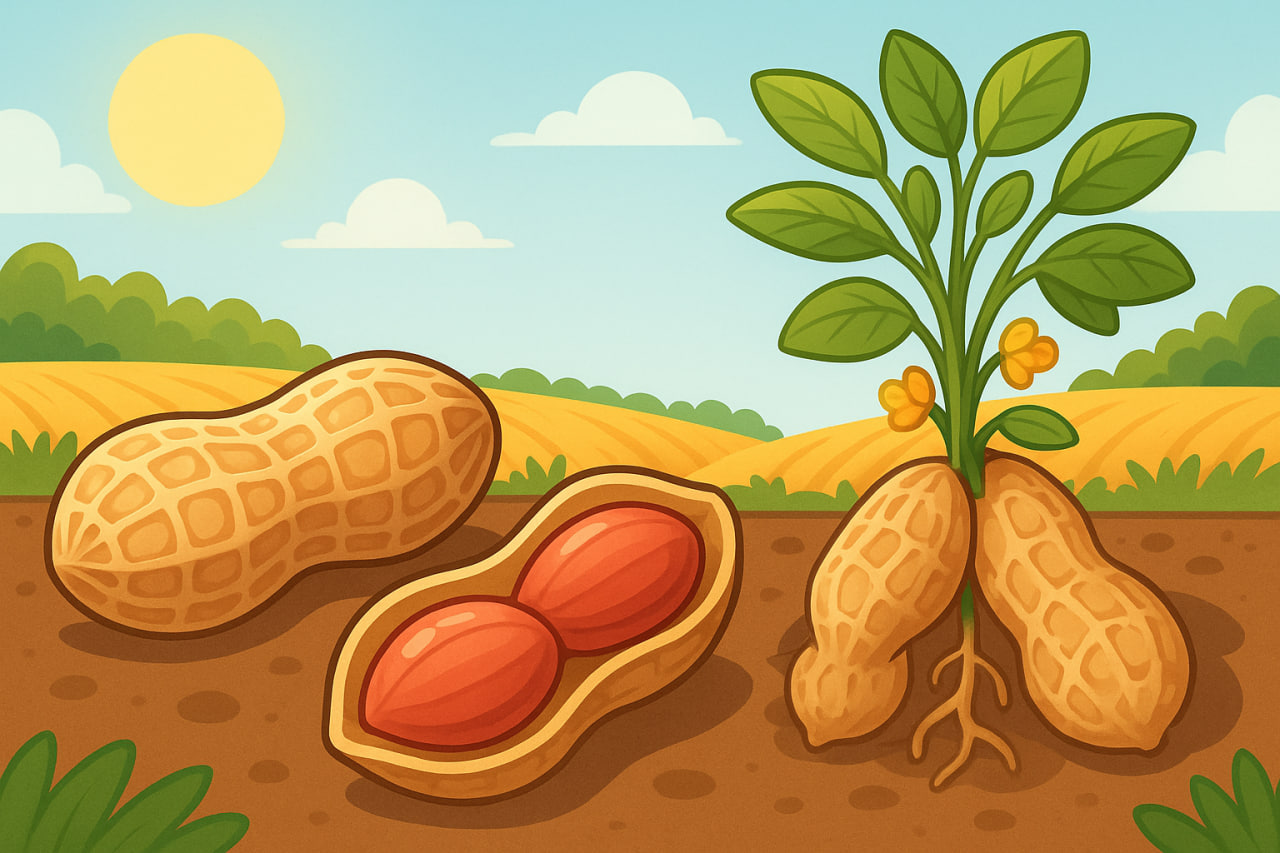
Peanuts are among the most recognizable and widely consumed foods on Earth, playing a major role in both cuisine and the global economy.