
Panic: Nature, Causes, and Consequences
Panic is an intense emotional and physiological reaction that arises suddenly, often without clear reasoning or proportional cause.
Useful articles about medicine and human biology
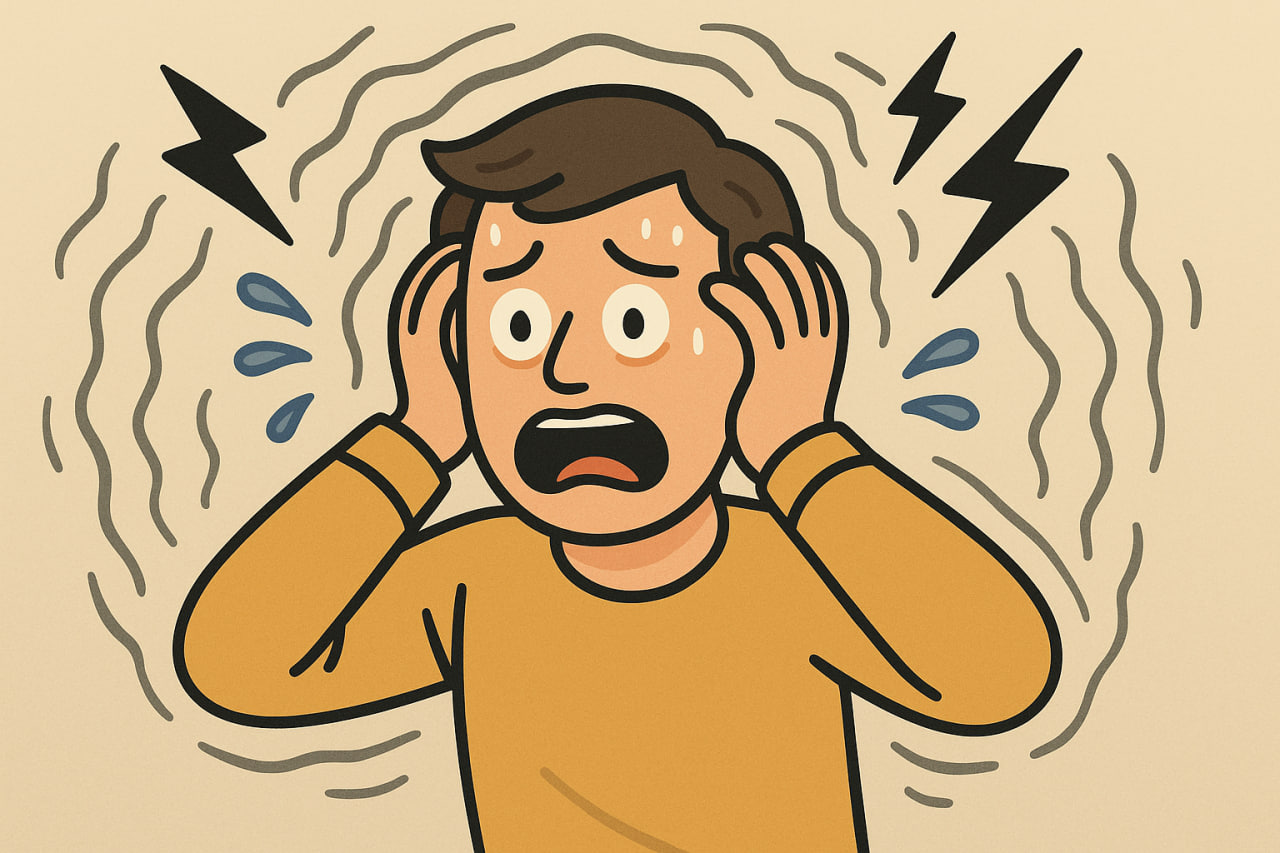
Panic is an intense emotional and physiological reaction that arises suddenly, often without clear reasoning or proportional cause.
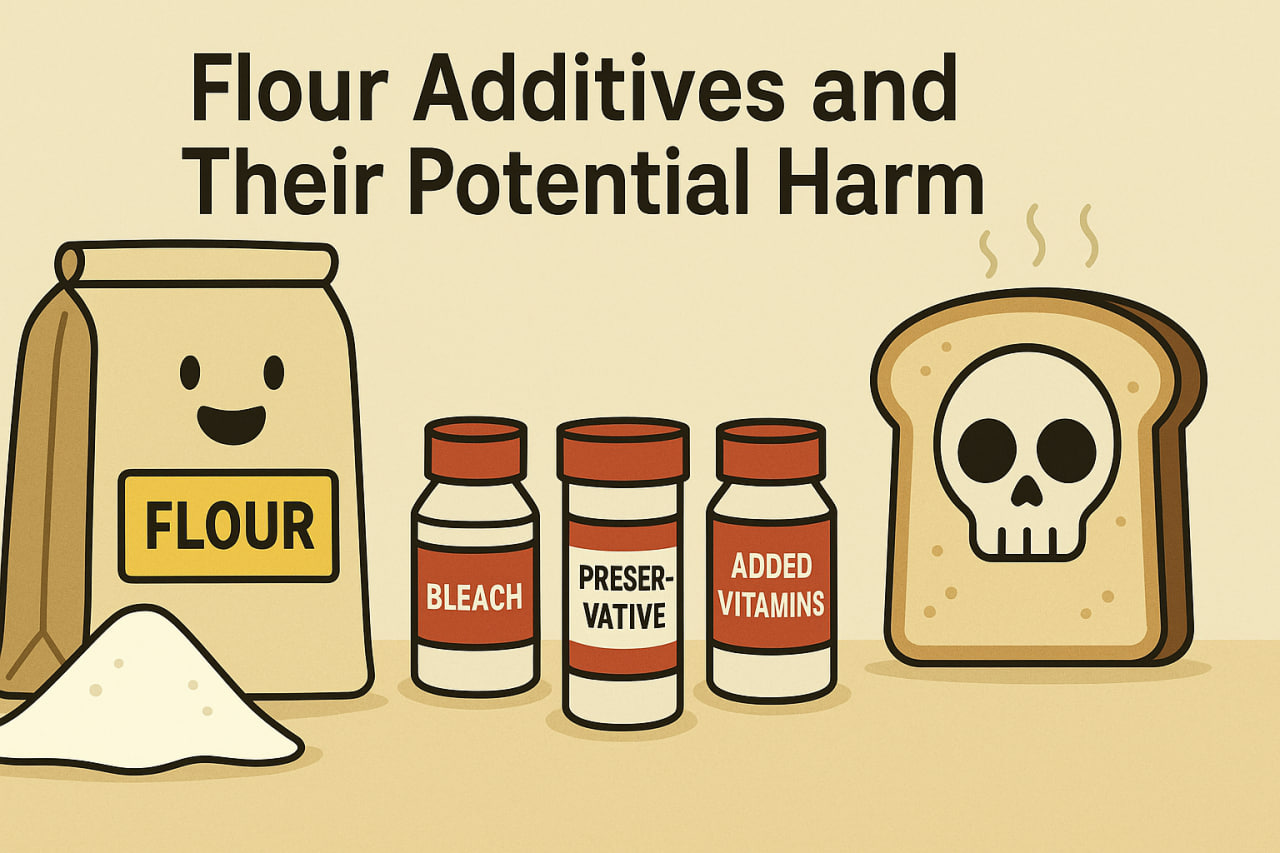
Flour additives are substances added during processing to improve baking quality, extend shelf life, or enhance color.
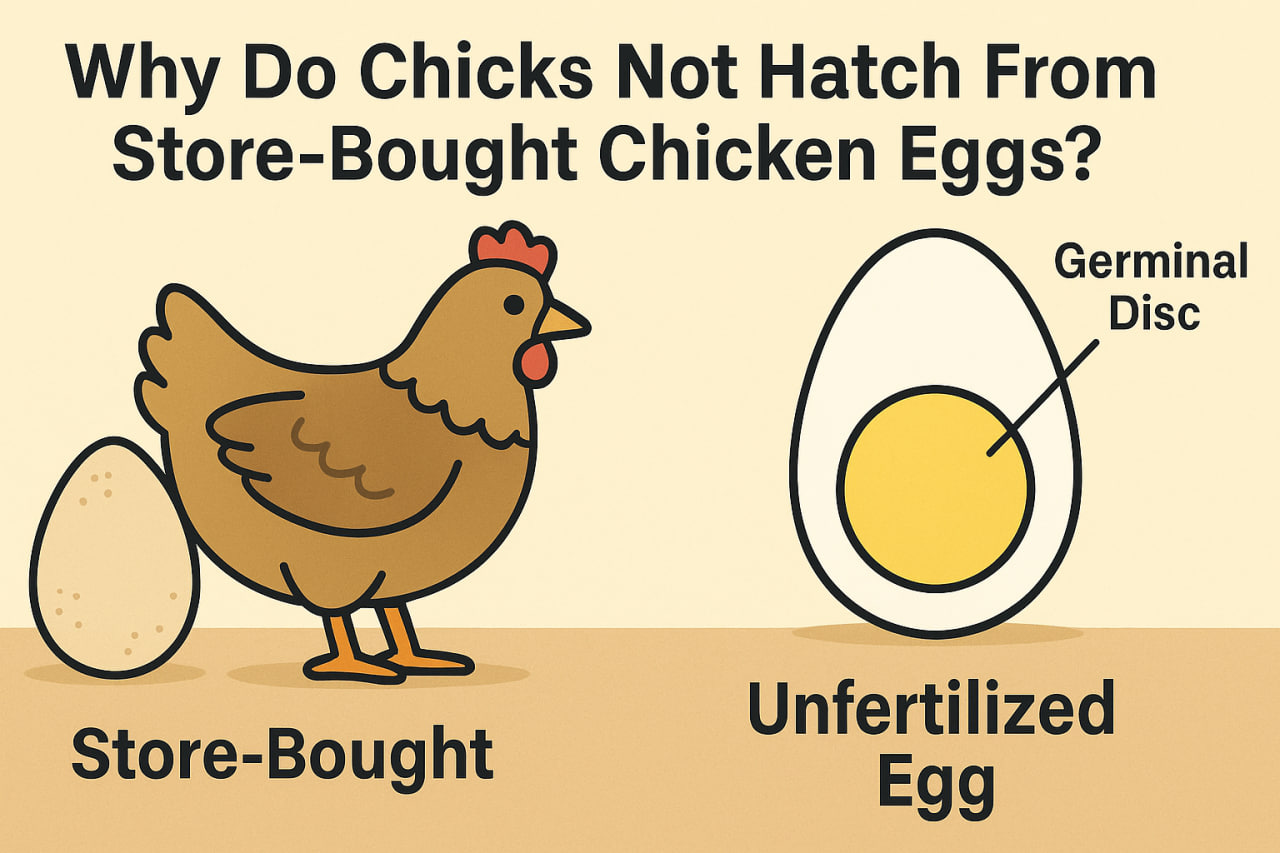
The main reason chicks do not hatch from store-bought eggs is that most commercial eggs are unfertilized.
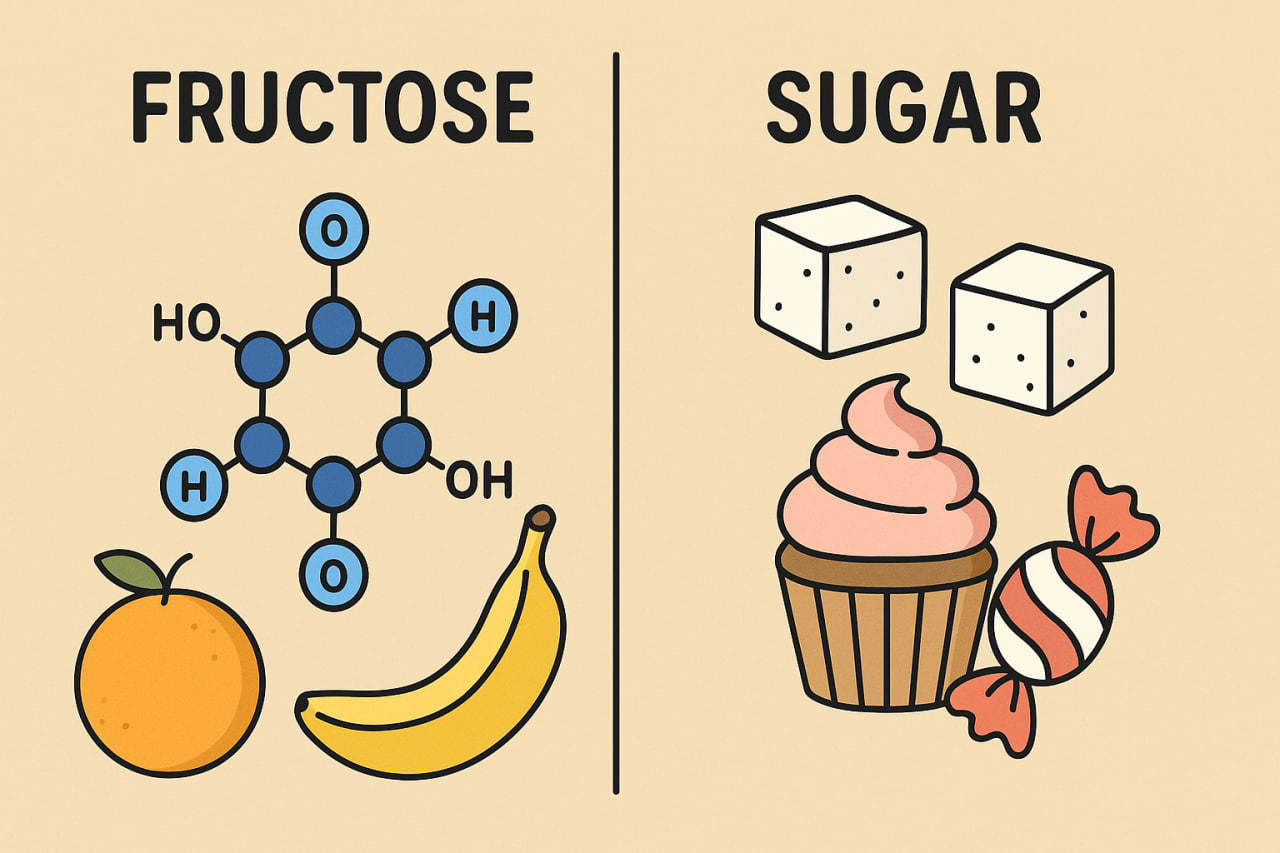
In everyday language, sugar usually refers to sucrose, the common sweetener found in table sugar. Chemically, sucrose is a disaccharide composed of two simple sugars: glucose and fructose.
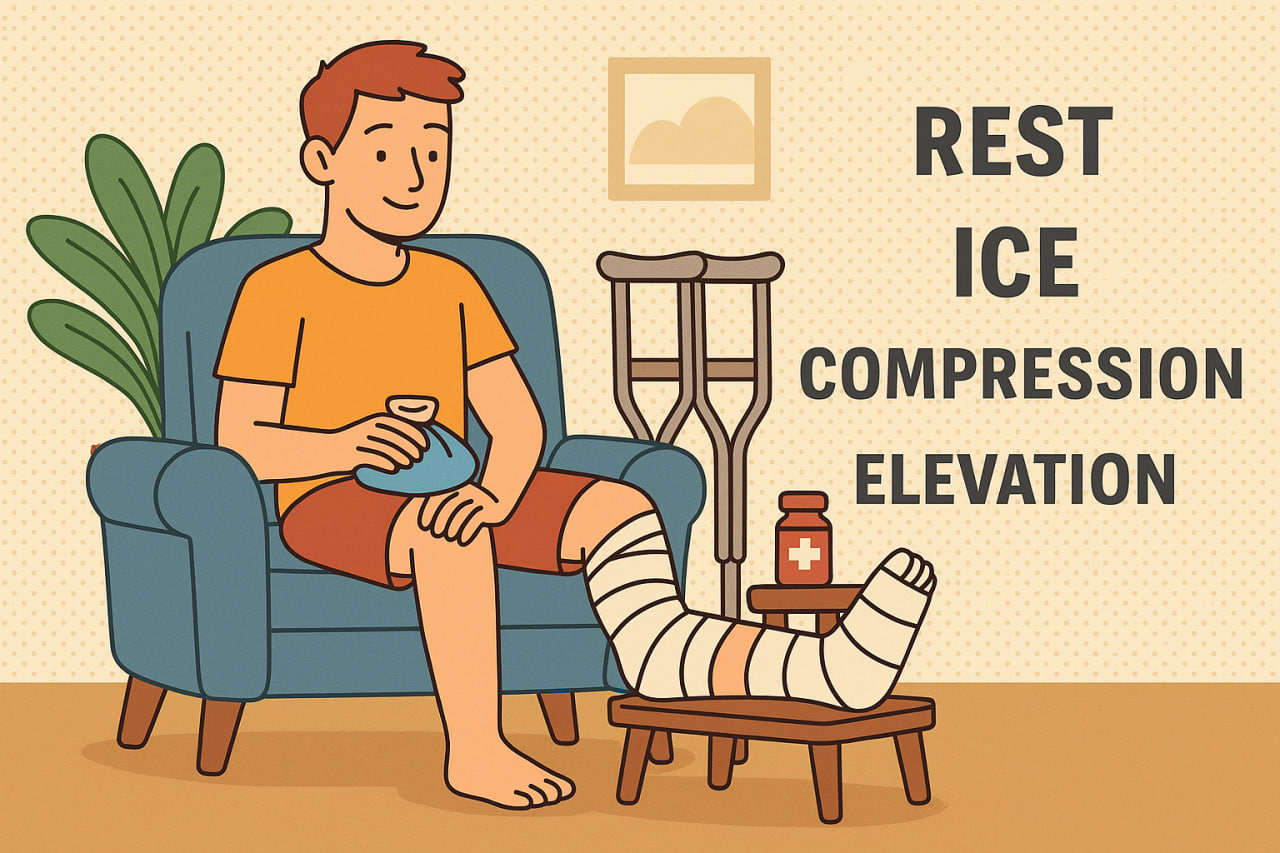
Recovery after an injury is a critical stage that helps the body heal properly and prevents long-term complications.

Cocoa has a long and fascinating history that stretches back thousands of years. The earliest evidence of cocoa use comes from Central and South America, where the Maya and Aztec...
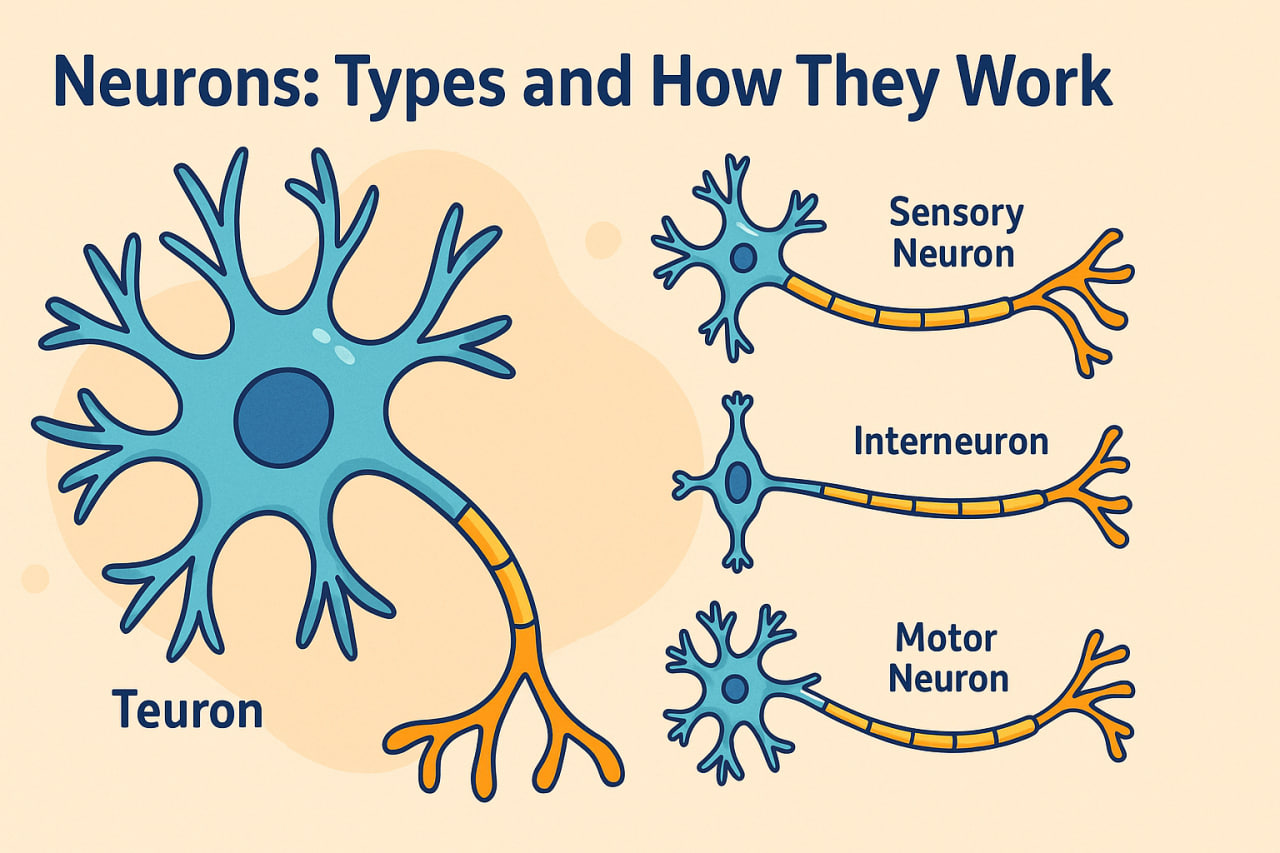
Neurons are the basic building blocks of the nervous system, responsible for transmitting information throughout the body.
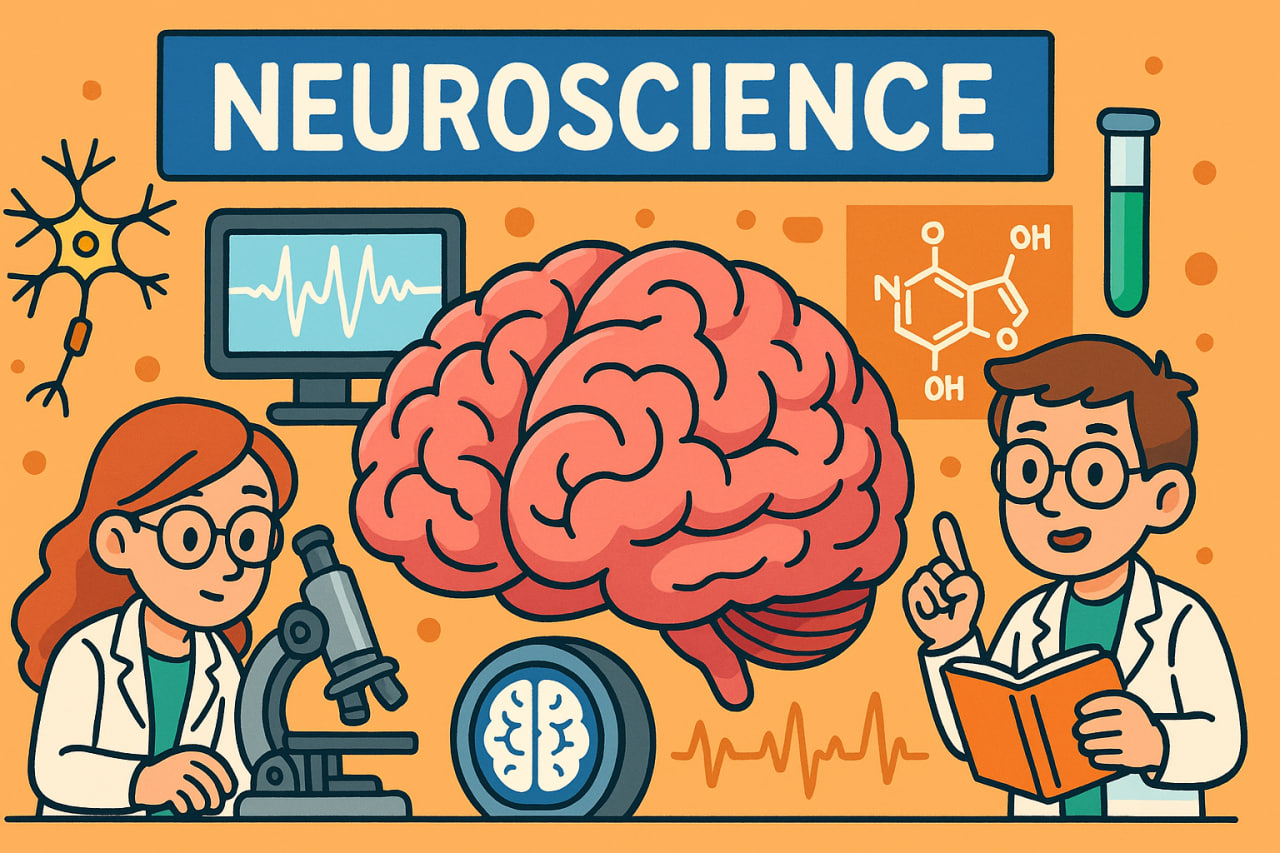
Neuroscience is the scientific study of the nervous system, including the brain, spinal cord, and networks of neurons that transmit information throughout the body.
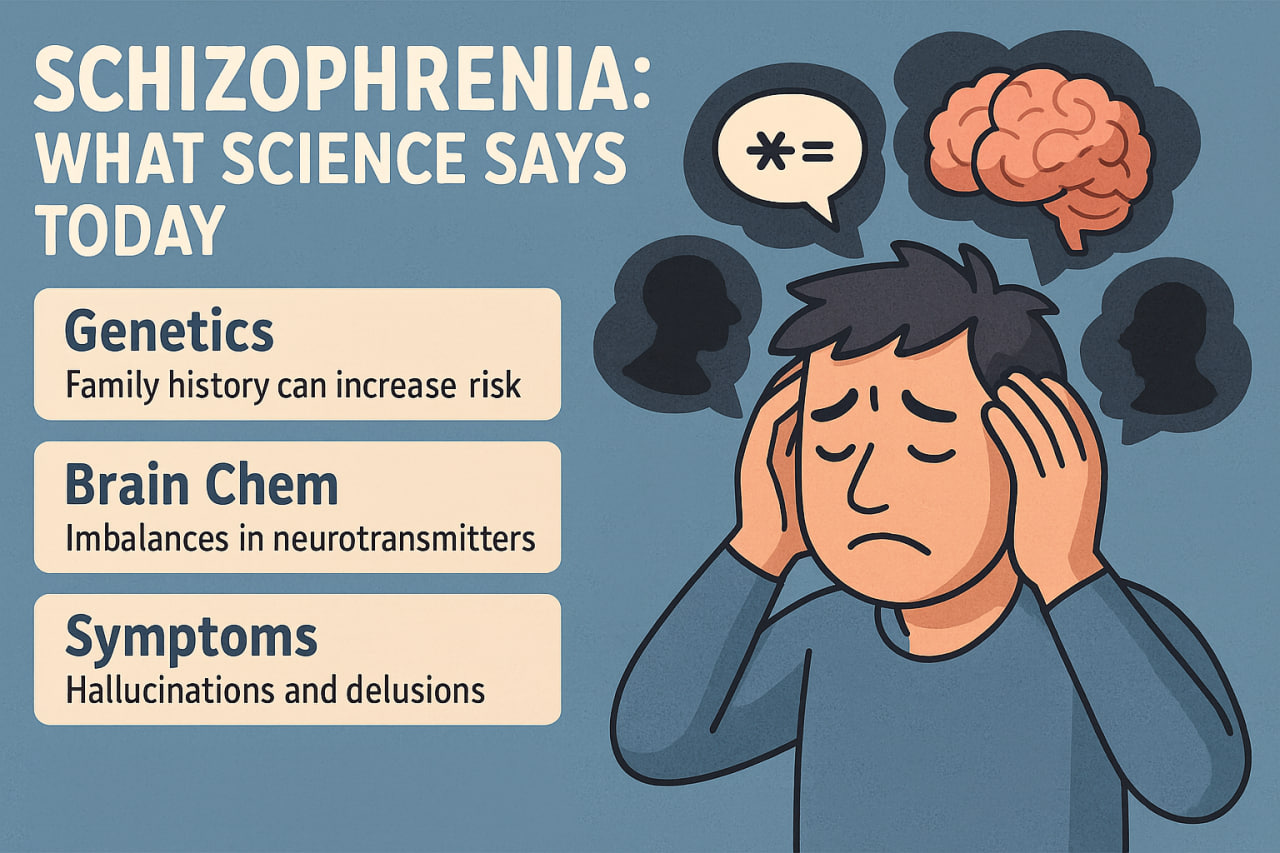
Schizophrenia is a complex and chronic mental disorder that affects how a person thinks, feels, and behaves.

Euphoria is an intense feeling of happiness, excitement, or well-being that goes beyond normal positive emotions.