
Metabolism: How to Stimulate Your Body’s Energy System
Metabolism is a set of chemical processes in the body that convert food into energy to support life-sustaining functions.
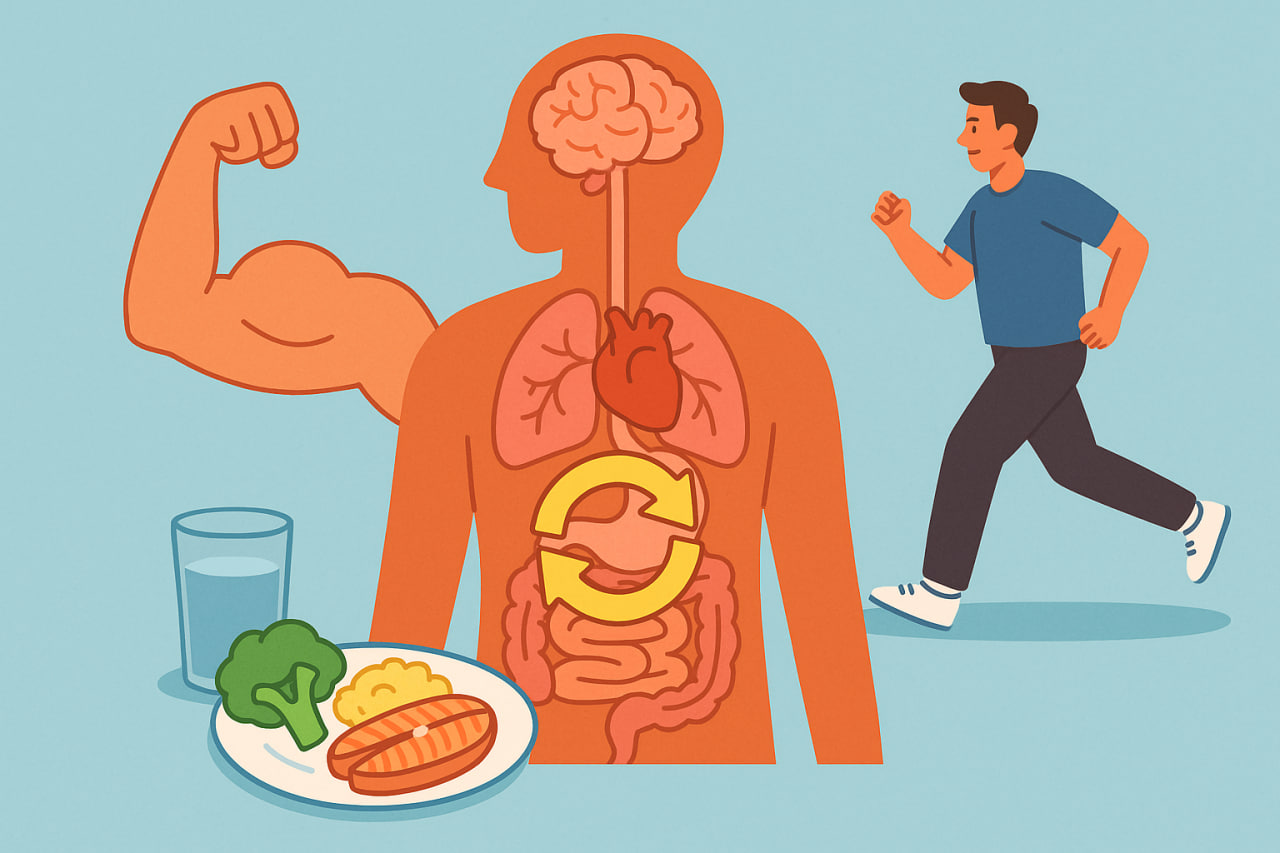
Metabolism is a set of chemical processes in the body that convert food into energy to support life-sustaining functions.

Hypodynamia—also known as physical inactivity or sedentary lifestyle—is a growing public health concern in the modern world.

Aging is a natural biological process characterized by gradual declines in cellular function, muscle mass, metabolic efficiency, and cognitive ability.

Choosing seasonal products—foods naturally harvested at specific times of the year—offers numerous benefits for human health, environmental sustainability, and food quality.

Morning rituals are structured habits or actions people perform at the start of the day.
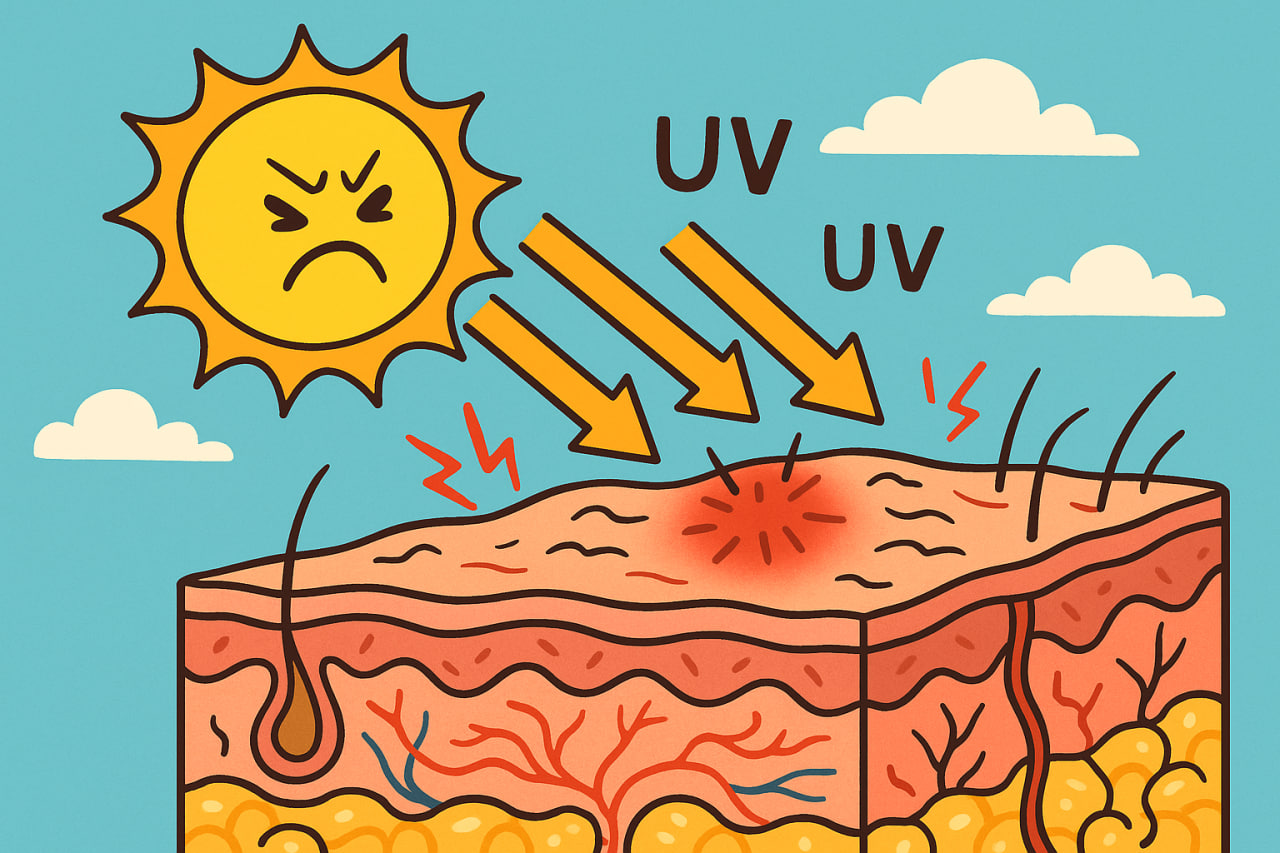
Ultraviolet (UV) radiation from the sun is one of the most significant environmental factors that affect human skin.
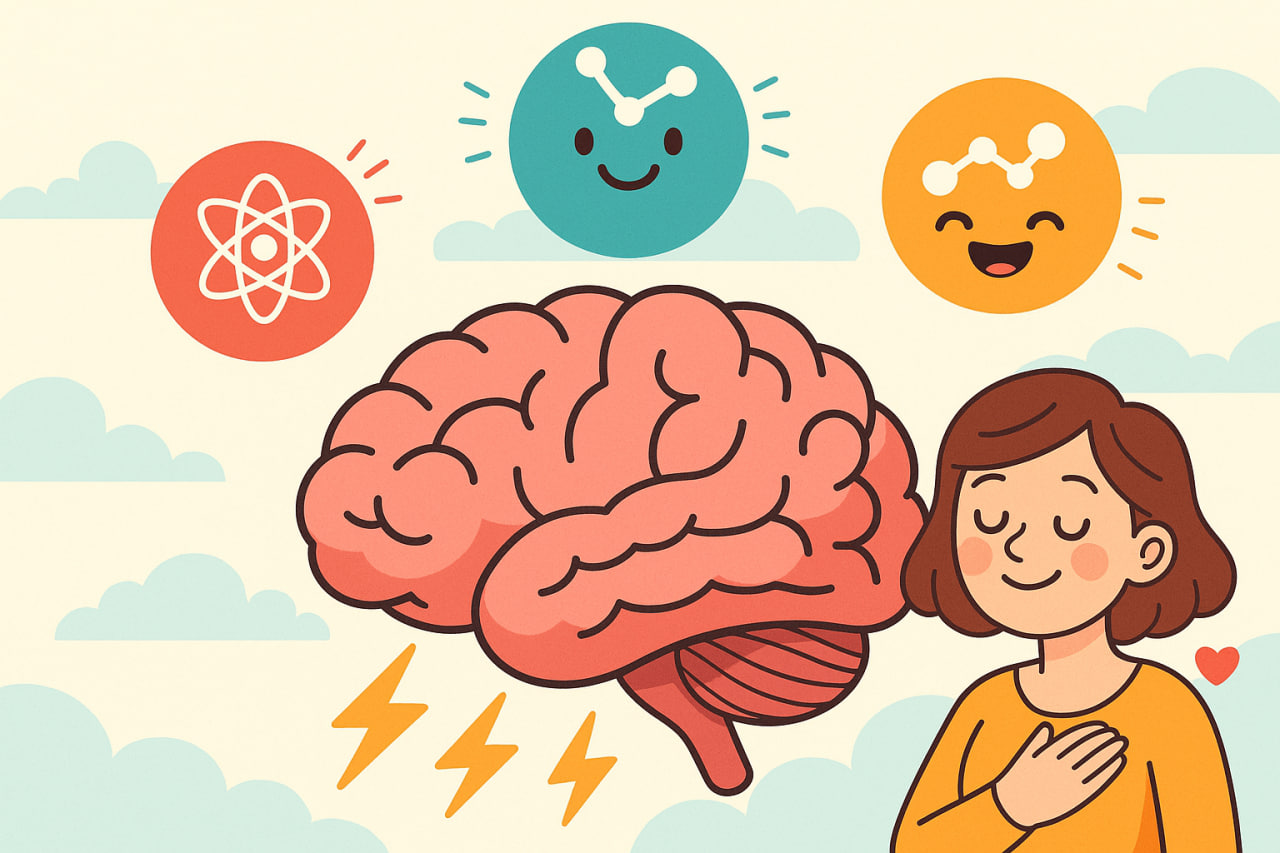
Feelings of happiness, motivation, and emotional well-being are deeply connected to chemical messengers in the brain called neurotransmitters.
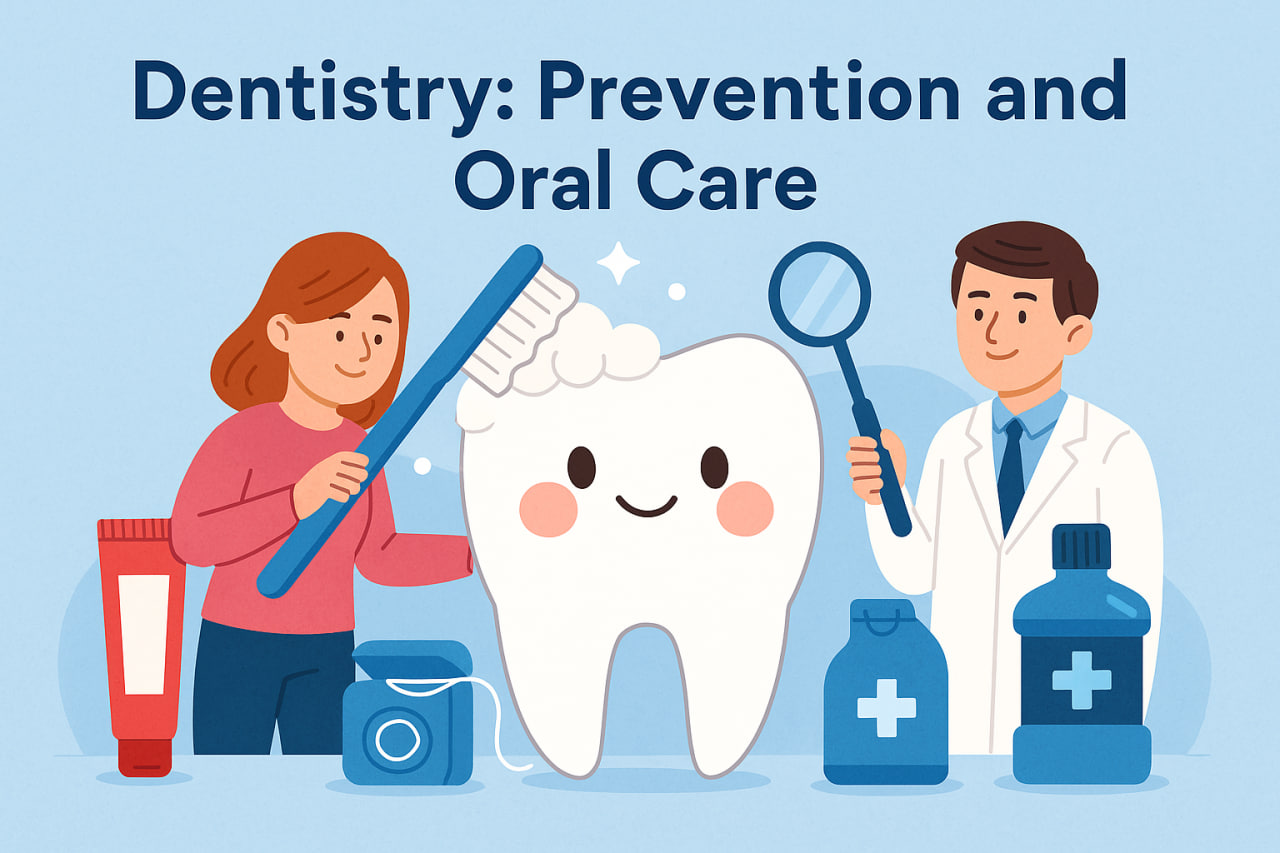
Oral health is a vital part of overall well-being. Good dental hygiene not only prevents tooth decay and gum disease, but also reduces the risk of conditions such as heart disease, diabetes...
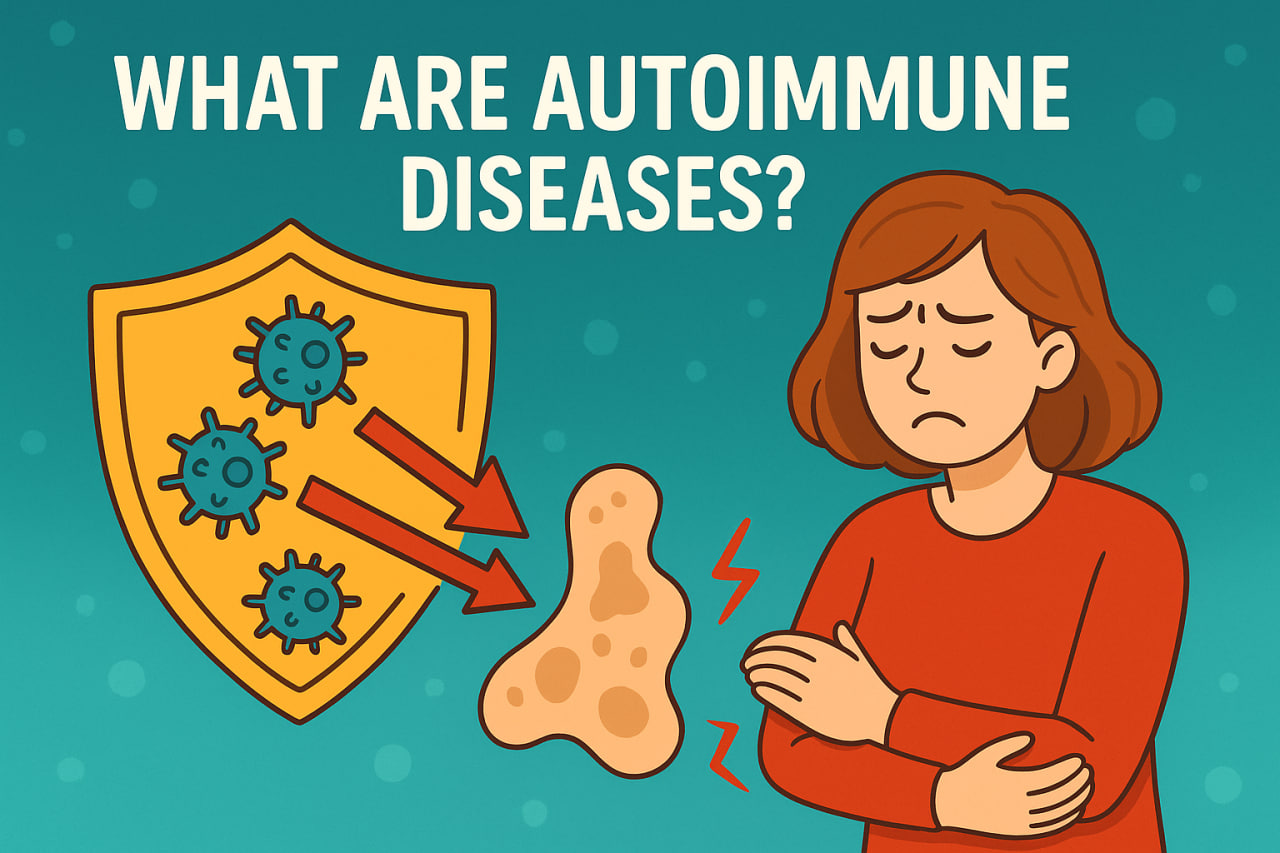
Autoimmune diseases are conditions in which the body's immune system mistakenly attacks its own healthy tissues, thinking they are harmful invaders.
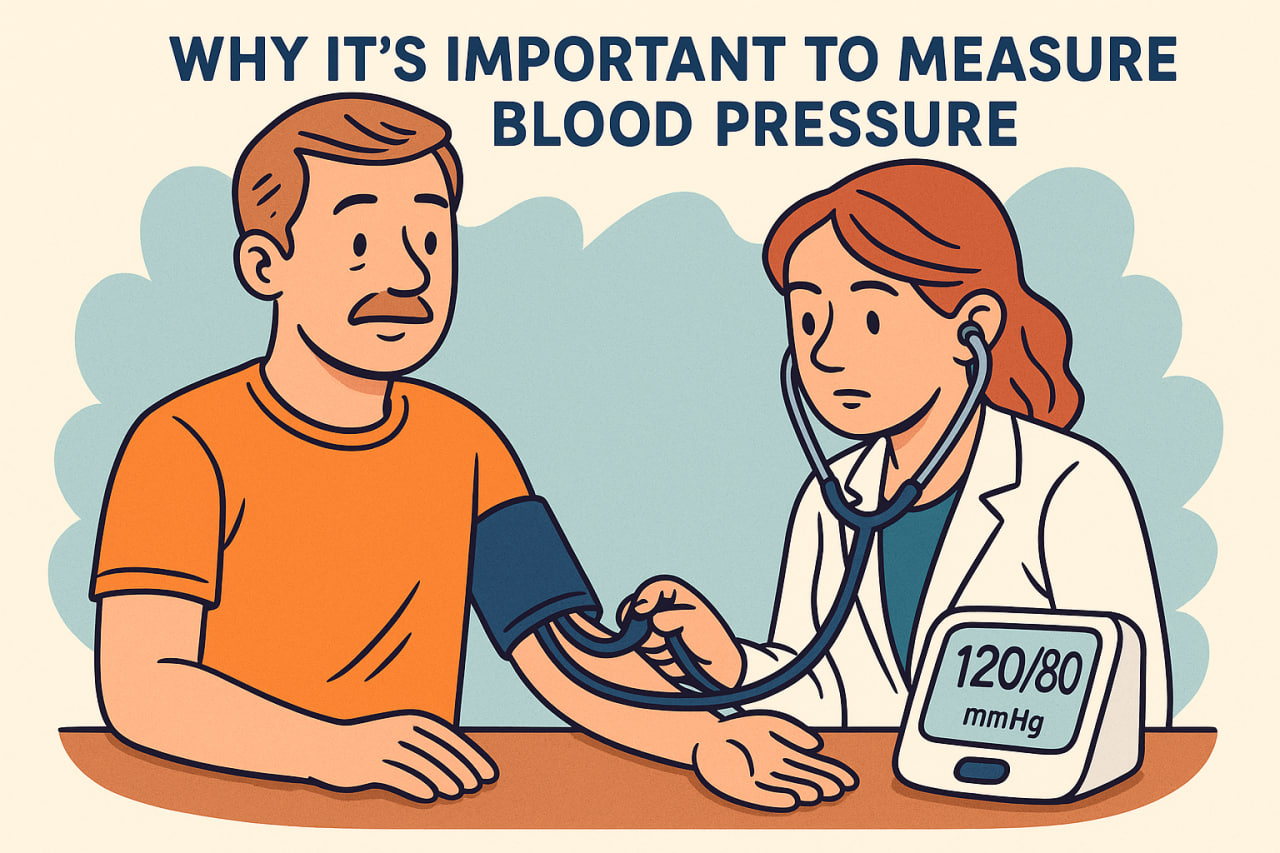
Blood pressure is one of the most vital indicators of your overall health. It shows how hard your heart is working to pump blood through your body.