
The Spinal Cord: Structure and Function
The spinal cord is one of the most vital parts of the human nervous system. It acts as a communication highway between the brain and the rest of the body, carrying signals that control...
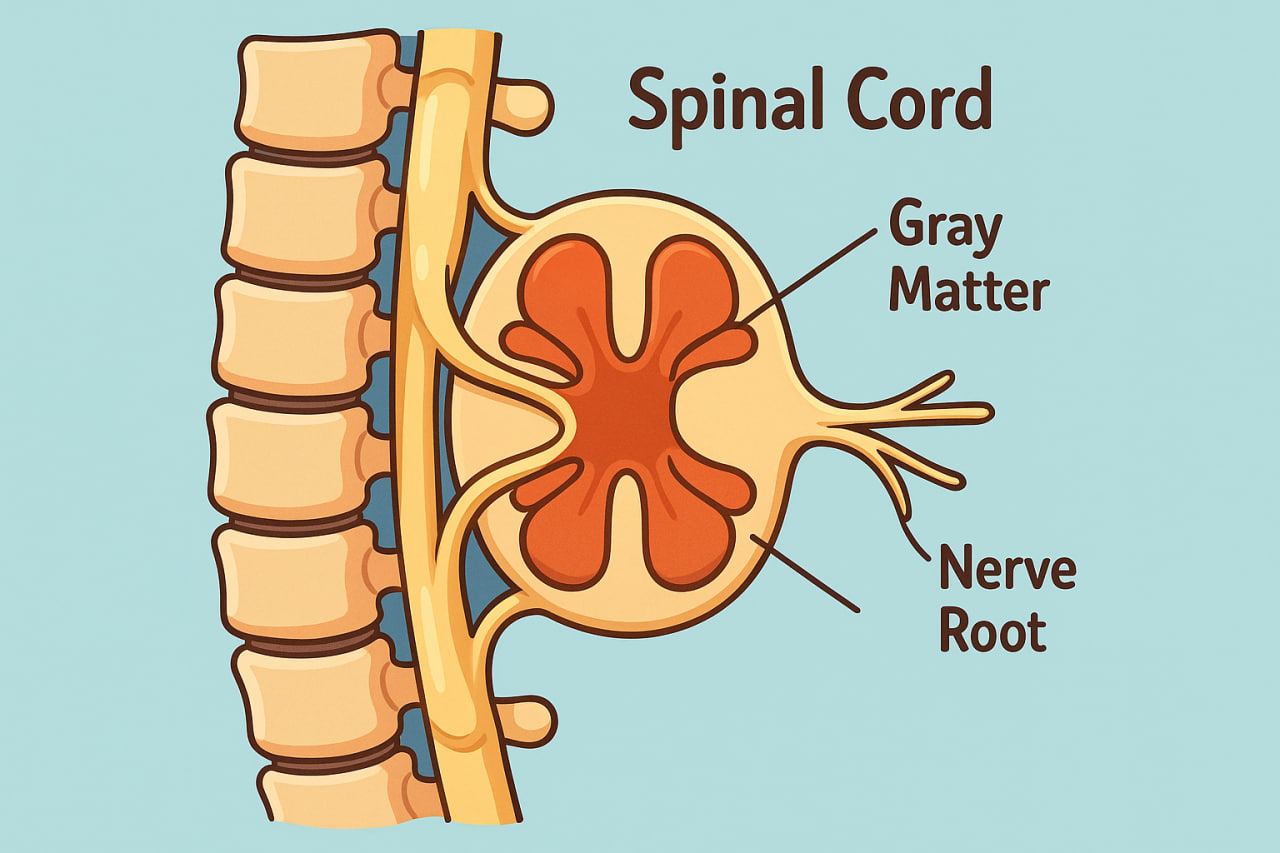
The spinal cord is one of the most vital parts of the human nervous system. It acts as a communication highway between the brain and the rest of the body, carrying signals that control...
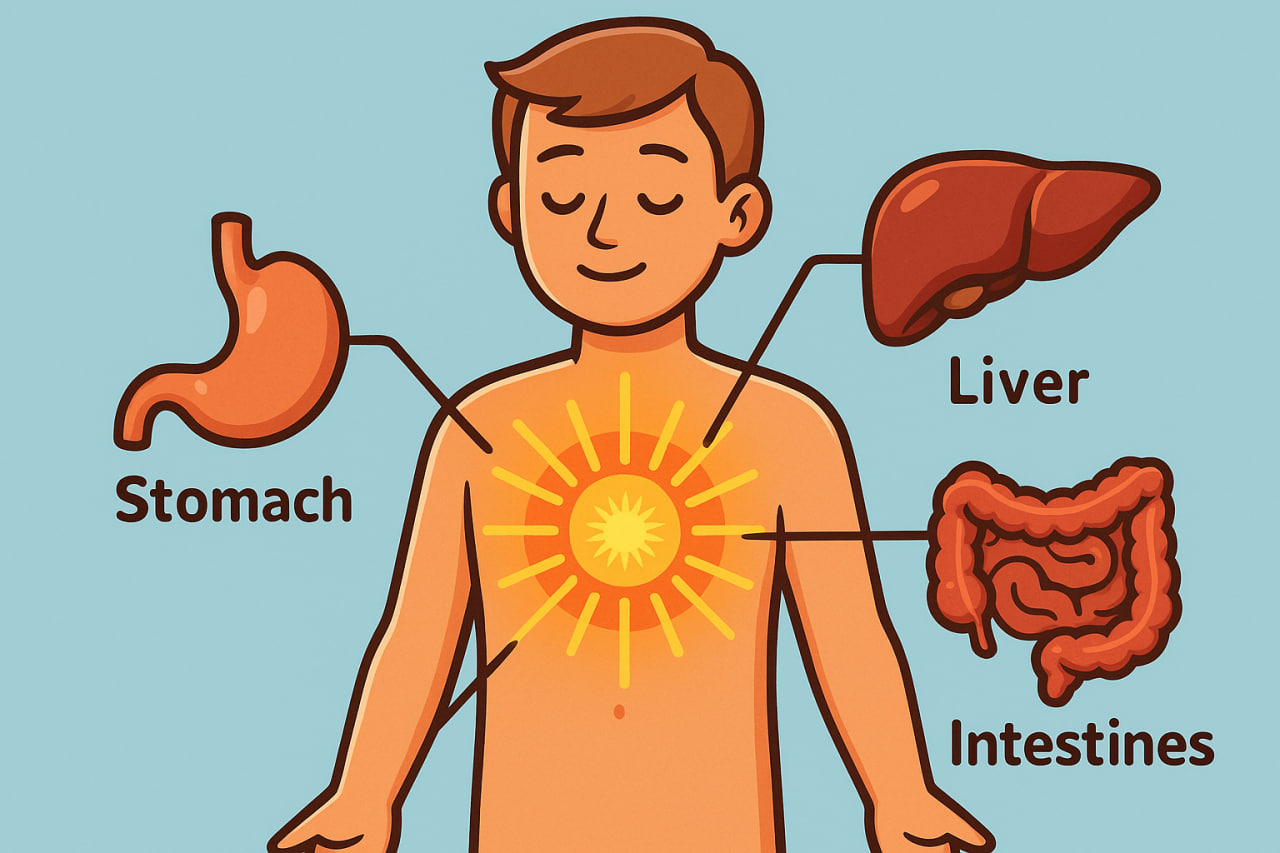
The solar plexus, also known as the celiac plexus, is a dense network of nerves located in the upper abdomen, just behind the stomach and below the diaphragm.
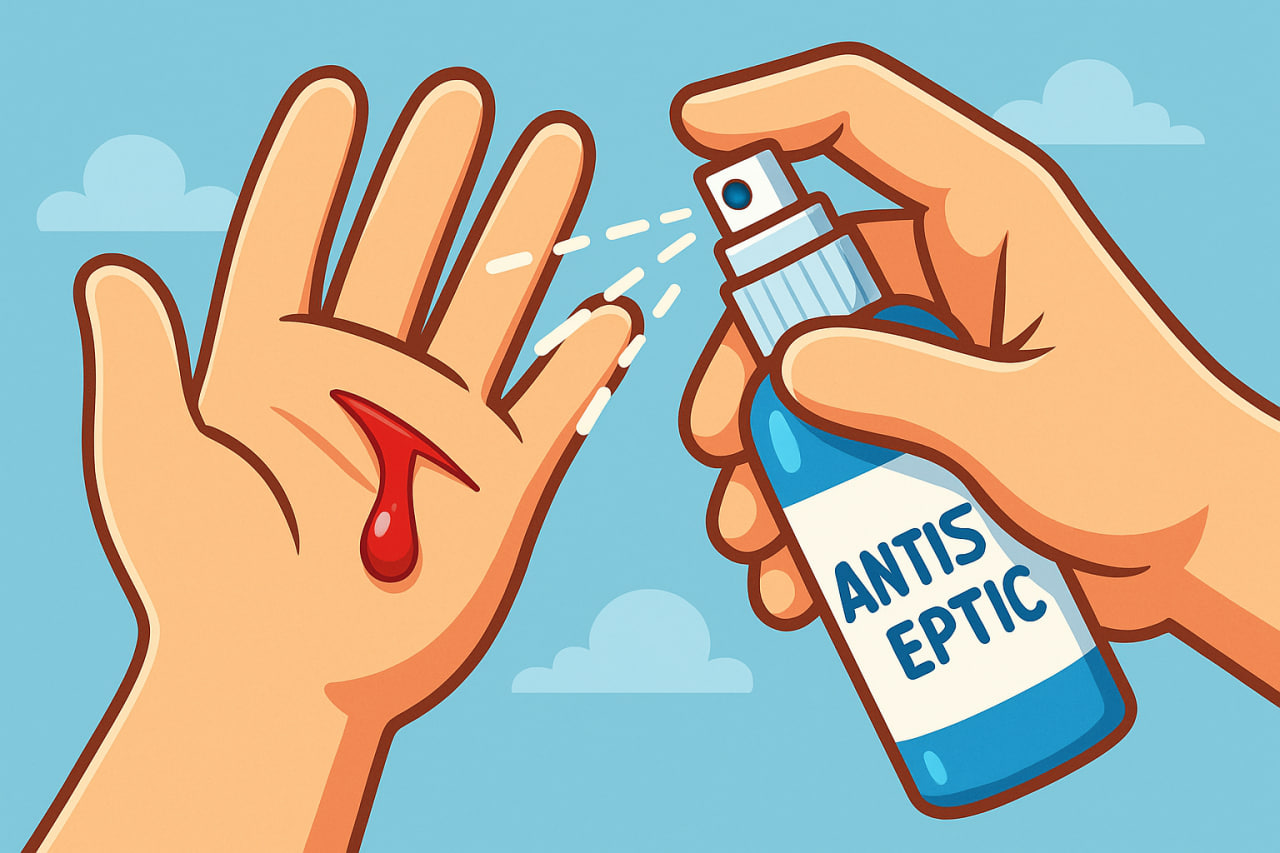
When the skin is damaged, harmful microorganisms such as bacteria, fungi, and viruses can easily enter the body.
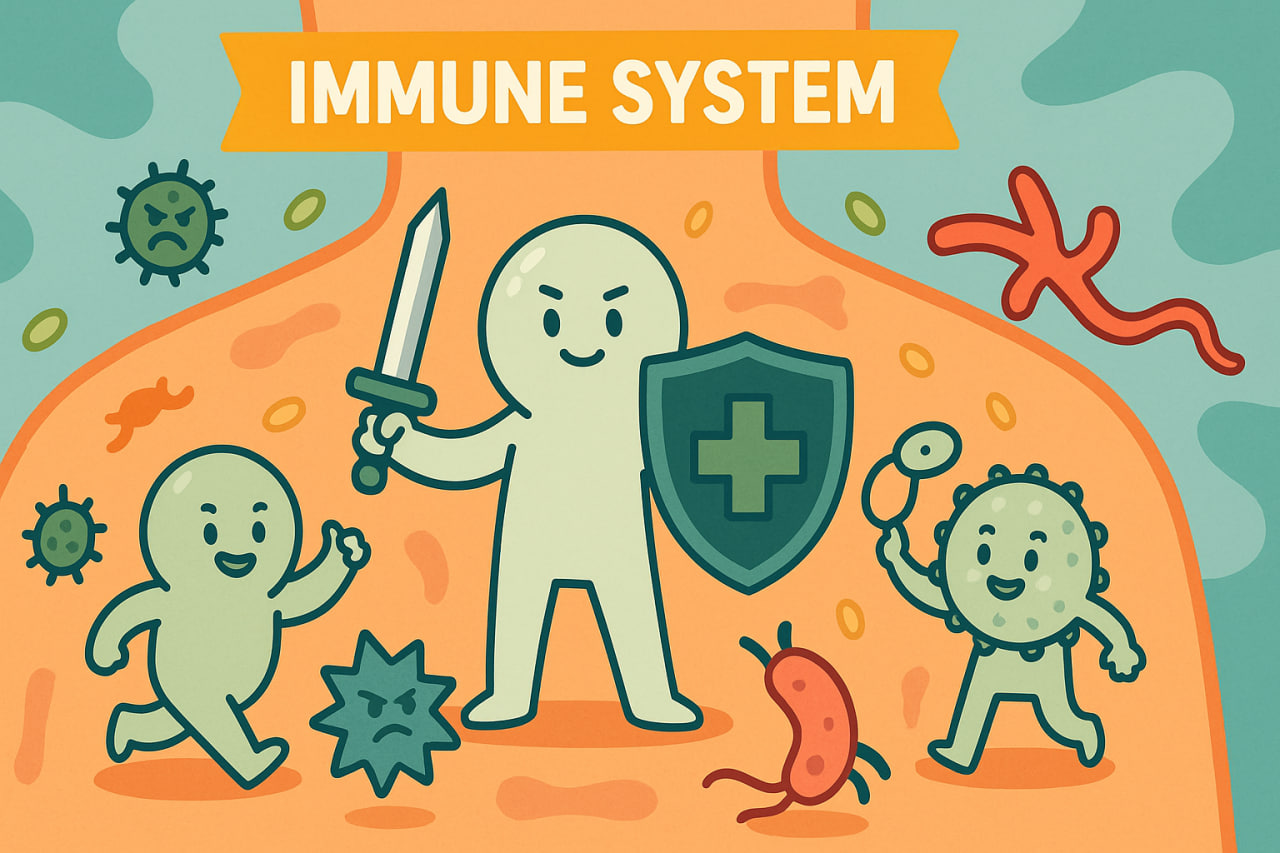
The immune system is the body’s natural defense network that protects against harmful pathogens such as bacteria, viruses, fungi, and parasites.
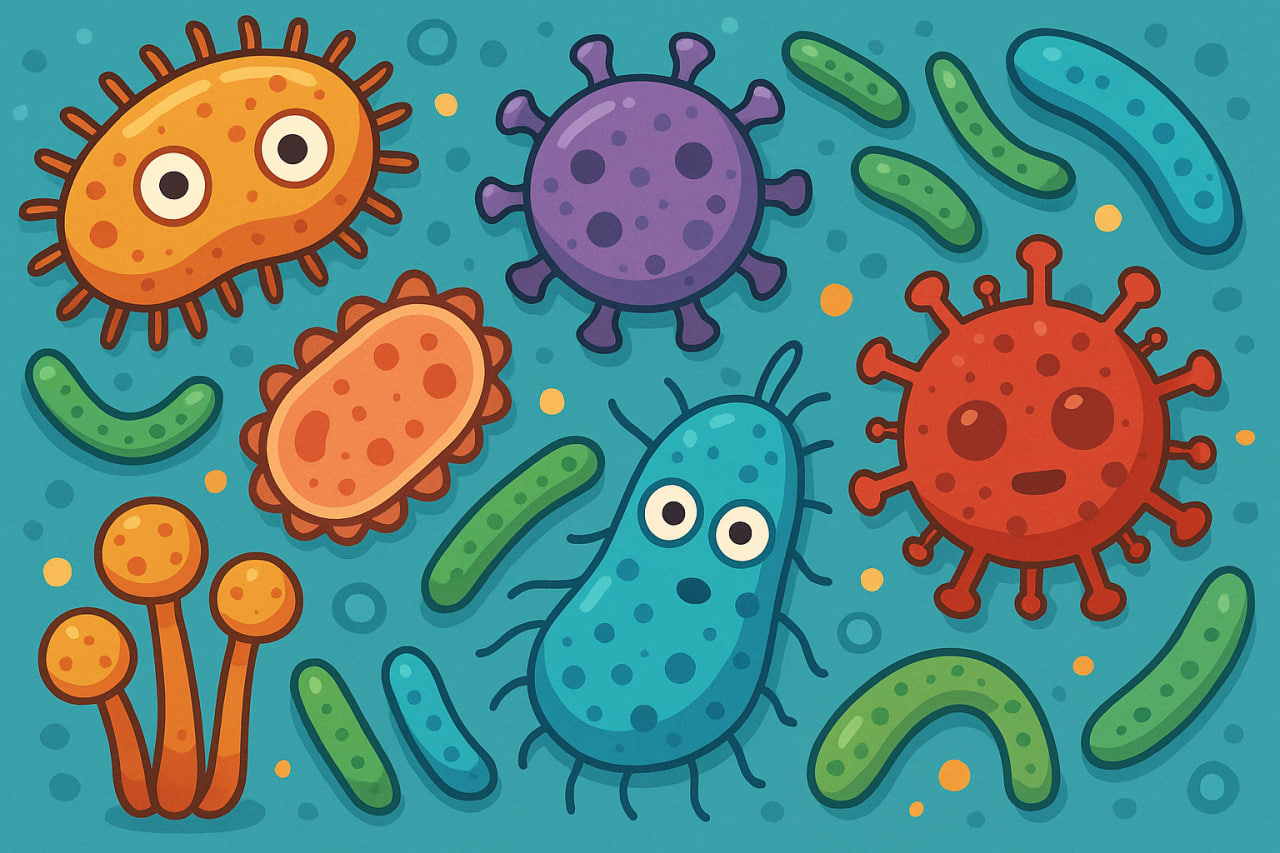
Microbes are microscopic organisms that are too small to be seen with the naked eye. They include bacteria, viruses, fungi, protozoa, and some algae.
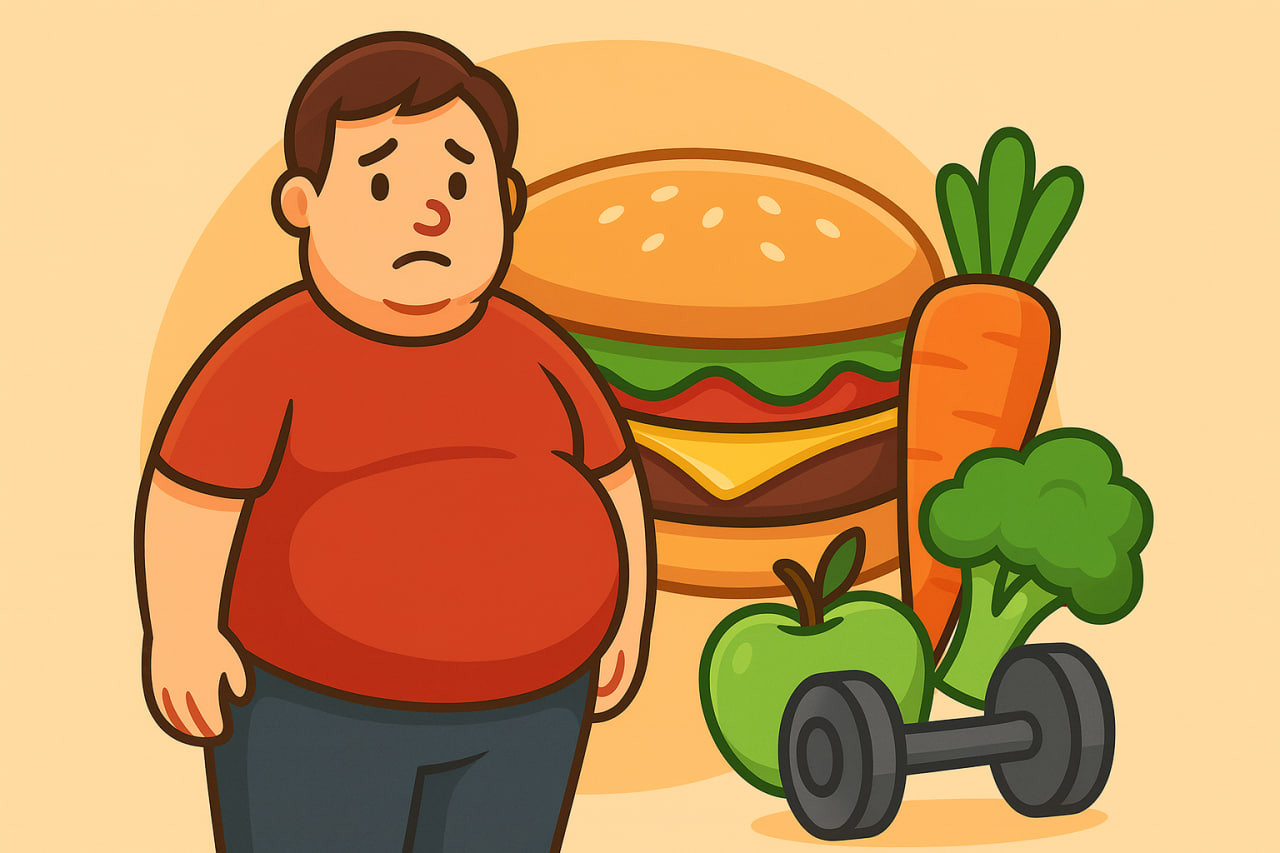
Obesity is a chronic condition characterized by excessive accumulation of body fat that poses risks to health.

Fast food refers to meals prepared and served quickly, usually in restaurants, takeaways, or drive-thrus.
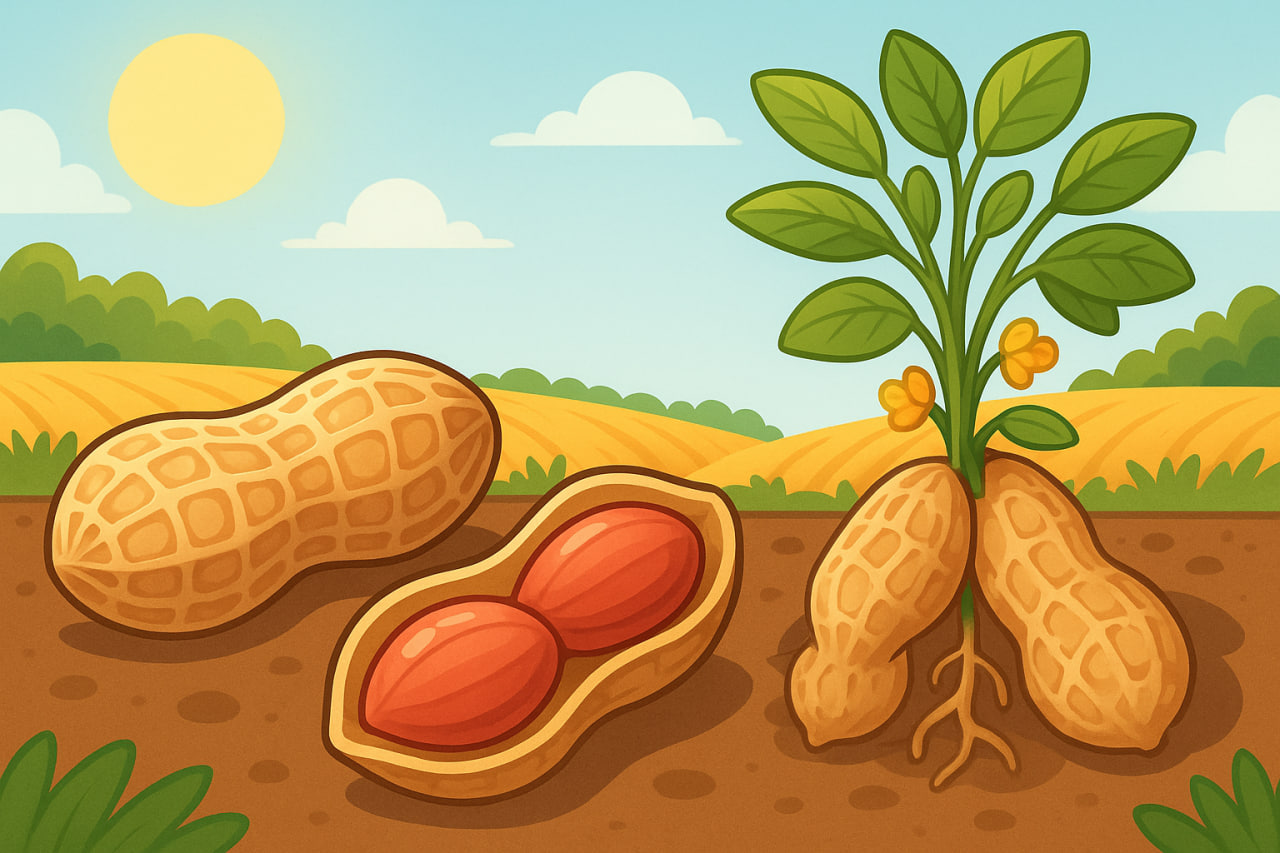
Peanuts are among the most recognizable and widely consumed foods on Earth, playing a major role in both cuisine and the global economy.

Baking soda, also known as sodium bicarbonate (NaHCO₃), is a white crystalline powder that has earned a reputation as one of the most versatile household products.
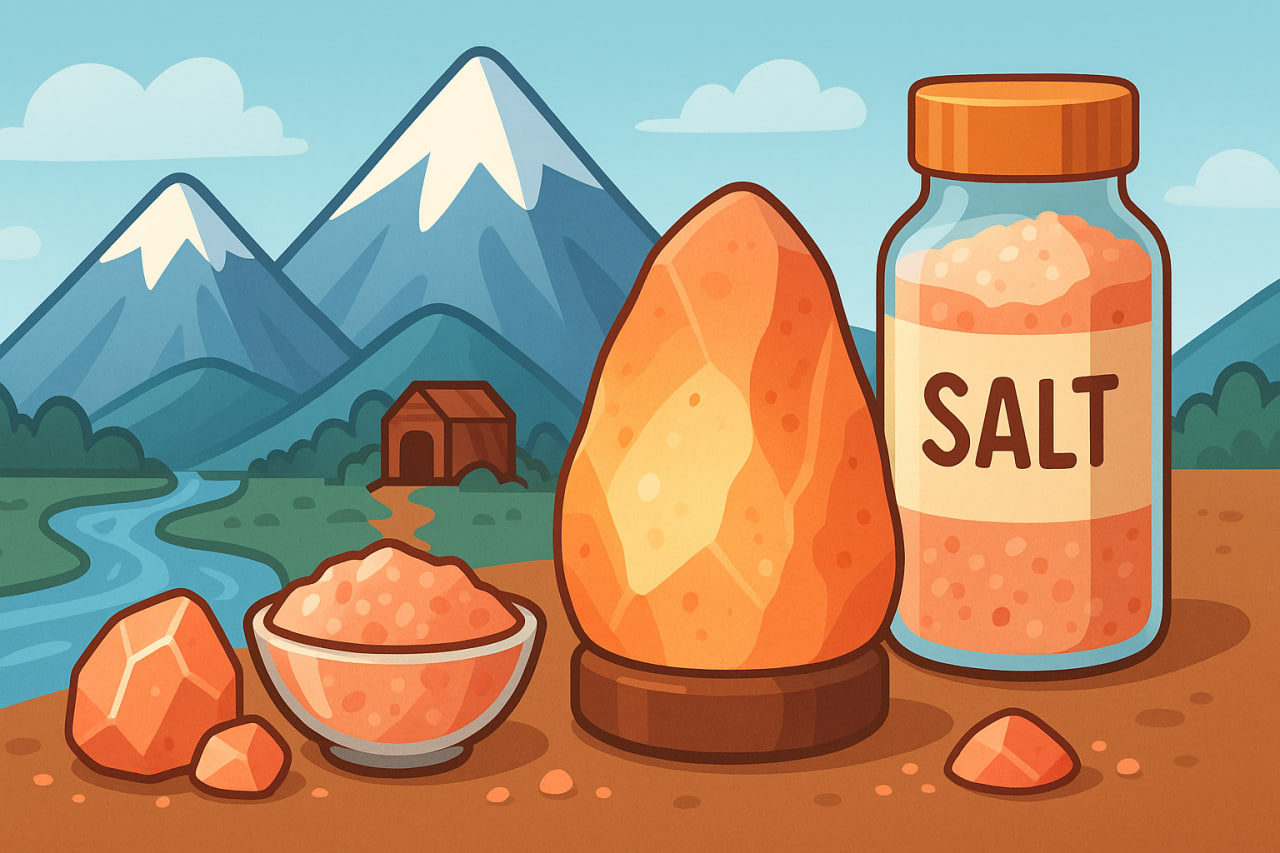
Himalayan salt is a type of rock salt (halite) mined from the Punjab region of Pakistan, near the foothills of the Himalayas.