
Hair: Nature’s Protective and Expressive Fiber
Hair is more than just a physical feature—it is a personal symbol of identity, health, and cultural belonging.
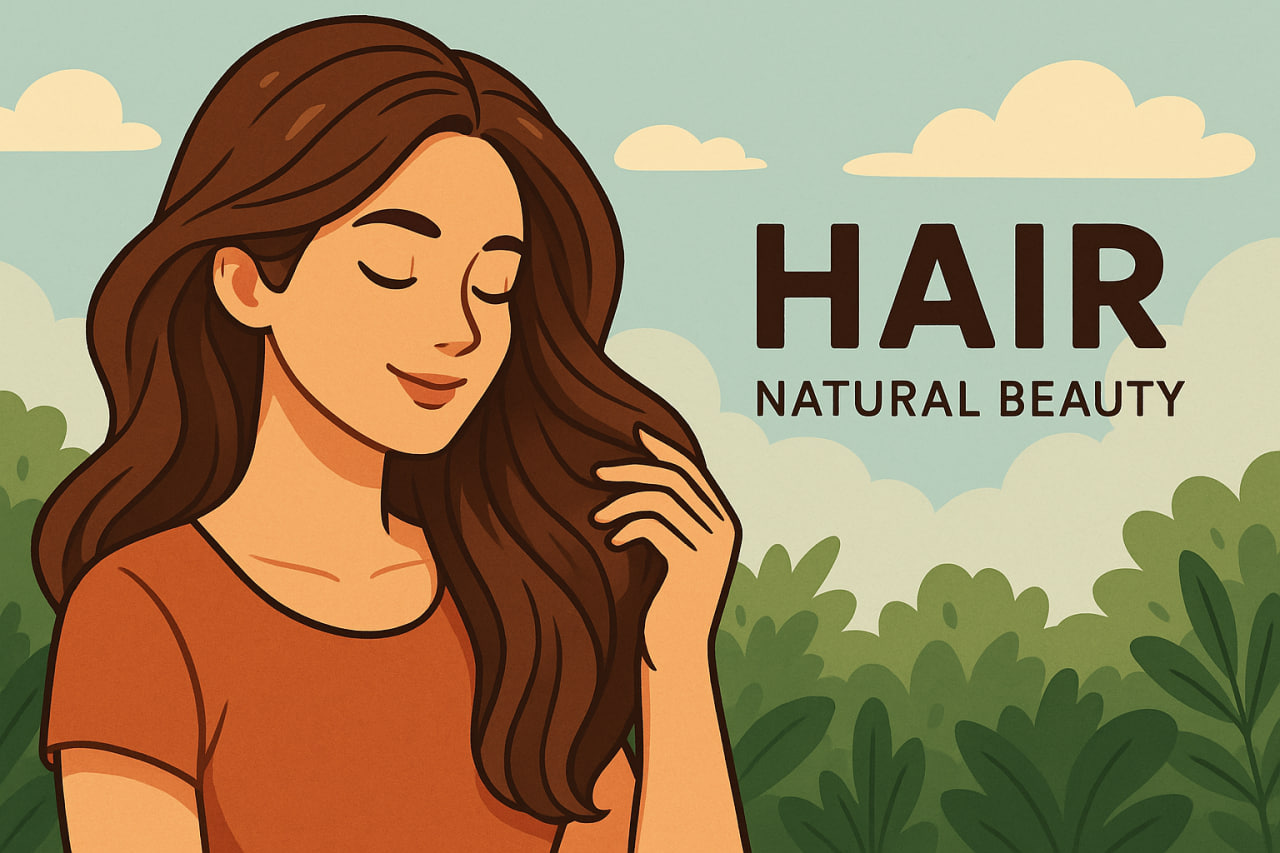
Hair is more than just a physical feature—it is a personal symbol of identity, health, and cultural belonging.

Wearing a beard has been a cultural, religious, and personal choice throughout history, but in recent years, the question of whether beards provide health benefits has gained scientific interest.
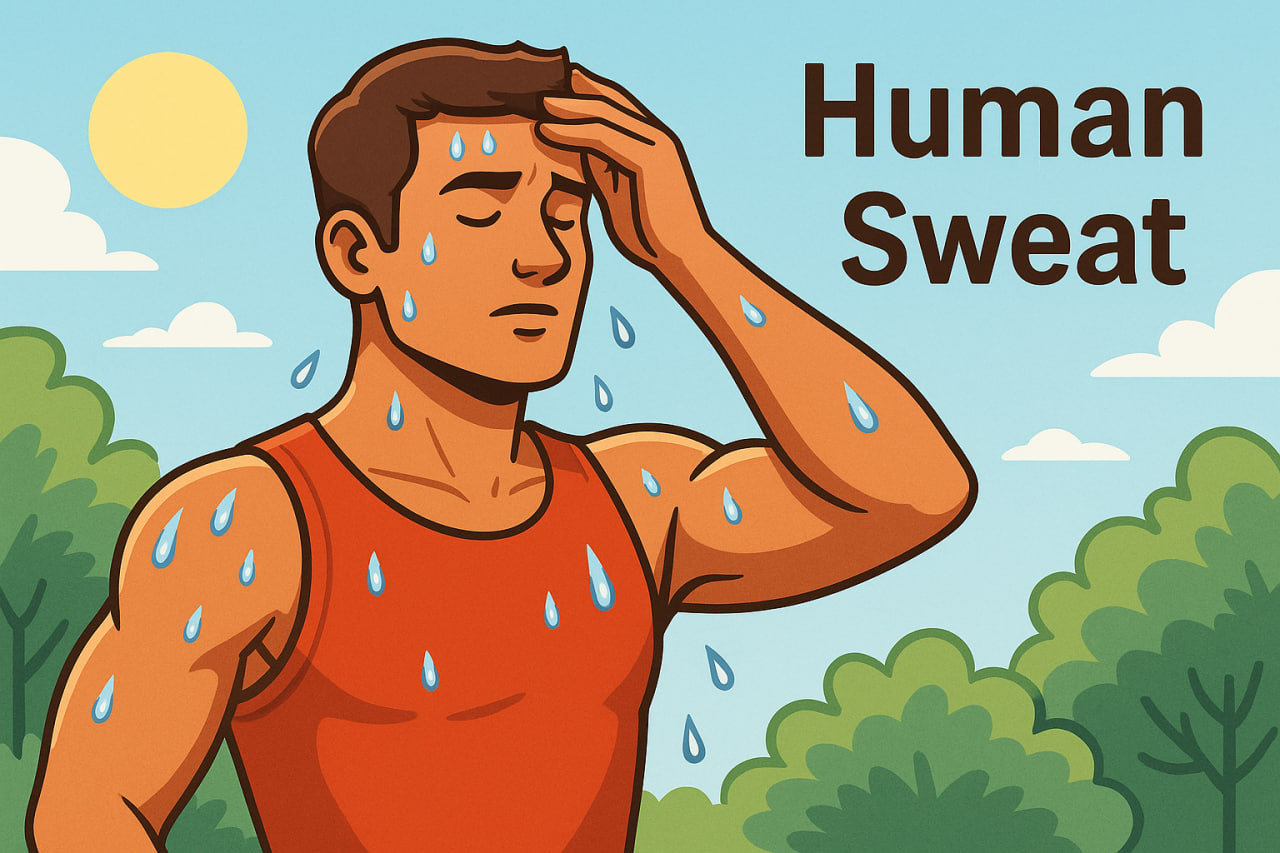
Human sweat is often thought of simply as a sign of heat or physical exertion, but it is actually a highly sophisticated biological function.
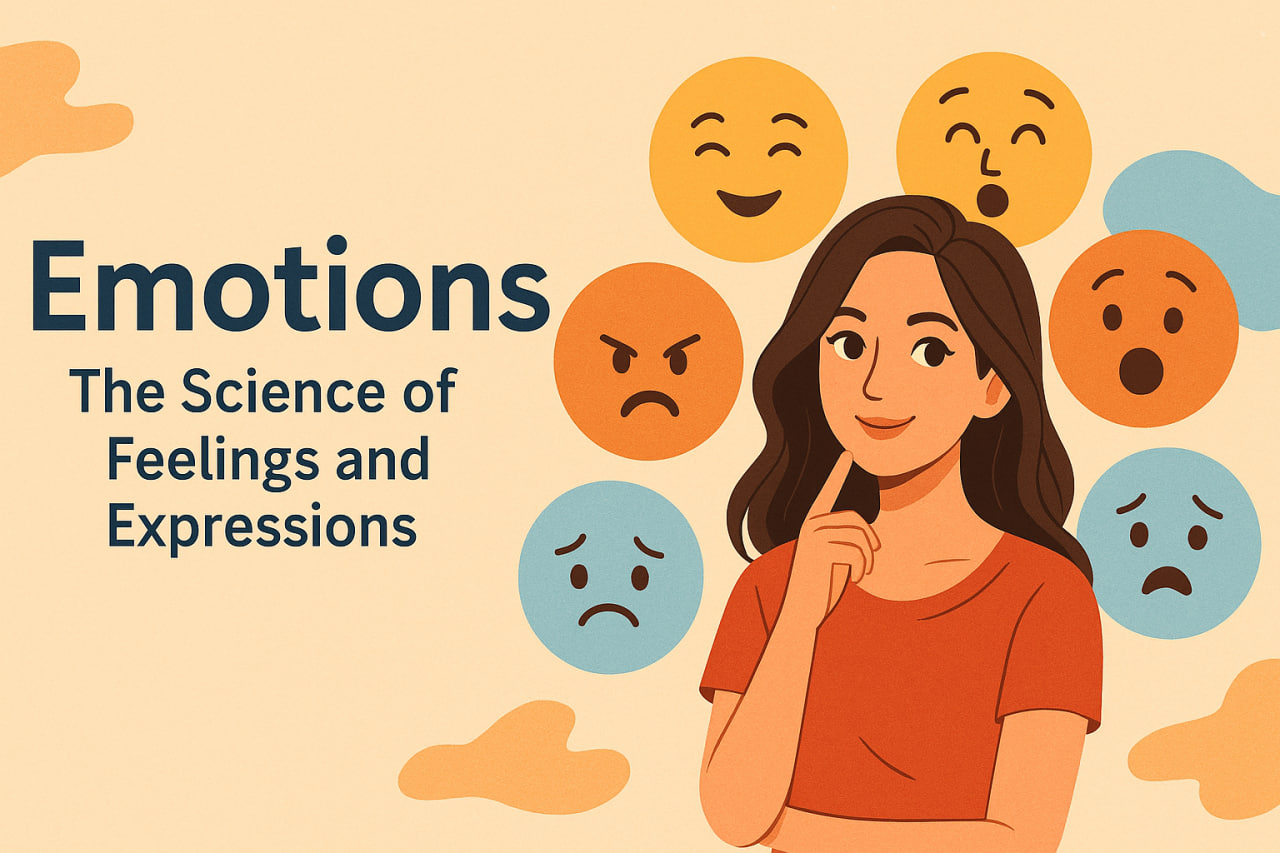
Emotions are powerful internal responses that shape how we think, act, and experience the world.
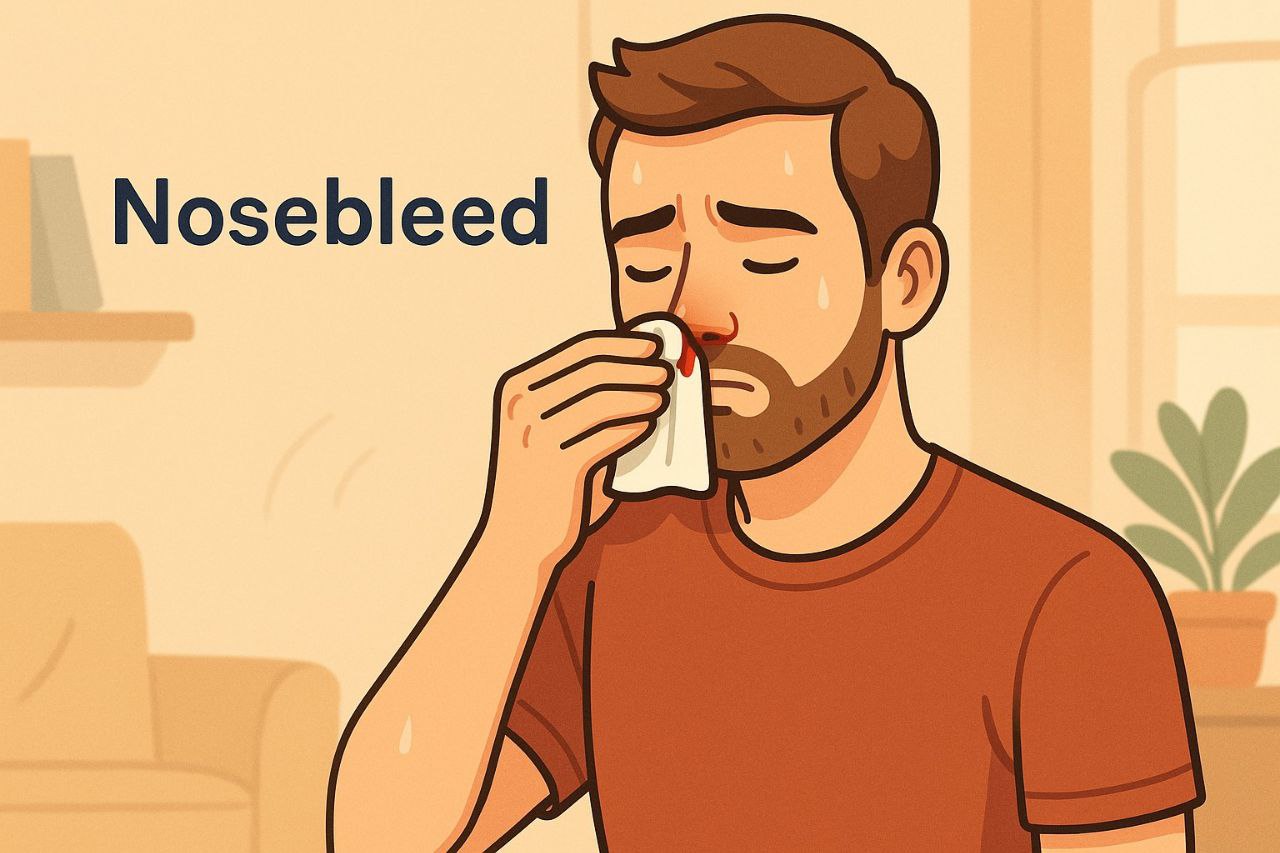
A nosebleed may seem alarming, but it is actually a common bodily response that often serves as a natural protective mechanism.
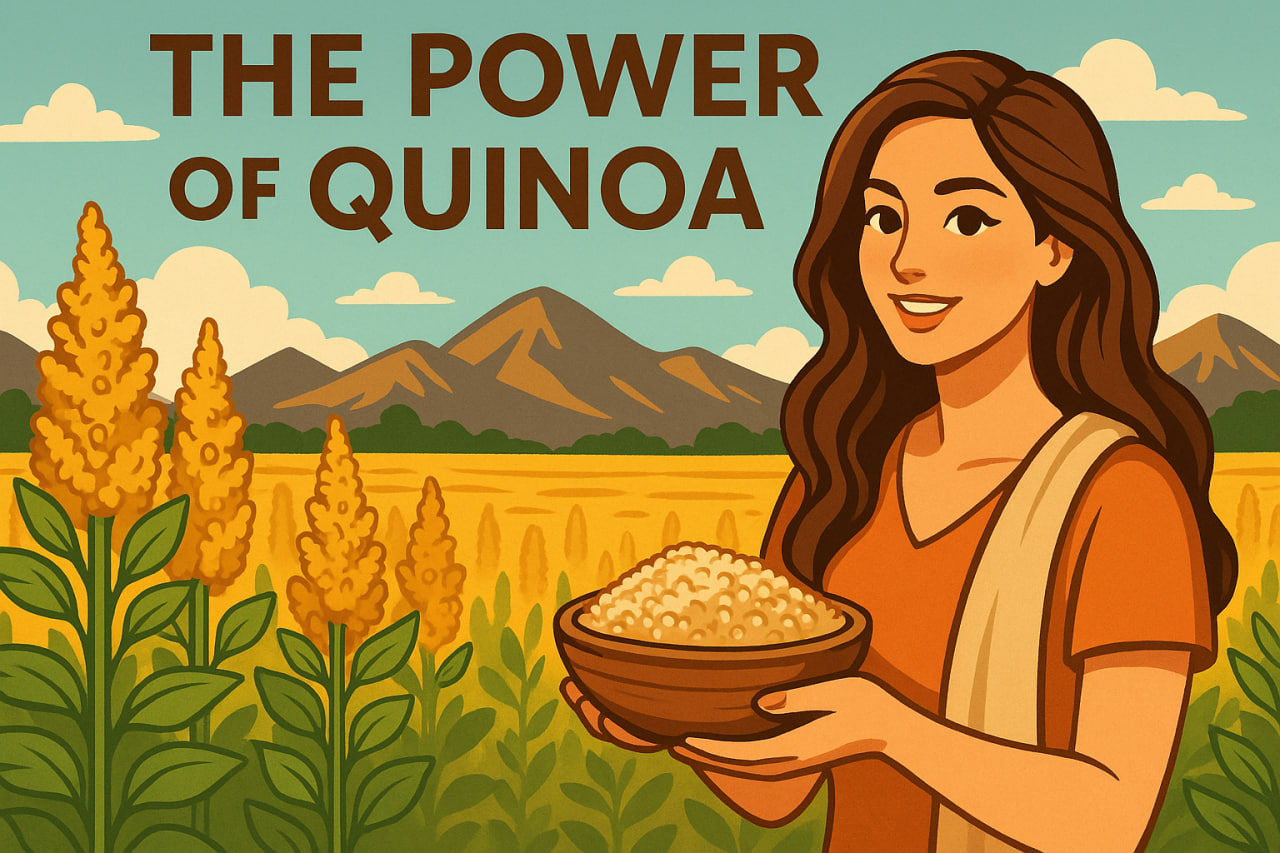
Quinoa, often called the “mother grain,” has become one of the most celebrated health foods of the 21st century.
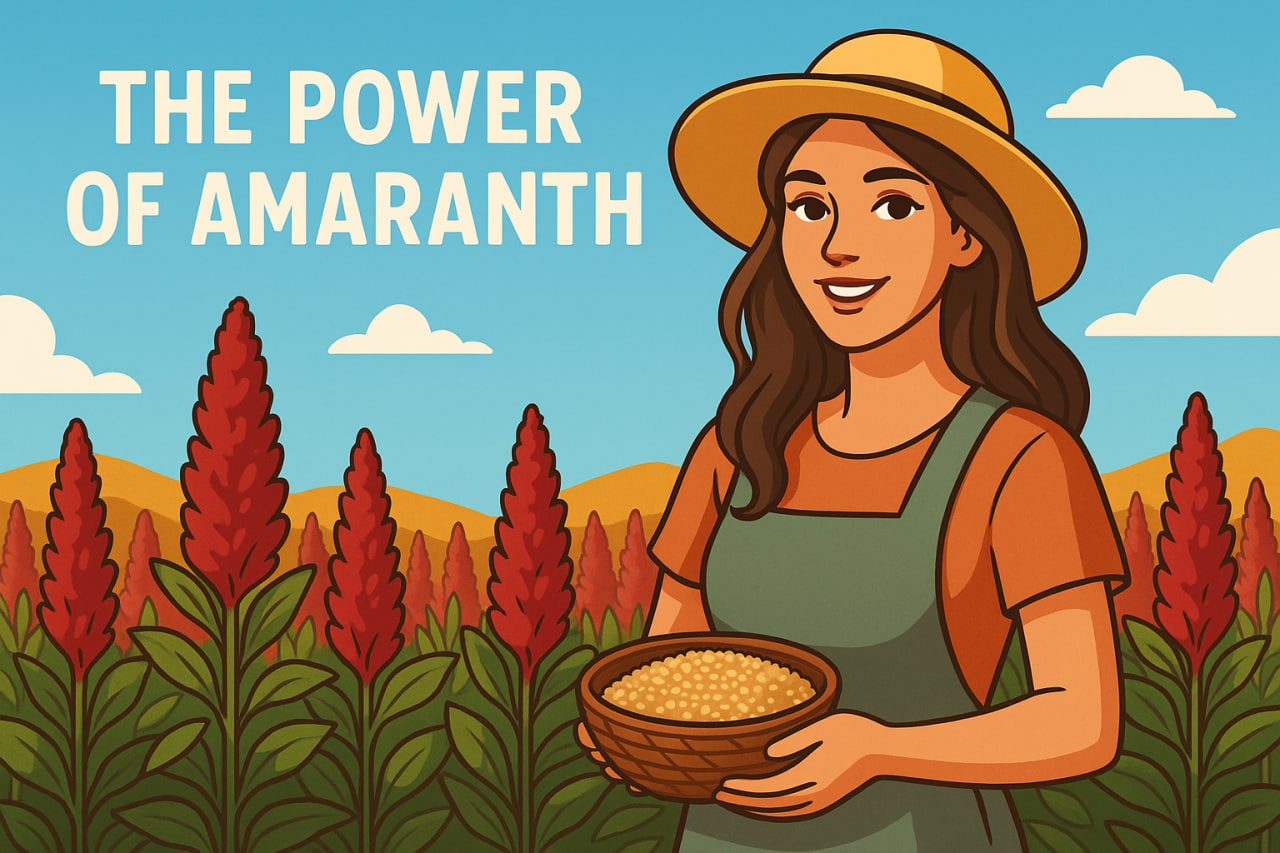
Amaranth, a vibrant plant with striking red and gold flowers, is far more than a beautiful addition to nature’s palette—it is one of humanity’s oldest and most resilient food sources.
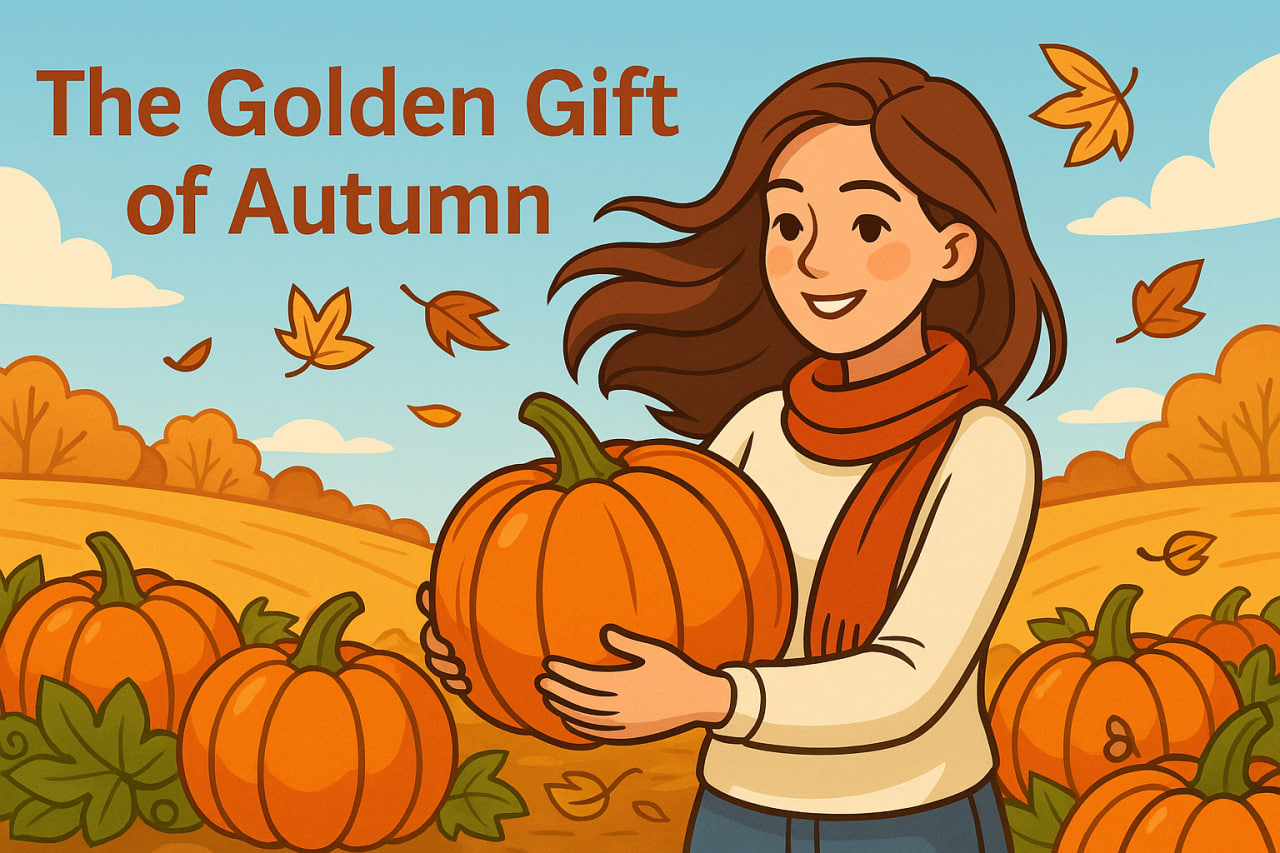
Pumpkin, with its warm orange glow and sweet earthy flavor, is more than just a symbol of autumn—it’s a powerhouse of nutrition, history, and culture.

Hiking is one of the most rewarding and accessible ways to connect with nature while improving both physical and mental health.

Nose clips, though simple in appearance, serve a surprisingly wide range of functions—from professional swimming and medical applications to beauty practices and breathing exercises.