
Nuclear Medicine: Imaging and Therapy Powered by Atomic Science
Nuclear medicine is a specialized field that uses the properties of atomic nuclei to study physiological processes inside the human body.
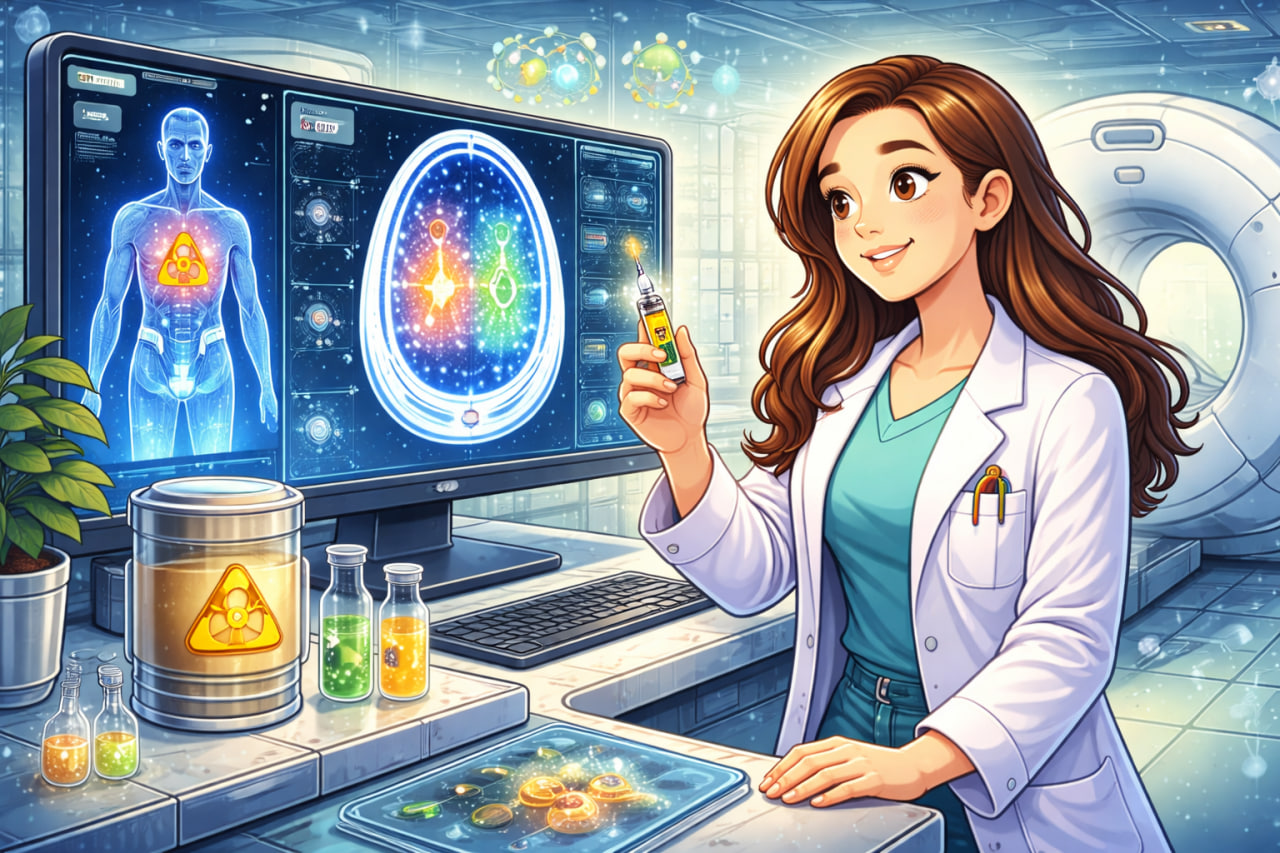
Nuclear medicine is a specialized field that uses the properties of atomic nuclei to study physiological processes inside the human body.

Nanotechnology in medicine represents a profound shift in how scientists understand, diagnose, and treat diseases.
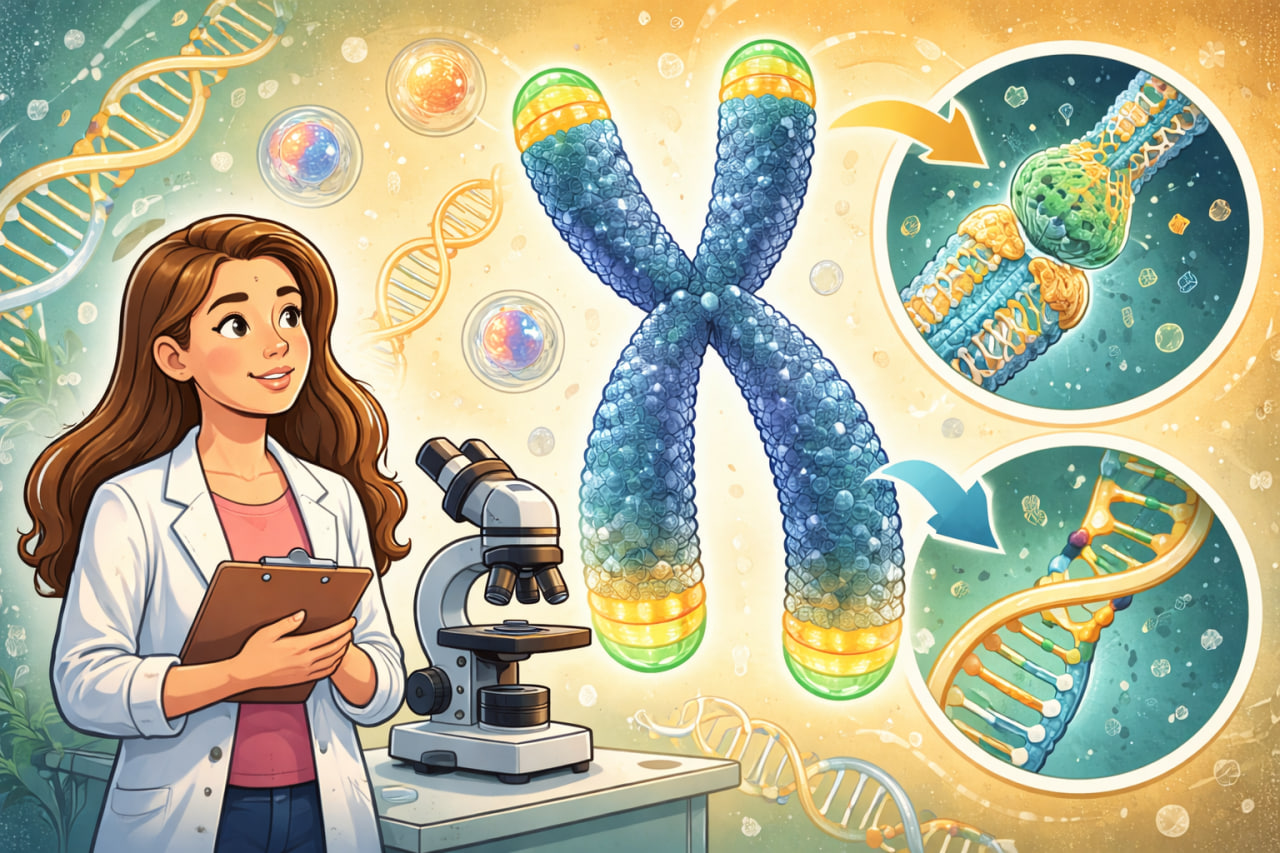
Telomeres and telomerase play a central role in how cells age, divide, and maintain genetic stability over time.

Intermittent fasting is a dietary approach that focuses not on what people eat, but on when they eat.
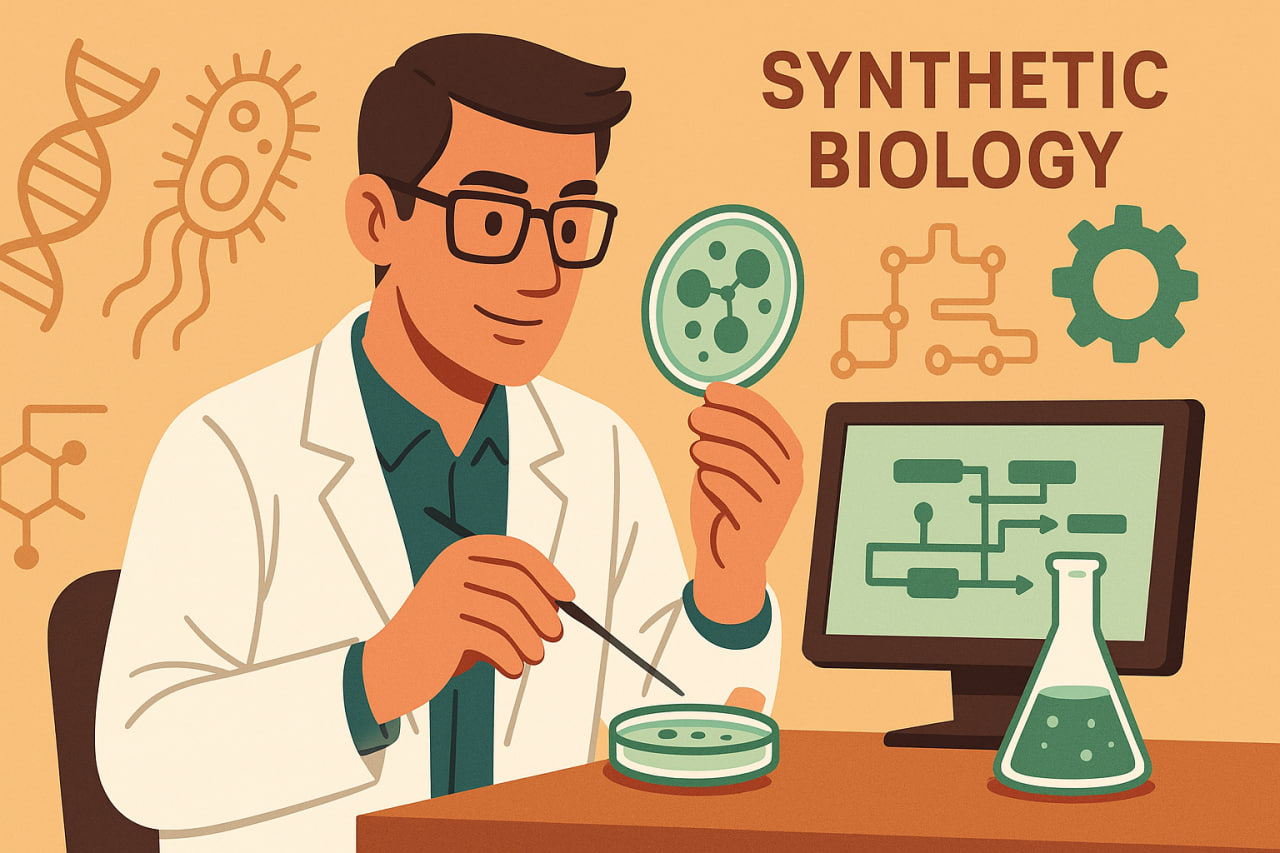
Synthetic biology is a rapidly developing scientific field that combines biology, engineering, and computer science to design and construct new biological systems or redesign existing ones.
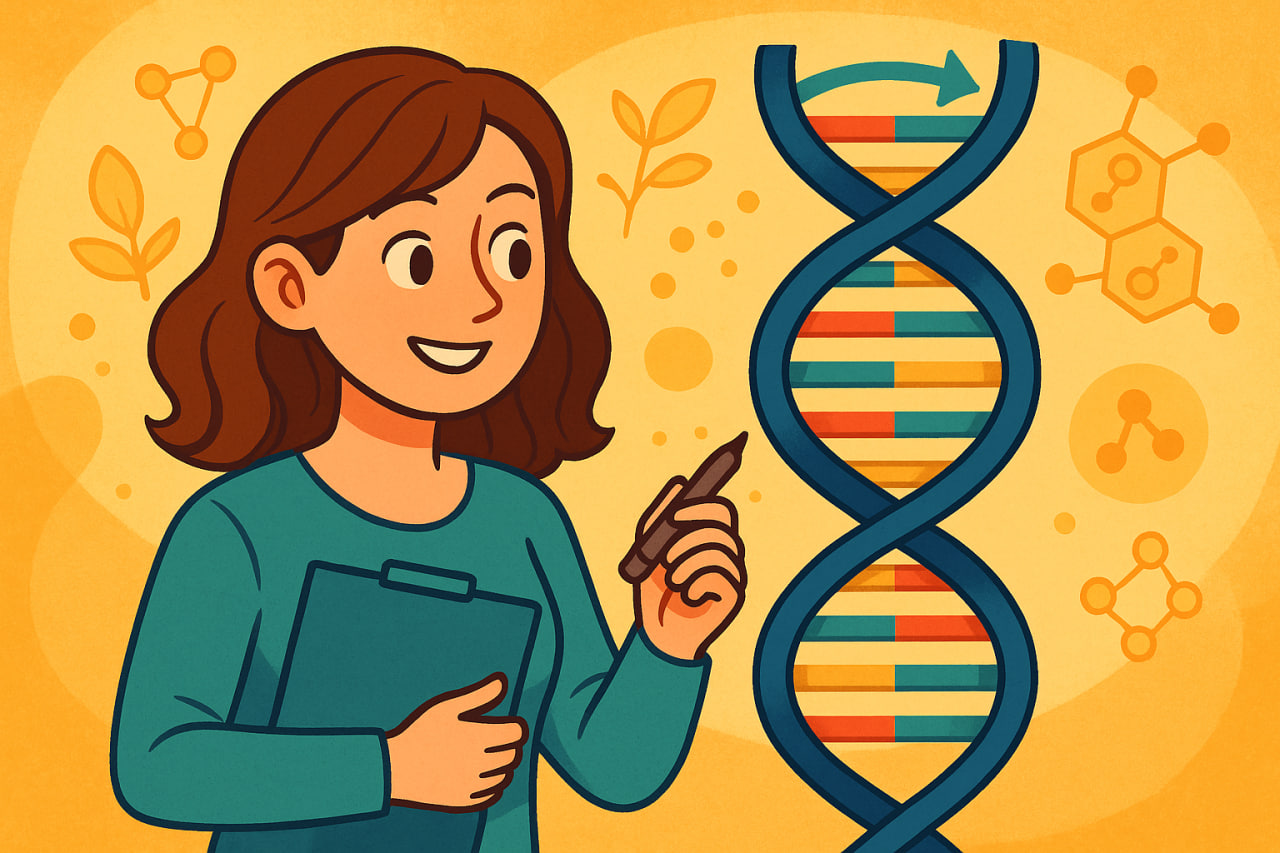
Epigenetics is one of the most fascinating areas of modern biology, revealing that genes are not rigid instructions but dynamic systems influenced by life experiences.
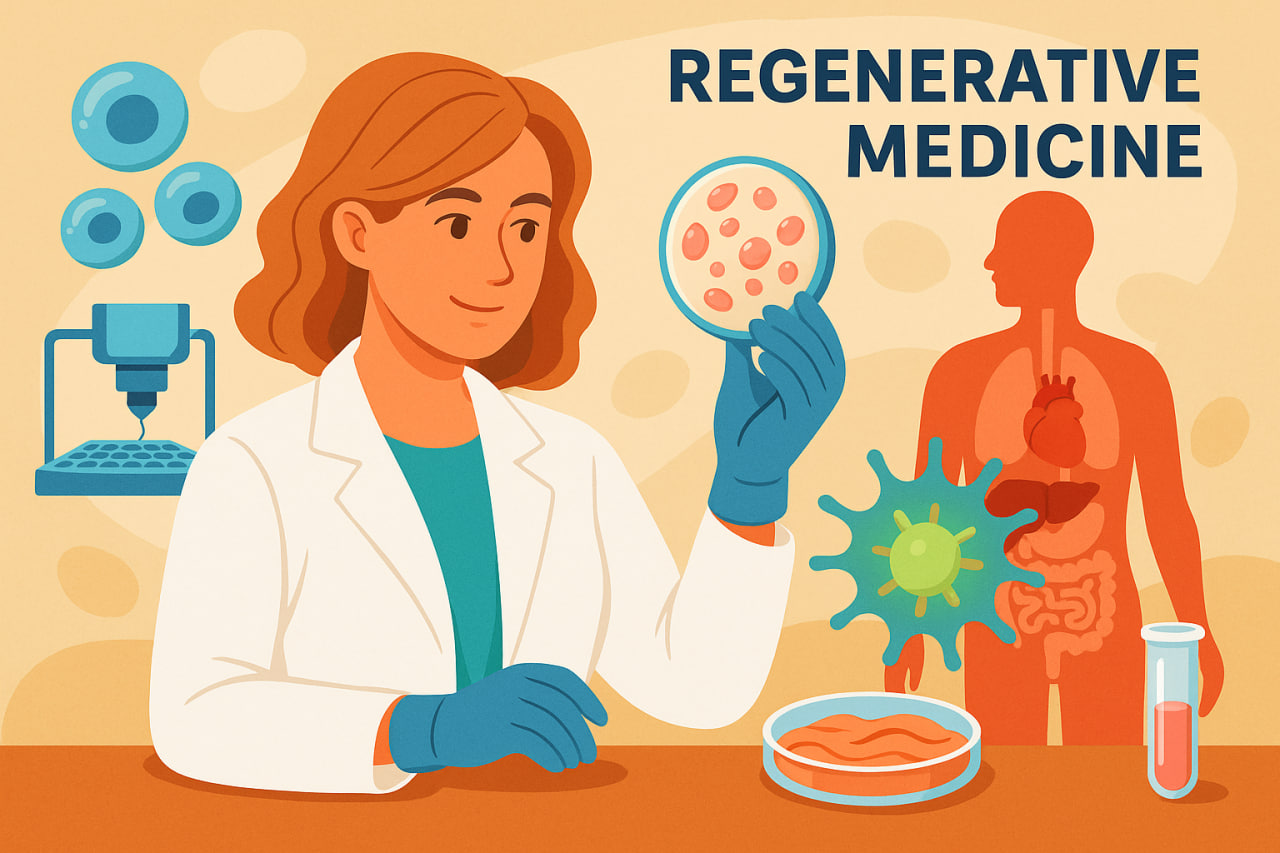
Regenerative medicine is a rapidly advancing field focused on repairing, replacing, or regenerating damaged tissues and organs by activating the body’s natural healing mechanisms.

Inside the human body lives a vast and complex ecosystem of microorganisms known as the microbiome, with the largest concentration residing in the gut.
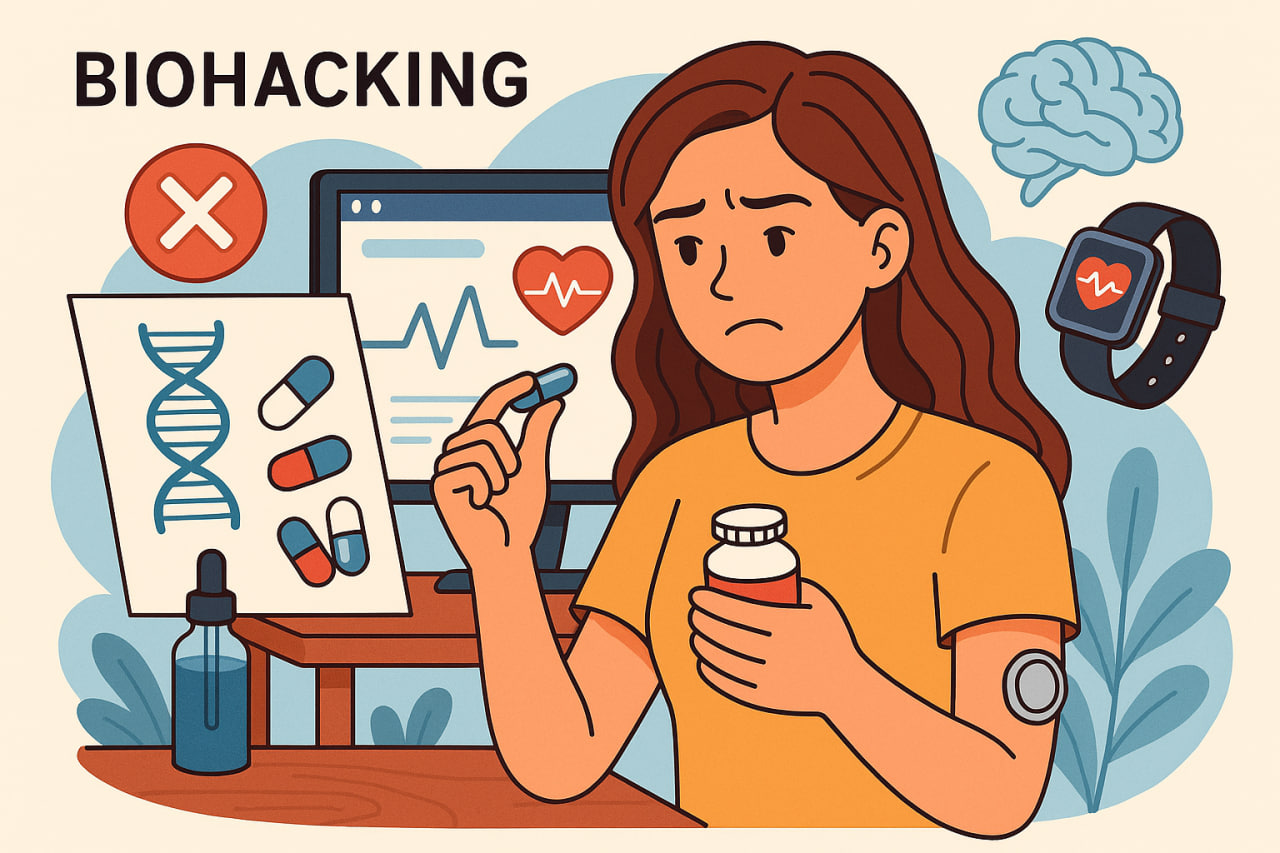
Biohacking has become a popular trend among people seeking to optimize their bodies and minds using science, technology, and self-experimentation.

Ginger (Zingiber officinale) is one of the world’s most ancient and versatile plants, valued for thousands of years both as a culinary spice and a natural remedy.