
The Stroop Effect: Why the Brain Slows Down When Seeing the Color of a Word
The human brain processes enormous amounts of information every second, often performing complex tasks automatically without conscious effort.
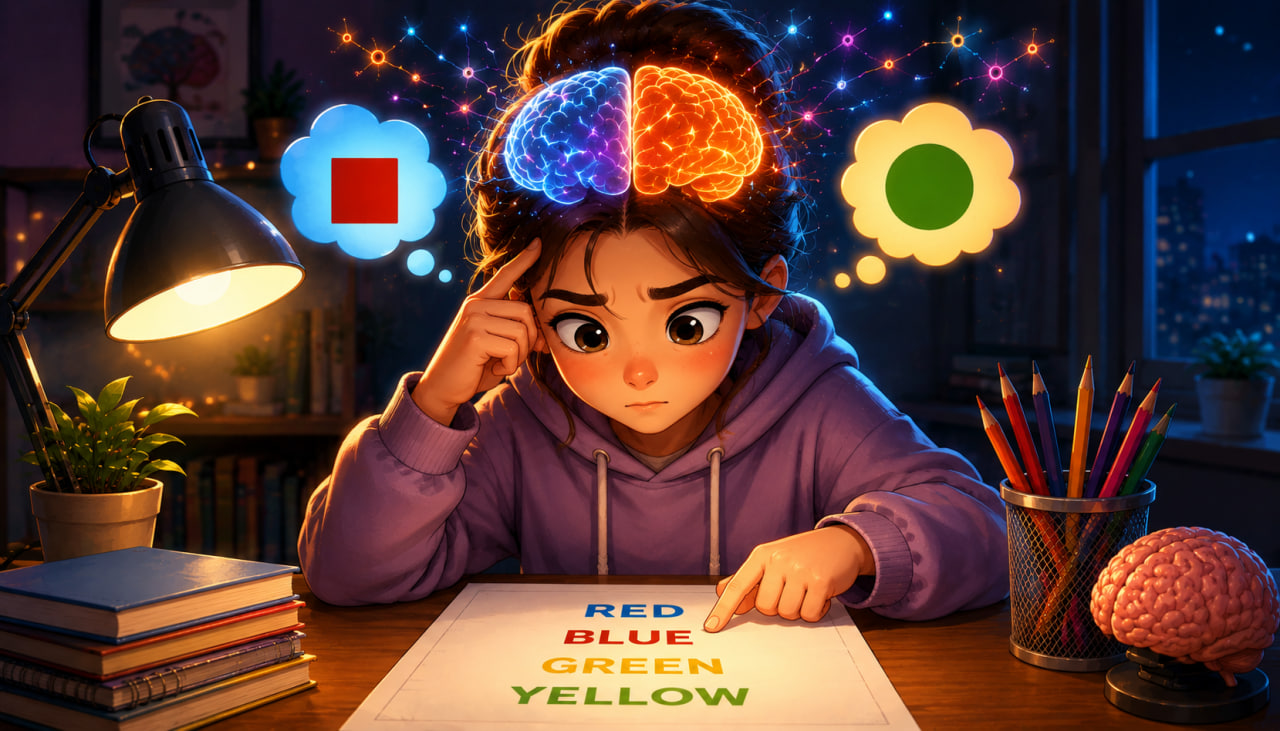
The human brain processes enormous amounts of information every second, often performing complex tasks automatically without conscious effort.

Throughout history, certain children have amazed the world with abilities far beyond their age.

Moving from a city to a rural village can feel like stepping into a completely different world.
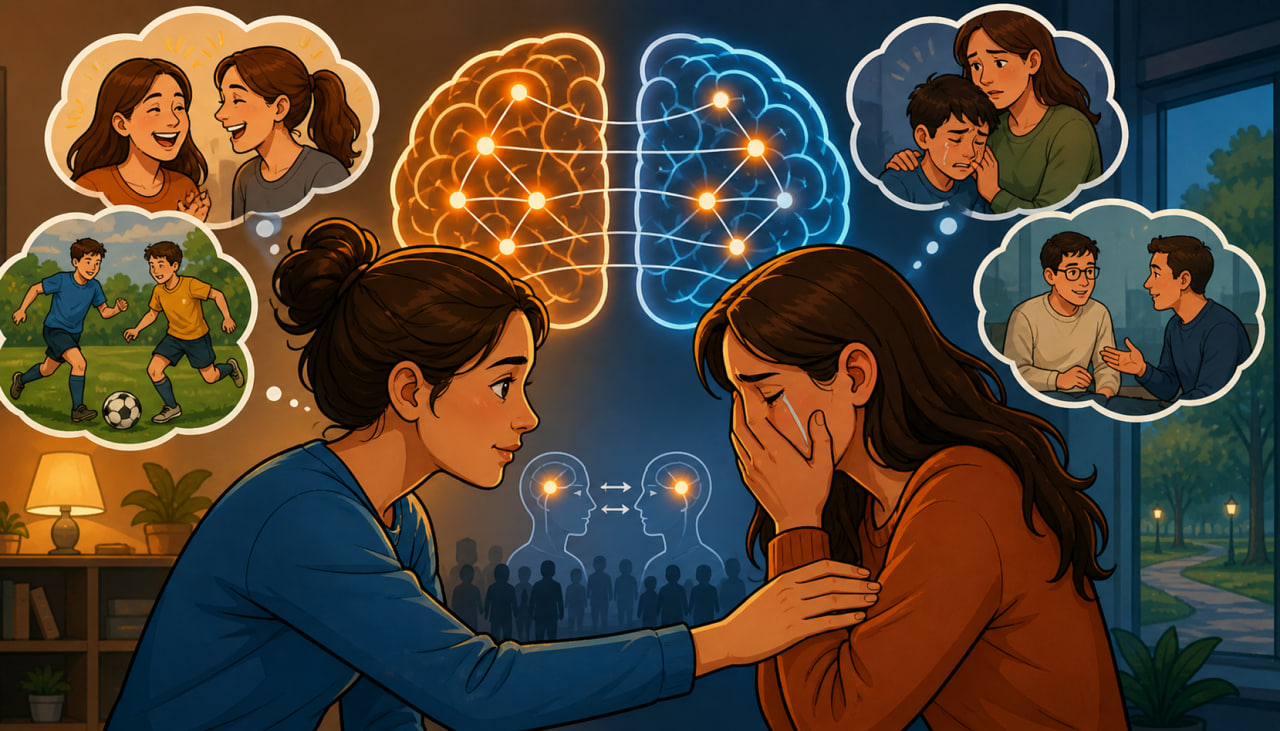
Mirror neurons are one of the most intriguing discoveries in modern neuroscience. They provide a biological explanation for empathy, imitation, and social understanding.
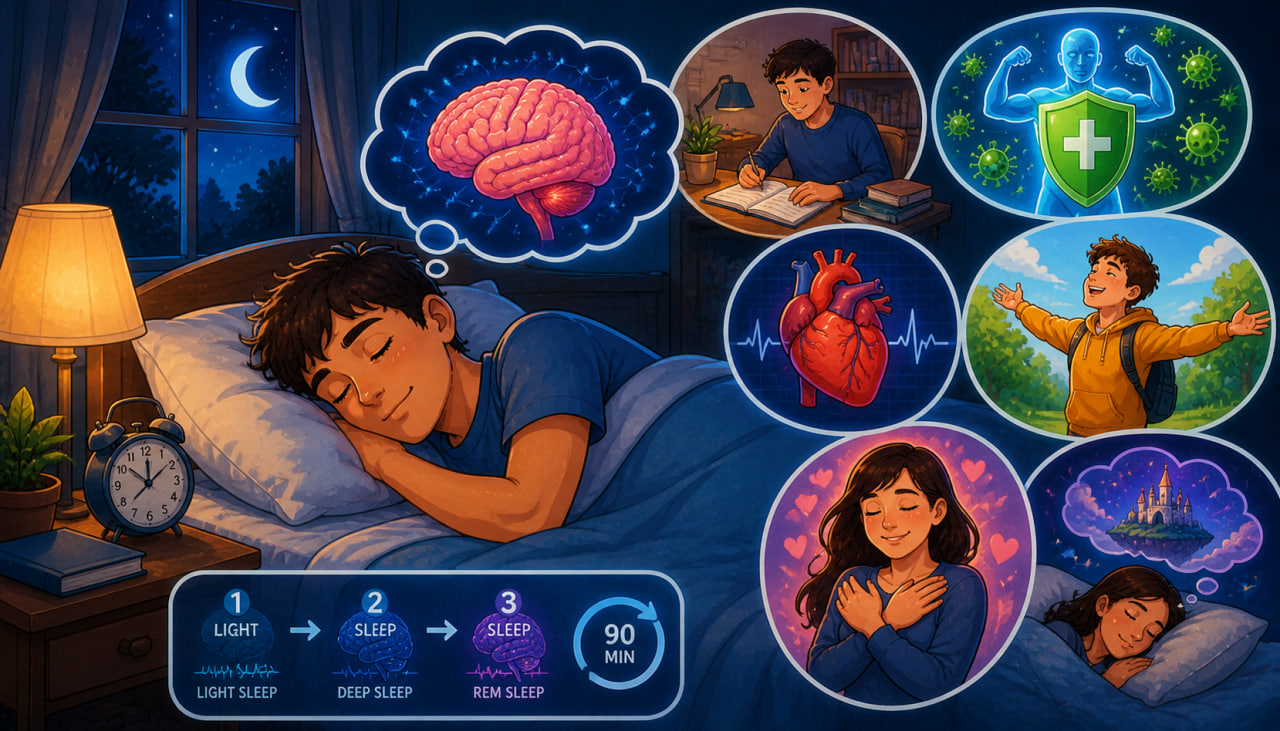
Sleep is one of the most fundamental biological processes, yet it remains one of the most misunderstood.
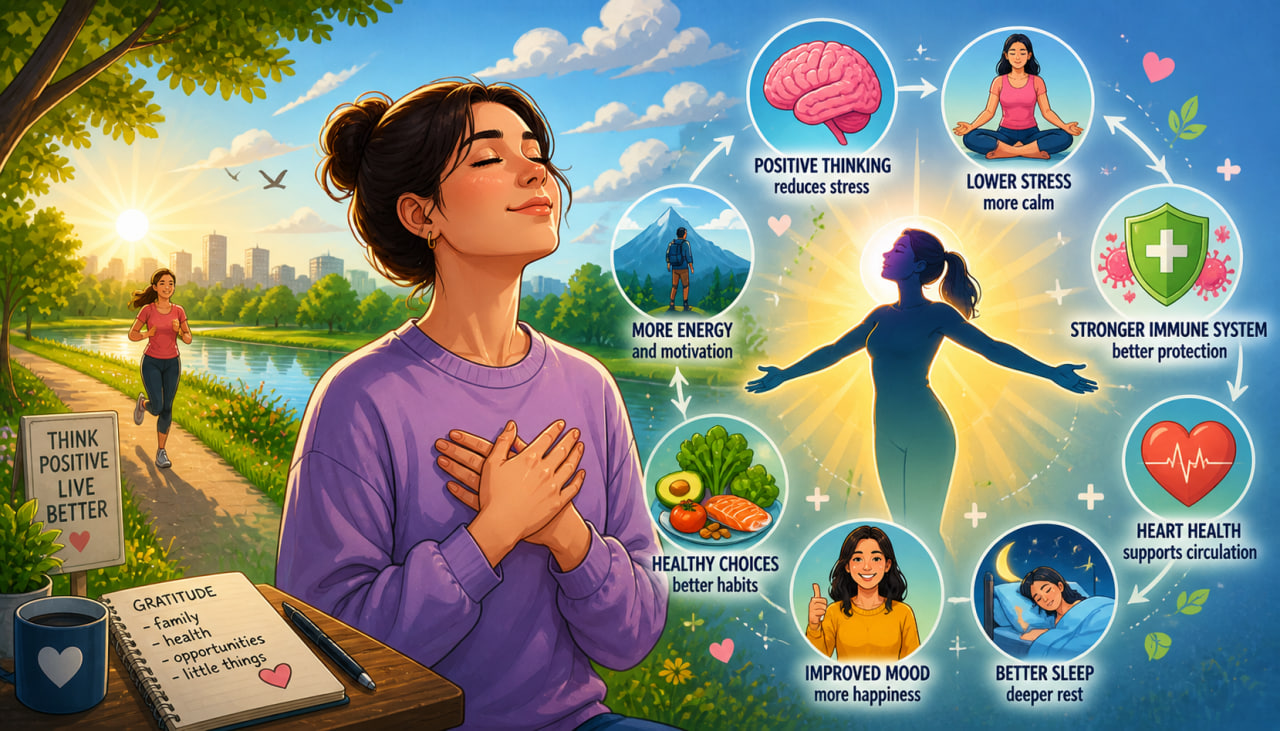
Positive thinking is more than just an optimistic attitude—it is a mental approach that can significantly influence physical and emotional well-being.
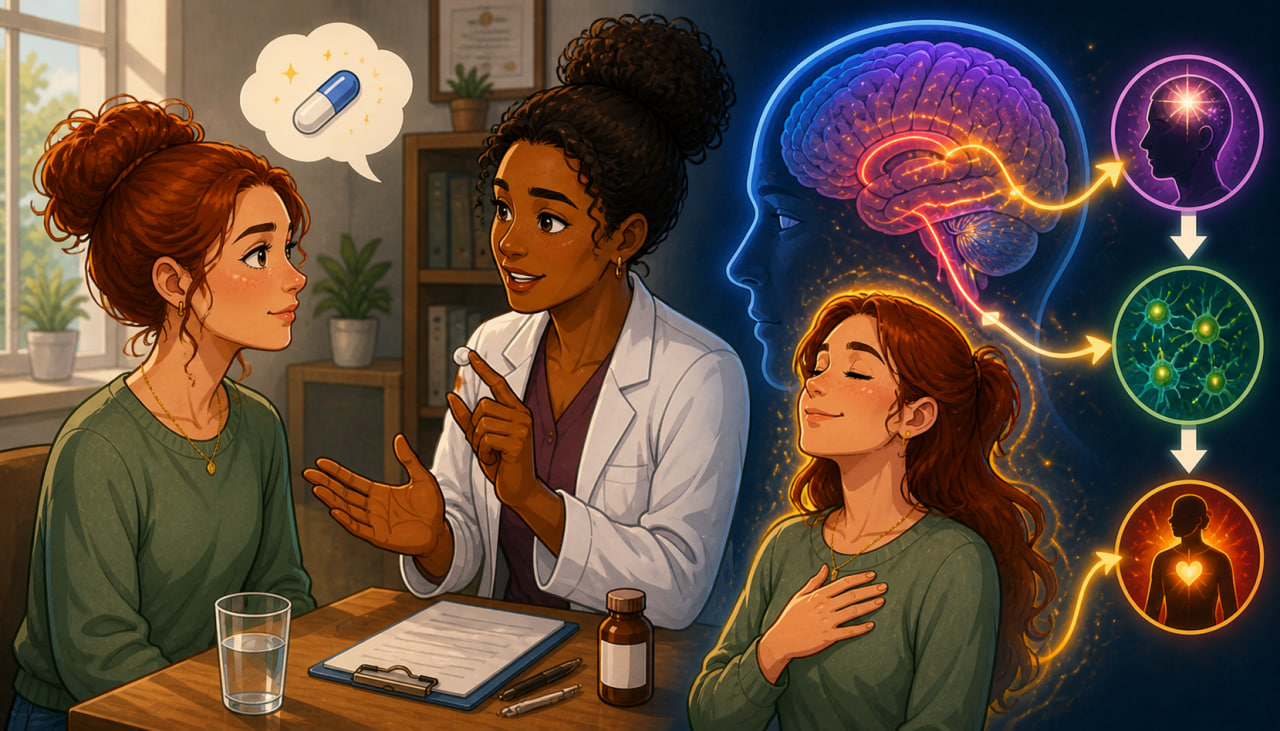
The human mind has a powerful influence over the body. One of the most striking examples of this connection is the placebo effect—a phenomenon where a person experiences real improvement in...
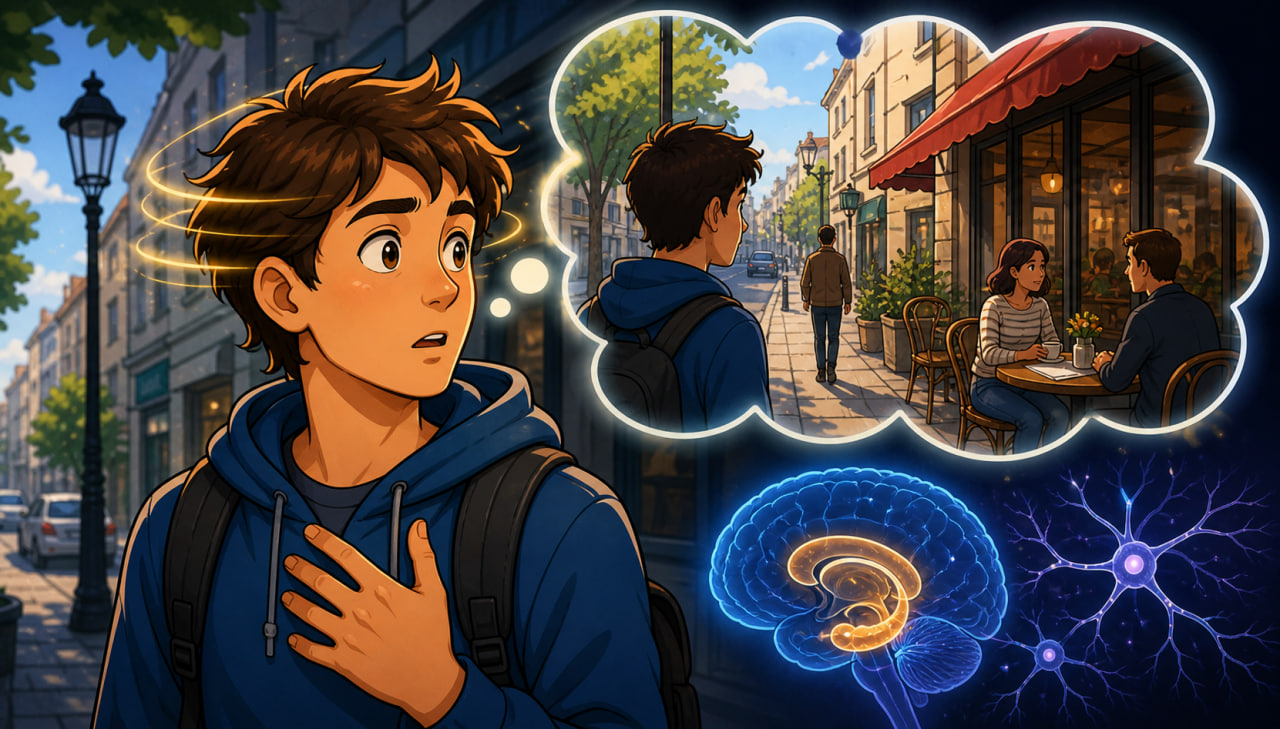
Déjà vu is one of the most mysterious and intriguing experiences of the human mind. Many people have felt it at least once—a sudden, powerful sensation that a current situation has already...
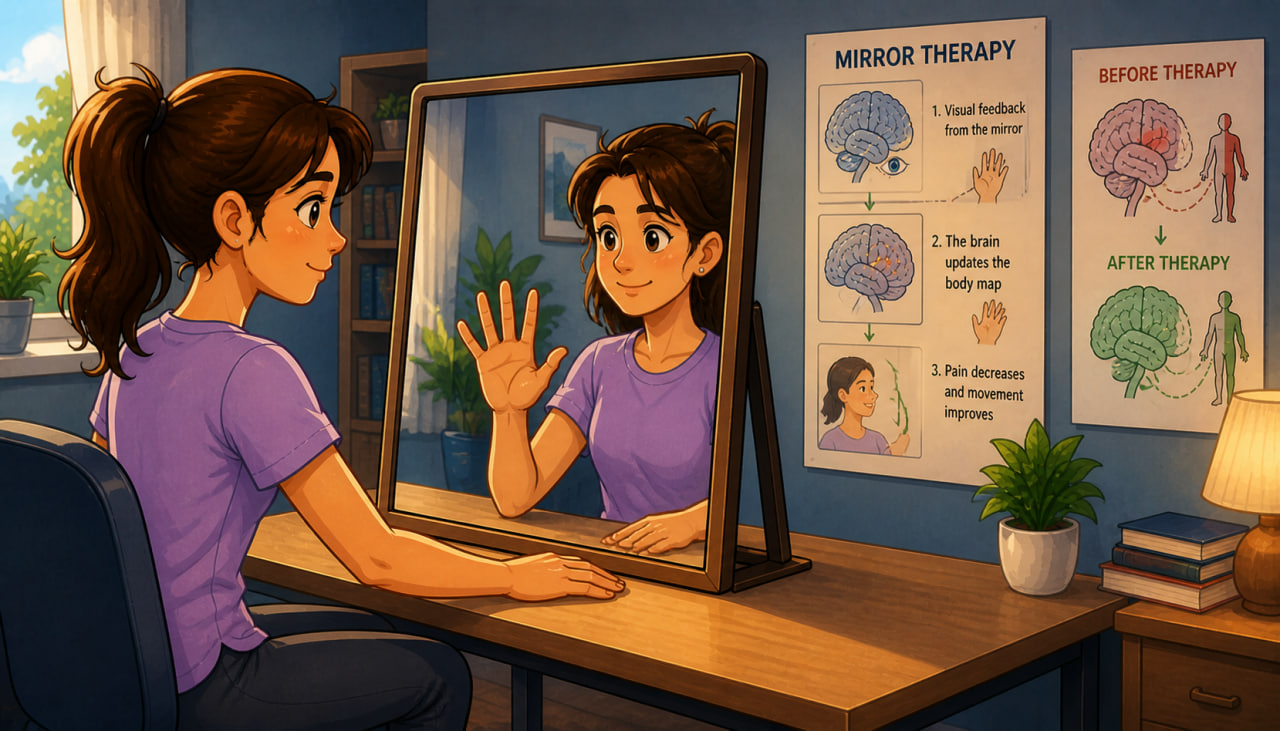
Mirror therapy is one of the most fascinating and innovative approaches in modern neuroscience and rehabilitation.
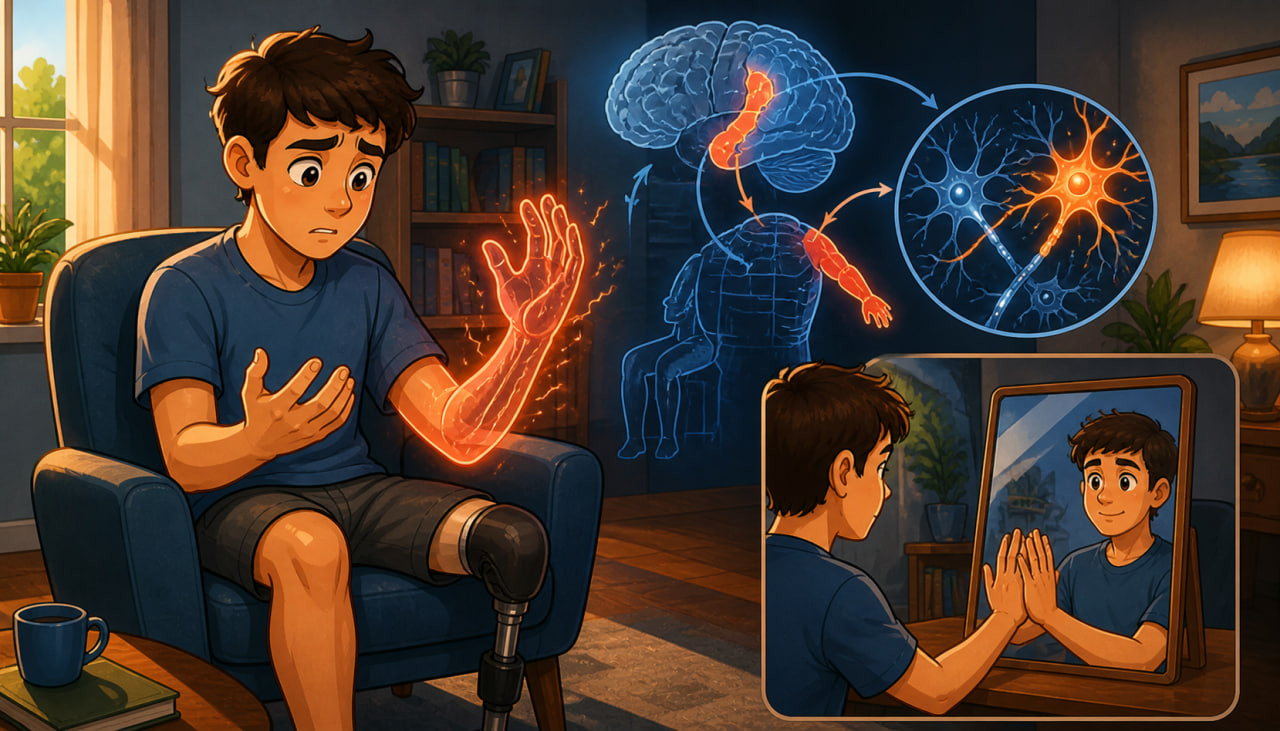
Phantom pain is one of the most fascinating and puzzling phenomena in neuroscience. It occurs when a person feels pain in a body part that has been lost, such as after an amputation.