
What Happens to the Body During Walking — and Why It’s So Beneficial
Walking is one of the simplest and most natural forms of physical activity, yet its impact on the human body is surprisingly powerful.

Walking is one of the simplest and most natural forms of physical activity, yet its impact on the human body is surprisingly powerful.
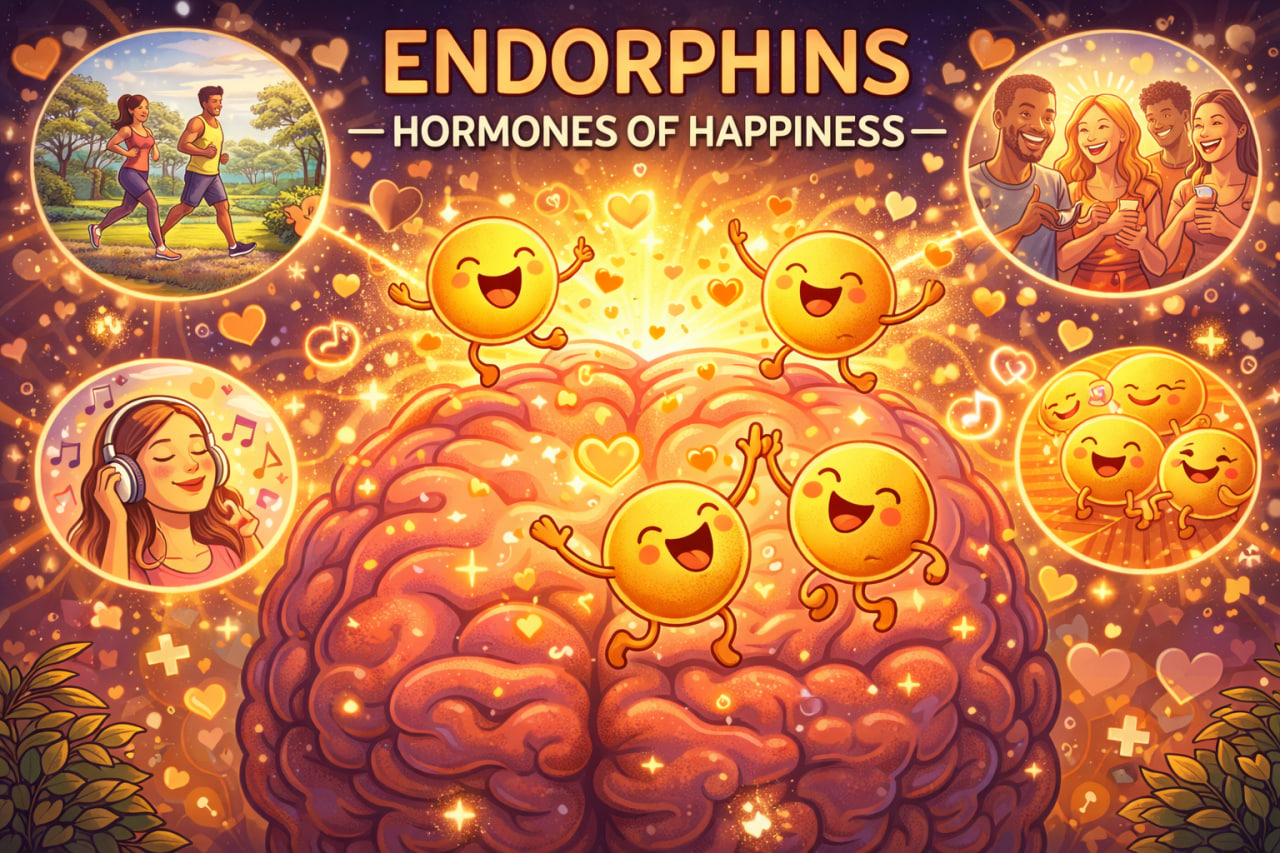
Endorphins are natural chemicals produced by the body that play a key role in regulating mood, pain, and overall well-being.
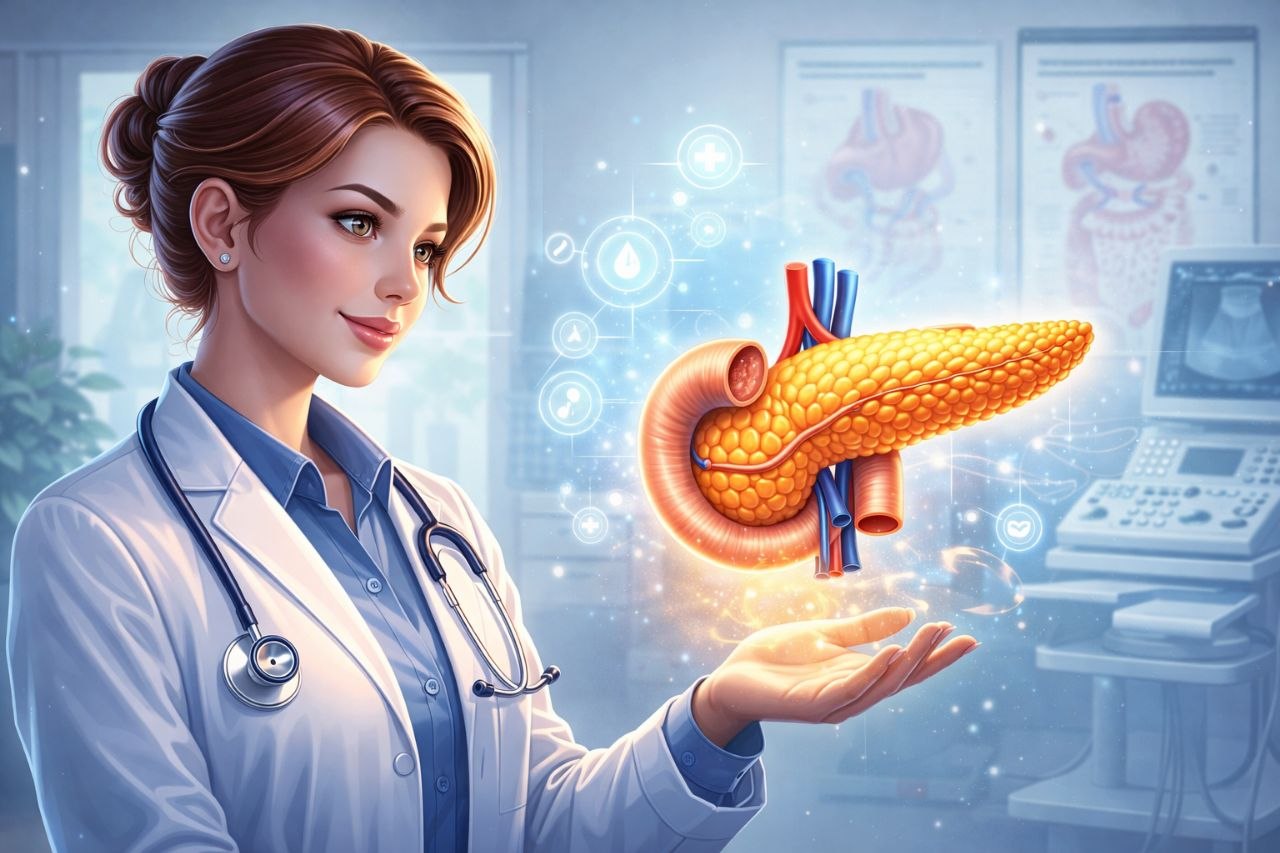
Pancreatitis is an inflammatory condition of the pancreas, an important organ involved in digestion and blood sugar regulation.
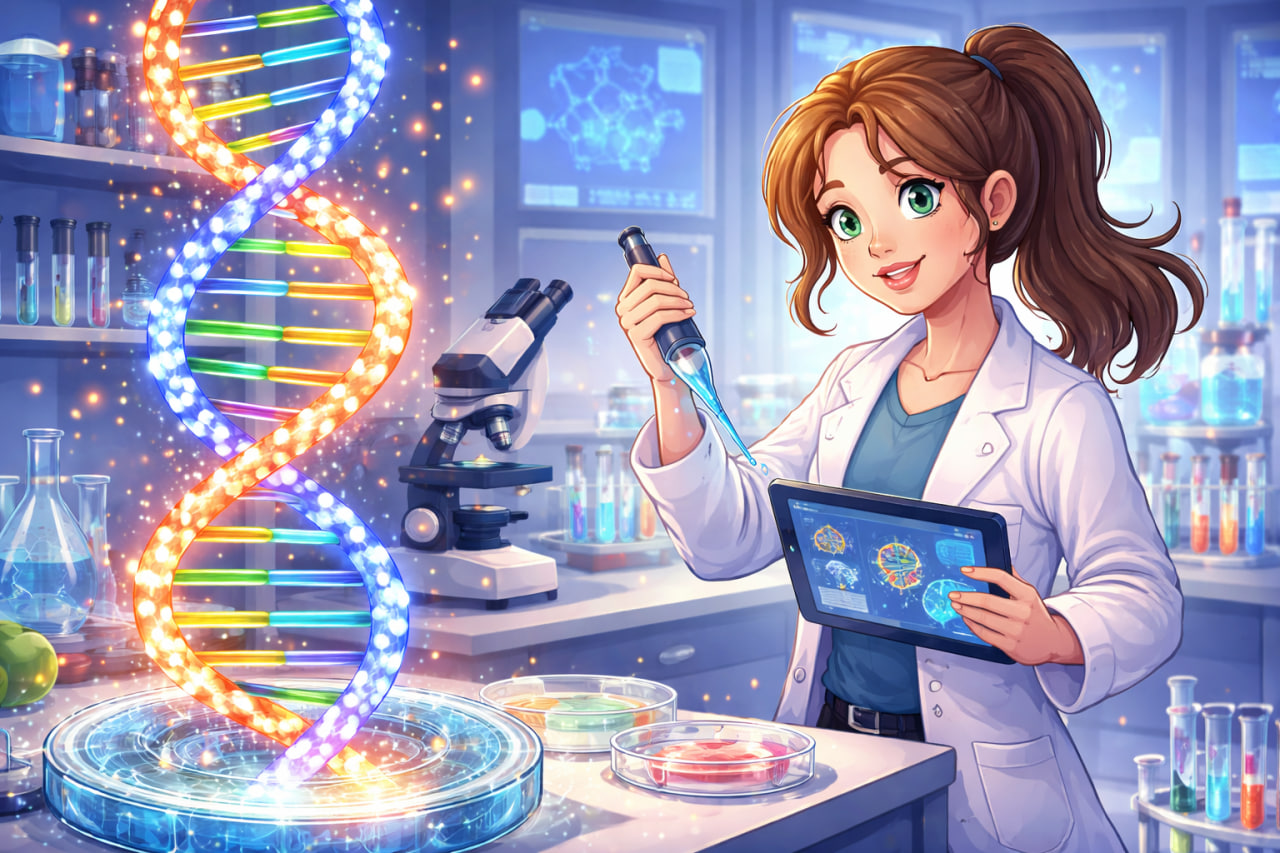
Ribonucleic acid (RNA) is one of the most important molecules in living organisms, playing a central role in how genetic information is used and expressed.

Instincts are innate patterns of behavior that are present from birth and do not require prior learning.
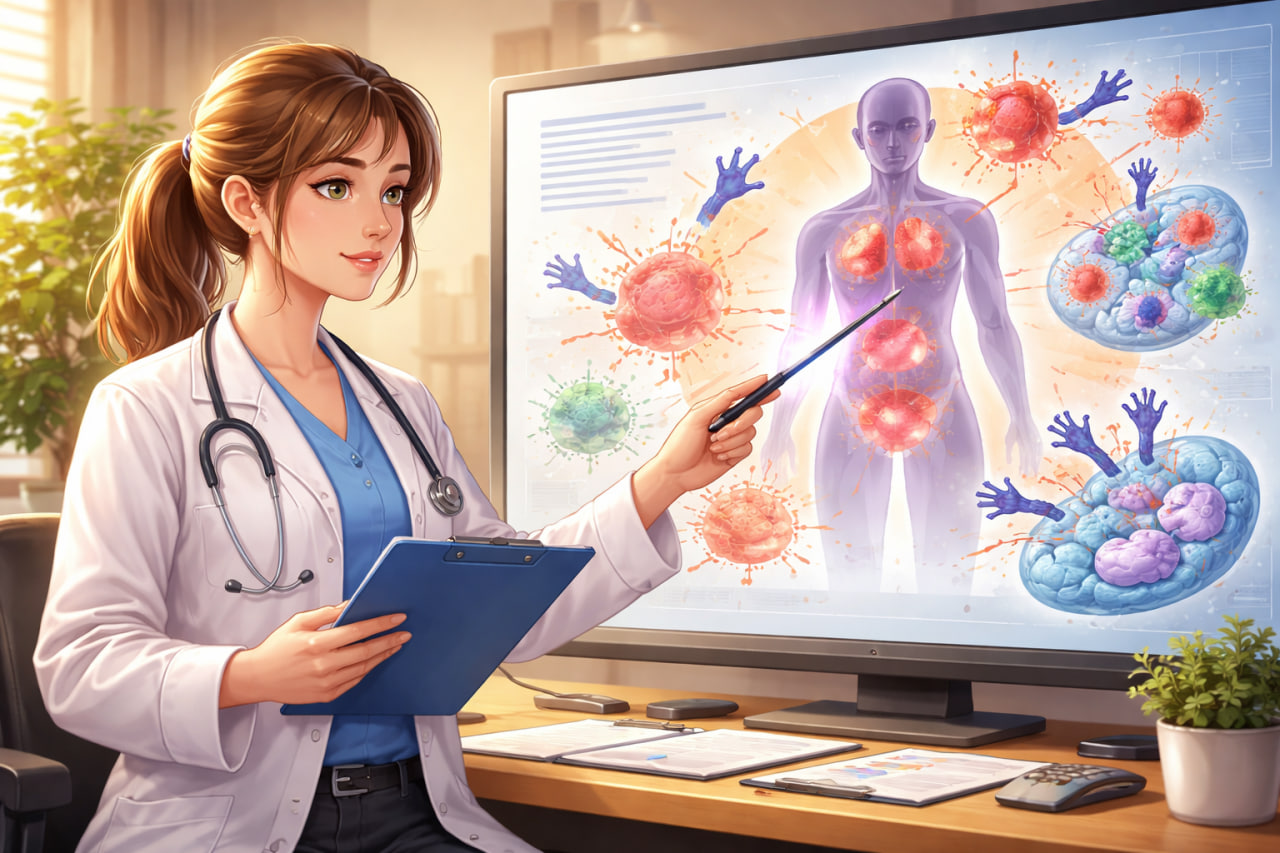
Autoimmune diseases are complex conditions in which the body’s immune system mistakenly attacks its own healthy cells.
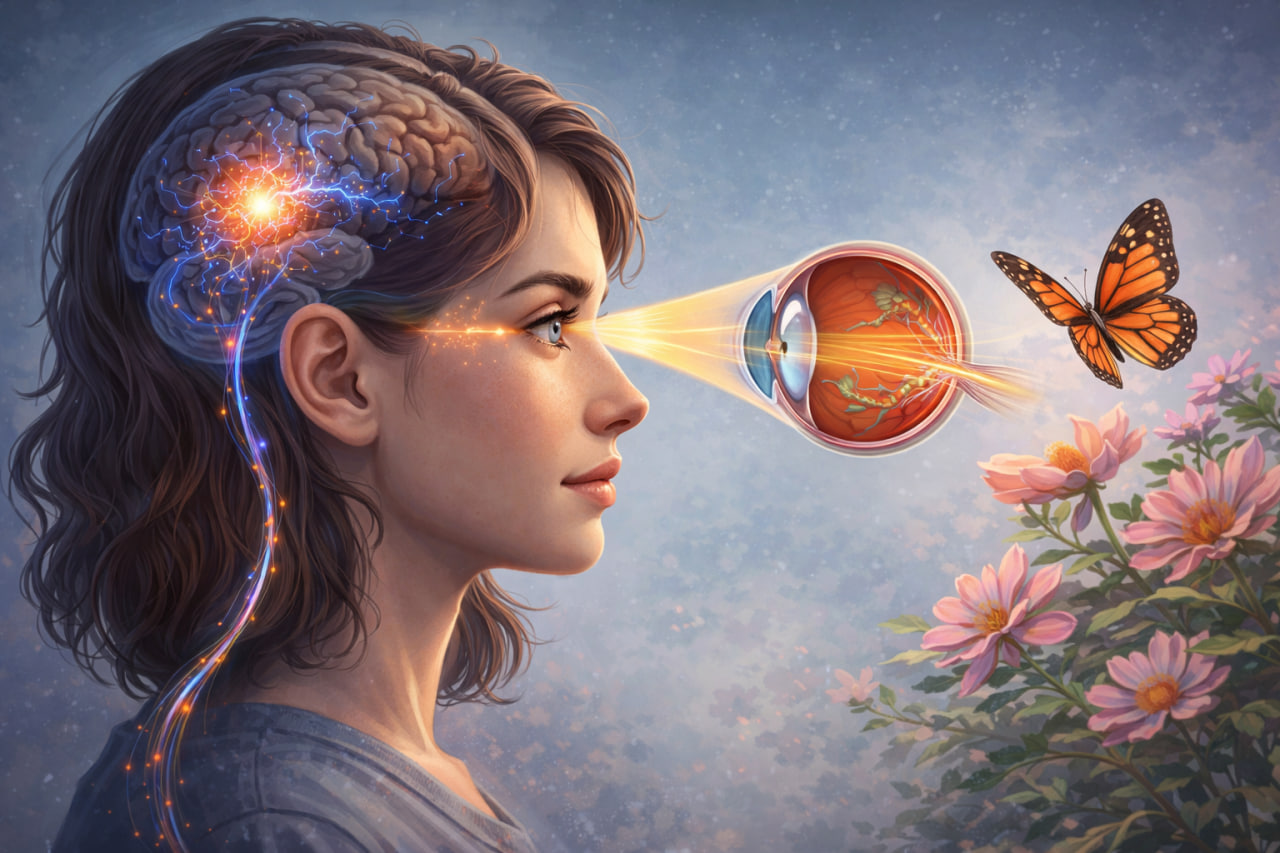
Vision is one of the most complex and fascinating processes in the human body. Every moment, our eyes capture light from the environment and transform it into meaningful images that the brain...
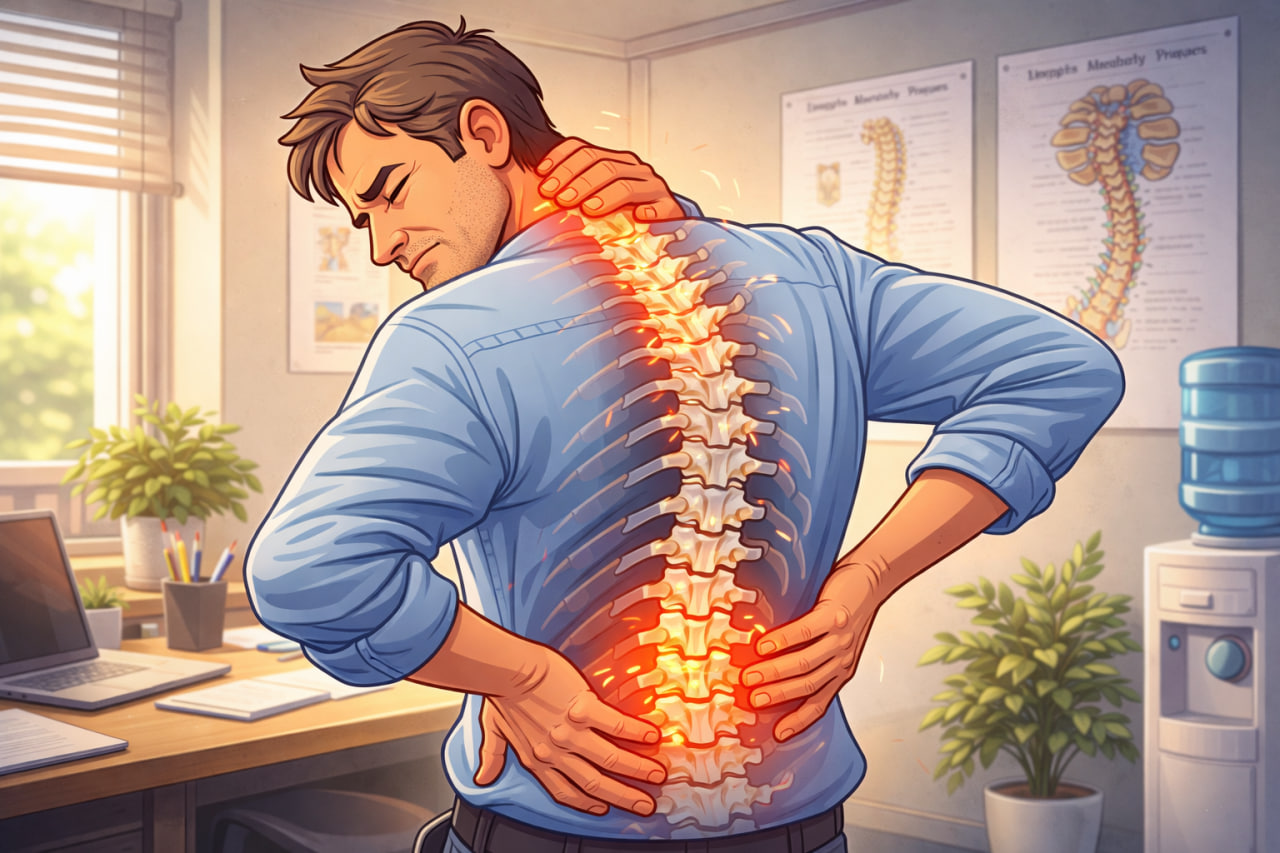
Osteochondrosis is a condition associated with degenerative changes in the spine, particularly affecting the intervertebral discs and surrounding structures.

Vitamins are essential organic compounds that the human body requires in small amounts to function properly.
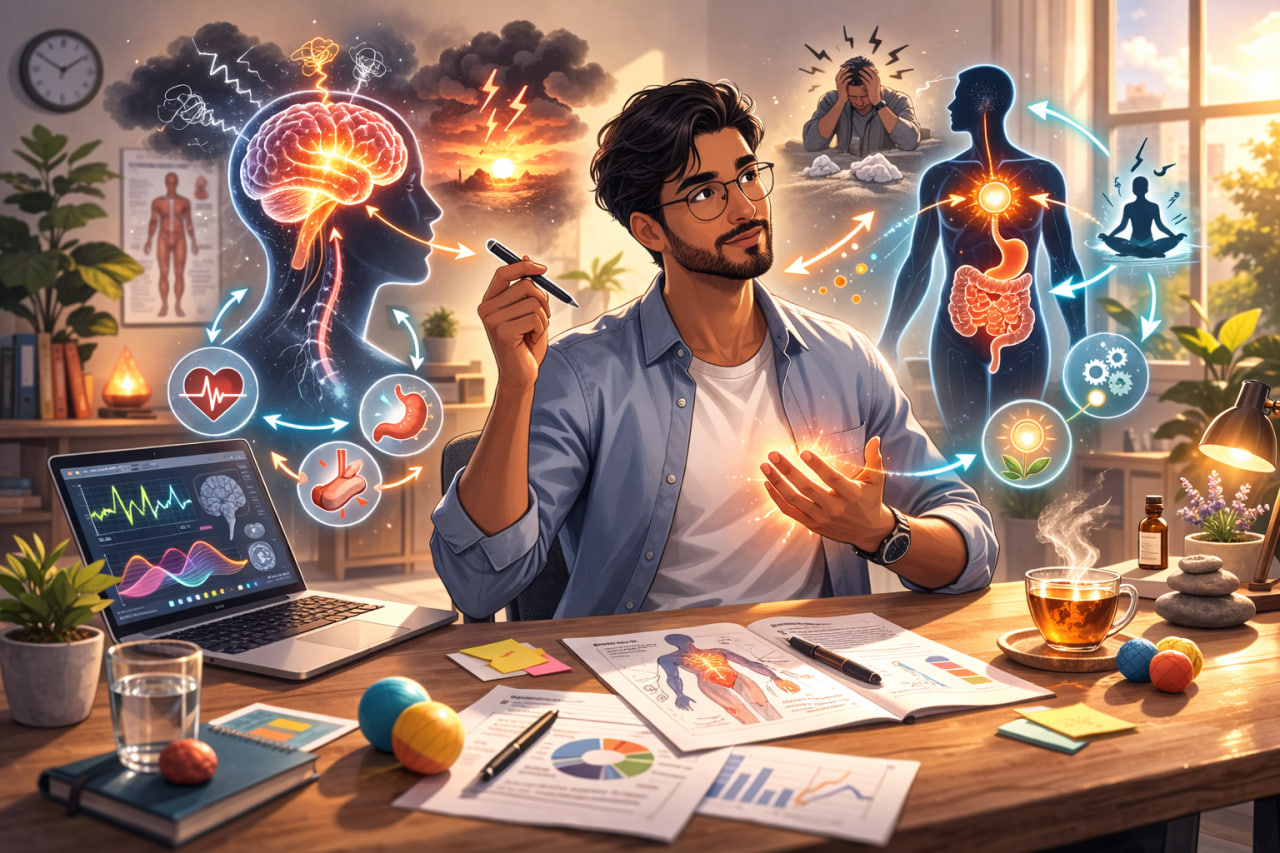
The term psychosomatics refers to the connection between psychological processes and physical health.