
What Is Hygiene and Why Is It Important for Health?
Hygiene is the collection of habits and environmental conditions that help preserve health and reduce the spread of disease.
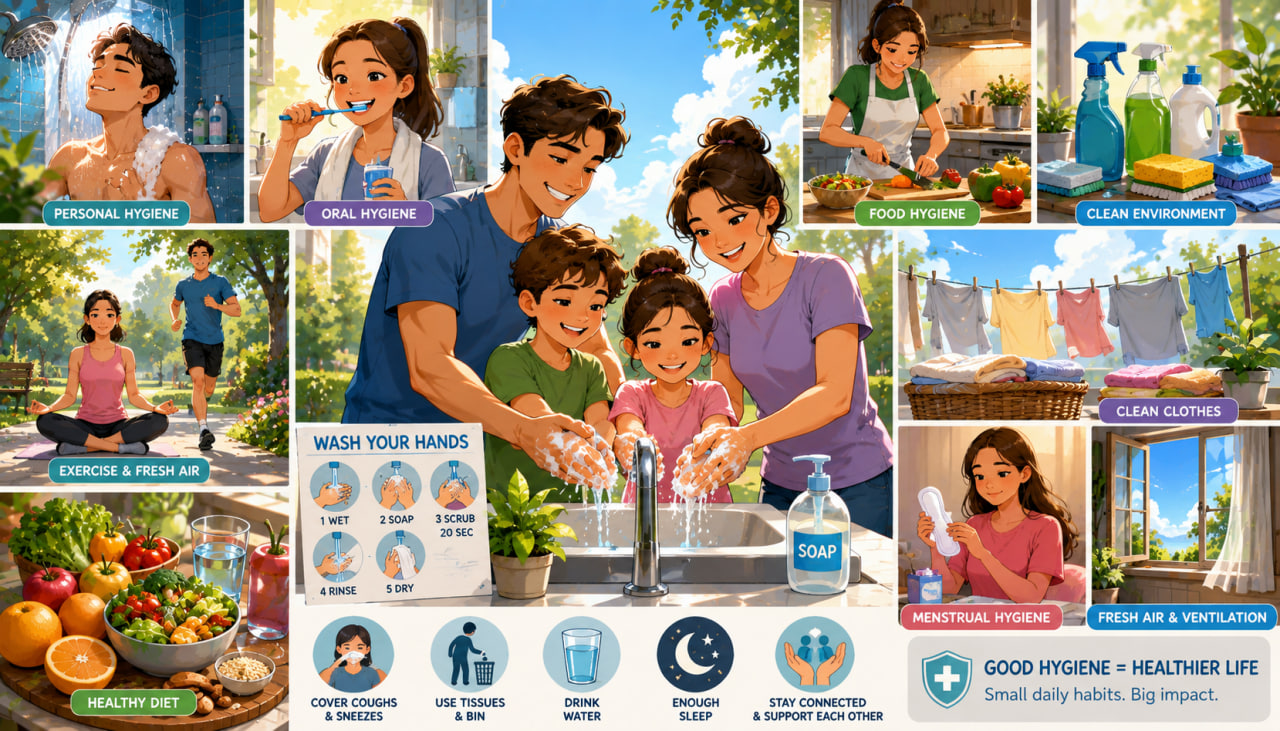
Hygiene is the collection of habits and environmental conditions that help preserve health and reduce the spread of disease.
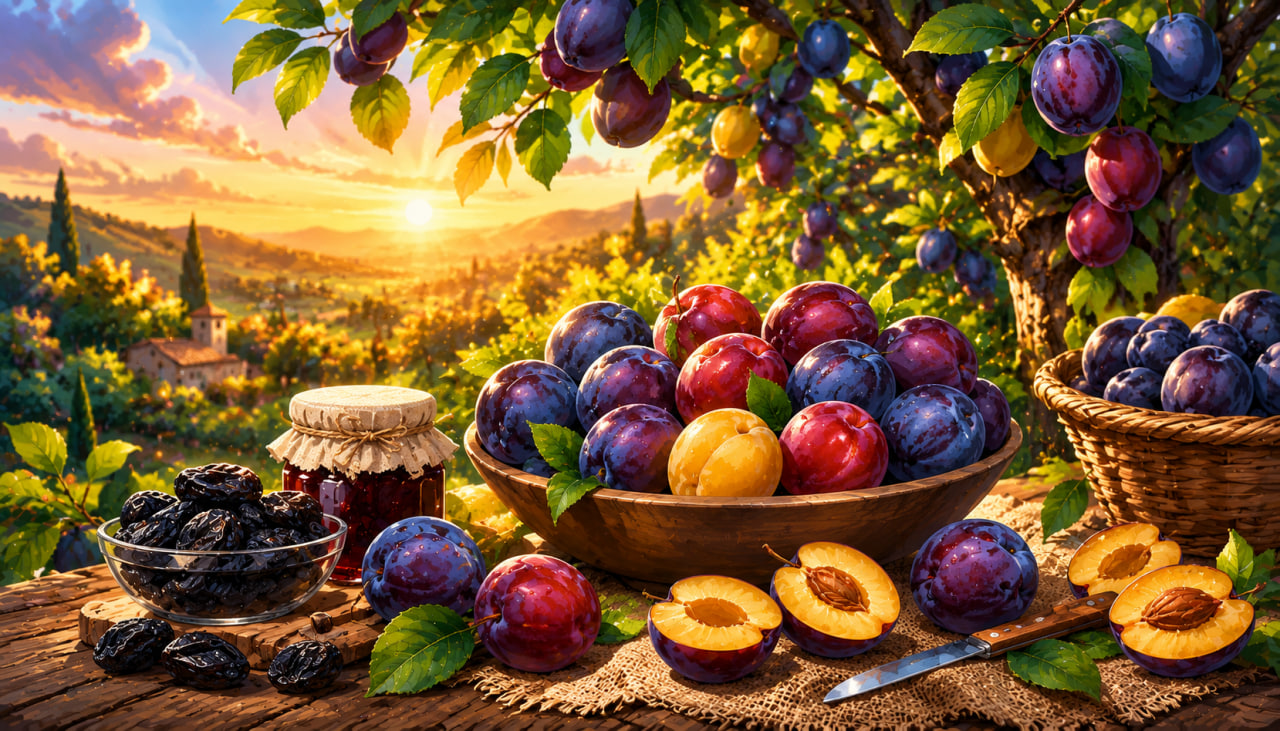
Plums are among the most diverse stone fruits in the world. Depending on the variety, they may be round or oval, honey-sweet or sharply tart, and colored yellow, green, red, blue, or deep purple.

Many people want to improve memory, concentration, creativity, and mental energy. This has created a huge market for brain-training apps, supplements, nootropics, and productivity systems.
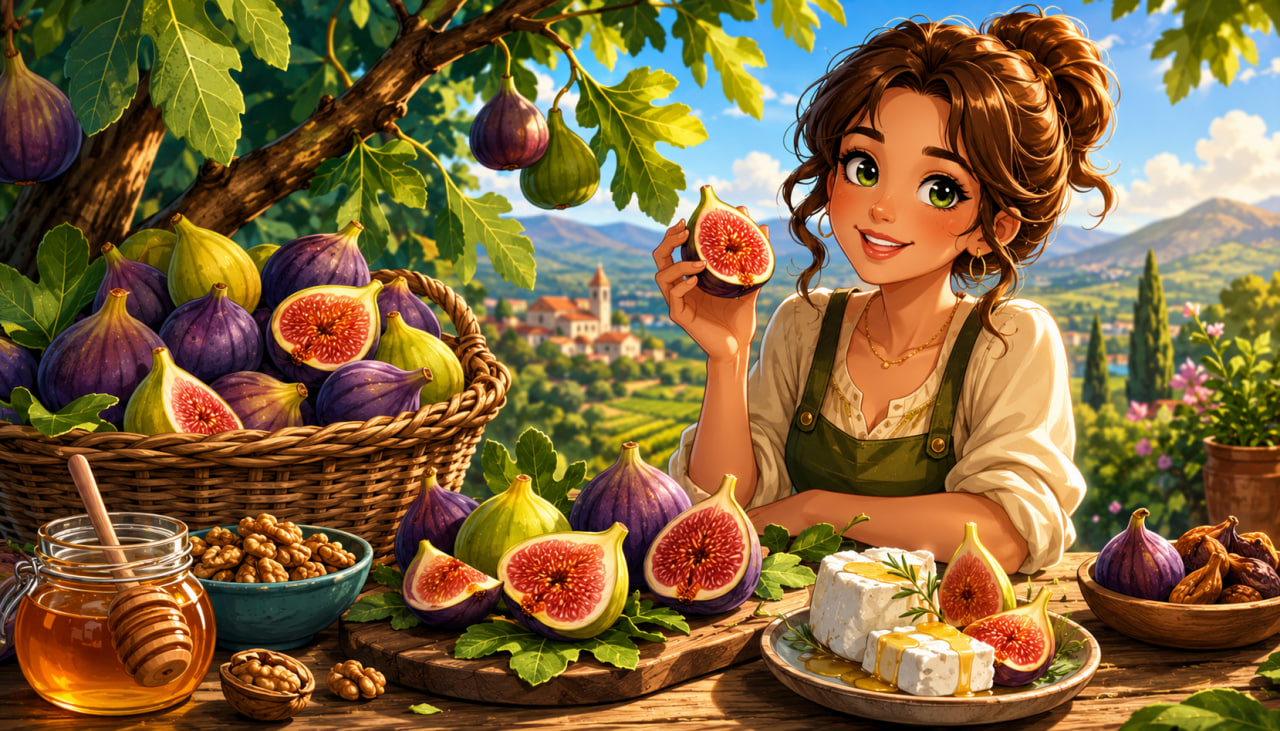
Figs are soft, naturally sweet fruits known for their distinctive teardrop shape, delicate skin, and seed-filled interior.

Choosing between a peaceful pine forest and a relaxing seaside vacation may seem like a simple matter of taste.

A prolonged neighborhood power outage changes the way a family stores, prepares, and plans food.
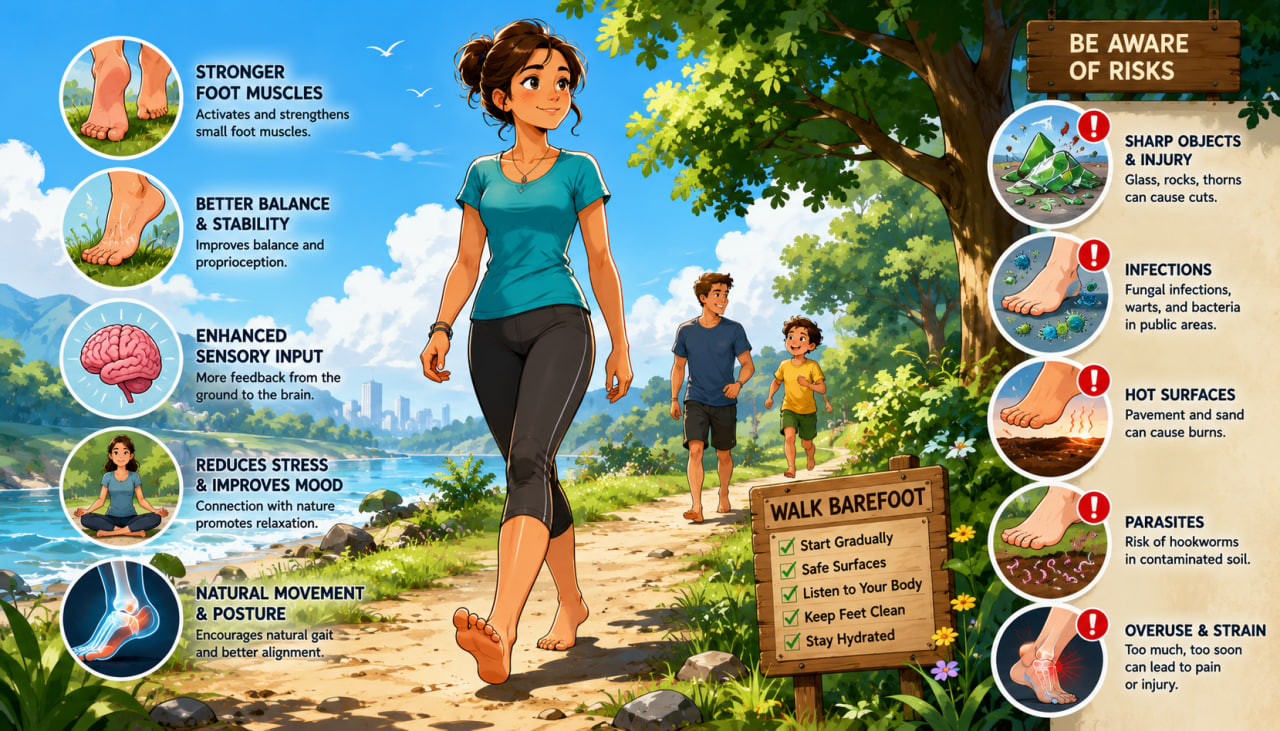
Walking barefoot can feel natural, relaxing, and surprisingly demanding. Without shoes, the feet receive more sensory information from the ground, small stabilising muscles work differently...

Swimming is more than a recreational skill. It is a full-body form of aerobic exercise that can improve cardiovascular fitness, muscular endurance, mobility, mood, and overall quality of life.

Kindness is often treated as a moral quality, but it also has measurable psychological and social effects.

Healthy joints make everyday independence possible. They allow you to walk, climb stairs, carry groceries, exercise, work, travel, and get up from a chair without assistance.