Gym

Muscle Soreness After a Workout: What Doctors Recommend for Faster Recovery
Gym Bioethics & Science Public Health

Muscle Soreness After a Workout: What Doctors Recommend for Faster Recovery

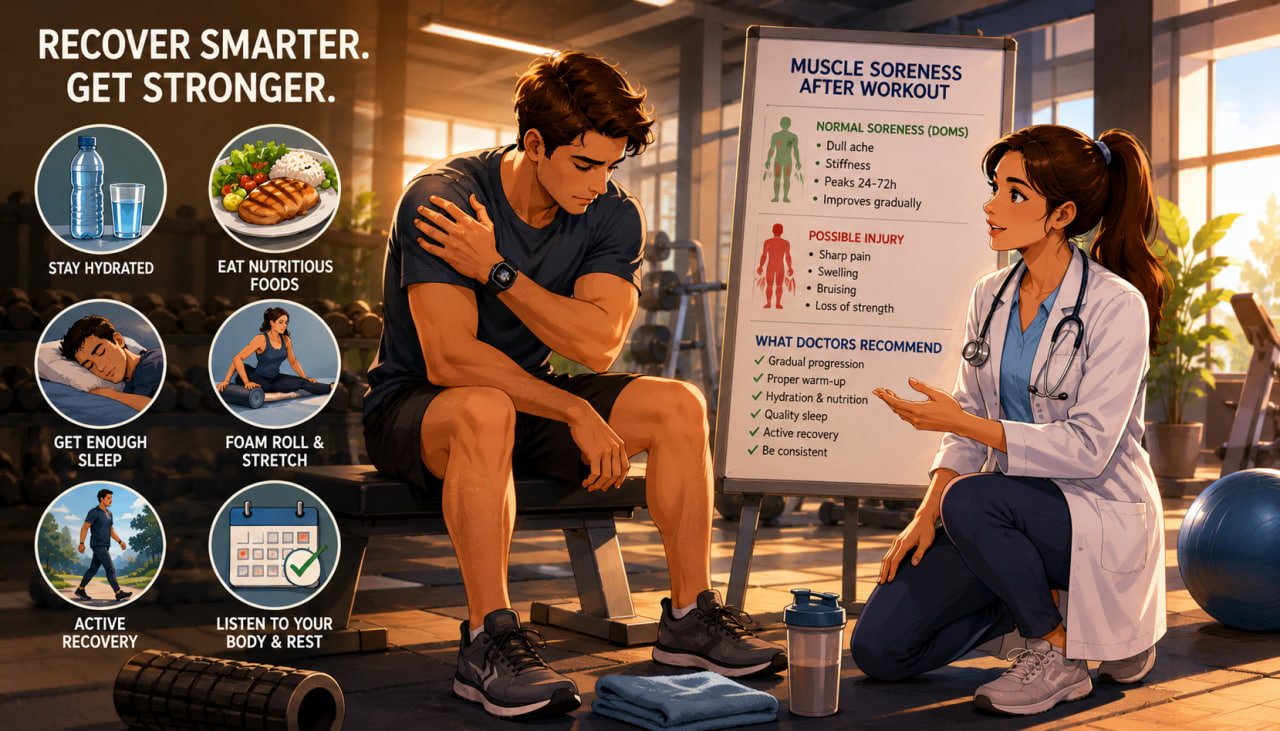
Muscle soreness after exercise is something nearly everyone experiences, from beginners starting their fitness journey to elite athletes pushing their physical limits. While post-workout discomfort can be frustrating, it is often a normal response to challenging your muscles and does not necessarily indicate injury. The most common type of soreness is known as Delayed Onset Muscle Soreness (DOMS). It typically develops several hours after exercise, peaks within one to three days, and gradually disappears as the muscles recover. Understanding why muscle soreness occurs—and how doctors recommend managing it—can help you recover faster, reduce discomfort, and continue exercising safely.

Gym vs Home Workouts: Can You Achieve the Same Health Benefits at Home?
Gym Healthy Lifestyle Public Health

Gym vs Home Workouts: Can You Achieve the Same Health Benefits at Home?

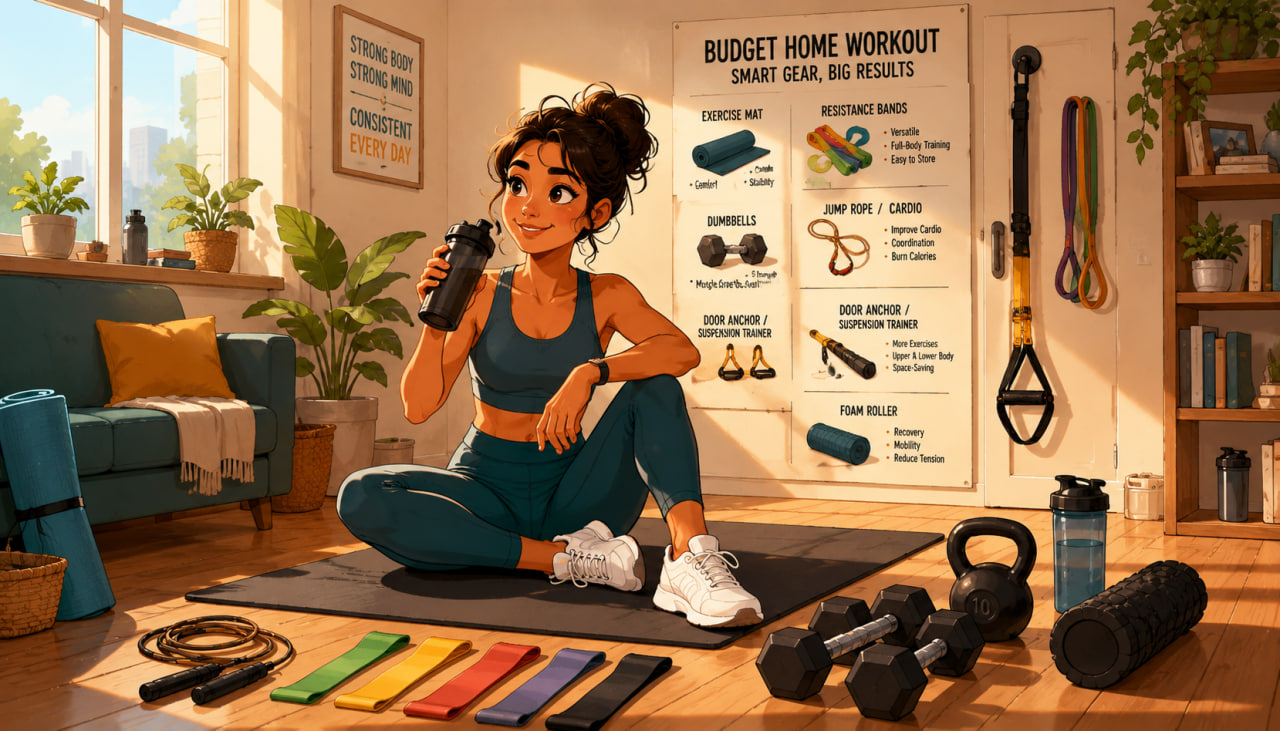
For decades, gyms have been considered the gold standard for improving fitness, building strength, and maintaining overall health. However, home workouts have become increasingly popular thanks to online fitness programs, affordable exercise equipment, and busy modern lifestyles. This has led many people to ask an important question: Can exercising at home provide the same health benefits as going to the gym? The answer, according to current scientific evidence, is yes—for most people, it can. While gyms offer unique advantages for strength training and specialized fitness goals, a well-designed home workout routine can deliver nearly identical benefits for cardiovascular health, muscle strength, flexibility, weight management, and mental well-being. Ultimately, consistency matters far more than where you exercise.

Why Do Your Joints Crack During Exercise? Causes, Myths, and When to Be Concerned
Gym Smart & Healthy Healthy Lifestyle

Why Do Your Joints Crack During Exercise? Causes, Myths, and When to Be Concerned

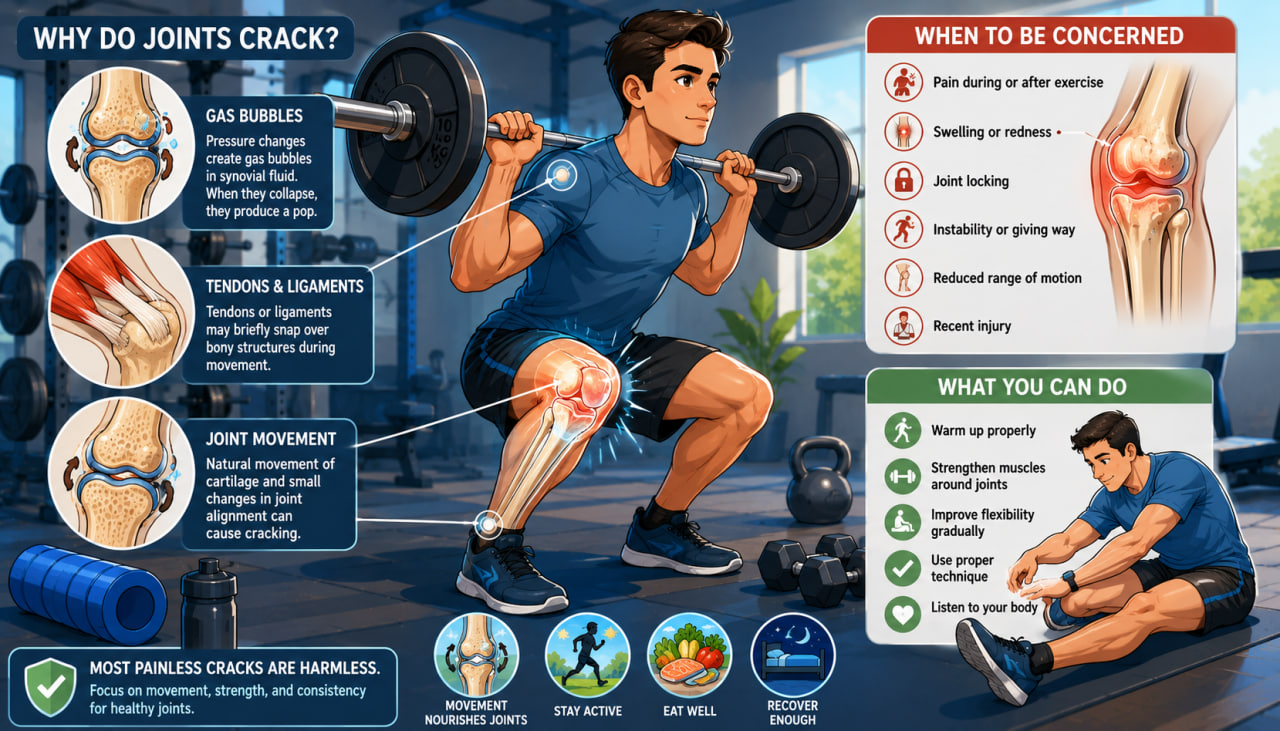
Many people notice clicking, popping, or cracking sounds coming from their knees, shoulders, ankles, hips, or fingers during workouts. These sounds can be surprising, especially when starting a new exercise routine or performing deep squats, lunges, or stretching exercises. Fortunately, joint cracking is often completely normal and does not necessarily indicate injury or arthritis. However, not every popping sound should be ignored. When accompanied by pain, swelling, instability, or reduced mobility, joint noises may signal an underlying problem that deserves medical evaluation. Understanding why joints crack can help athletes and fitness enthusiasts distinguish harmless sounds from symptoms that require attention.

How to Choose the Right Training Load: The Science of Effective Workouts
Gym Biohacking Smart & Healthy

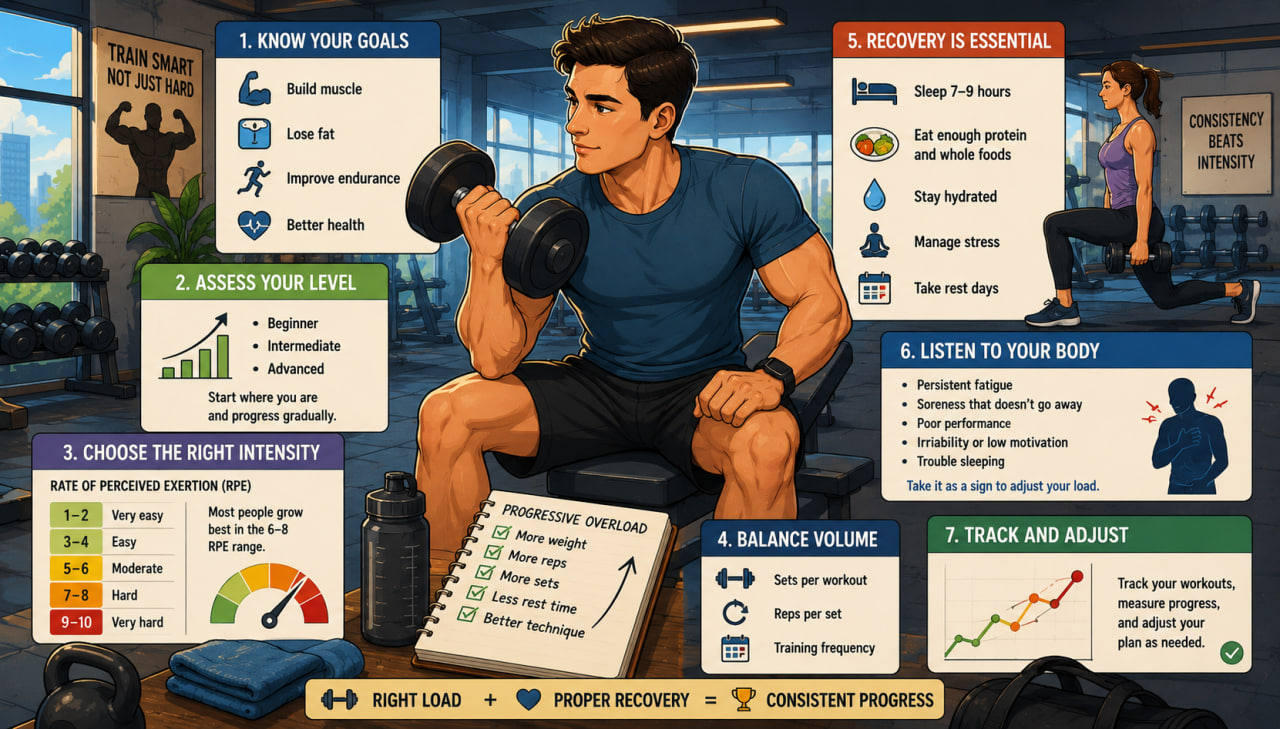
How to Choose the Right Training Load: The Science of Effective Workouts

One of the most important factors in fitness progress is choosing the correct training load. Too little effort may produce minimal results, while excessive training load can lead to injury, burnout, hormonal imbalance, or overtraining. Whether the goal is muscle growth, fat loss, endurance, or overall health, understanding how to balance intensity and recovery is essential. Modern sports science shows that optimal training is not simply about working harder. Effective exercise depends on carefully adjusting: Intensity Volume Frequency Recovery Individual fitness level Professional athletes, trainers, and exercise physiologists increasingly emphasize that smart training often matters more than extreme training.