
Tea: History, Health Benefits, and Cultural Importance
Tea is one of the most ancient and widely consumed beverages in the world. Whether served hot or cold, black or green, in ceremonies or casual cups — tea plays a central role in many cultures.
Food is energy. Discover how to eat for strength, focus, and long-term vitality.

Tea is one of the most ancient and widely consumed beverages in the world. Whether served hot or cold, black or green, in ceremonies or casual cups — tea plays a central role in many cultures.

Coffee is one of the most consumed beverages on Earth — enjoyed by billions each day for its rich flavor, cultural significance, and energizing effects.

Recovering from illness isn’t just about rest and medication — it’s also about rebuilding strength through proper nutrition.

A calorie deficit is the foundation of nearly every effective weight loss strategy. While fad diets and complicated meal plans come and go, the principle of consuming fewer calories than your...
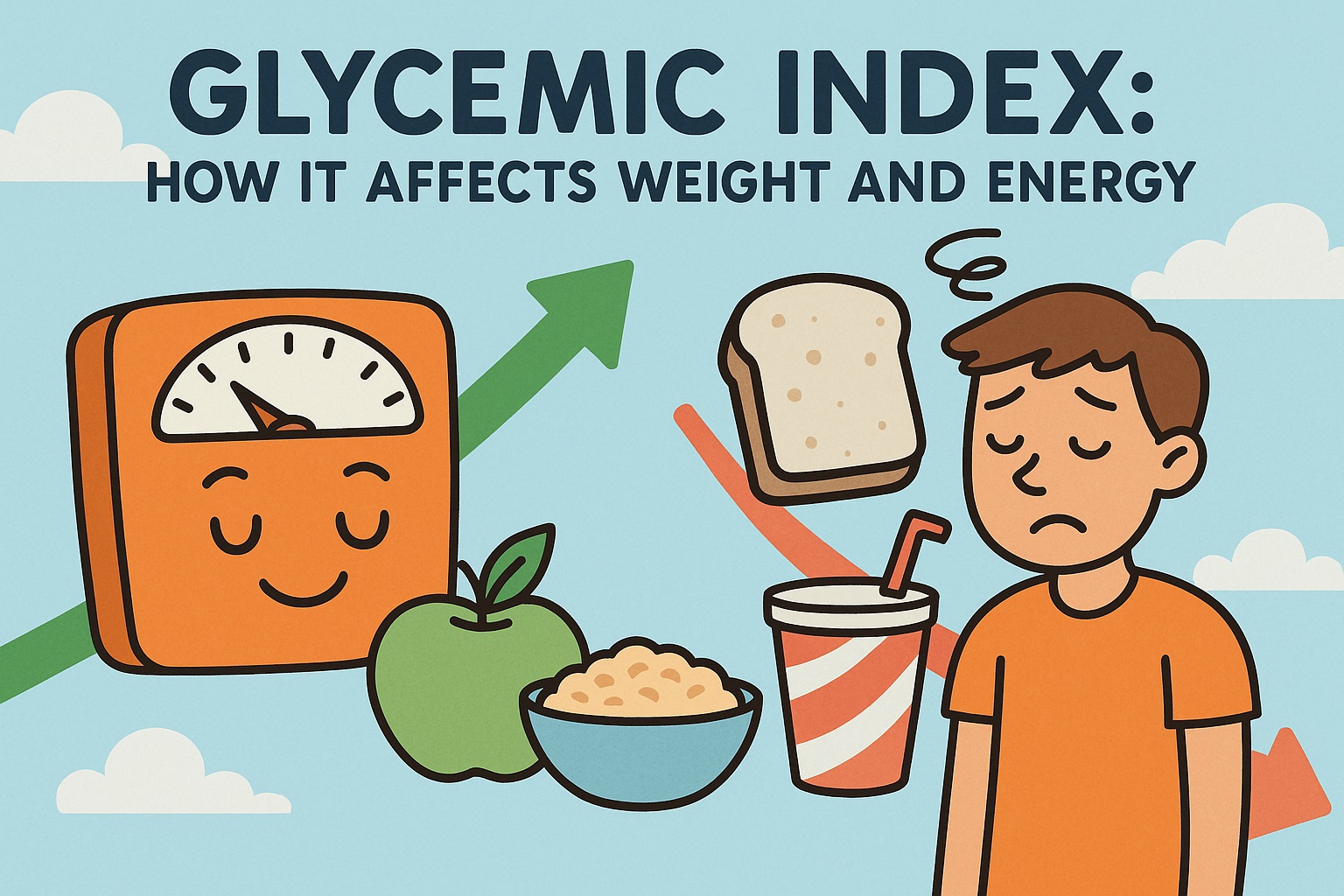
The glycemic index (GI) is a valuable tool for understanding how different foods influence blood sugar levels, energy, and body weight.
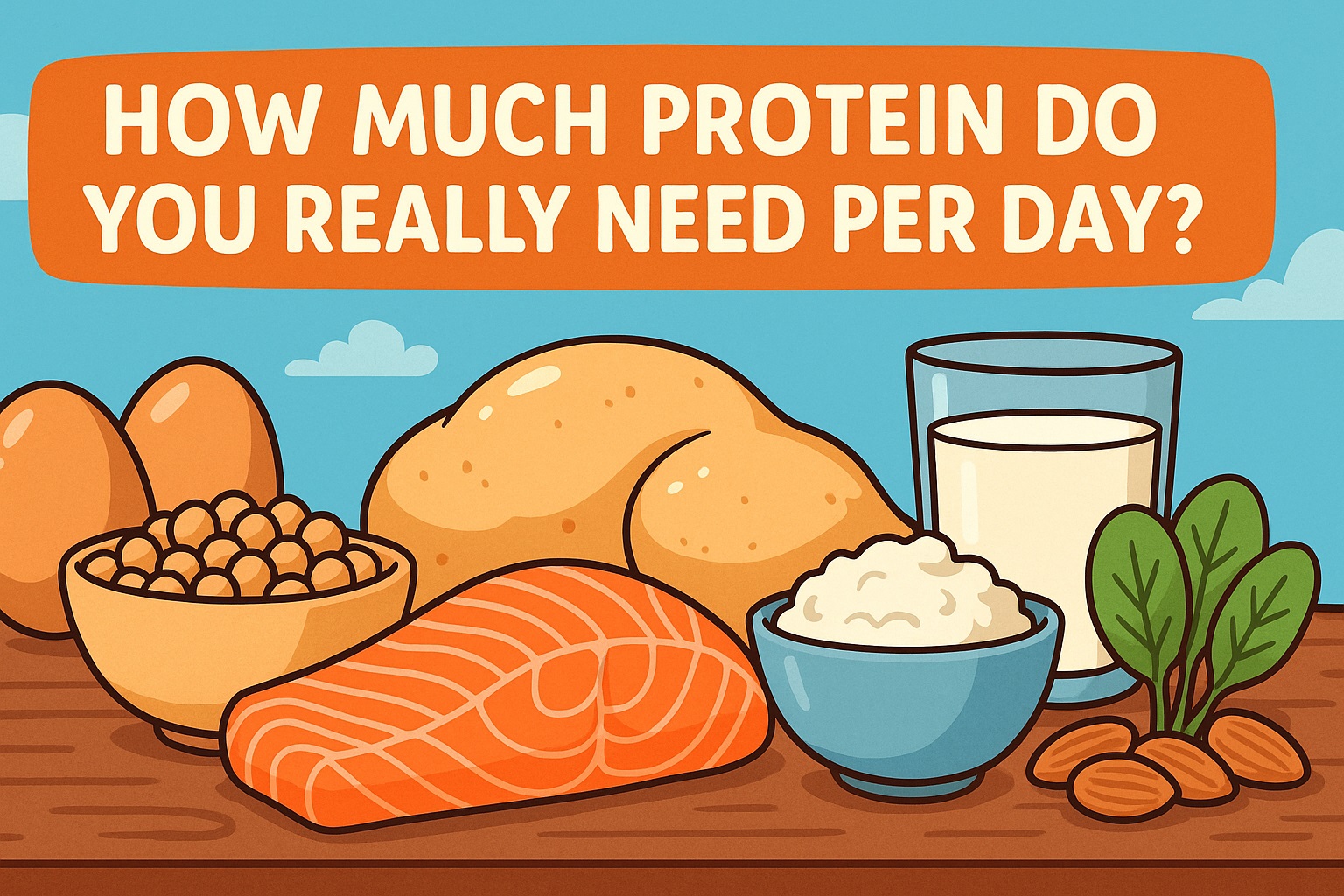
Protein is an essential macronutrient that supports muscle repair, enzyme production, immune defense, and hormone synthesis.
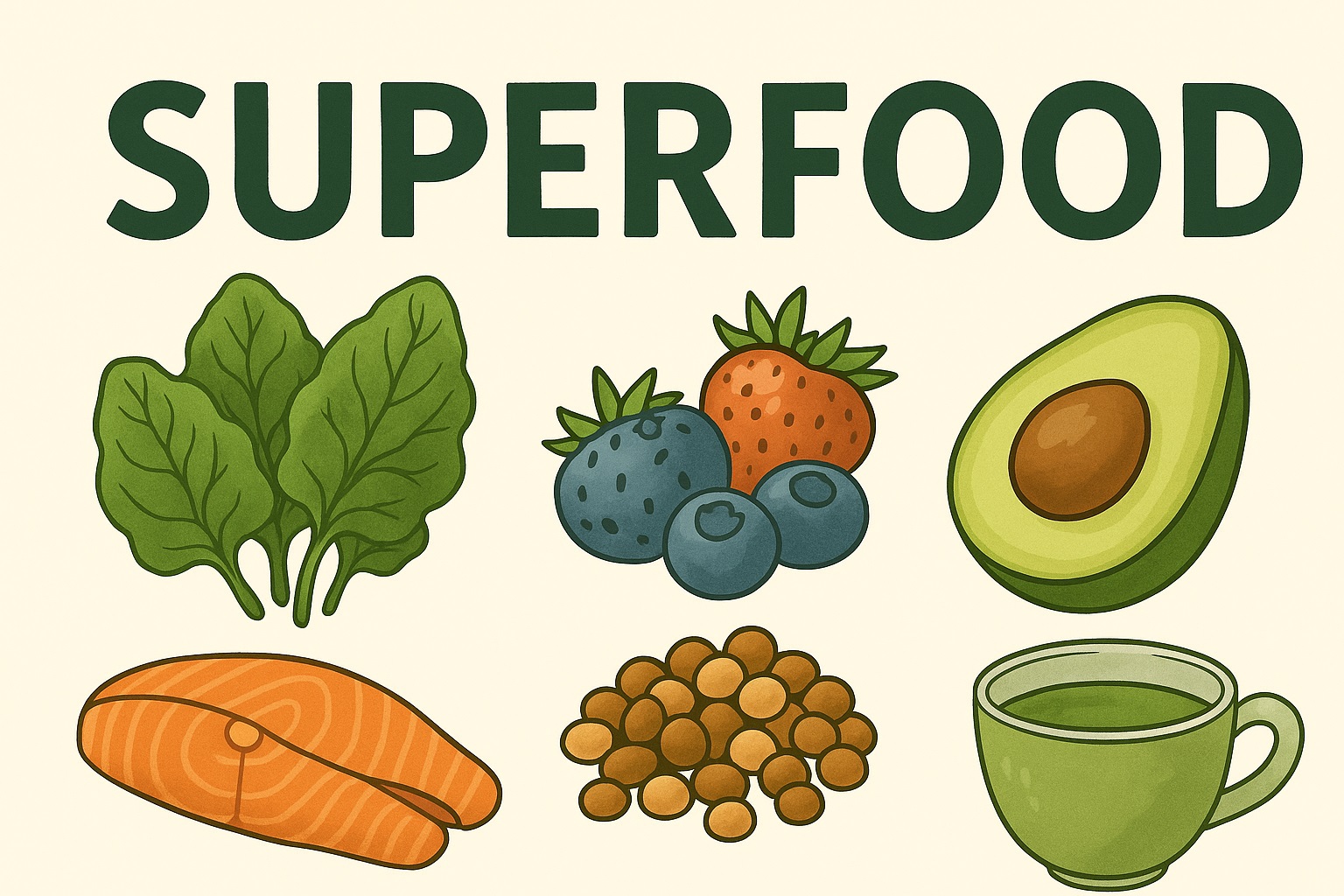
In recent years, the term superfood has gained enormous popularity in health circles, grocery stores, and online wellness communities. But what exactly qualifies a food as "super"?
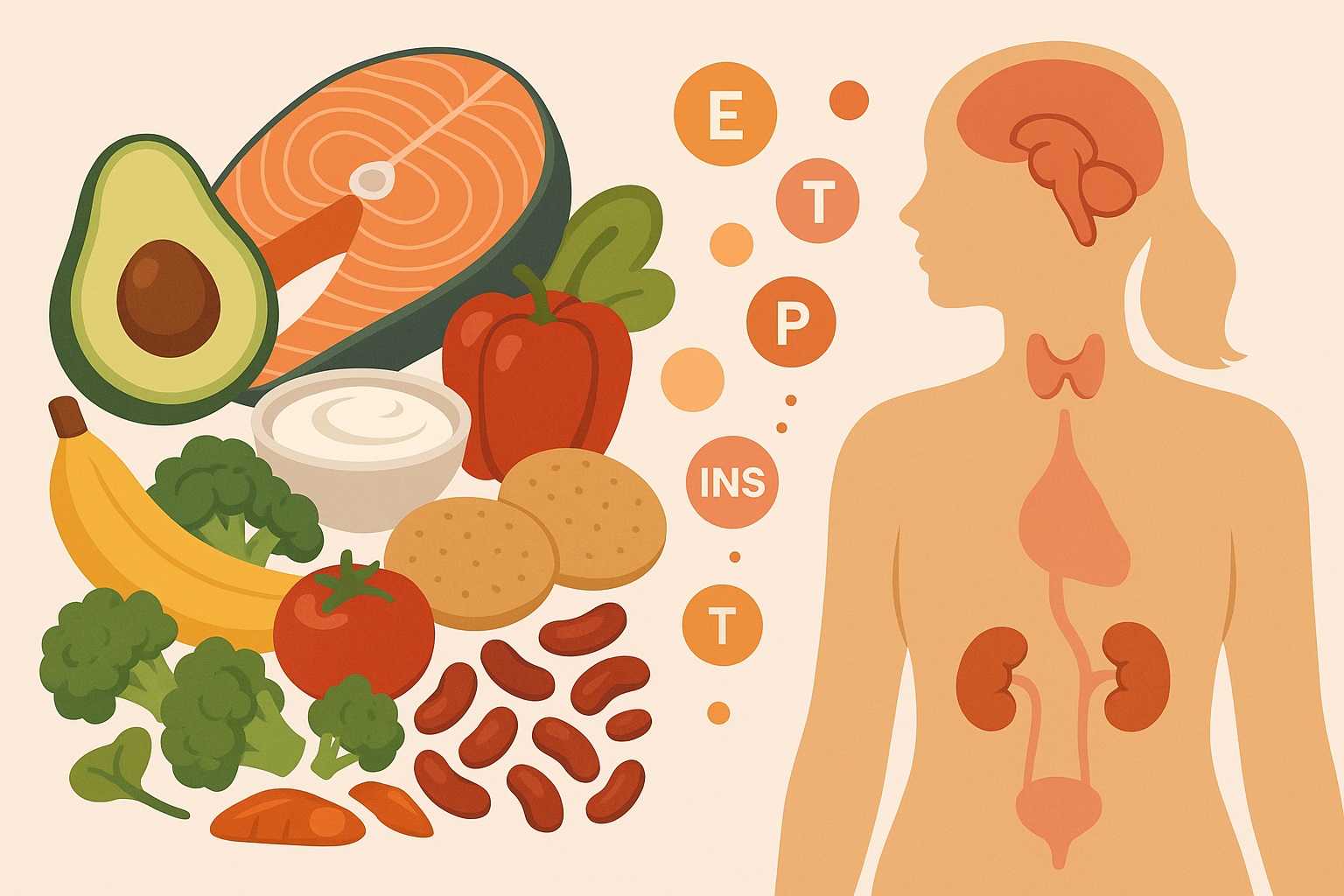
Hormones are the body’s chemical messengers—they regulate everything from mood, energy, metabolism, and fertility to sleep and immune function.

Water is the foundation of life. Every cell, tissue, and organ in the human body relies on it to function properly.
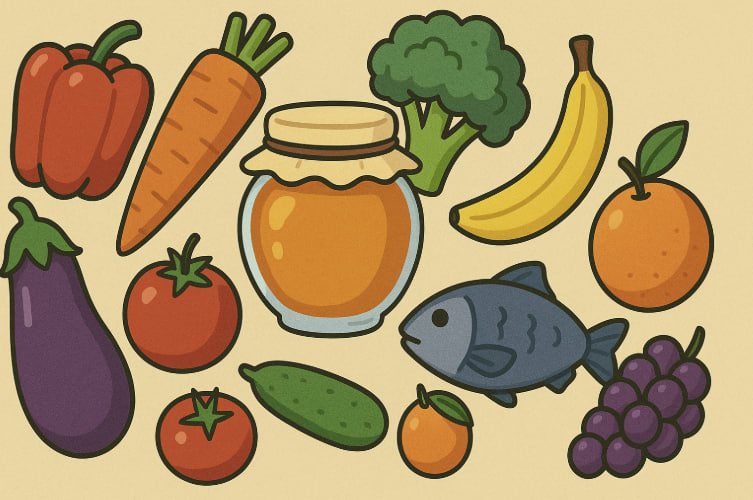
Proper nutrition is more than just eating the right number of calories—it’s about providing your body with the essential nutrients it needs to function optimally.