
Glycemic Index: How It Affects Weight and Energy Levels
The glycemic index (GI) is a scale that ranks carbohydrate-containing foods by how quickly they raise blood glucose levels after consumption.
Food is energy. Discover how to eat for strength, focus, and long-term vitality.
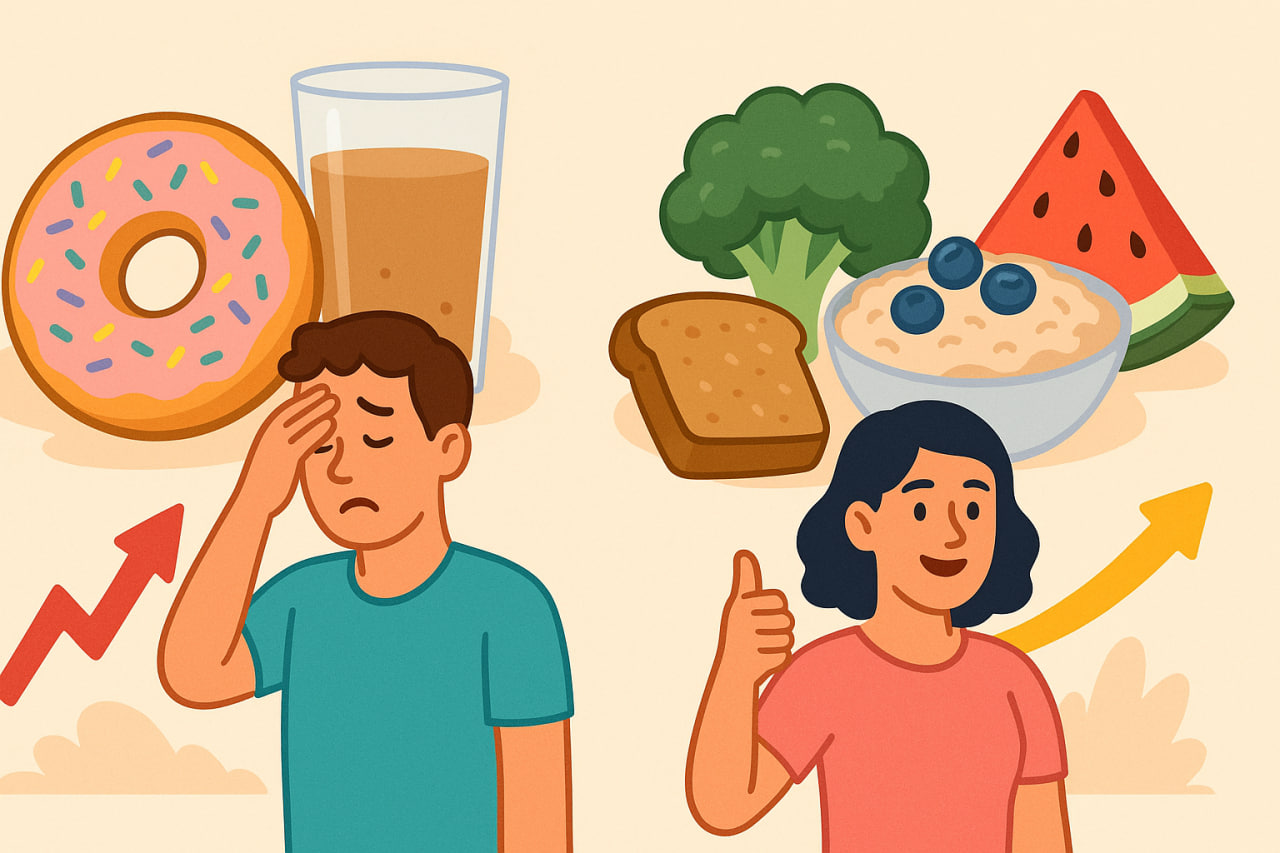
The glycemic index (GI) is a scale that ranks carbohydrate-containing foods by how quickly they raise blood glucose levels after consumption.

Choosing seasonal products—foods naturally harvested at specific times of the year—offers numerous benefits for human health, environmental sustainability, and food quality.
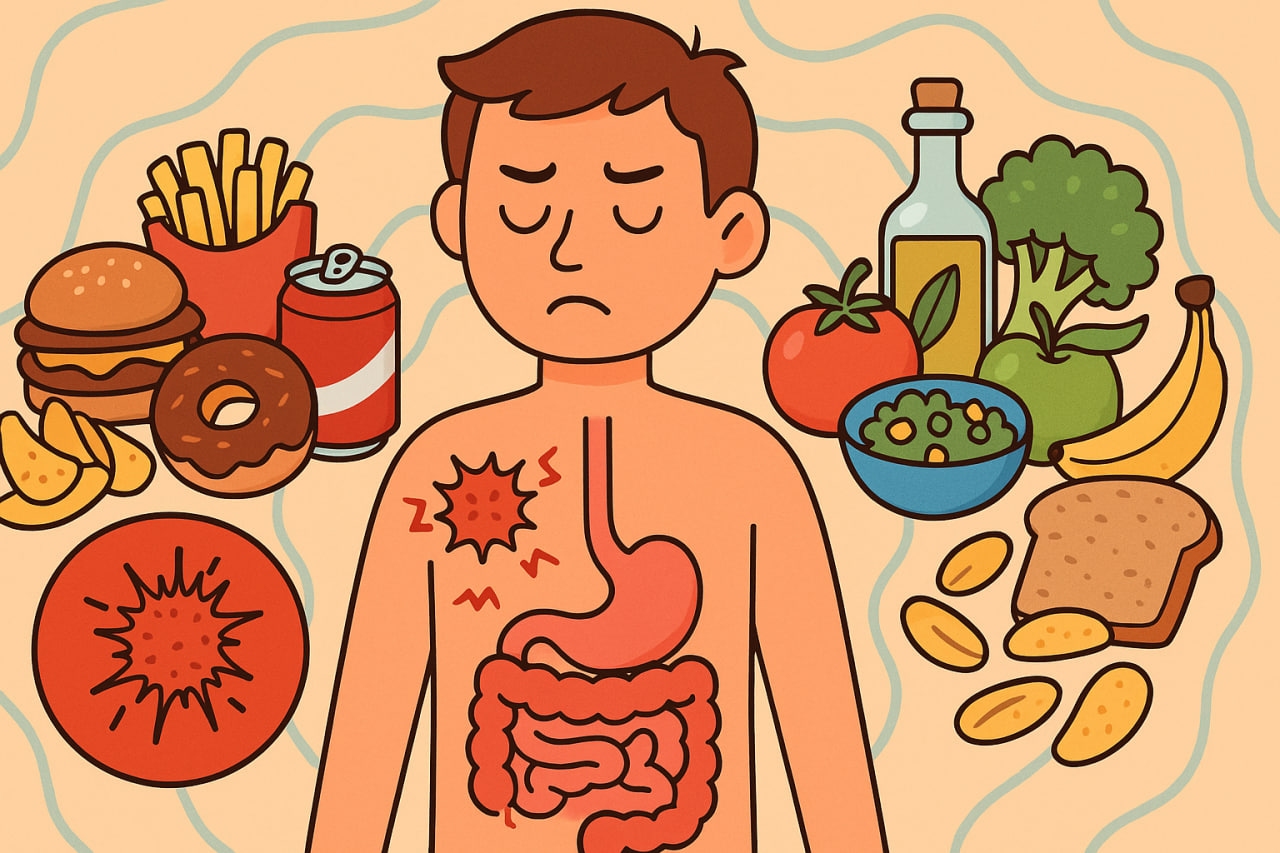
Inflammation is a natural immune response to injury, infection, or harmful stimuli. While acute inflammation helps the body heal, chronic inflammation is associated with a range of diseases...

Eating habits begin to take shape early in life and continue to evolve based on a mix of biological, psychological, cultural, and social influences.

In recent years, the term superfood has become a common label on food packaging, health blogs, and diet trends.
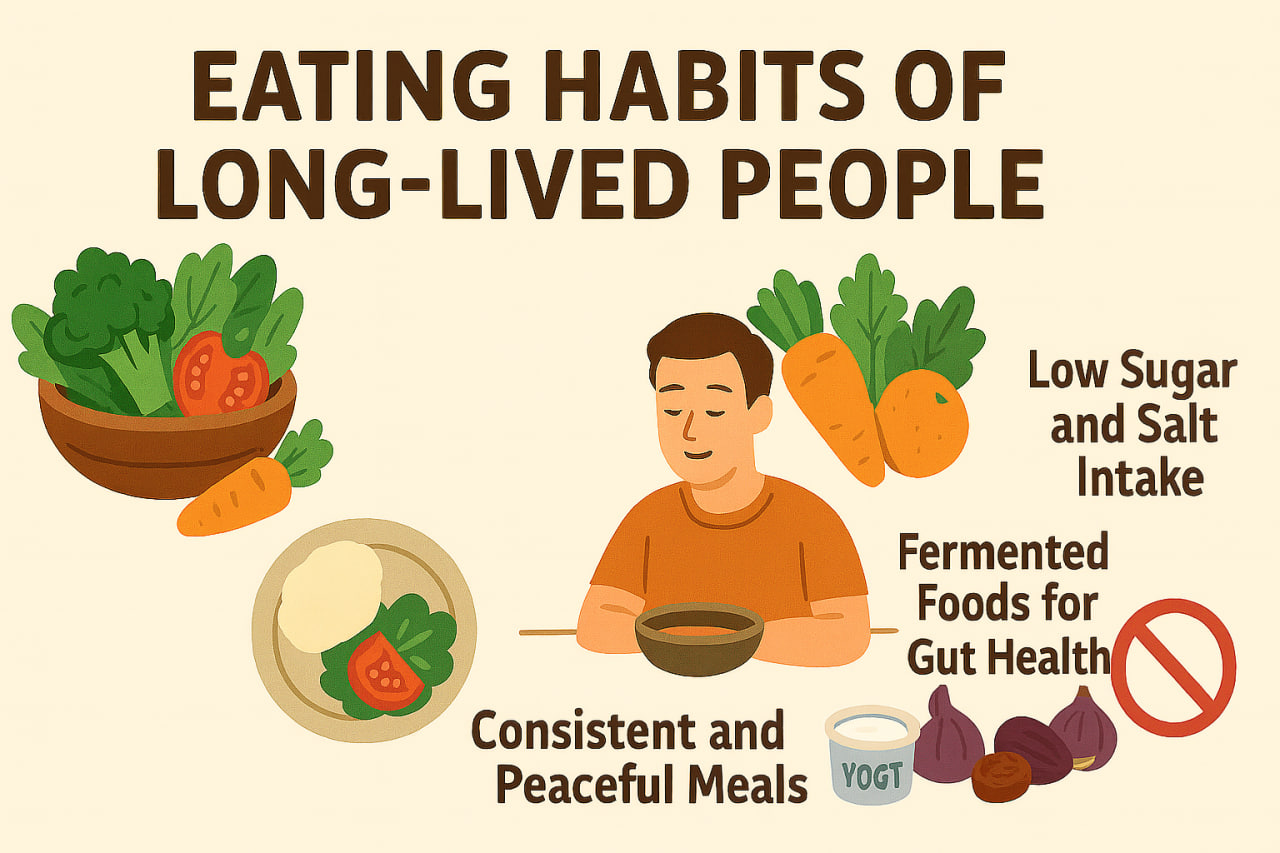
In various parts of the world, from Okinawa in Japan to Sardinia in Italy, researchers have identified communities where people often live past 90 or even 100 years.

Melon is one of the most refreshing and hydrating fruits enjoyed in summer. Known for its sweet, juicy flesh and pleasing aroma, the melon—especially varieties like cantaloupe and honeydew—is...

Pasta, also commonly referred to as macaroni, is a staple food enjoyed around the world. From Italian spaghetti to Asian noodles, pasta comes in countless shapes and sizes.

Bulgur is a whole grain made from cracked wheat that has been parboiled, dried, and ground into various sizes.
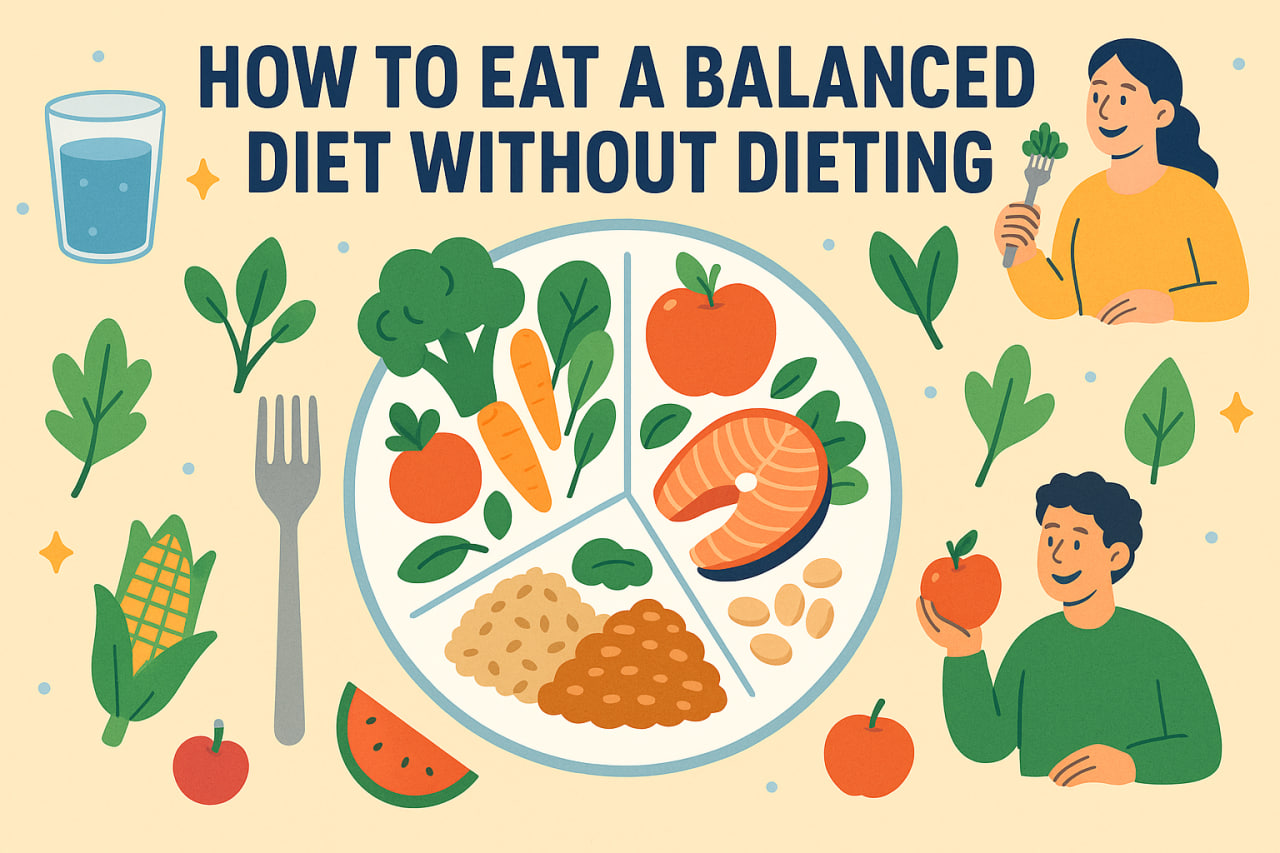
Eating well doesn't have to mean counting every calorie or cutting out your favorite foods.