
How Addiction Forms: The Science Behind Dependence
Addiction is not simply a matter of weak willpower—it is a complex process involving brain chemistry, behavior, and environment.
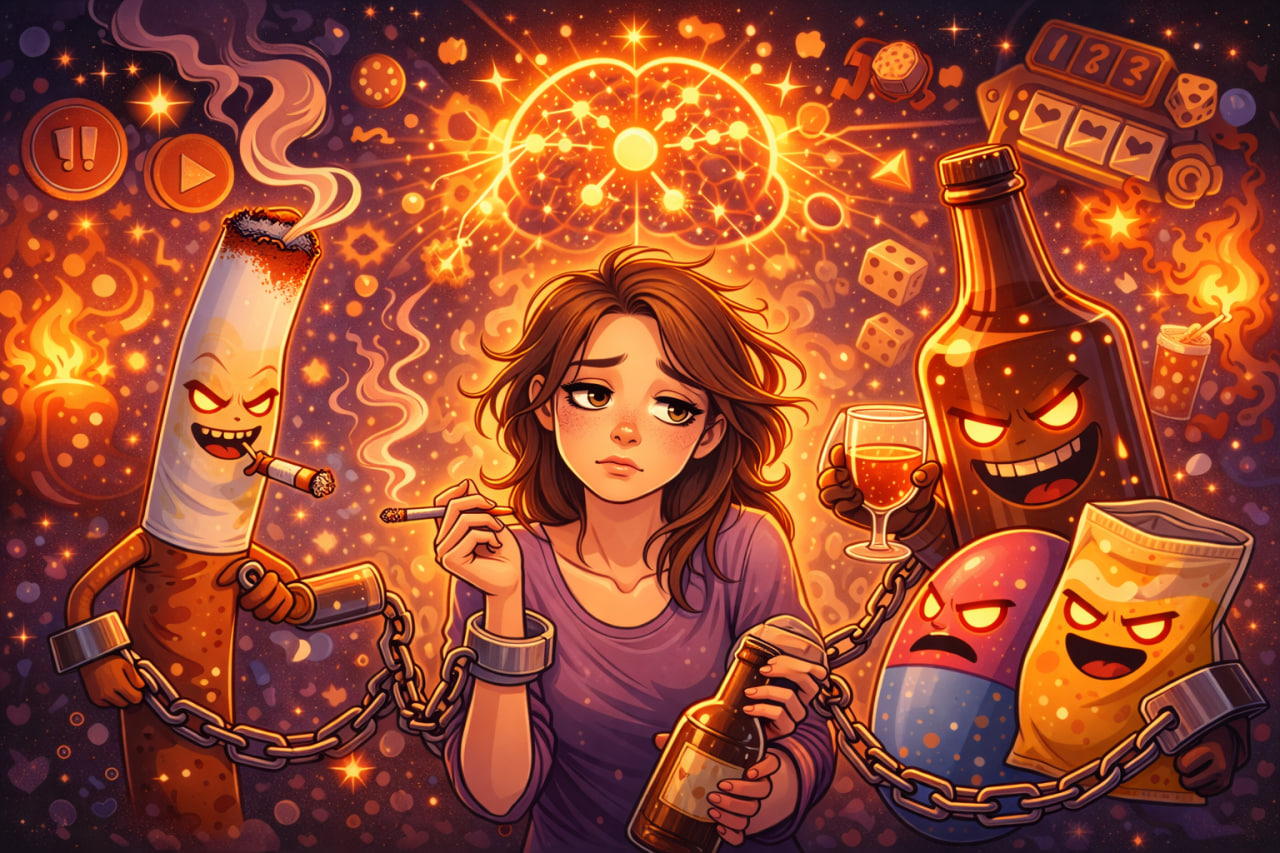
Addiction is not simply a matter of weak willpower—it is a complex process involving brain chemistry, behavior, and environment.
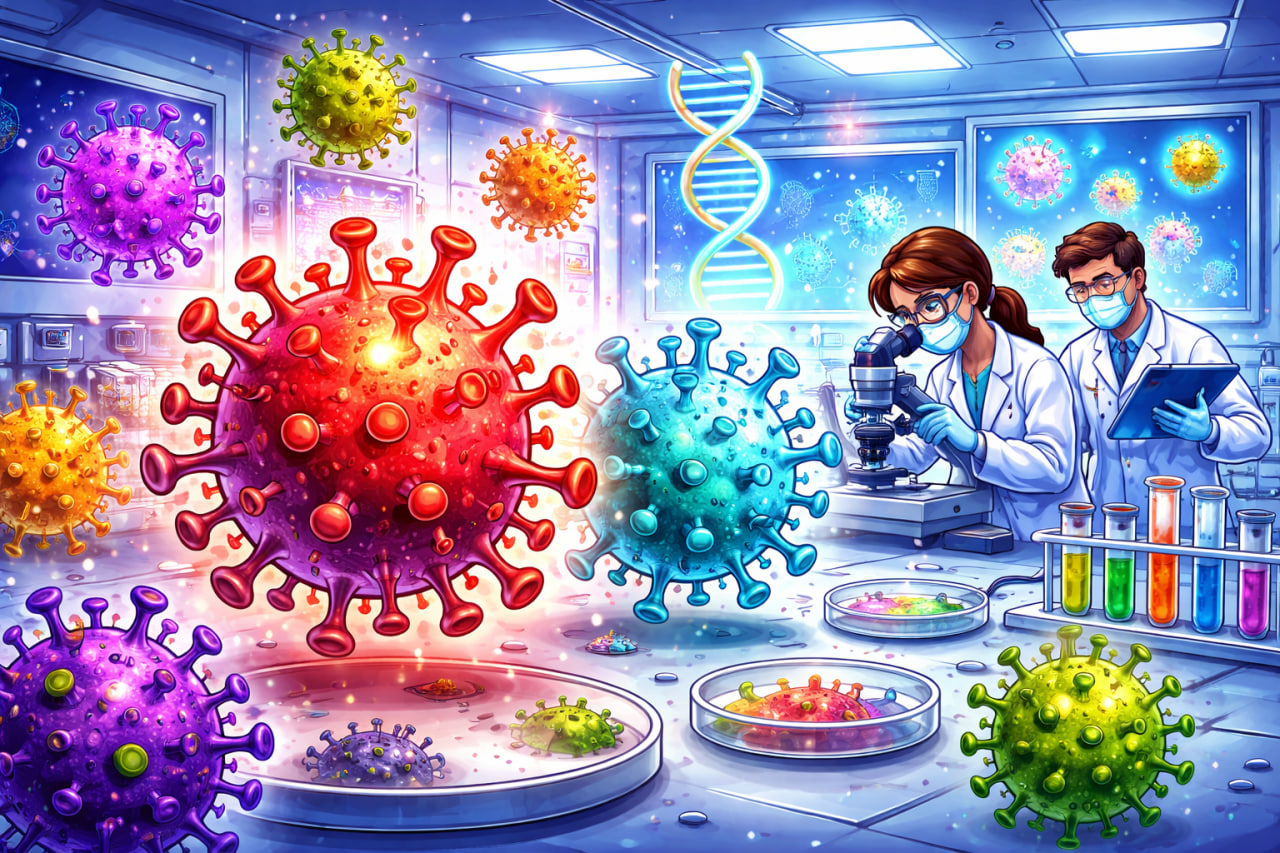
A virus strain is a specific genetic variant of a virus that differs slightly from other versions of the same virus.
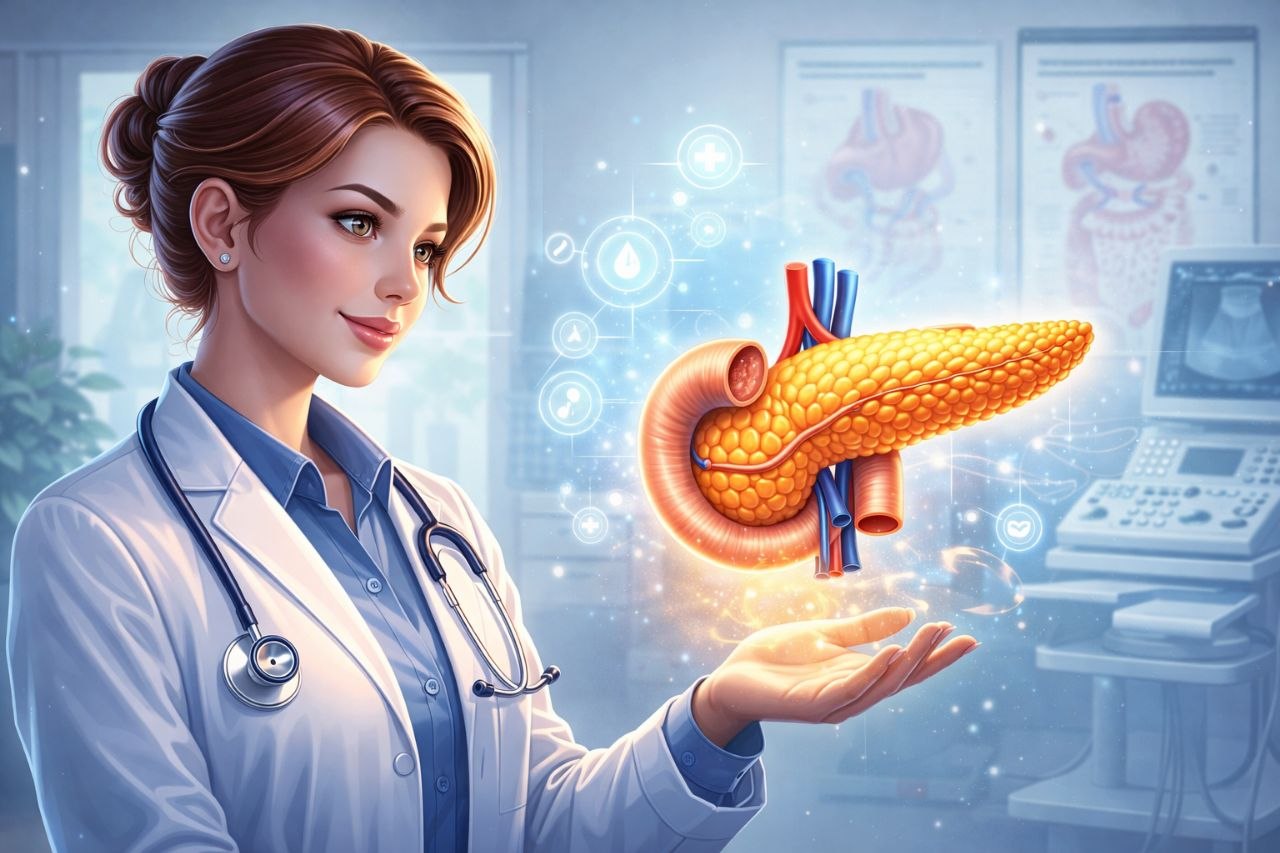
Pancreatitis is an inflammatory condition of the pancreas, an important organ involved in digestion and blood sugar regulation.
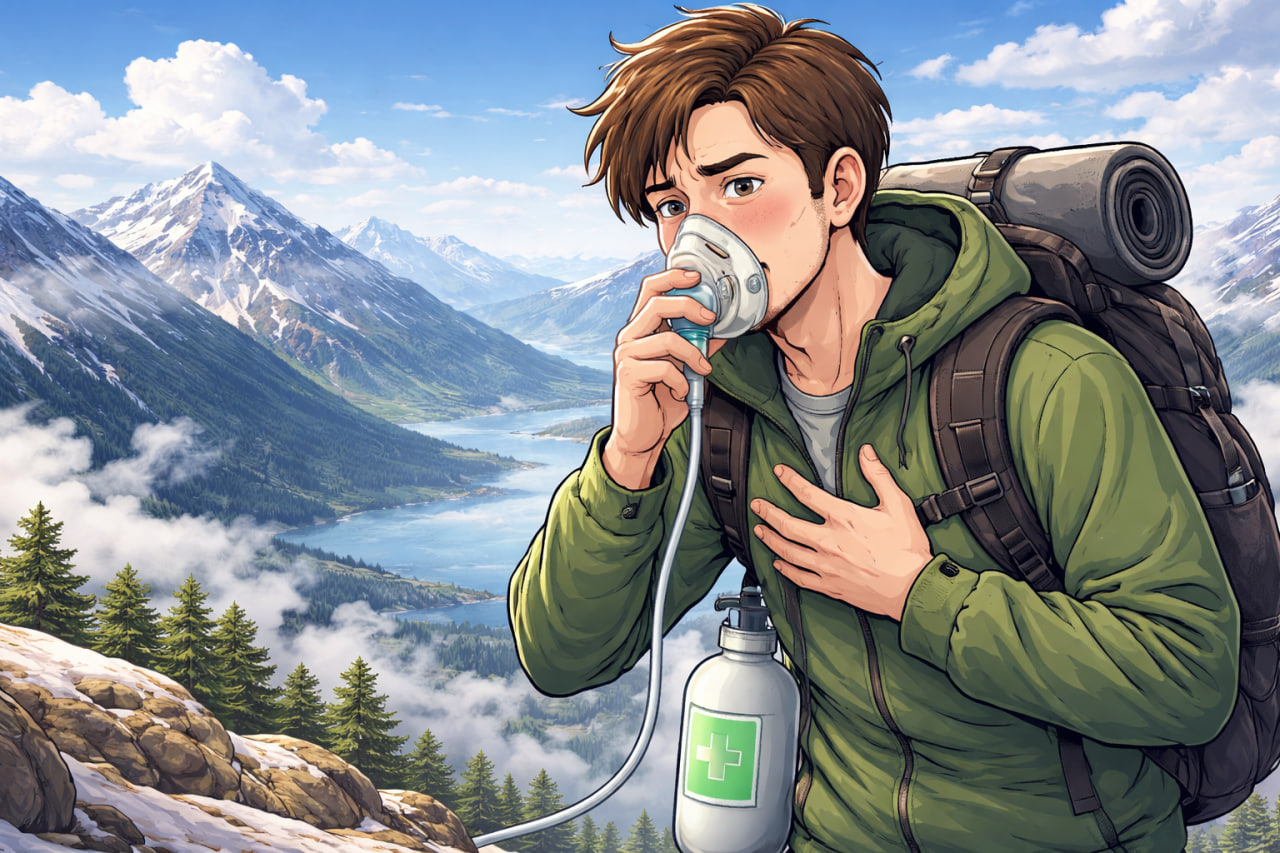
Hypoxia is a condition in which the body or its tissues do not receive enough oxygen, a critical element for survival.
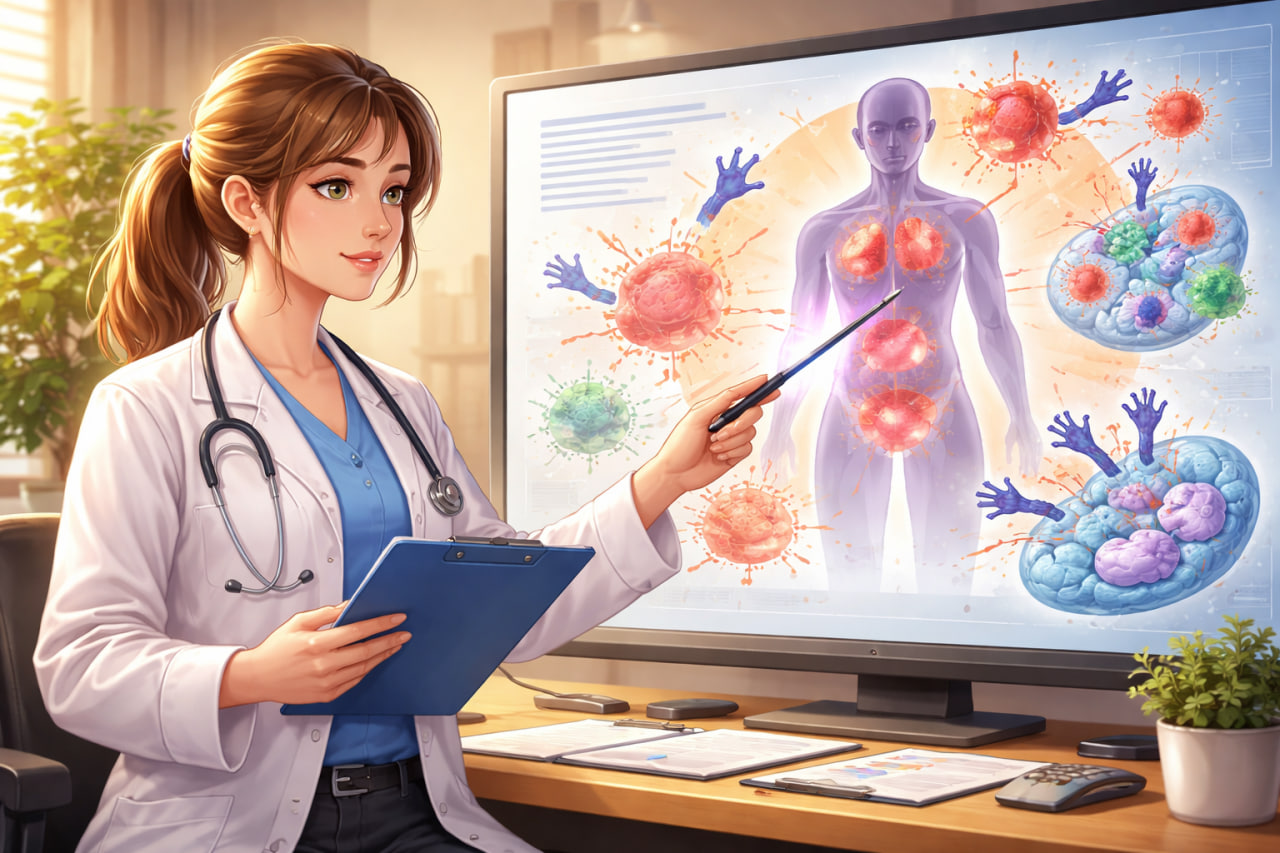
Autoimmune diseases are complex conditions in which the body’s immune system mistakenly attacks its own healthy cells.
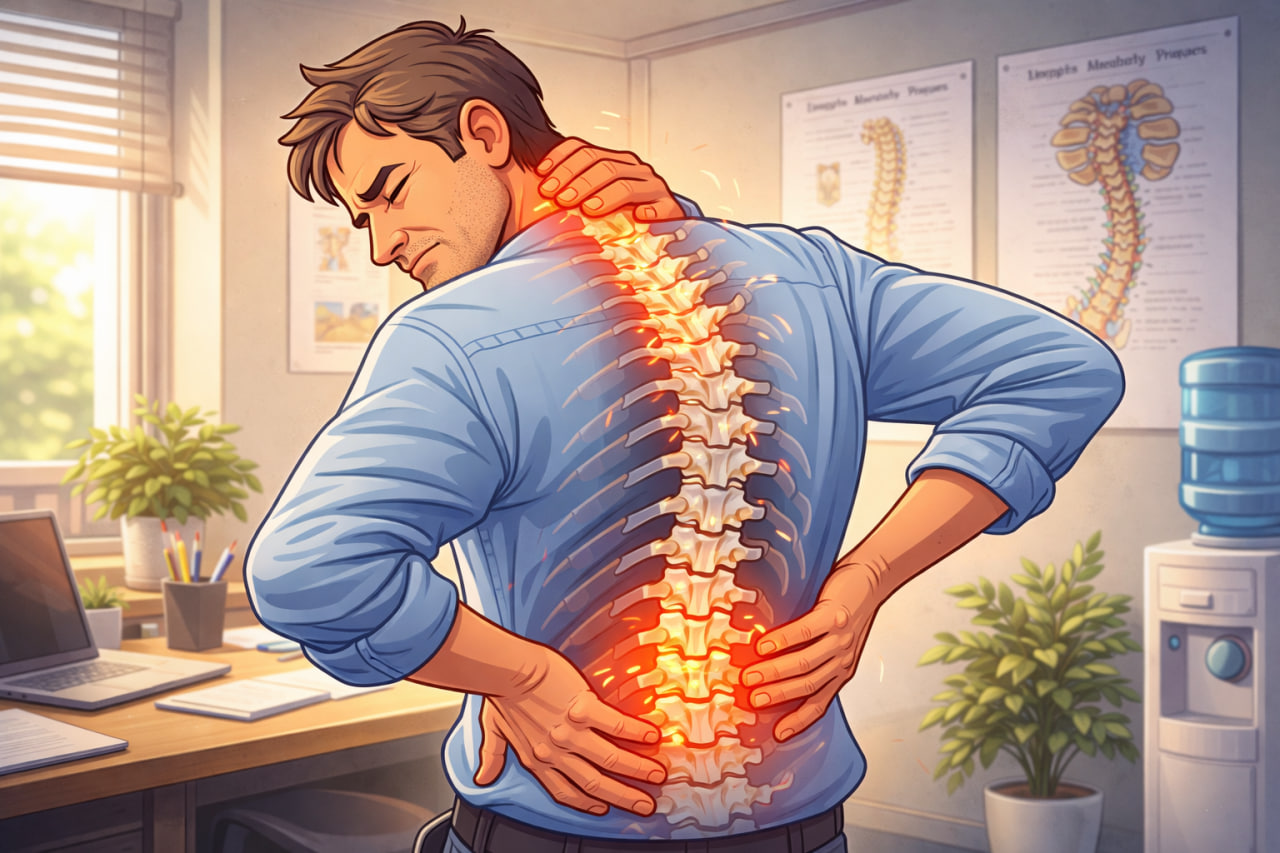
Osteochondrosis is a condition associated with degenerative changes in the spine, particularly affecting the intervertebral discs and surrounding structures.
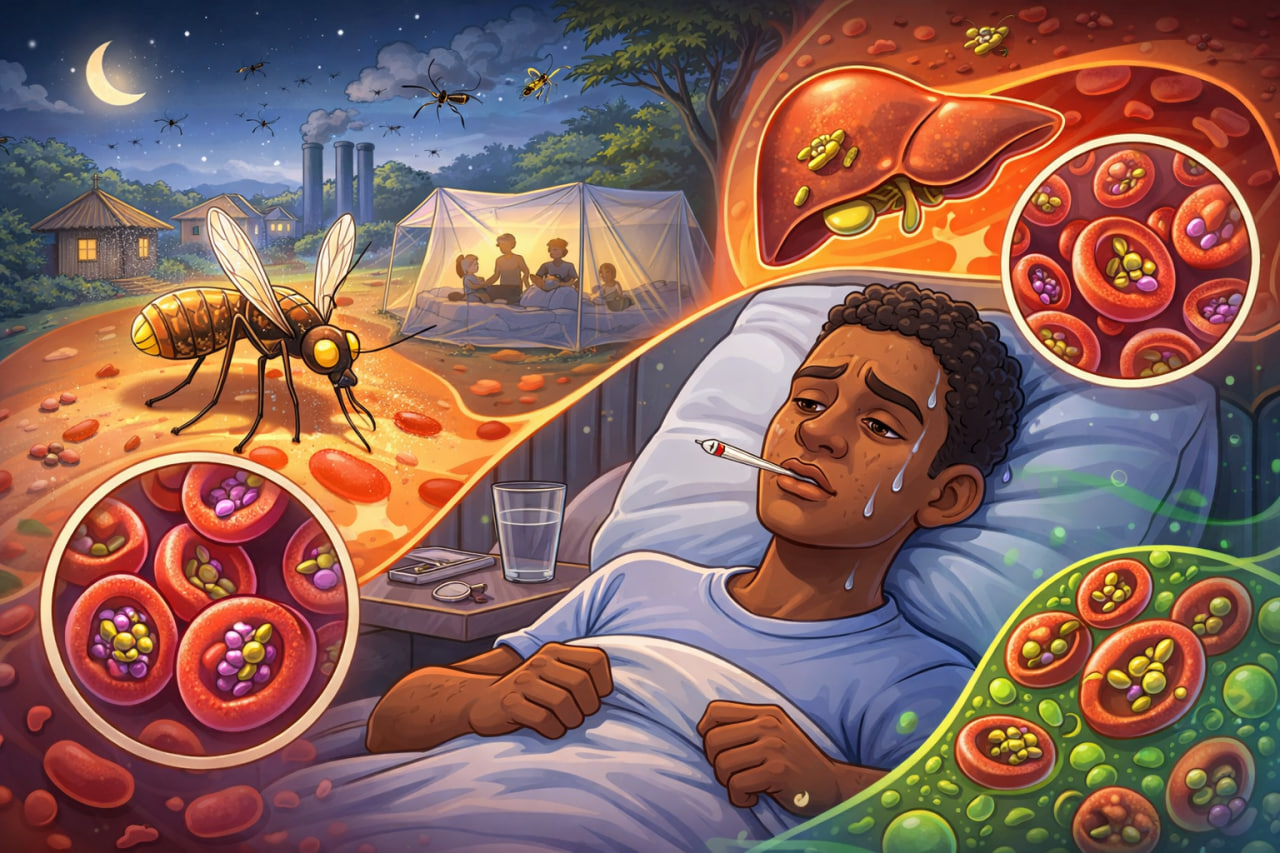
Malaria is one of the most widespread infectious diseases in the world, affecting millions of people each year, particularly in tropical and subtropical regions.
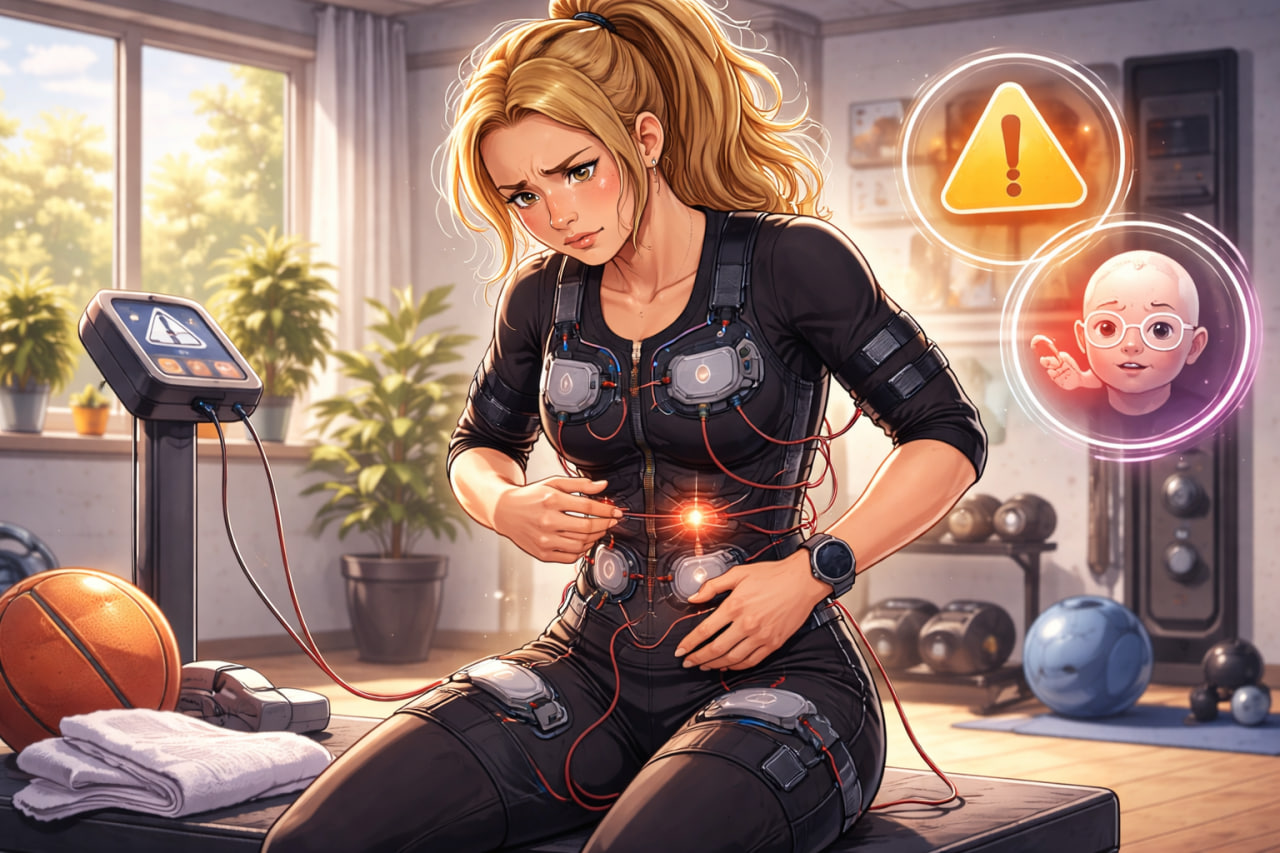
EMS (Electrical Muscle Stimulation) training is often marketed as a revolutionary shortcut to fitness — promising intense muscle activation in just 20 minutes.

Anxiety is a natural human response designed to protect us from danger, sharpen our focus, and prepare us for challenges.
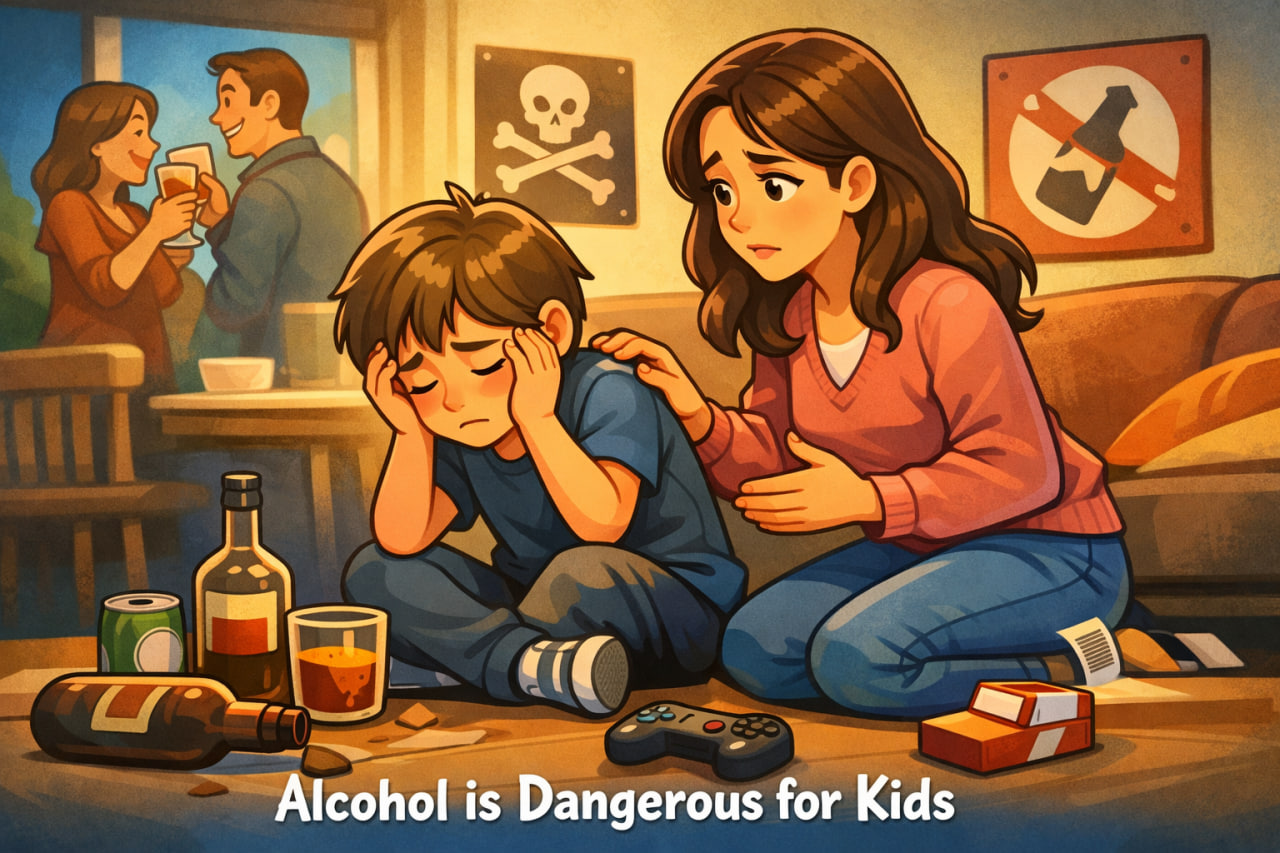
Alcohol poses a particularly serious threat to children and adolescents because their bodies and brains are still developing.