
How to Build Good Habits: What Science Really Recommends
Good habits are often seen as a matter of discipline, but modern science shows that habit formation is less about willpower and more about systems, environment, and repetition.

Good habits are often seen as a matter of discipline, but modern science shows that habit formation is less about willpower and more about systems, environment, and repetition.

A simple glass of water is one of the most underestimated tools for maintaining health and well-being.

Winter is often associated with cold weather, shorter days, and reduced physical activity, yet the snowy season can be a powerful ally for maintaining a healthy lifestyle.

For physically trained men, everyday habits often become an extension of their fitness routine, including how they move, sit, and carry additional weight.

Water is essential for every system in the human body, yet the question of how much water a person actually needs remains widely misunderstood.

Winter presents unique challenges for the human body, as low temperatures, wind, and moisture increase heat loss and physical stress.

Fasting has been practiced for thousands of years for cultural, religious, and philosophical reasons, long before it became a topic of scientific research.

The place where a person lives has a powerful influence on physical and mental well-being.

Headache prevention focuses not on stopping pain once it appears, but on reducing the conditions that allow headaches to develop in the first place.
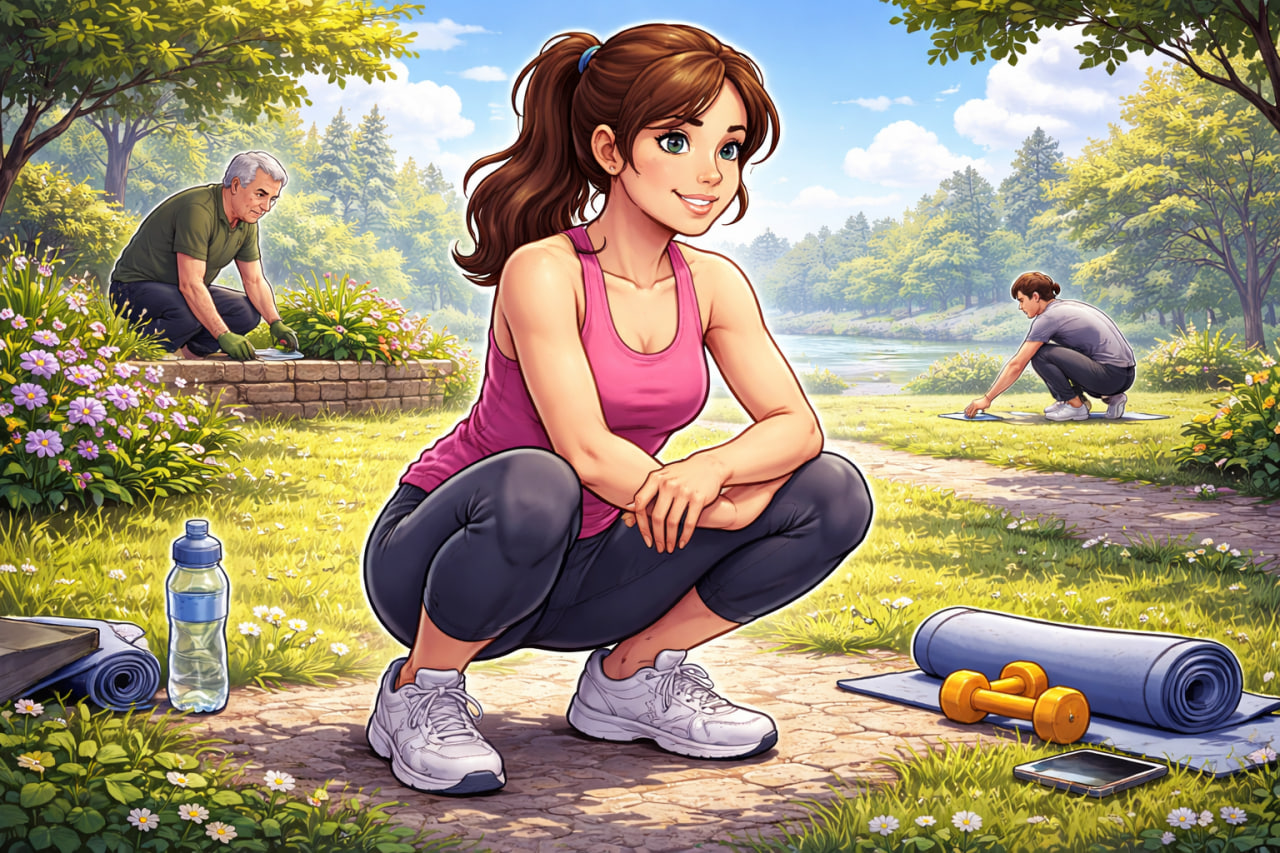
Sitting in a deep squat position—often described as sitting on the heels or “resting squat”—is a posture that humans have used for thousands of years.