
How to Maintain Normal Iron Levels in the Body
Iron is an essential mineral that supports oxygen transport, energy production, and immune function. Keeping iron levels balanced is important, as both deficiency and excess can harm health.

Iron is an essential mineral that supports oxygen transport, energy production, and immune function. Keeping iron levels balanced is important, as both deficiency and excess can harm health.
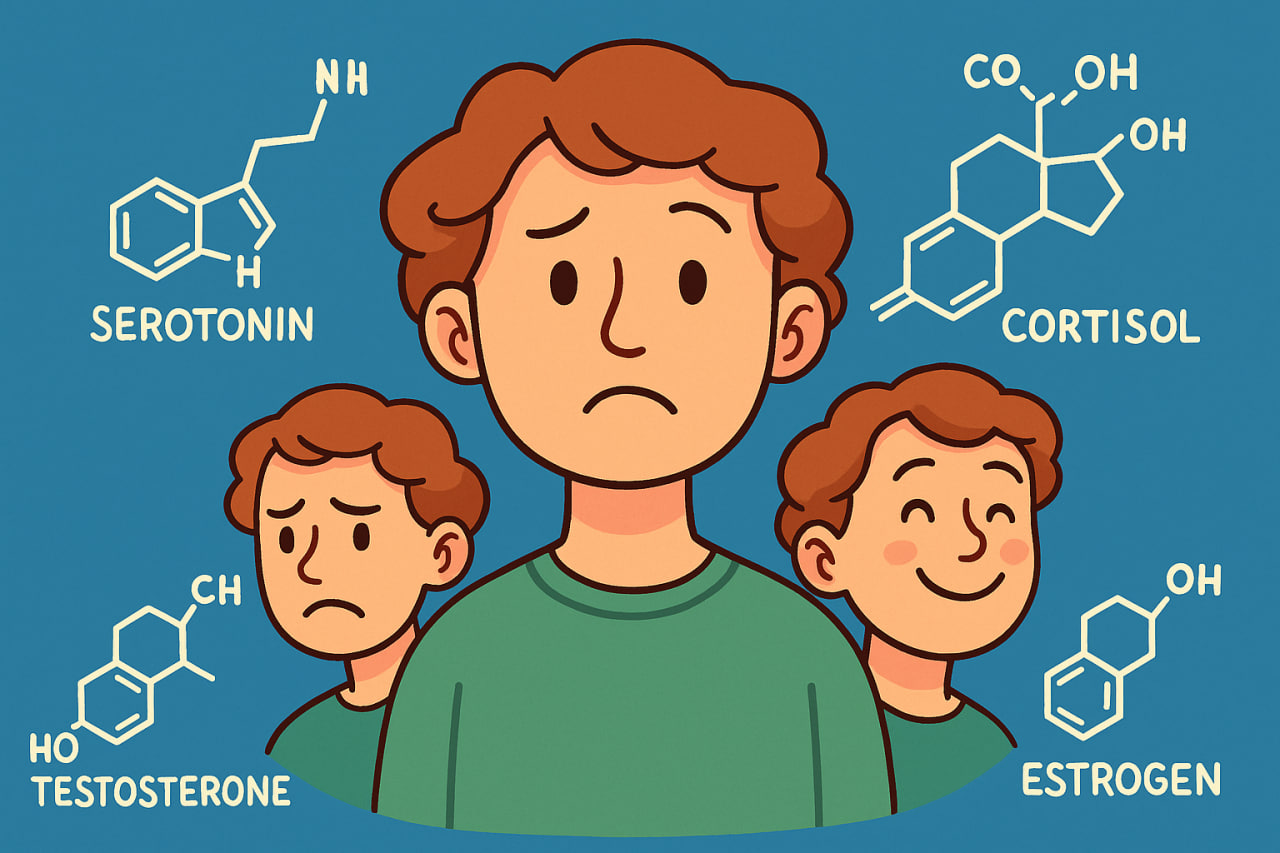
Hormones are powerful chemical messengers that regulate many functions in the human body. One of their most noticeable effects is their influence on mood and emotions.

A sedentary lifestyle — characterized by long hours of sitting and low physical activity — affects metabolism, muscle function, and overall health.

The off-season—the transition periods between summer and winter—often brings fluctuating temperatures, increased humidity changes, and unstable weather.

Breathing practices have been used for centuries in traditional medicine, spiritual rituals, and now increasingly in modern health approaches.
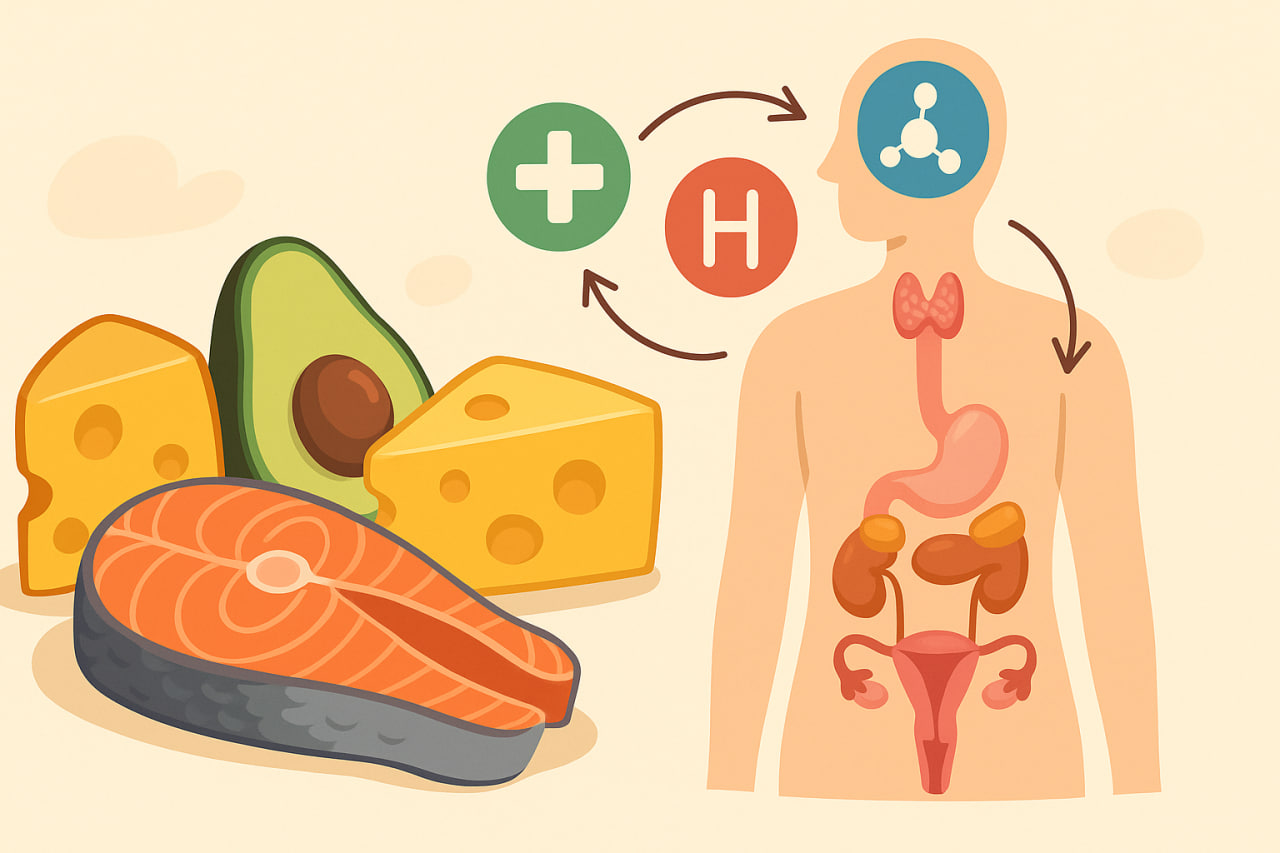
Fat plays a vital role in the body, not only as an energy reserve but also as a regulator of key biological processes.
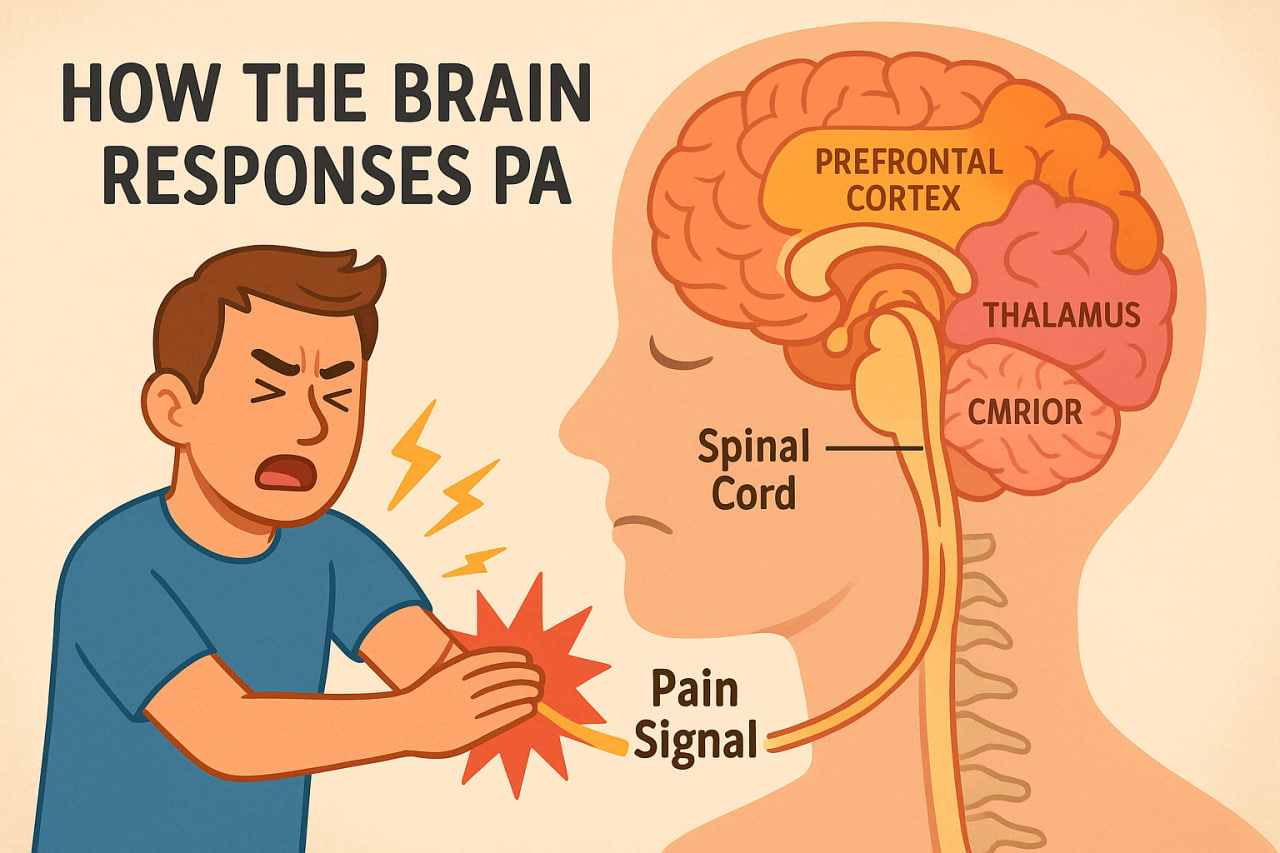
Pain is not just a physical sensation—it is a complex interaction between body and mind. When you touch something sharp or burn your hand, pain seems immediate.
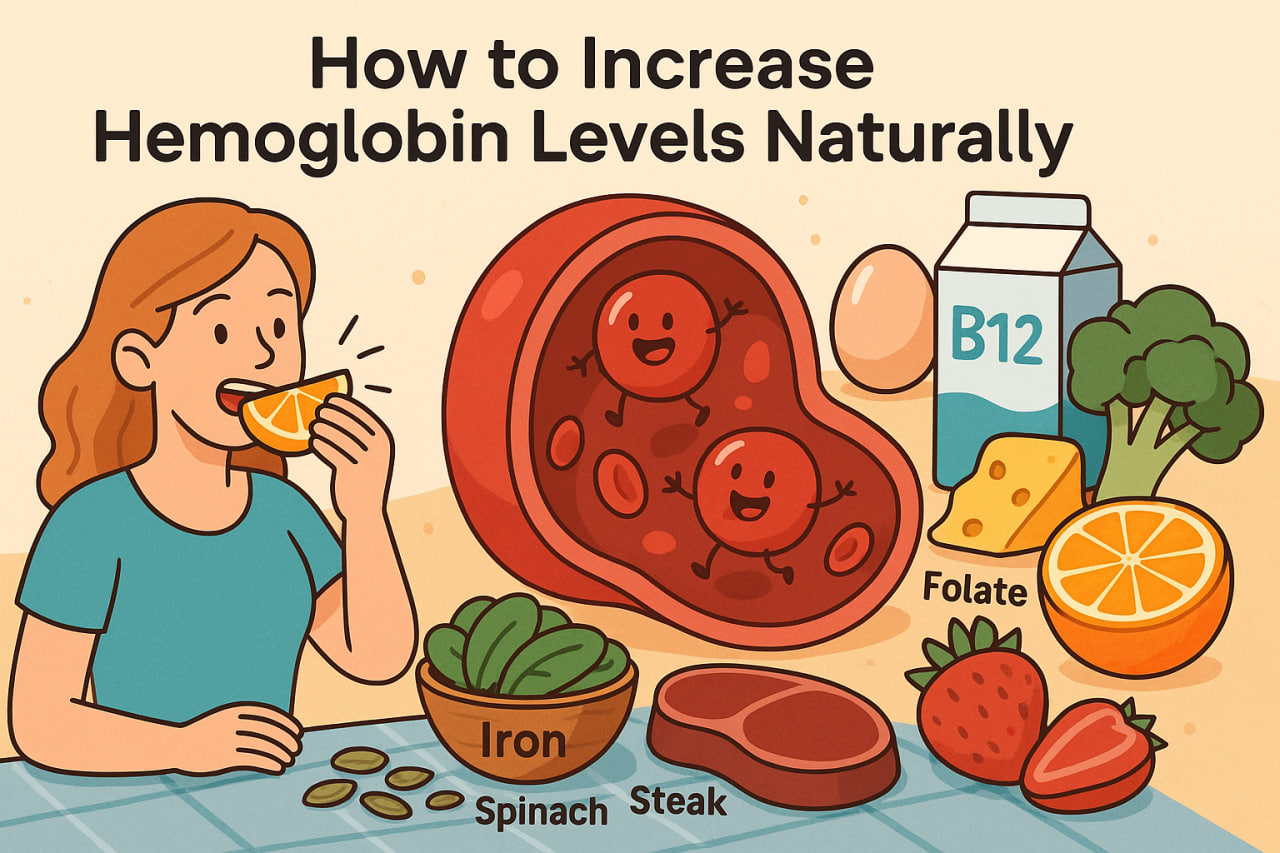
Hemoglobin is an essential protein in red blood cells that transports oxygen from the lungs to every tissue in the body.

Stress is a natural response of the body to challenging or threatening situations. While short-term stress can be helpful in motivating action, chronic stress has negative effects on both...

Sleep is a vital biological process that affects nearly every aspect of physical and mental health.