
Psychosomatics: What It Is and How It Works
The term psychosomatics refers to the connection between psychological processes and physical health.
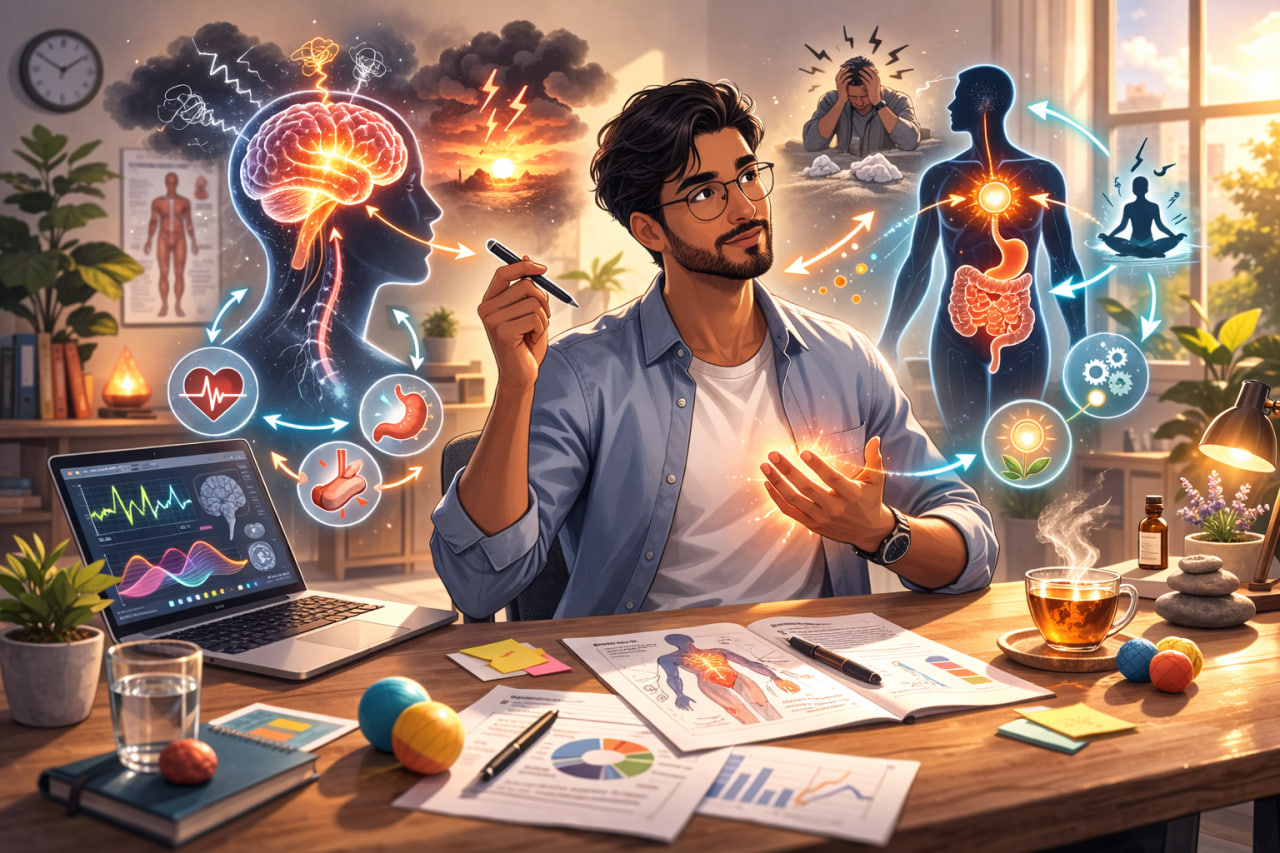
The term psychosomatics refers to the connection between psychological processes and physical health.
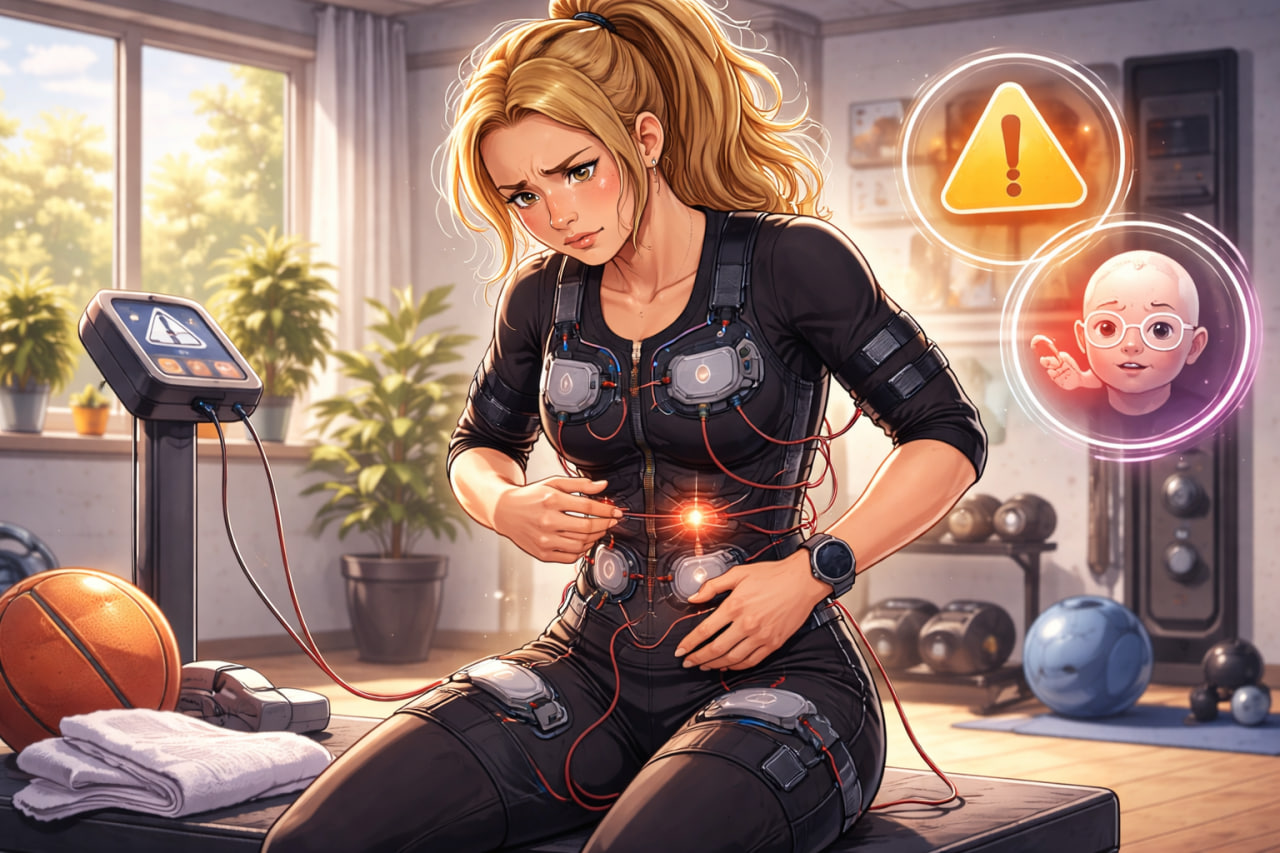
EMS (Electrical Muscle Stimulation) training is often marketed as a revolutionary shortcut to fitness — promising intense muscle activation in just 20 minutes.

The pineal gland, also known as the epiphysis, is a small endocrine organ located deep in the center of the brain between the two hemispheres.

Streaming platforms have transformed the way people consume entertainment, making entire seasons of television shows available instantly.

Music has accompanied humanity for thousands of years, shaping rituals, celebrations, and personal reflection.

Developing a new drug has traditionally been a slow and expensive process, often taking more than a decade from discovery to approval.
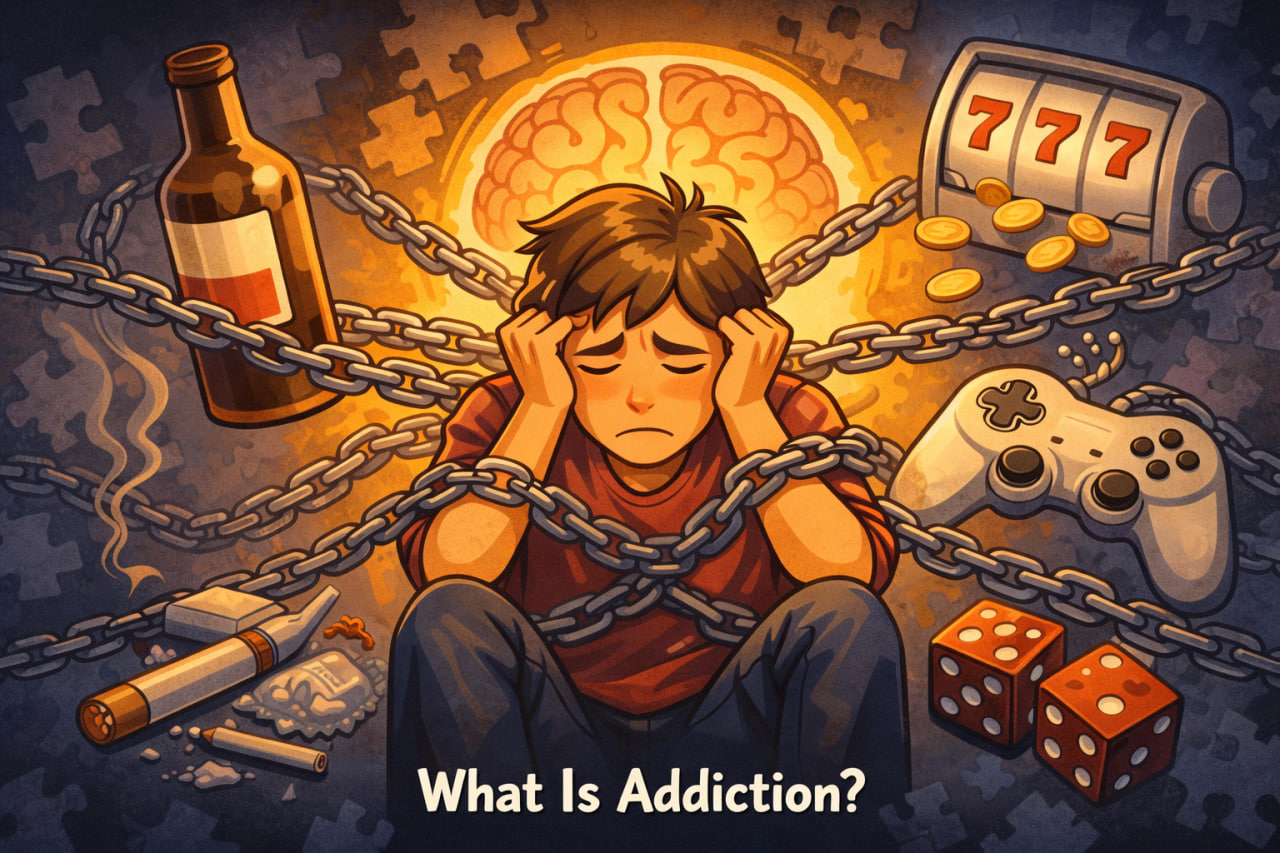
Addiction is a complex condition that affects both the brain and behavior, gradually reducing a person’s ability to control certain actions or substance use.

Sudden deaths—defined as unexpected fatalities occurring within a short time after the onset of symptoms—have become a growing concern for public health researchers over the past five decades.
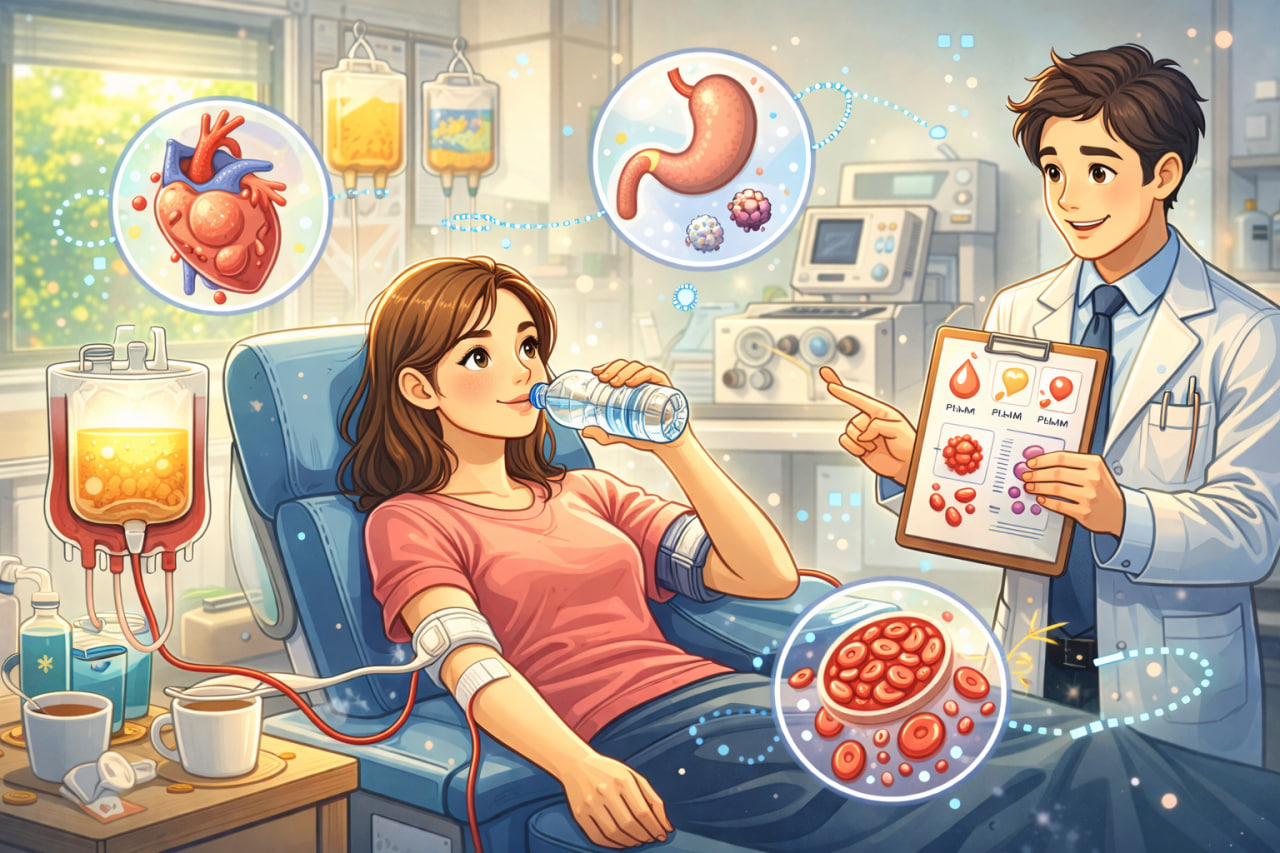
Blood and plasma donation is often described as a simple medical procedure, but inside the body it triggers a series of carefully regulated physiological responses.

Winter vitamin deficiency is a common seasonal phenomenon that affects people across different climates and lifestyles.