
Procrastination: An Evolutionary Bug or the Brain’s Defense Mechanism?
Almost everyone procrastinates sometimes. People delay important tasks, avoid difficult conversations, postpone studying, or endlessly scroll social media instead of working.
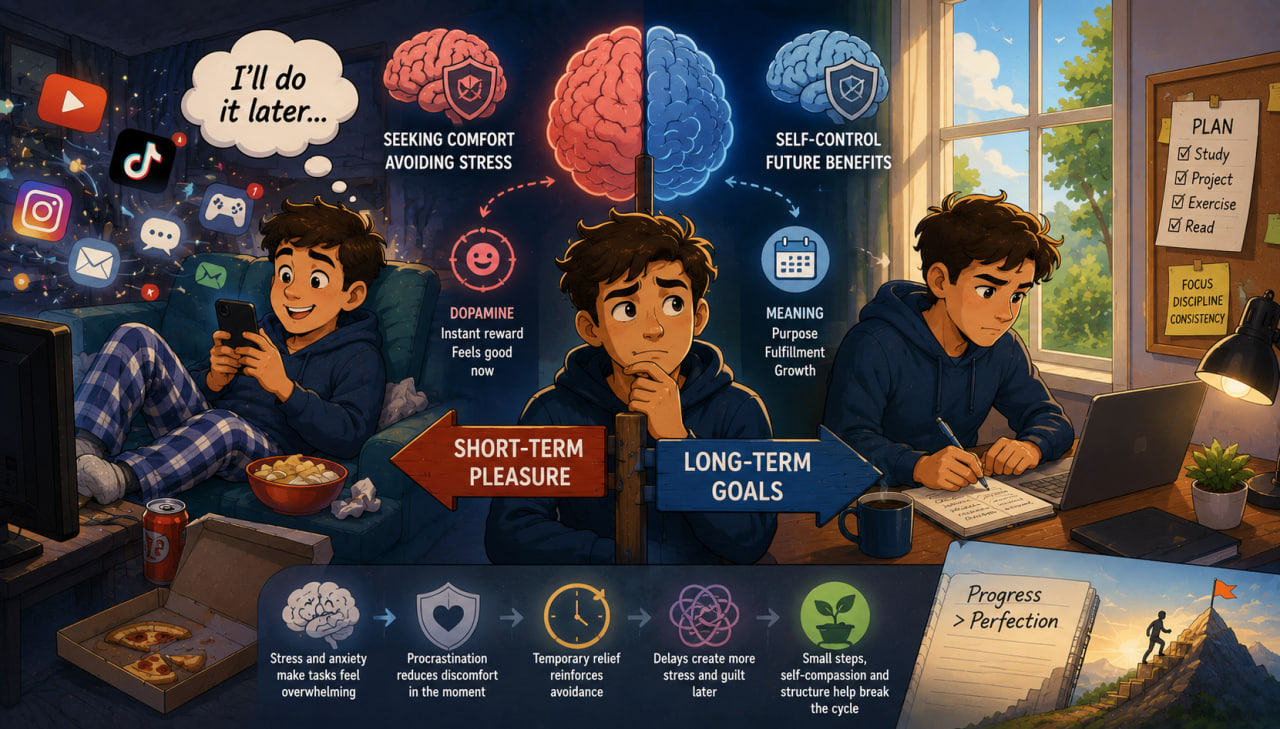
Almost everyone procrastinates sometimes. People delay important tasks, avoid difficult conversations, postpone studying, or endlessly scroll social media instead of working.
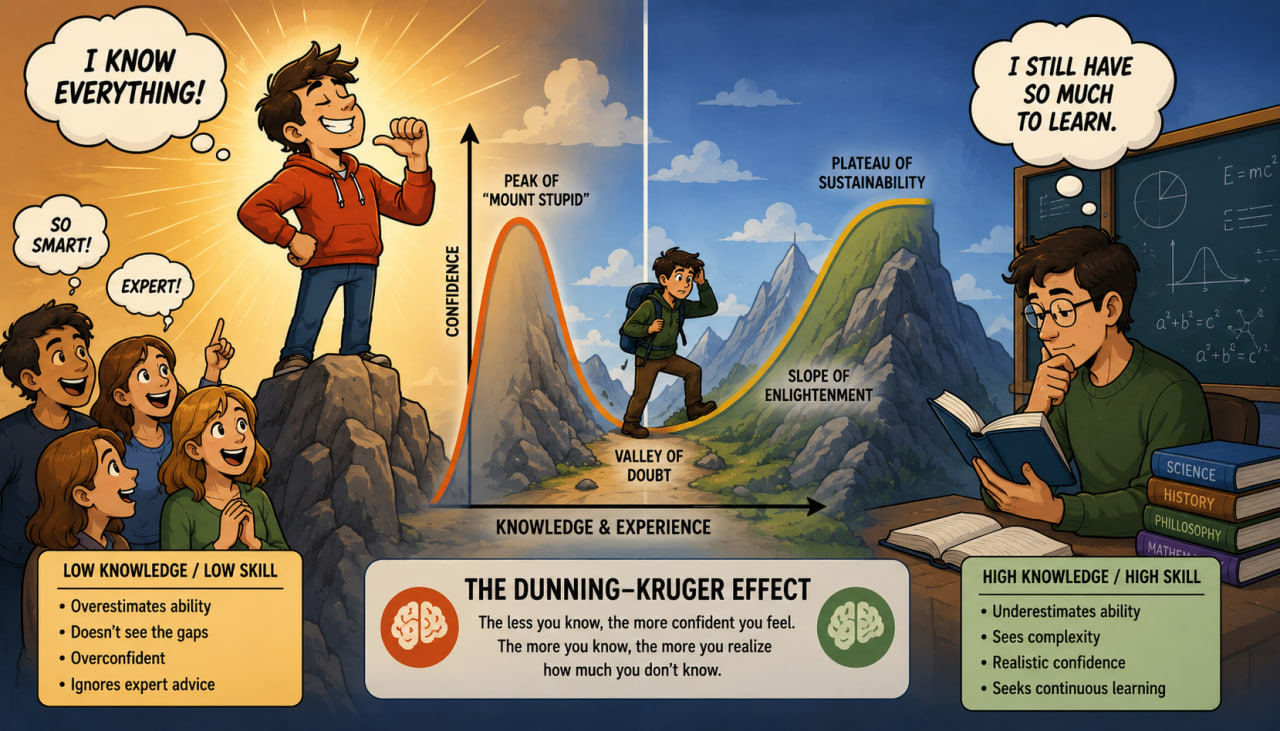
Human intelligence is not only about knowledge or skills — it is also about the ability to accurately evaluate one’s own abilities.
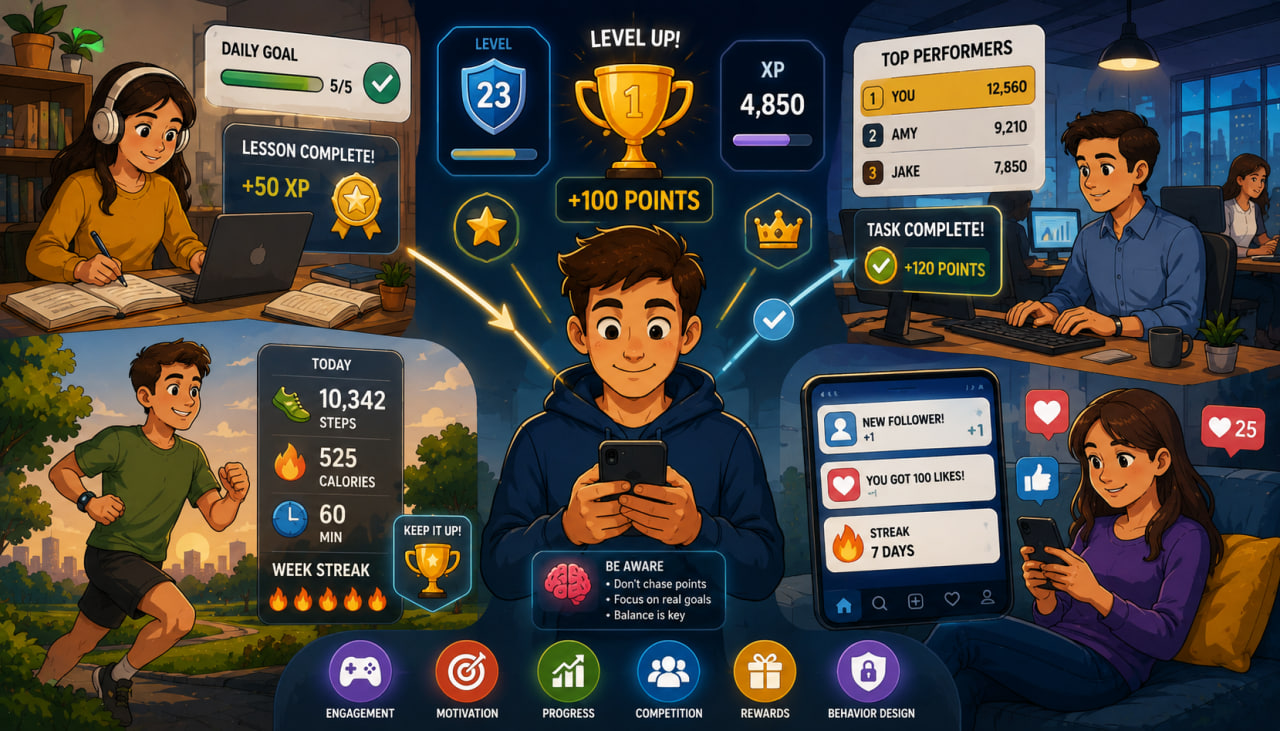
Modern life increasingly feels like a giant game. People collect points for exercise, earn badges for learning languages, climb productivity rankings at work, and receive digital rewards for...
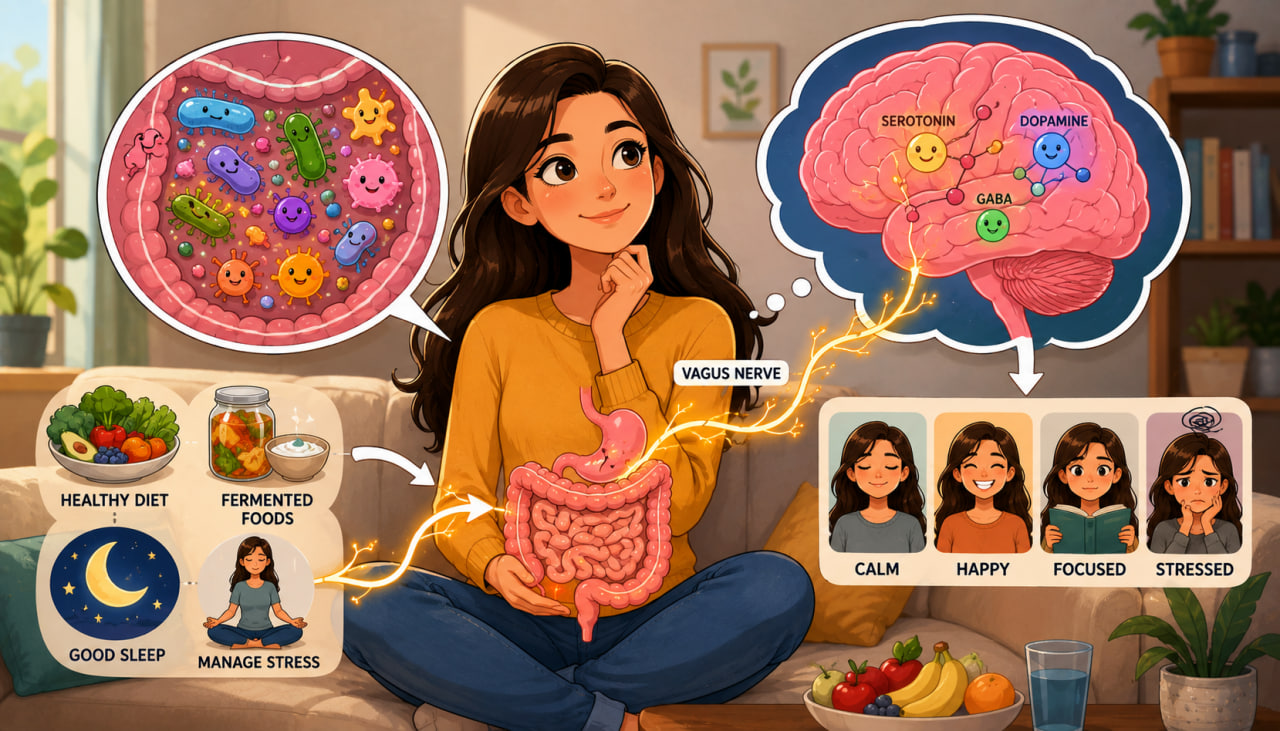
For many years, scientists believed that emotions and mental health were controlled almost entirely by the brain.
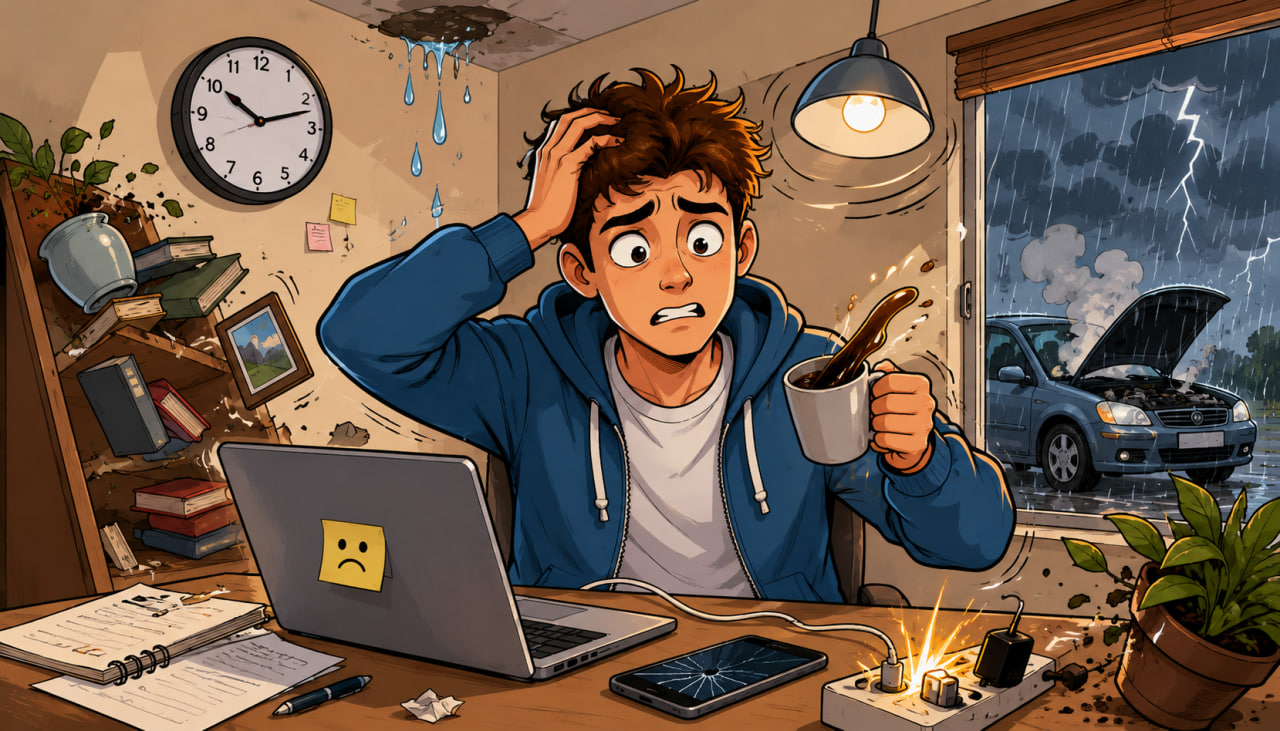
Almost everyone has experienced situations where multiple problems appear to happen at exactly the wrong time.
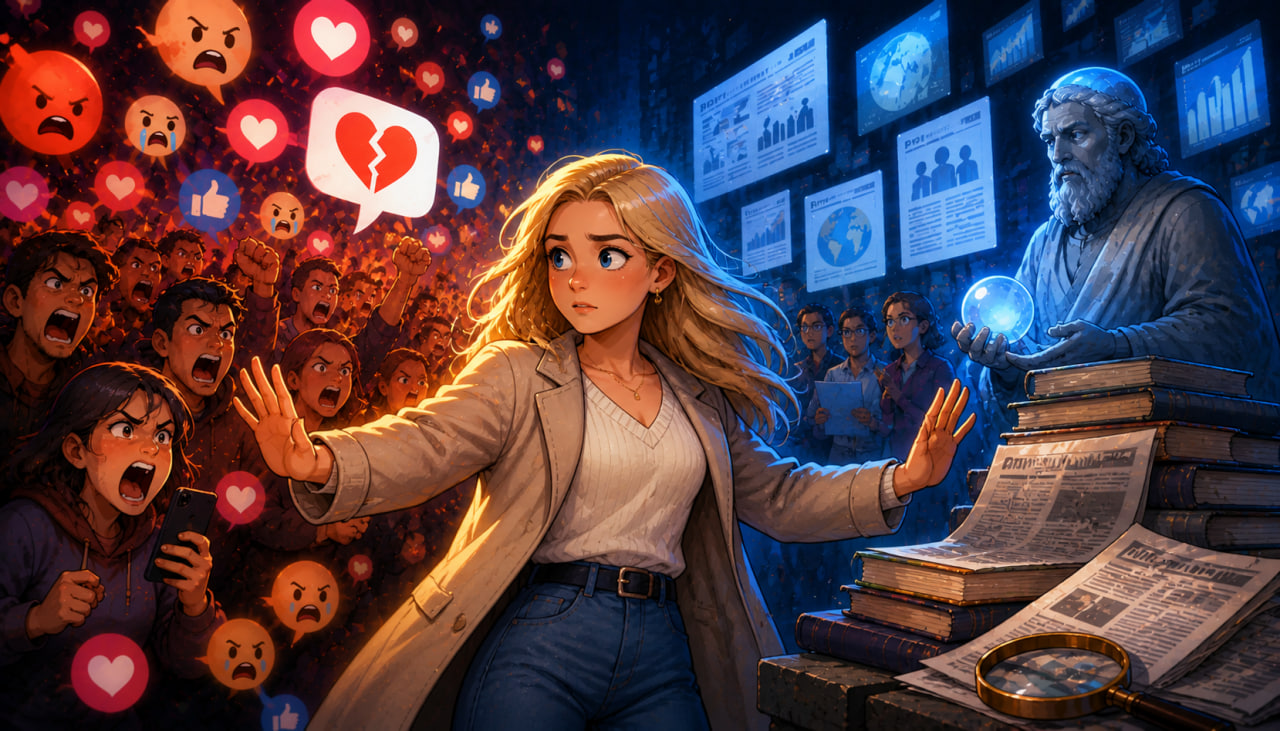
Modern society has access to more information than at any other time in human history.

Throughout history, stories have appeared about so-called “feral children” — children who grew up isolated from normal human society, sometimes surviving among animals or in extreme neglect.
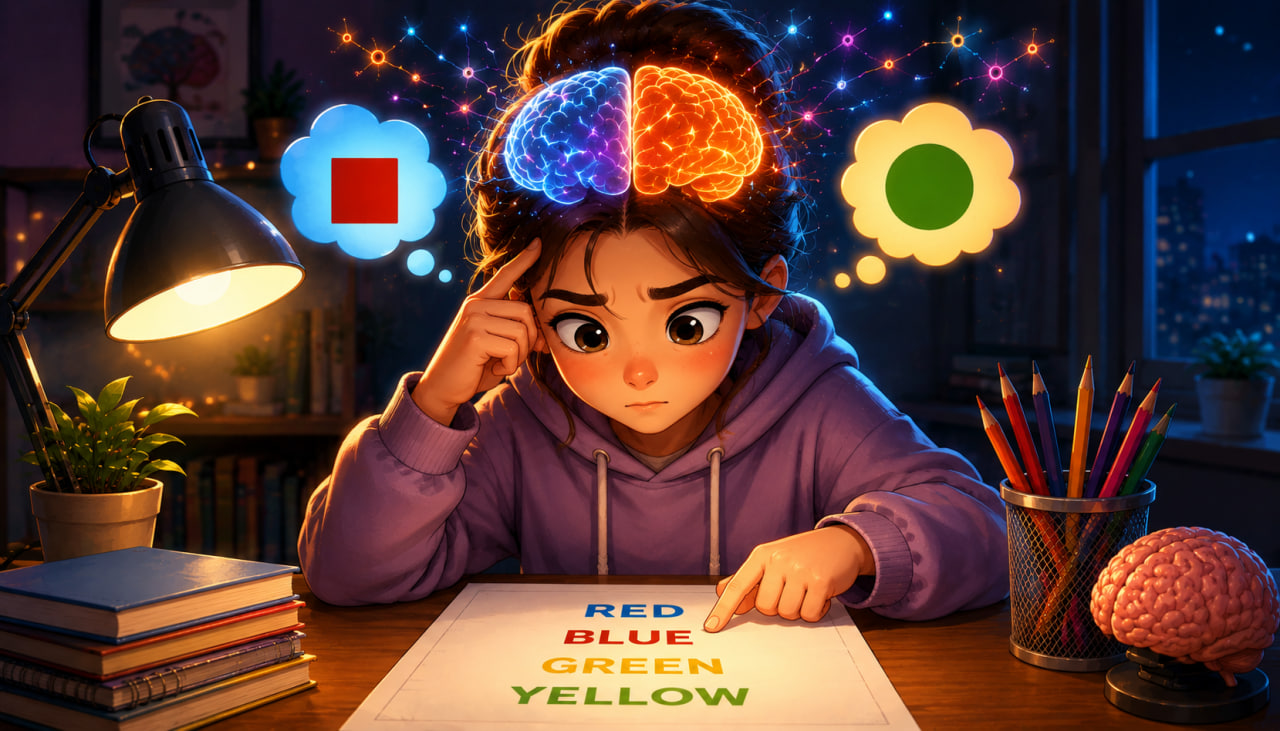
The human brain processes enormous amounts of information every second, often performing complex tasks automatically without conscious effort.
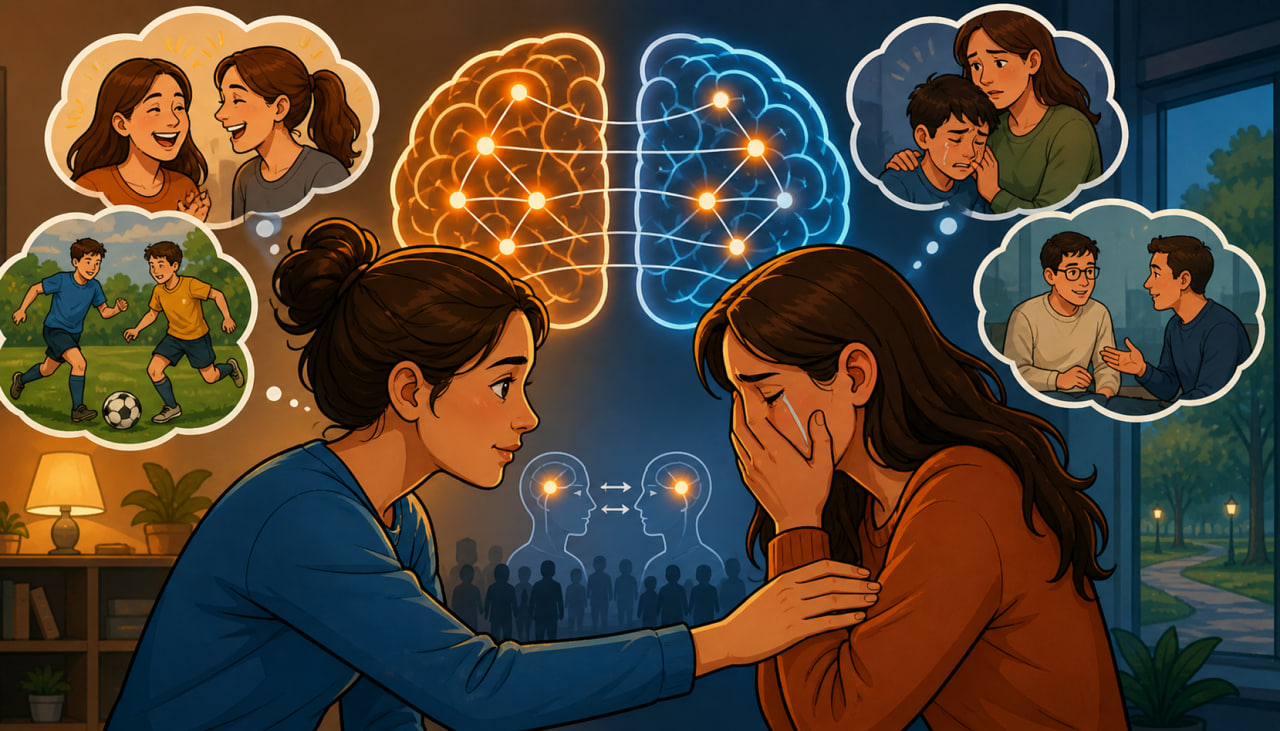
Mirror neurons are one of the most intriguing discoveries in modern neuroscience. They provide a biological explanation for empathy, imitation, and social understanding.
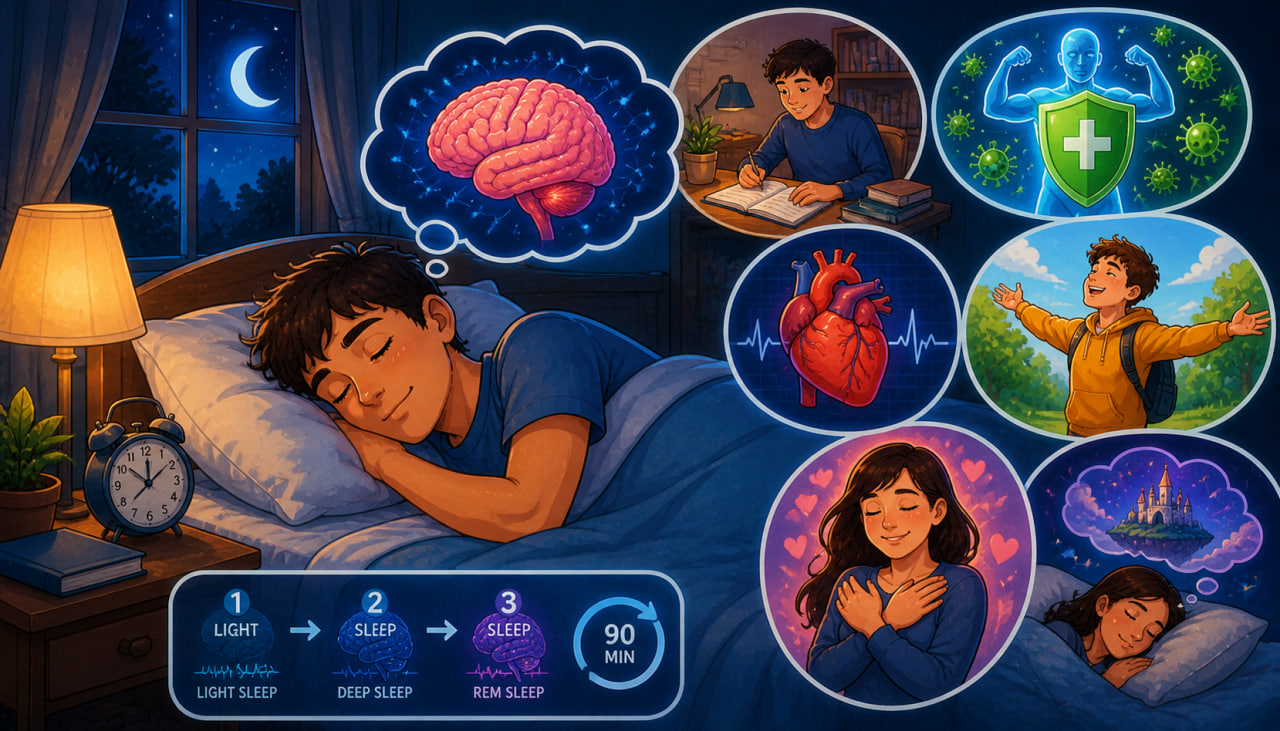
Sleep is one of the most fundamental biological processes, yet it remains one of the most misunderstood.