
Fermented Foods: How They Support Gut Health, Immunity, and Everyday Nutrition
Fermented foods have moved from traditional kitchens into modern nutrition conversations.
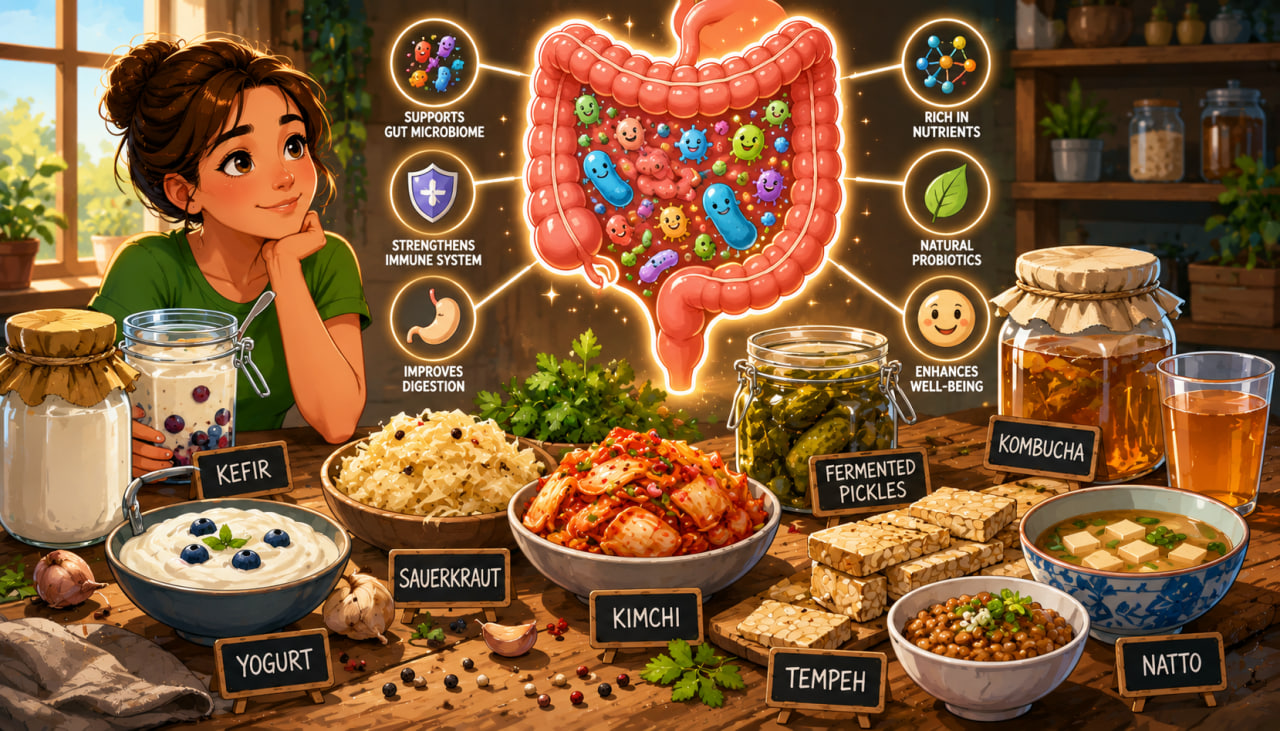
Fermented foods have moved from traditional kitchens into modern nutrition conversations.
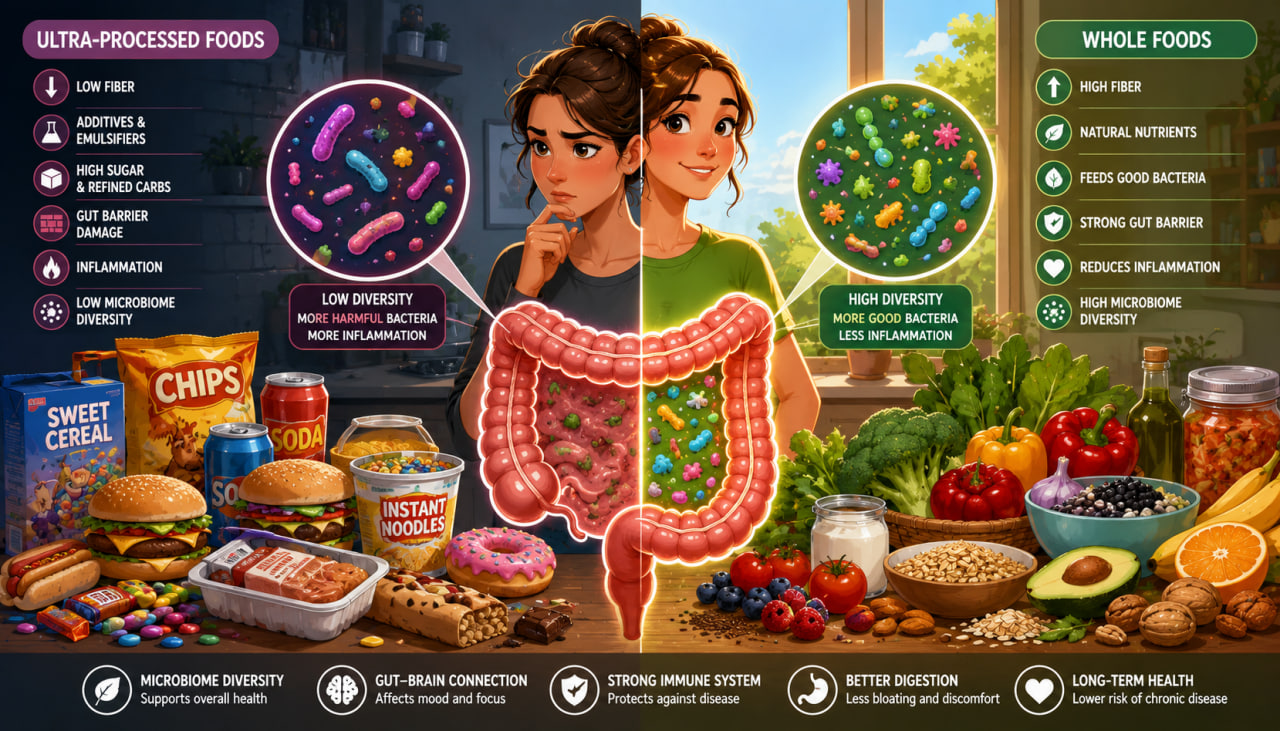
They are convenient, cheap, tasty, and designed to last. But they may also influence one of the most important systems in the body: the gut microbiome.

Why do people make certain decisions? Why do emotions sometimes feel stronger than logic? Why do memories change over time? Why do habits become automatic?

Have you ever noticed that an exciting vacation seems to end in the blink of an eye, while a five-minute wait in a doctor's office can feel like half an hour?

Most people assume that recognizing emotions is automatic. We feel happy, anxious, angry, or sad and can usually describe those feelings with little effort.

Imagine reaching for a cup with one hand while the other suddenly pushes it away. Or buttoning your shirt with your right hand while your left immediately unbuttons it.

Most people believe they experience the world exactly as it is. We trust our eyes, ears, and memories, assuming our brain simply records reality like a camera.

Political debates often seem frustrating. People are presented with statistics, expert analyses, or even direct evidence, yet many refuse to change their opinions.

For decades, the placebo effect was thought to depend on deception. Patients received an inactive pill, believed it was real medicine, and sometimes experienced genuine improvements in symptoms.
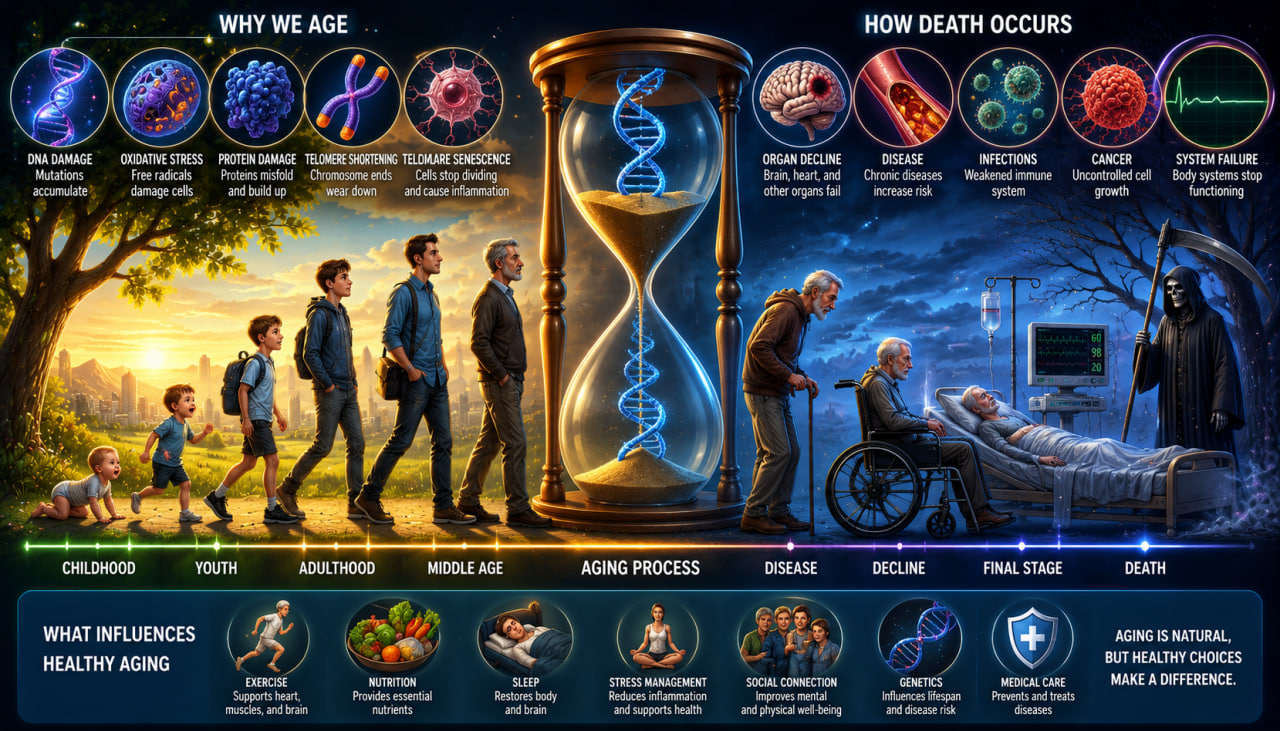
Every living organism faces the same fundamental biological reality: life eventually ends. Humans have long wondered why aging exists at all.