
How Do We Perceive the World Around Us?
Every second, the human brain receives an immense amount of information — colors, sounds, smells, textures, and tastes.
Useful articles about medicine and human biology
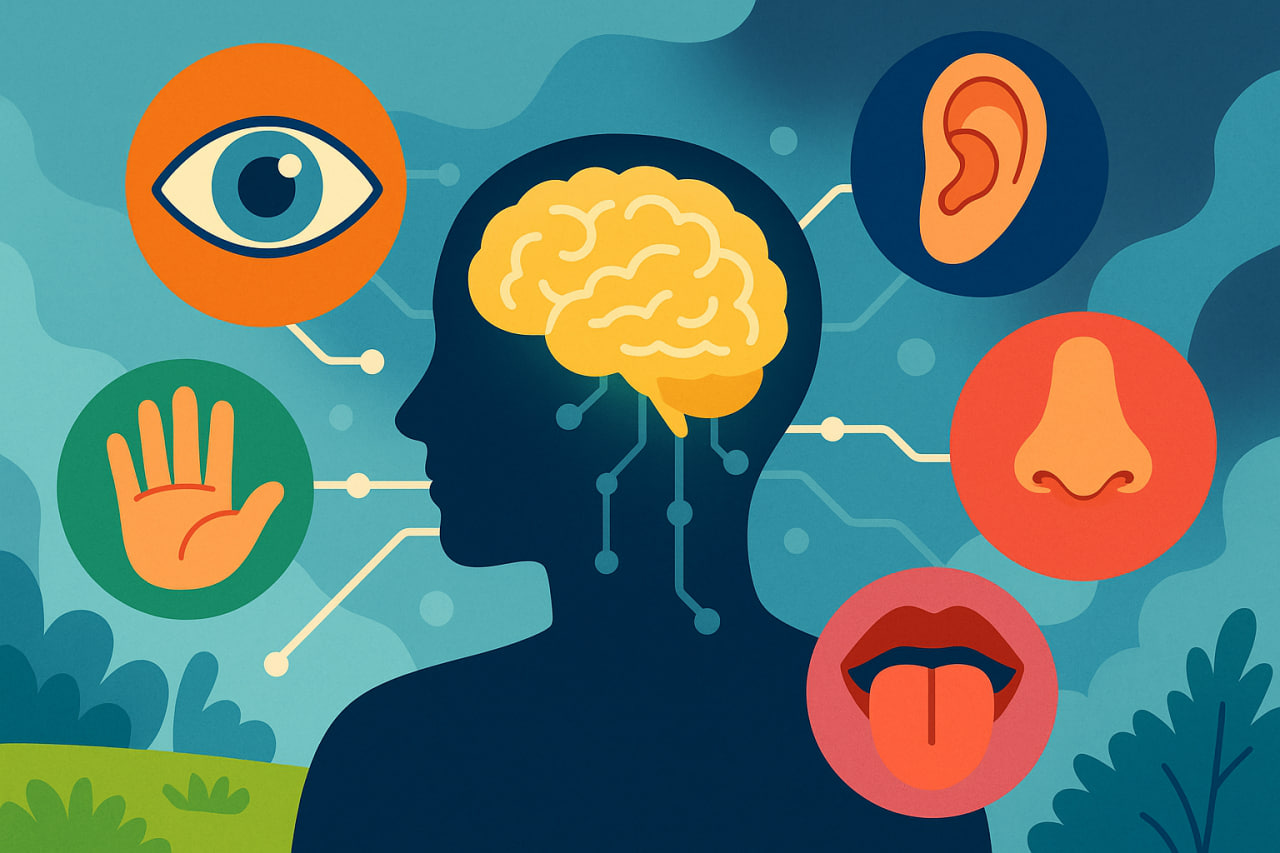
Every second, the human brain receives an immense amount of information — colors, sounds, smells, textures, and tastes.
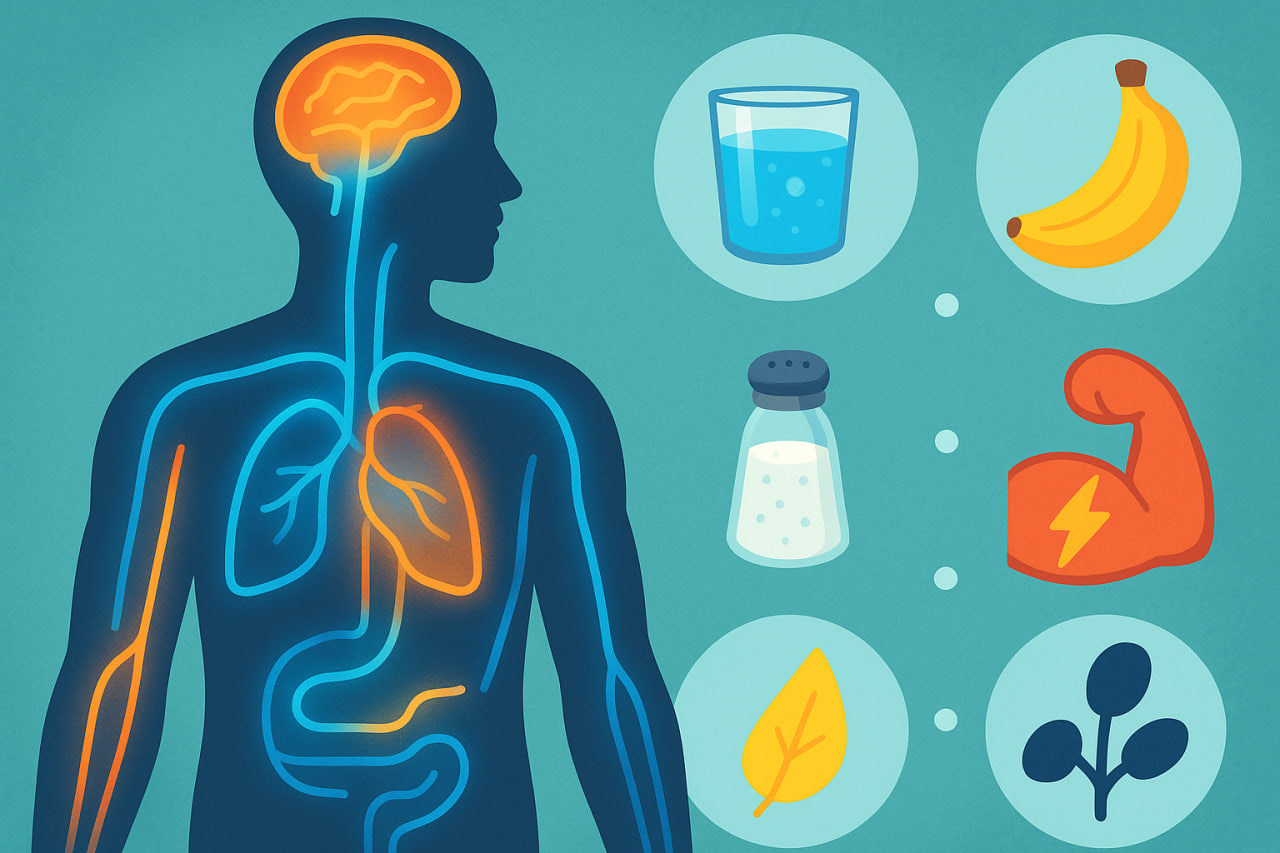
Electrolytes are vital substances that keep our bodies functioning correctly. They are minerals that carry an electric charge when dissolved in water.
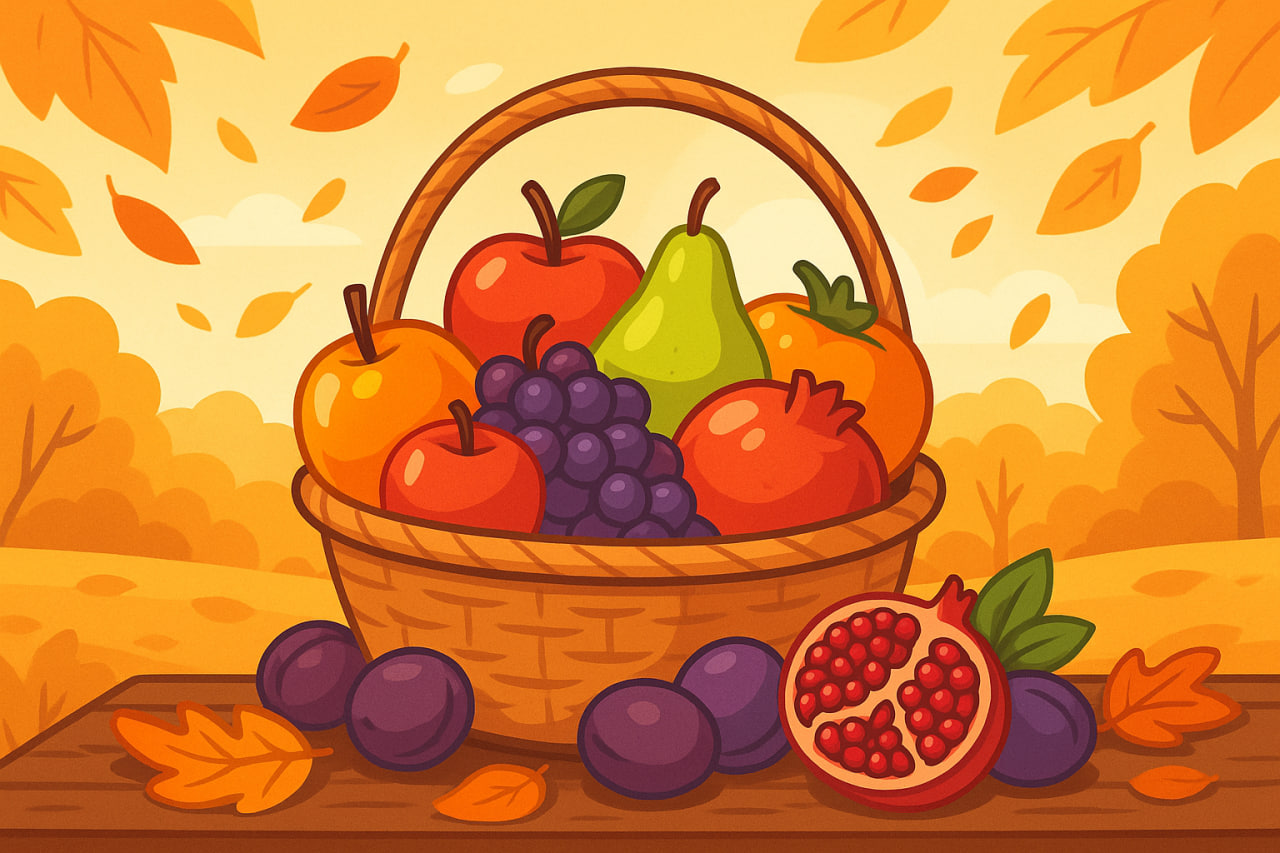
Autumn is the season of rich colors, cozy weather, and abundant harvests. It’s also the perfect time to strengthen the immune system and prepare the body for the colder months ahead.
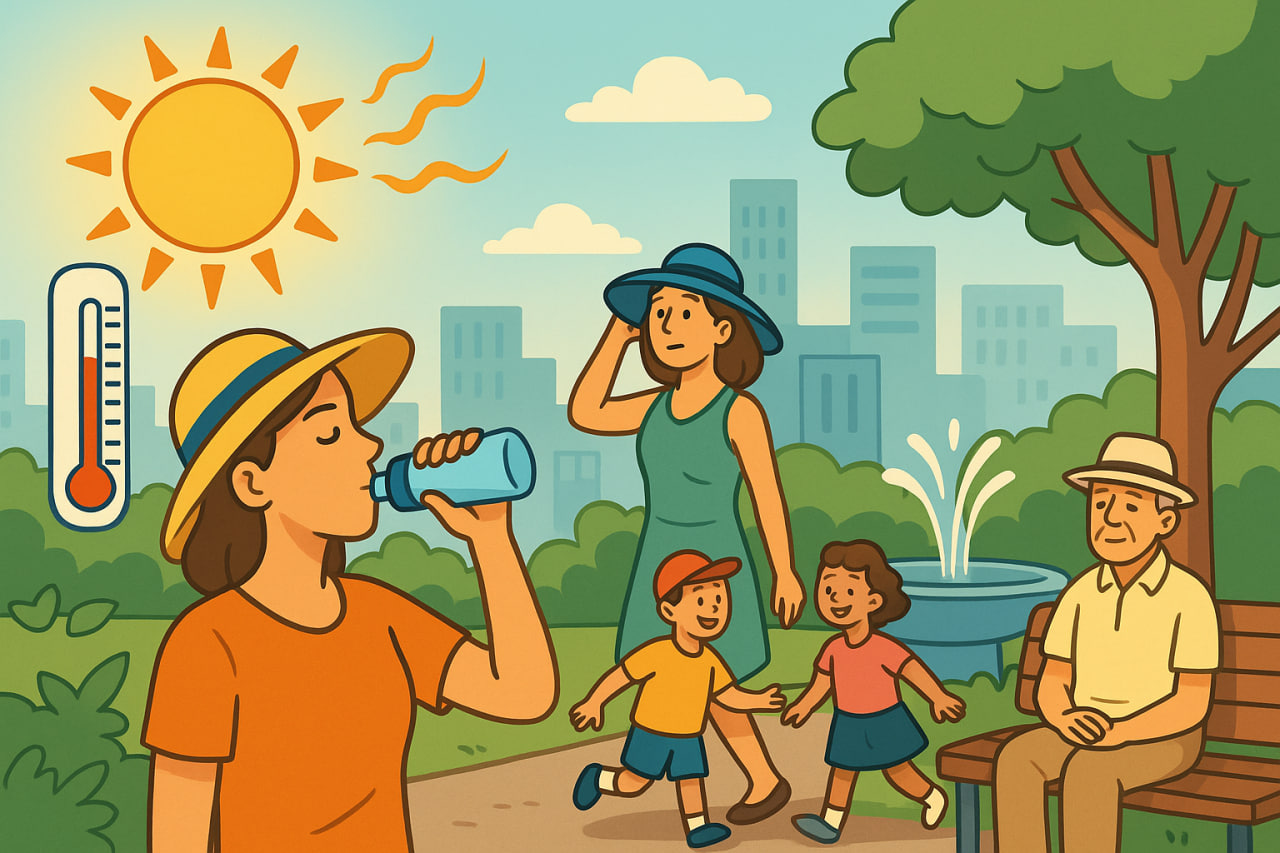
When the weather turns extremely hot, the human body faces significant stress. Heatwaves — once rare — are now becoming more frequent due to climate change, and they can pose serious risks to...
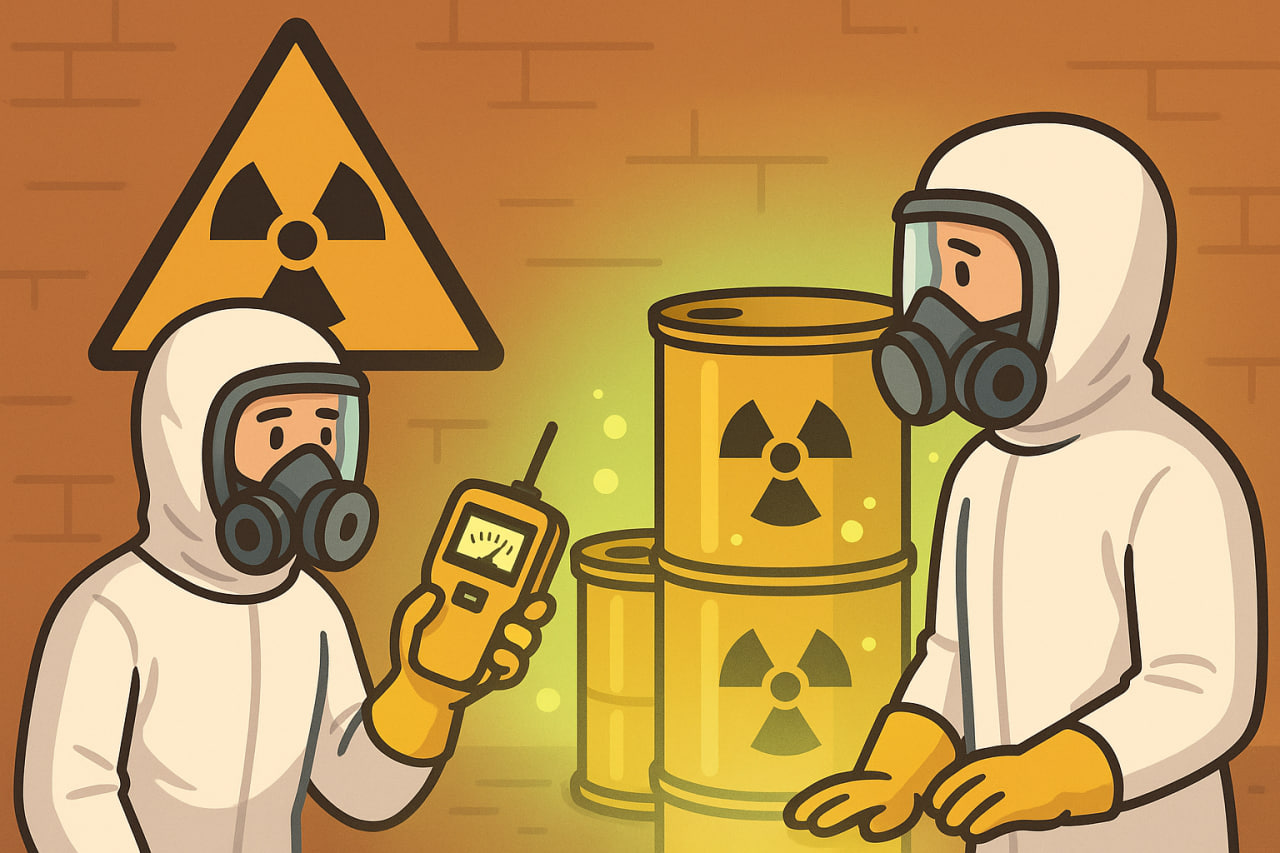
Radiation is one of the most powerful and invisible forces in the universe. It surrounds us constantly — from the light of the Sun to the signals from our cell phones.
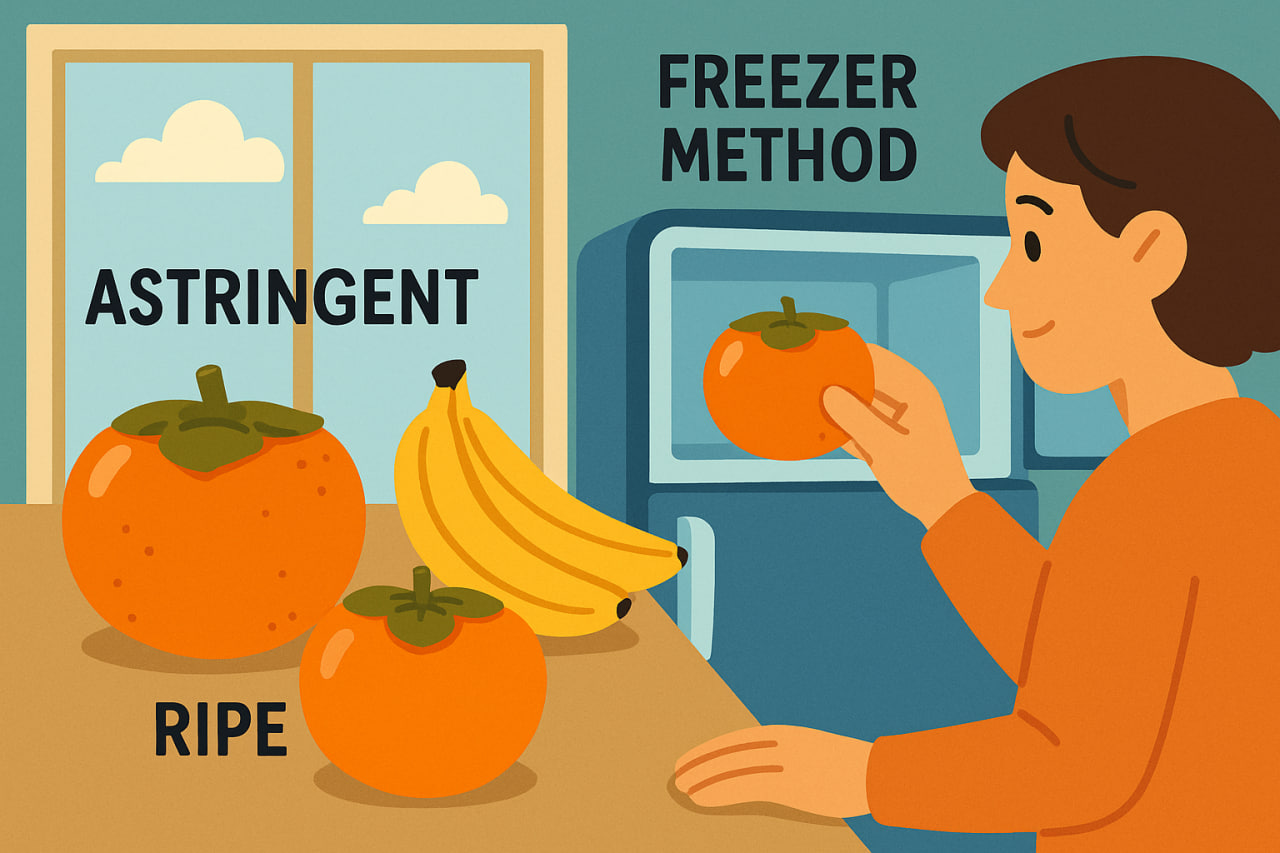
Persimmons are one of autumn’s most delightful fruits, known for their bright orange color, honey-like flavor, and smooth texture when ripe.
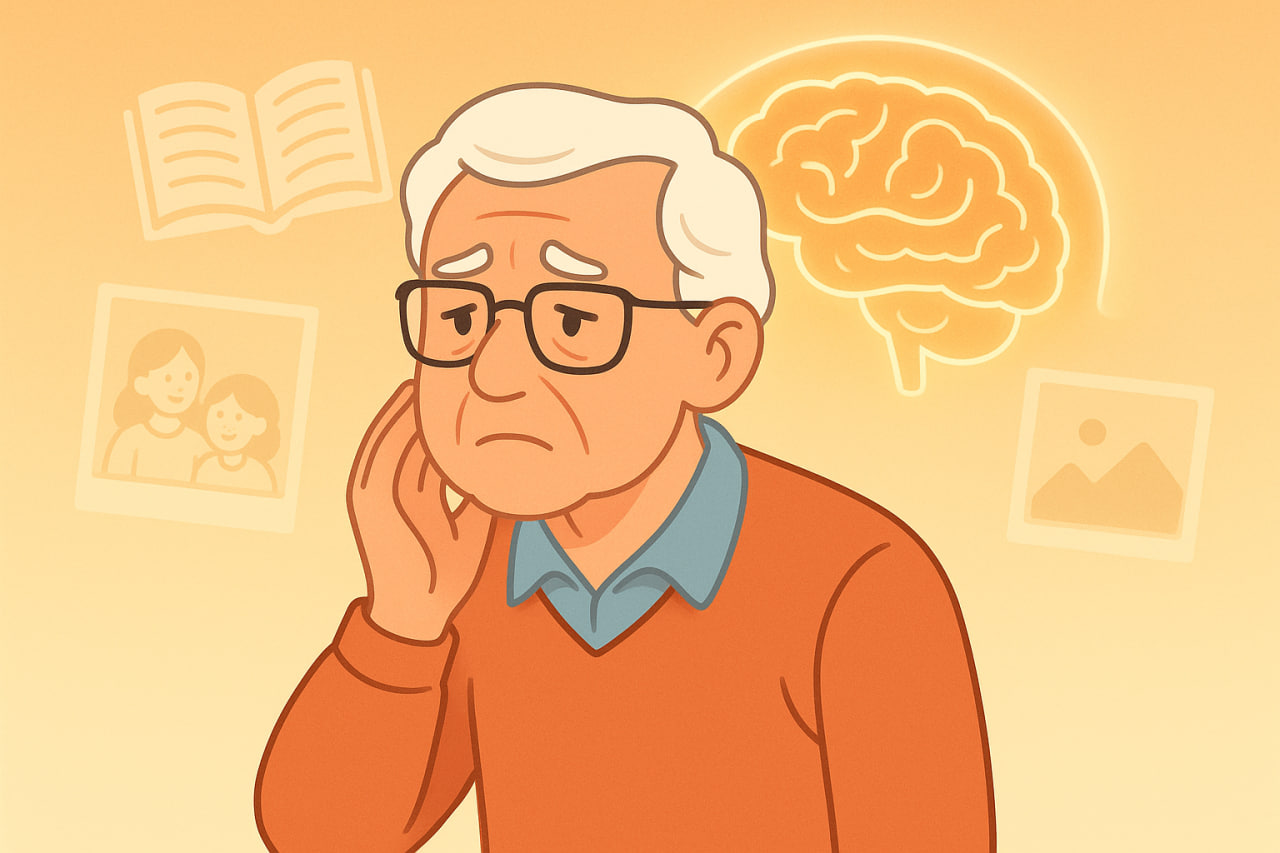
Alzheimer’s disease is one of the most profound and challenging conditions affecting humanity today.

Down syndrome is one of the most well-known genetic conditions in the world. It affects approximately one in every 700 babies, regardless of race, culture, or geography.
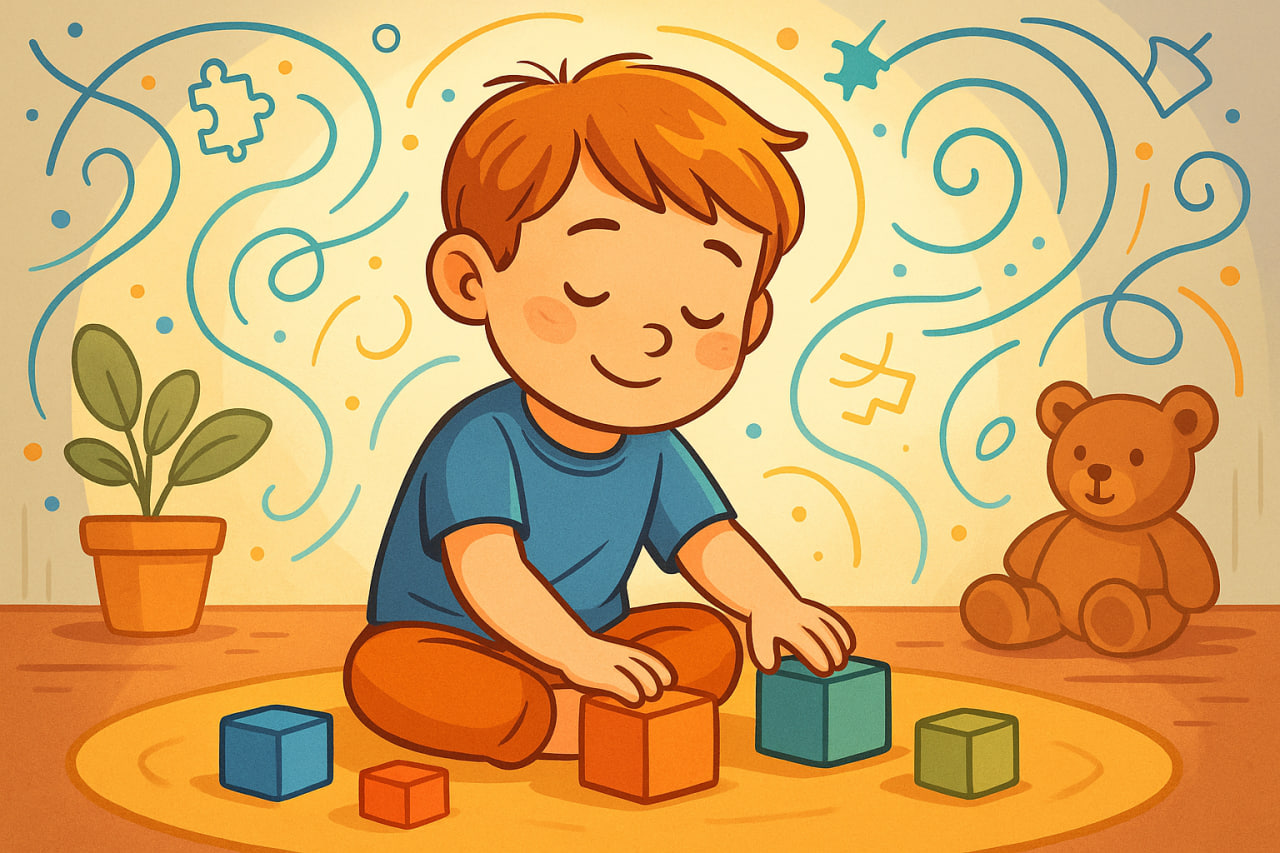
Autism, or Autism Spectrum Disorder (ASD), is not a disease but a different way the brain processes information, communication, and interaction with the world.
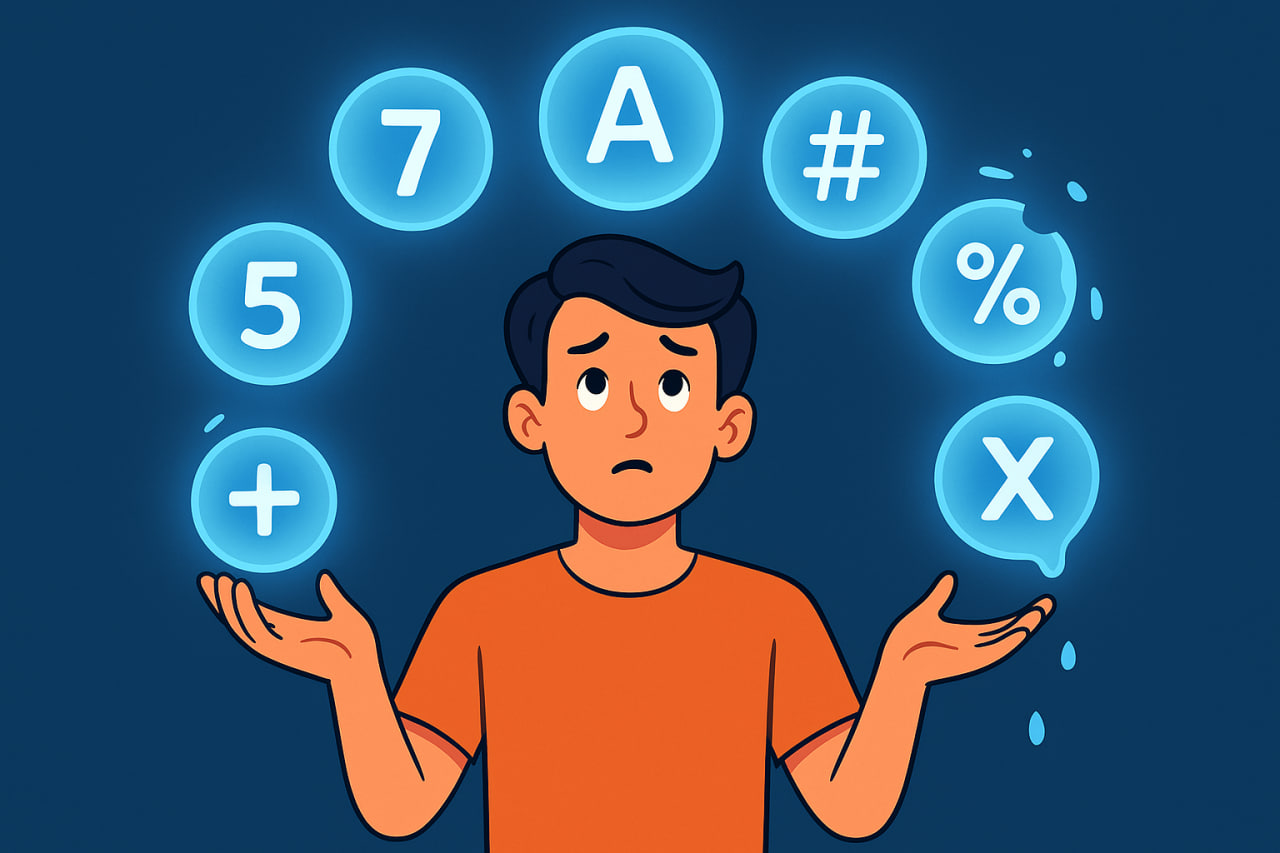
Human intelligence is remarkable, yet it has clear cognitive boundaries. One of the most influential discoveries about the brain’s limitations in processing information is known as Miller’s...