
Cloning: Science, Methods, and Ethical Considerations
Cloning refers to the scientific process of creating genetically identical copies of biological organisms, cells, or DNA sequences.
Useful articles about medicine and human biology
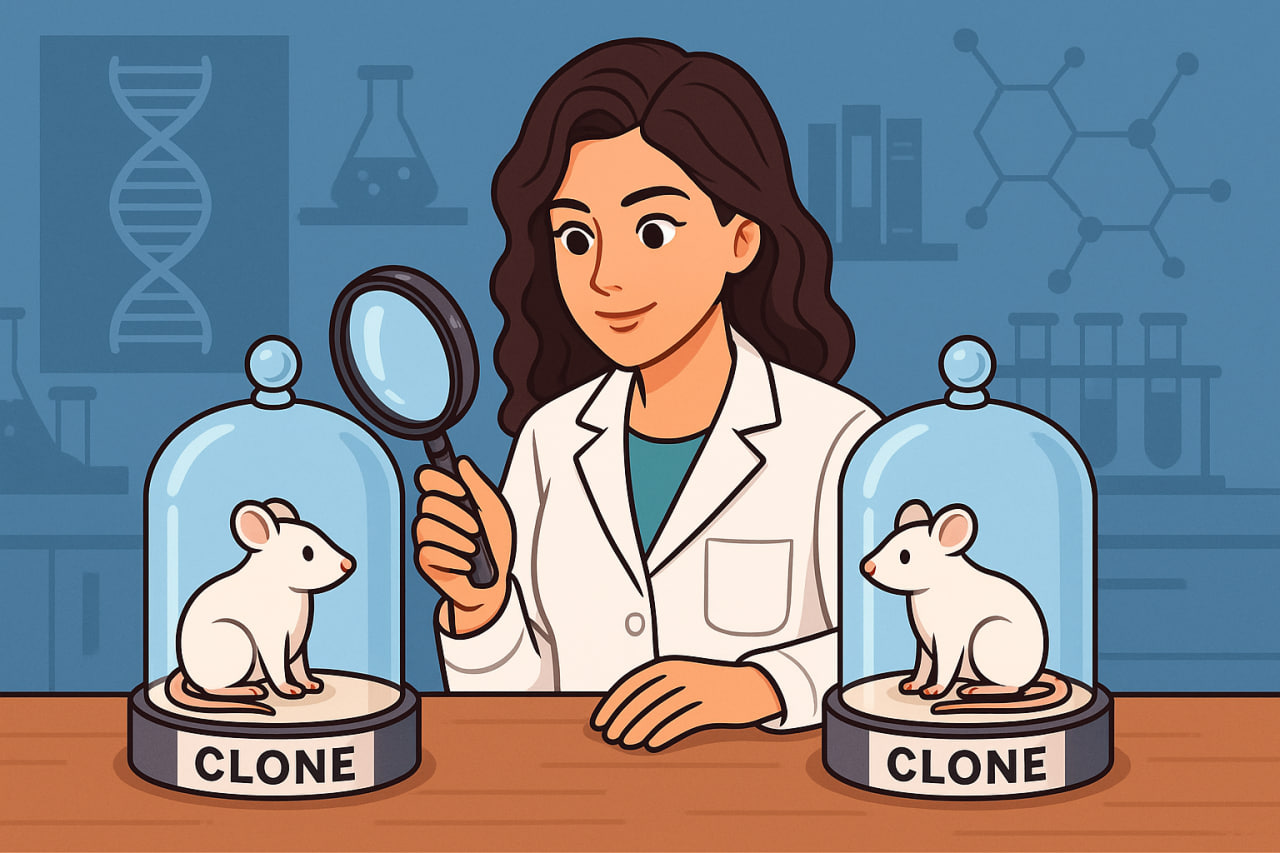
Cloning refers to the scientific process of creating genetically identical copies of biological organisms, cells, or DNA sequences.
Music has a profound impact on human emotions, cognition, and physical well-being, shaping how people think, feel, and behave in diverse situations.
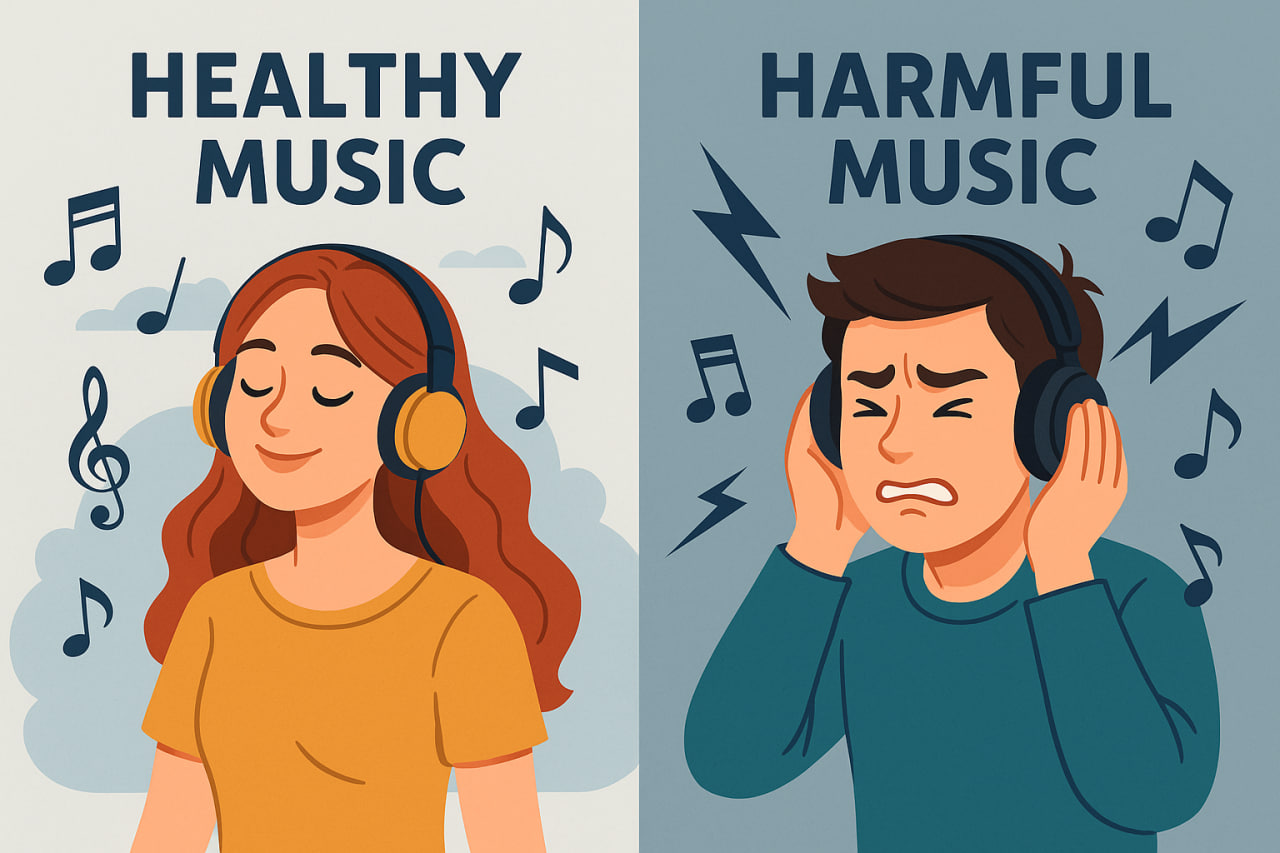
Music affects physical and mental health in many ways, shaping emotions, cognitive performance, stress levels, and even physiological responses.
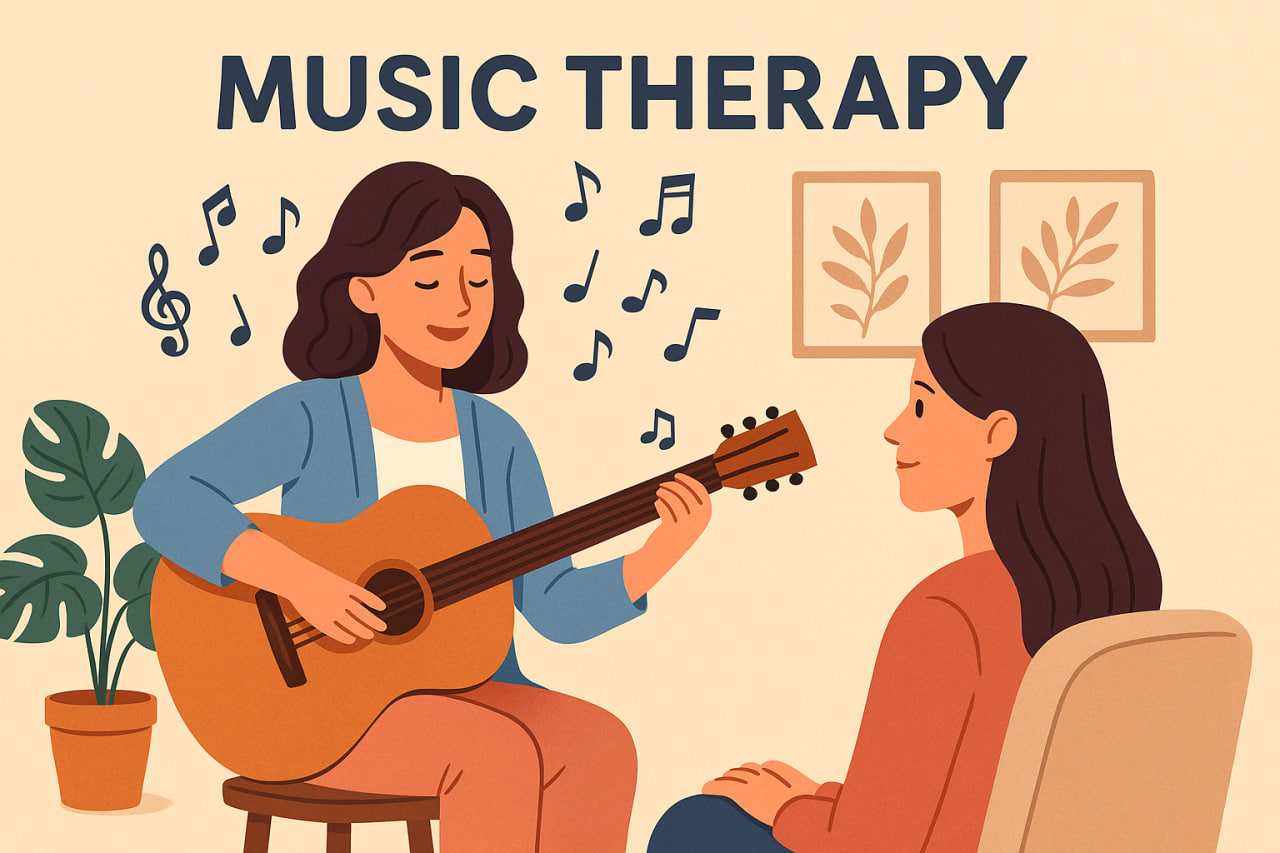
Music therapy is a clinical practice that uses sound, rhythm, and structured musical interaction to support emotional, cognitive, and physical health.
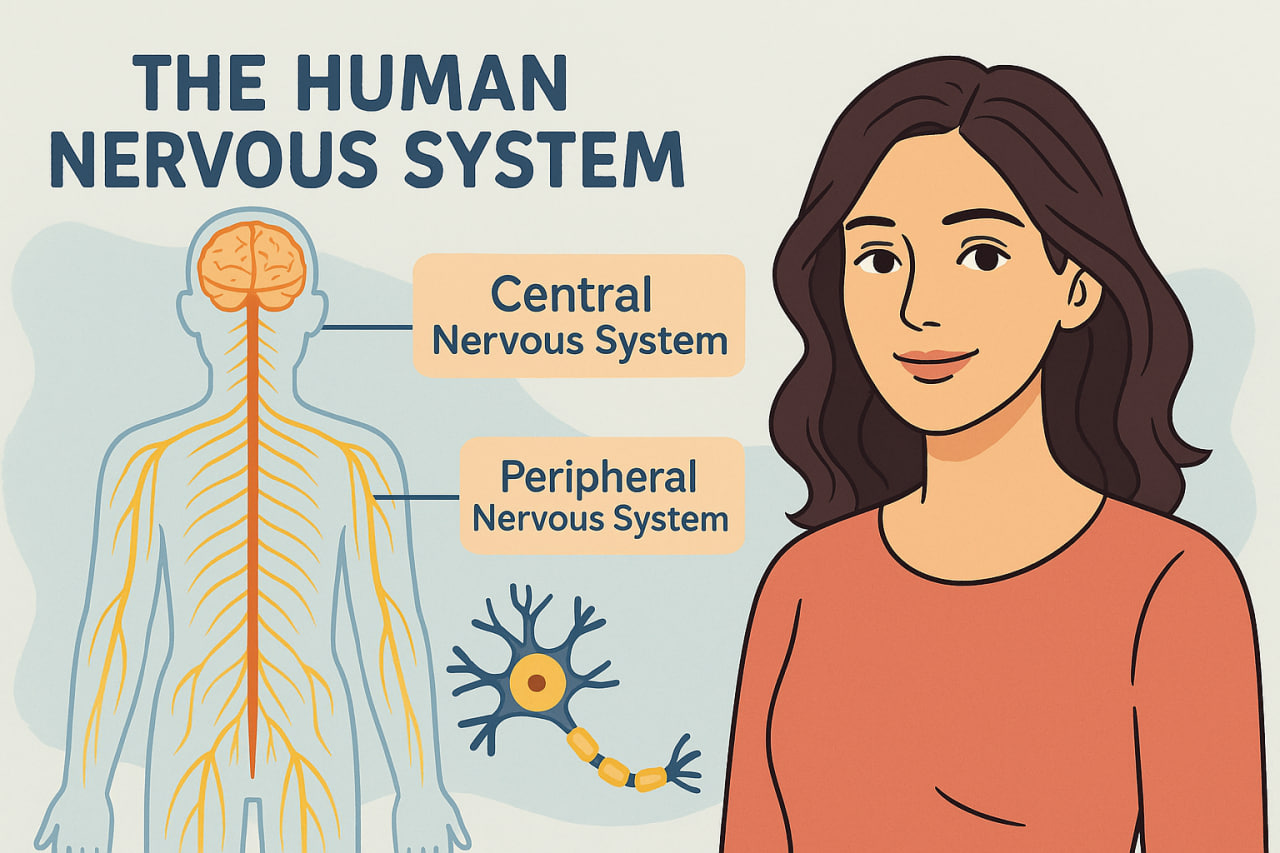
The human nervous system is one of the most complex networks in biology, responsible for processing information, coordinating movement, and regulating essential internal functions.
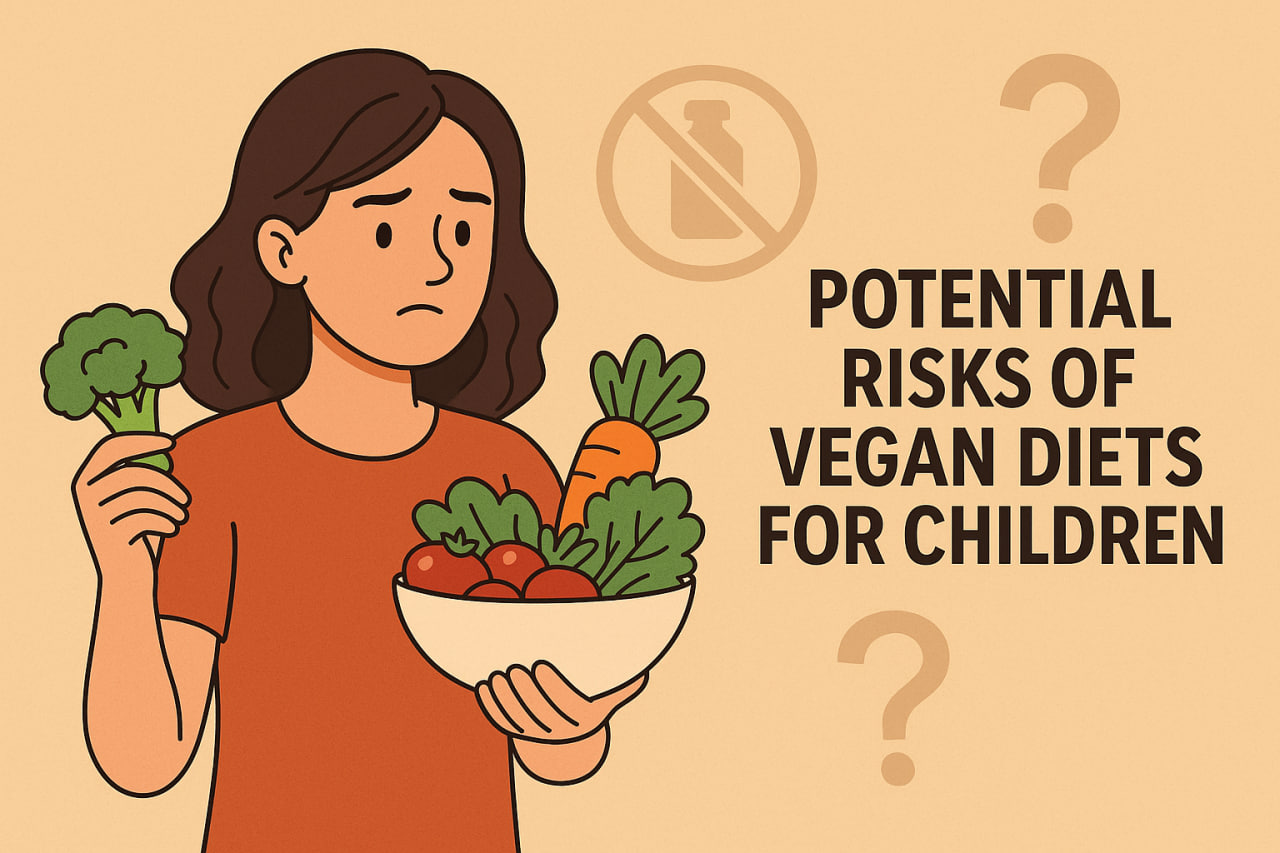
Vegan diets exclude all animal-derived foods, including meat, dairy, eggs, and fish, which can significantly influence the nutritional needs of growing children.

Workplace burnout is a psychological state characterized by exhaustion, reduced motivation, and a diminished sense of personal accomplishment caused by prolonged stress.
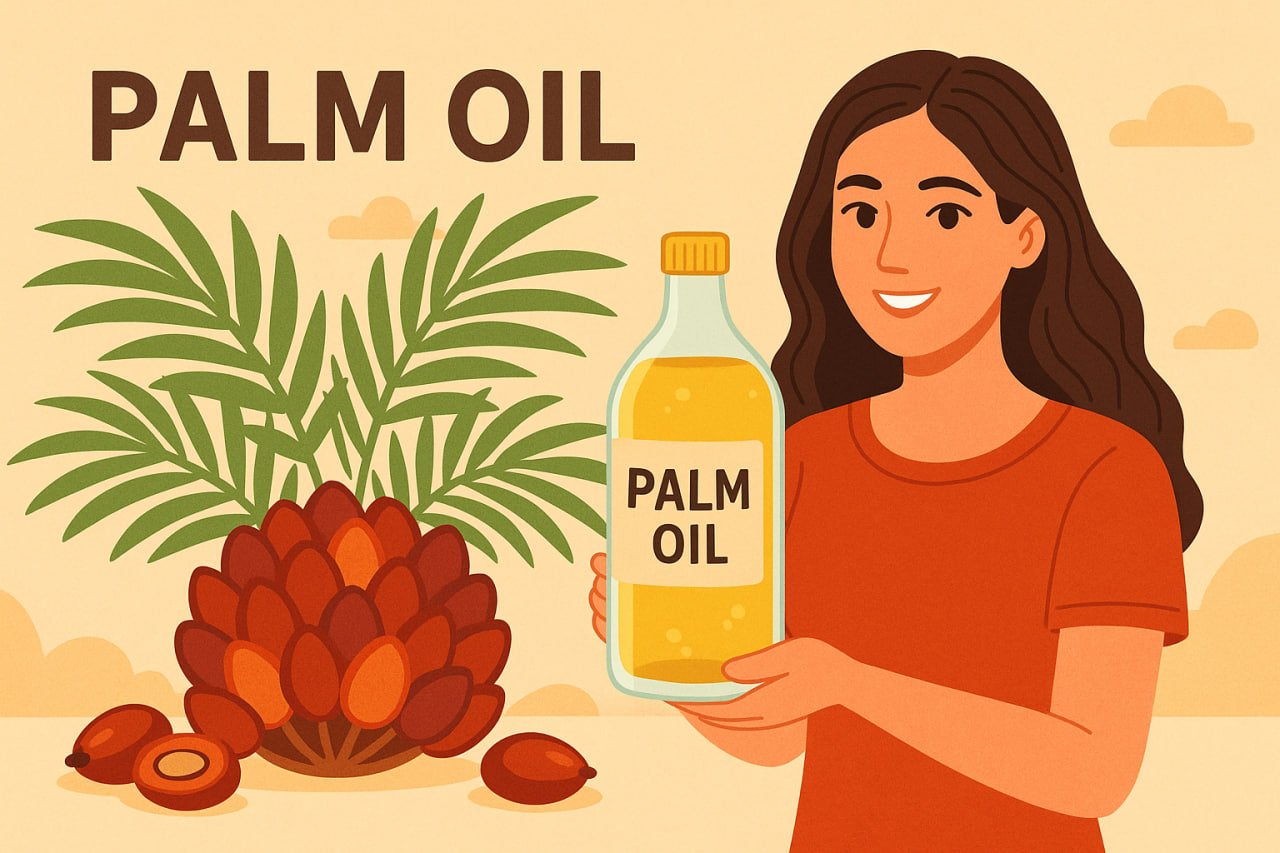
Palm oil is one of the most widely used vegetable oils in the world, found in countless products ranging from food and cosmetics to cleaning agents and biofuels.
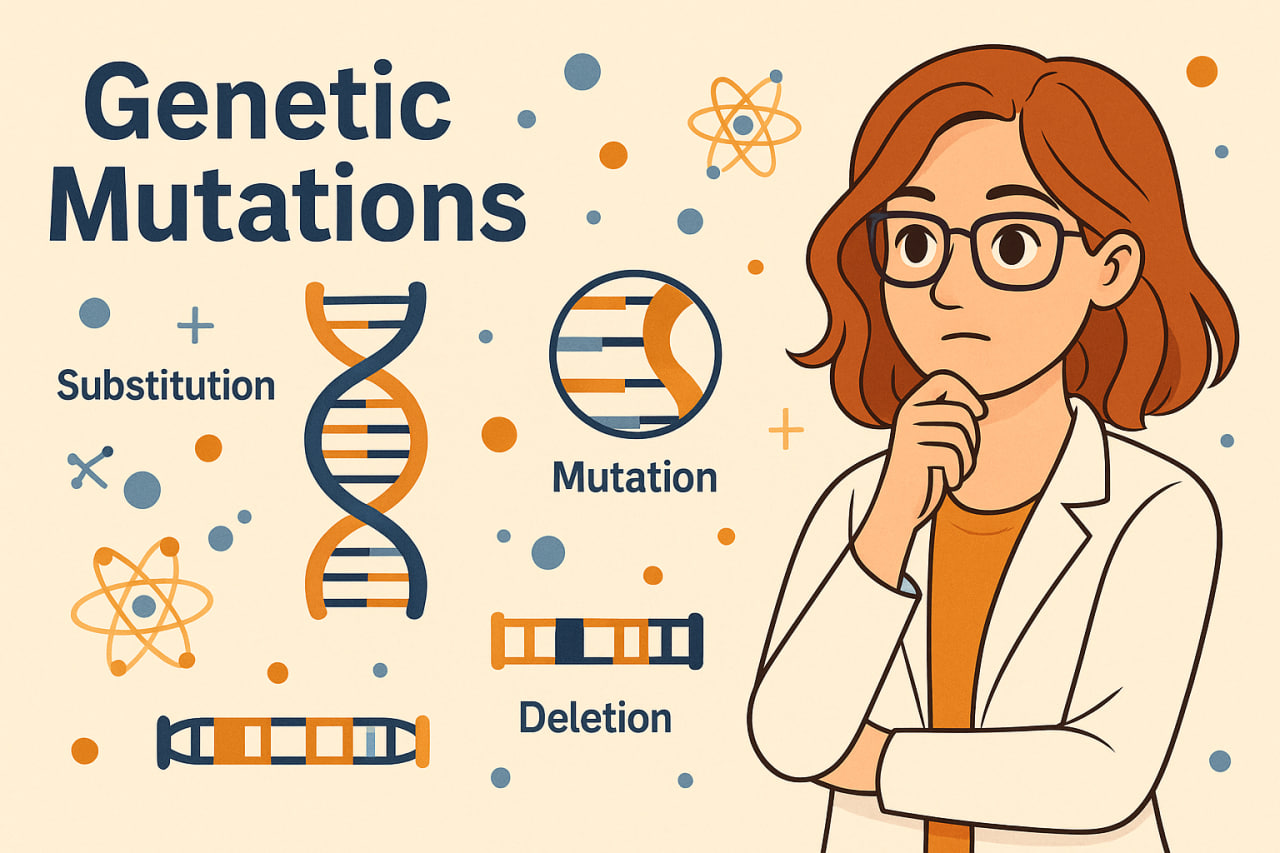
Genetic mutations are changes that occur within the DNA sequence, influencing how living organisms grow, function, and evolve.
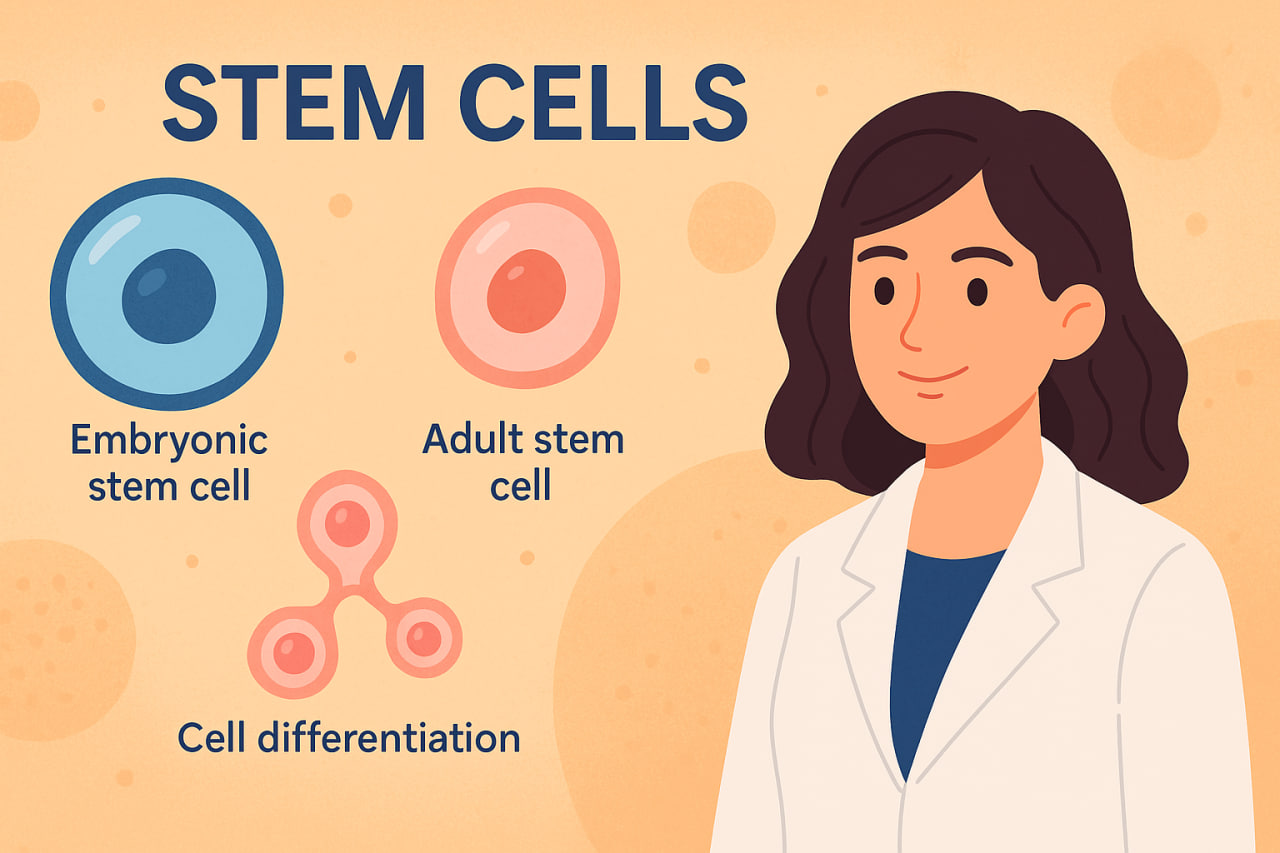
Stem cells are unique biological cells capable of developing into a wide range of specialized cell types, making them one of the most remarkable components of modern biomedical science.