
Microgreens: What They Are, Why They Are So Nutritious, and How They Became a Global Health Trend
Microgreens are young, edible seedlings of vegetables and herbs harvested just days after sprouting, usually when the first true leaves appear.
Useful articles about medicine and human biology

Microgreens are young, edible seedlings of vegetables and herbs harvested just days after sprouting, usually when the first true leaves appear.

Growing edible greens at home has become increasingly popular as people look for fresh, nutritious, and pesticide-free foods that can be harvested year-round.
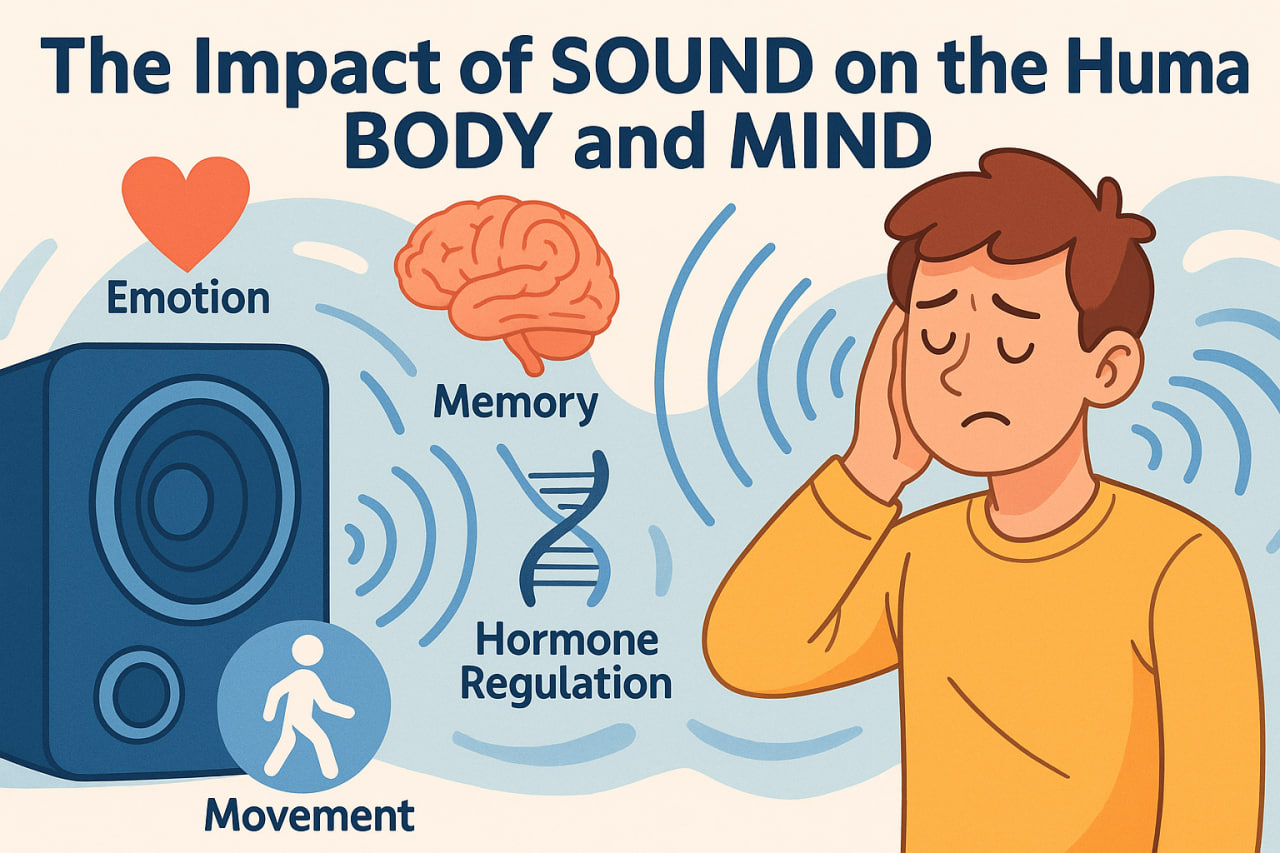
Sound is a powerful physical phenomenon that surrounds us constantly — from the soft rhythm of breathing to the loud noise of urban life.
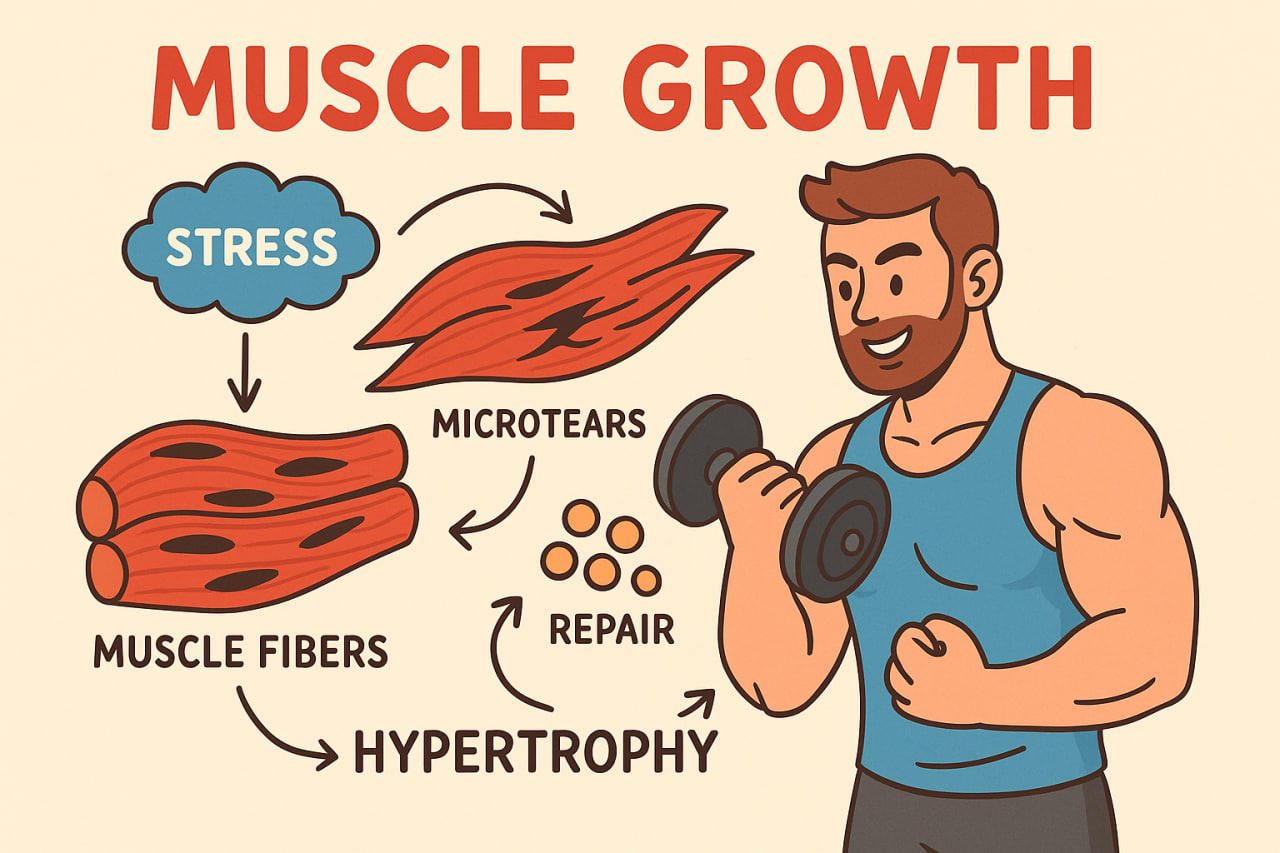
Muscle growth, also known as muscle hypertrophy, is a biological process in which muscle fibers increase in size in response to physical stress, nutrition, and recovery.

Speed reading is the ability to read and understand text significantly faster than the average rate.

Parkinson’s disease is a chronic neurological disorder that primarily affects movement, coordination, and balance.

Neurointerfaces, also known as brain–computer interfaces (BCIs), are systems that enable direct communication between the human brain and external devices.
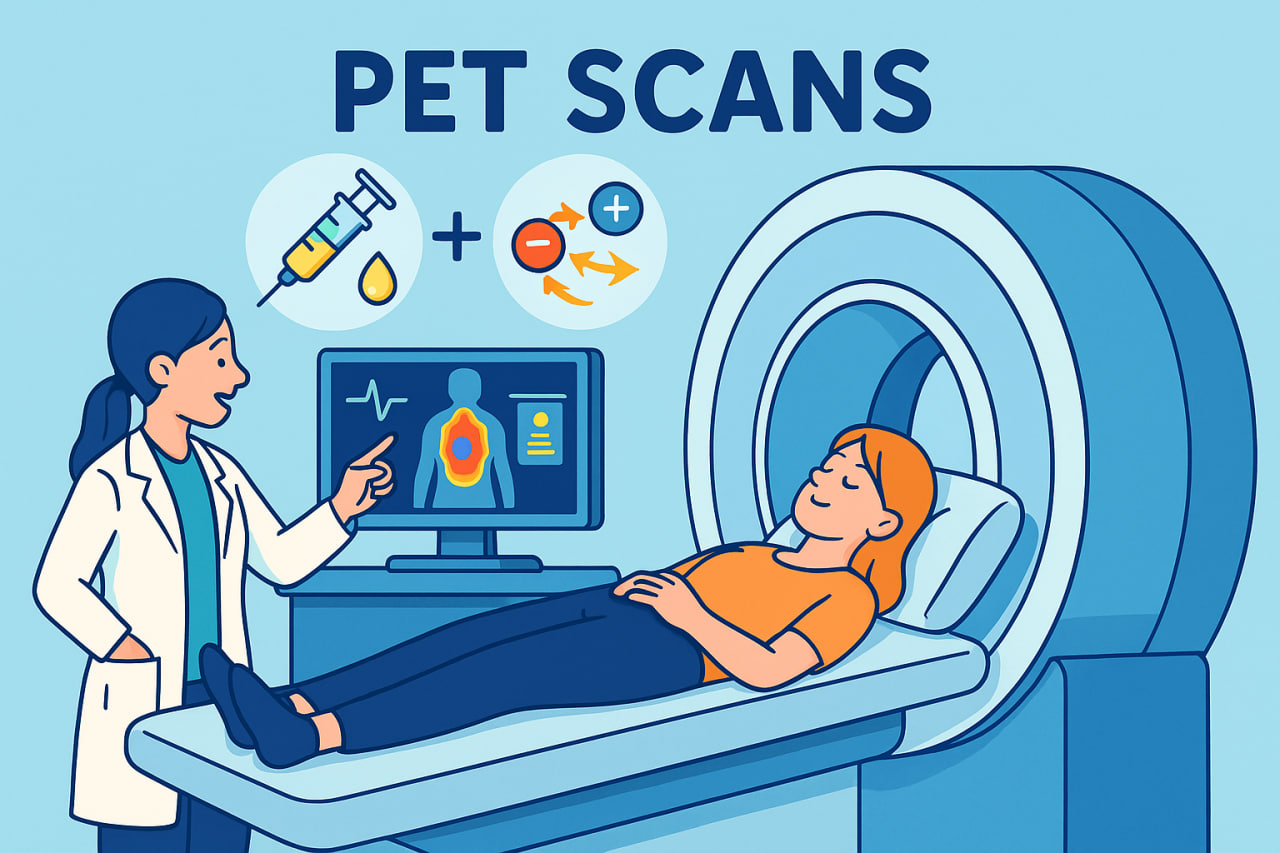
A PET scan, short for Positron Emission Tomography, is a highly advanced medical imaging technique that allows doctors to observe how organs and tissues function in real time.

Yeast is a type of single-celled fungus widely used in baking, brewing, and fermentation.

Ptosis, also known as drooping eyelid, is a condition in which the upper eyelid falls lower than its normal position.