Bio Med — Page 124

Useful articles about medicine and human biology

How Technology Helps Detect Cancer in Its Early Stages
Medical Innovations

How Technology Helps Detect Cancer in Its Early Stages

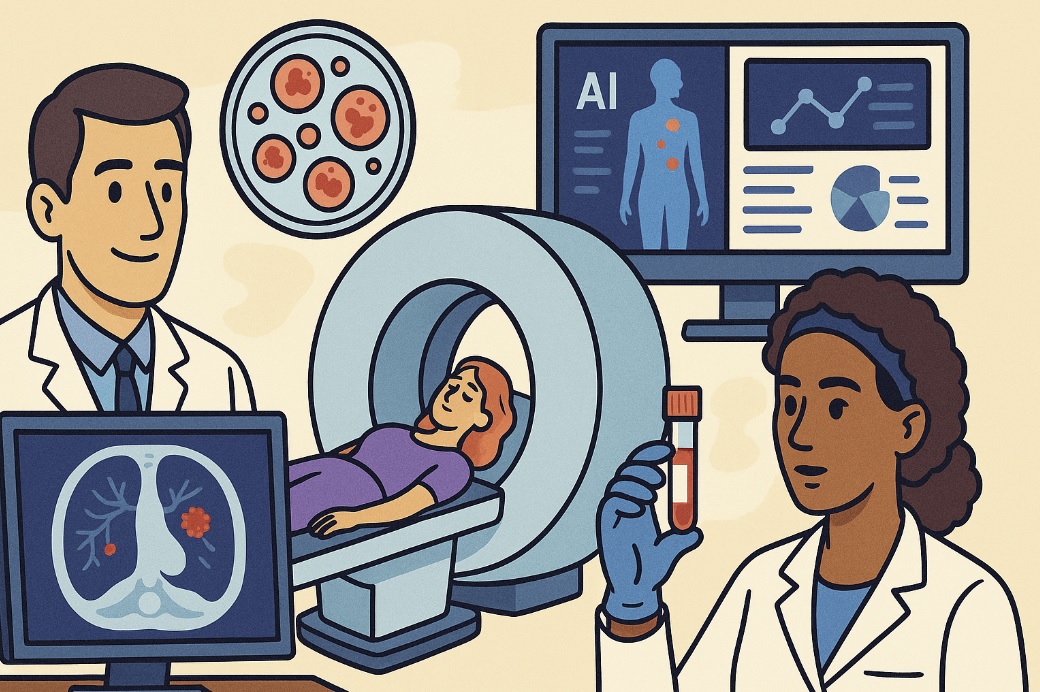
Early detection of cancer significantly increases the chances of successful treatment and survival. Thanks to advances in medical technology, we are now better equipped than ever to identify cancer in its earliest stages—often before symptoms appear. But how exactly do these technologies work, and what impact are they having?
Genetic Markers of Aging: Can We Stop Them?
Medical Innovations Bioethics & Science

Genetic Markers of Aging: Can We Stop Them?

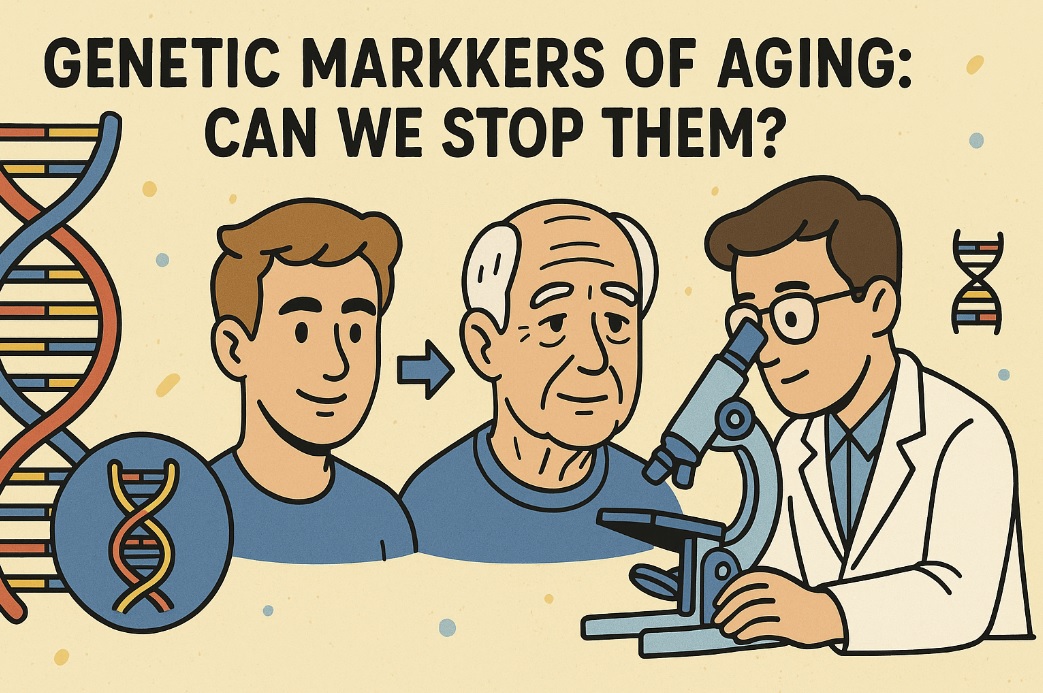
Aging is a natural biological process, but science continues to search for ways to slow it down or even reverse it. At the center of this quest are genetic markers—specific biological indicators that reflect how our bodies age on a molecular level. Can understanding and influencing these markers help us live longer, healthier lives?

Medical Gadgets: Pros and Cons of Continuous Monitoring
Medical Innovations

Medical Gadgets: Pros and Cons of Continuous Monitoring

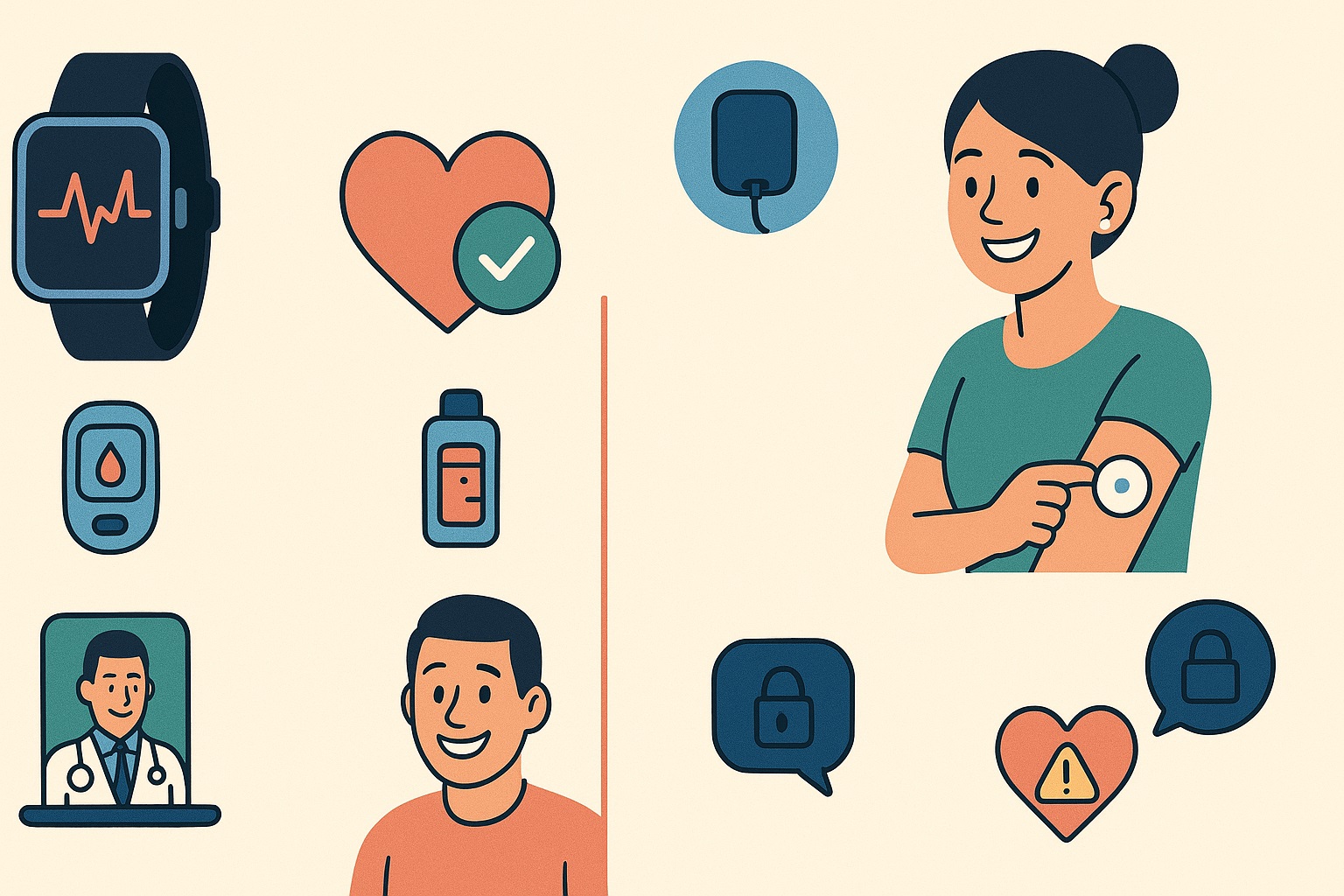
In recent years, medical gadgets have revolutionized personal health management. Devices like smartwatches with ECG tracking, continuous glucose monitors (CGMs), and wearable blood pressure cuffs are no longer just tools for hospitals—they've become part of daily life. But does constant monitoring of your health do more good than harm? Let’s explore the benefits and potential drawbacks of this technology-driven approach to well-being.

How to Plan a Healthy Weekly Meal Schedule
Fuel Your Body Smart & Healthy

How to Plan a Healthy Weekly Meal Schedule

Creating a balanced weekly meal plan is one of the smartest ways to support your health, energy levels, and even your budget. With just a little planning, you can avoid last-minute food decisions, reduce food waste, and nourish your body with everything it needs. But where do you start — and how do you keep it realistic?

The Biochemistry of Hunger: Why We Overeat
Fuel Your Body Smart & Healthy

The Biochemistry of Hunger: Why We Overeat

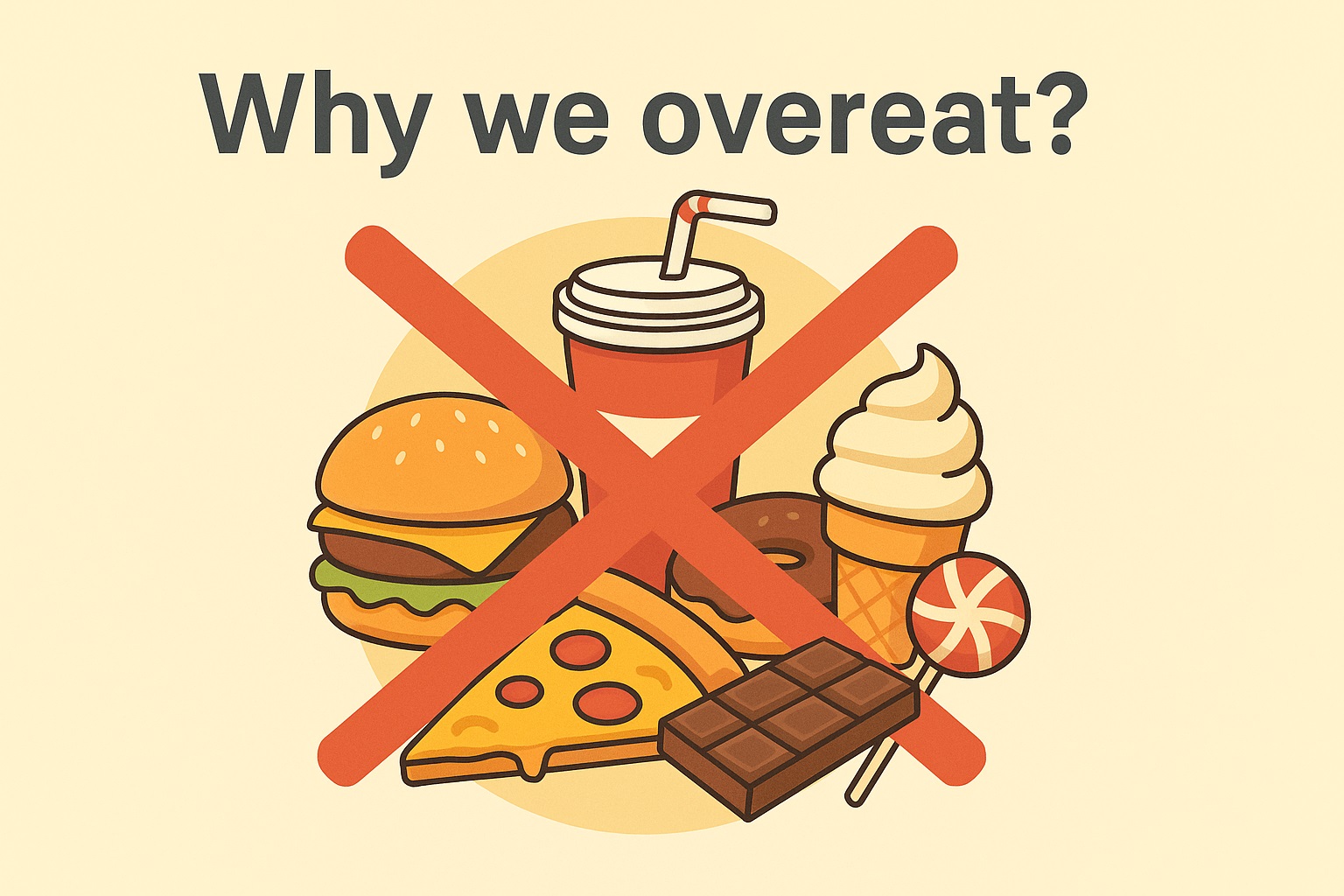
Why do we keep eating even when we’re full? The answer lies not just in willpower or habits, but in biochemistry — the complex web of hormones, brain signals, and chemical feedback loops that regulate hunger and satiety. In today’s food-abundant world, these ancient systems can be easily tricked, leading to overeating and weight gain.

The Ethical Risks of Human Genetic Modification
Bioethics & Science

The Ethical Risks of Human Genetic Modification

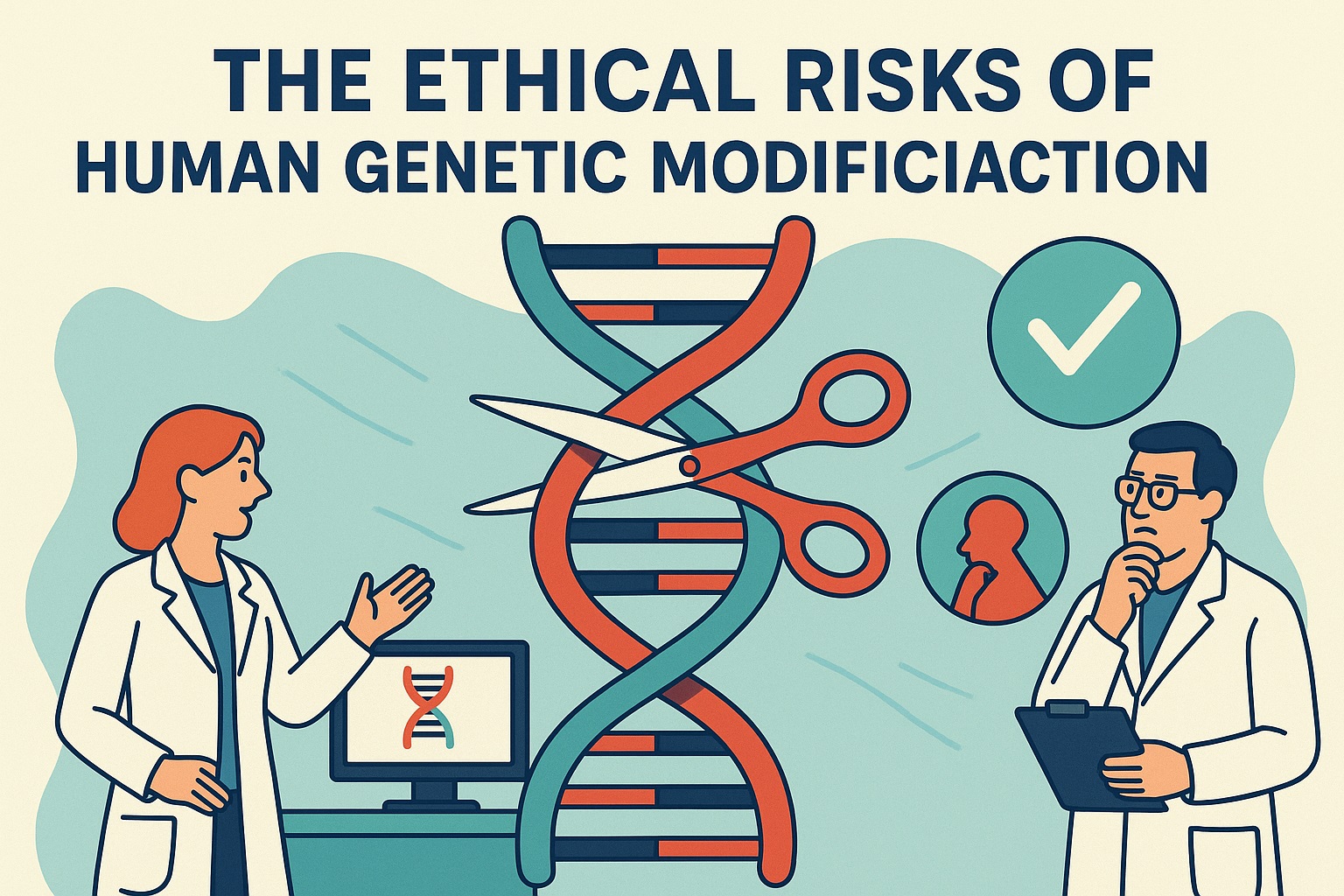
Human genetic modification — the ability to alter the DNA of embryos or living individuals — is one of the most powerful and controversial frontiers in modern science. With technologies like CRISPR-Cas9, we now have the tools to edit genes with increasing precision. But as science advances faster than regulation, serious ethical questions arise. Are we prepared to decide which genes should be changed — and who gets to decide?

How 3D Printing Organs Could Save Millions of Lives
Biohacking Medical Innovations

How 3D Printing Organs Could Save Millions of Lives

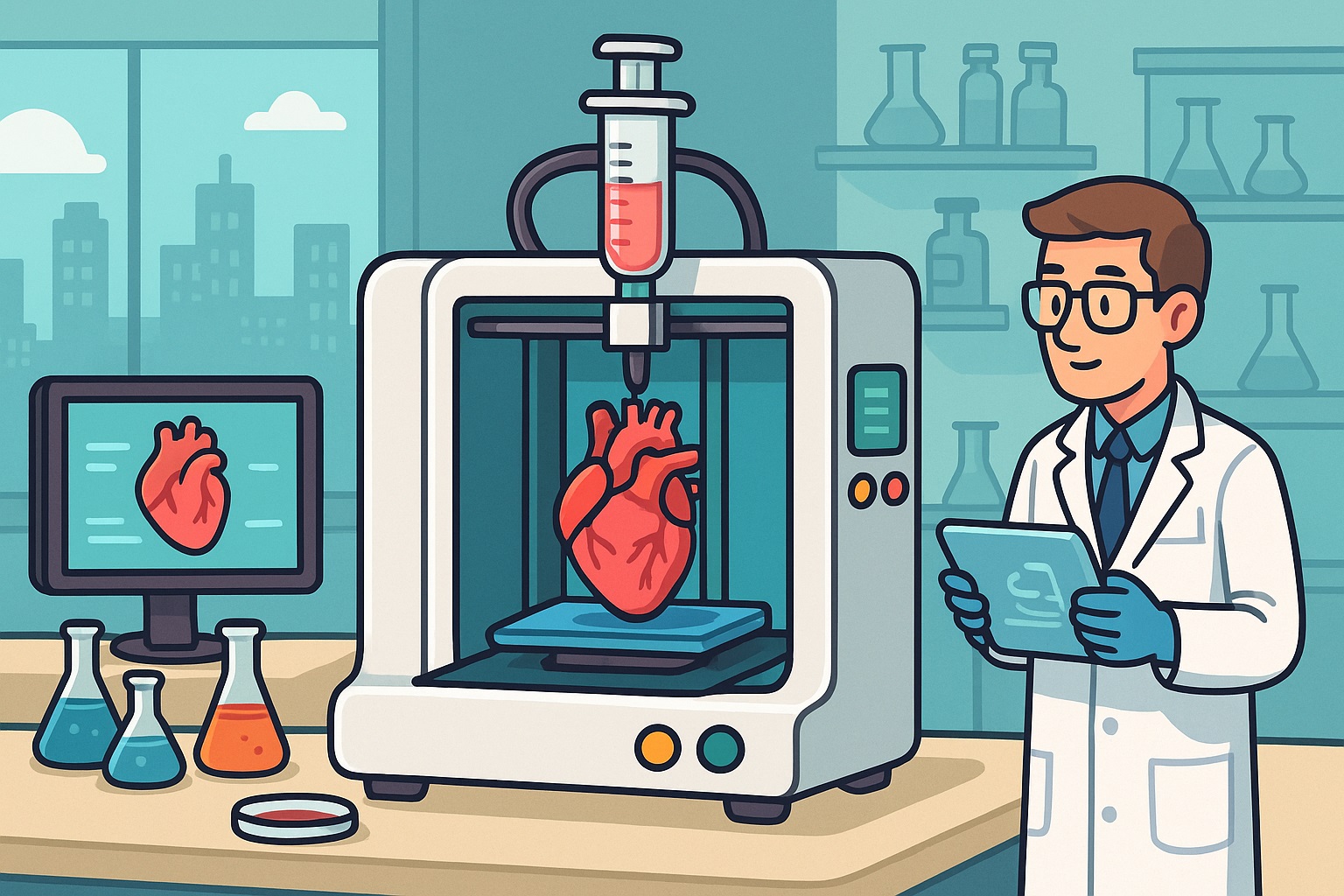
Imagine a world where no one dies waiting for an organ transplant. Thanks to advances in 3D bioprinting, this once-unthinkable scenario is slowly becoming reality. Scientists are now exploring ways to print living tissues and even whole organs, offering new hope to millions suffering from organ failure.

Sugar and Its Alternatives: Which Is Really Worse?
Fuel Your Body Smart & Healthy

Sugar and Its Alternatives: Which Is Really Worse?

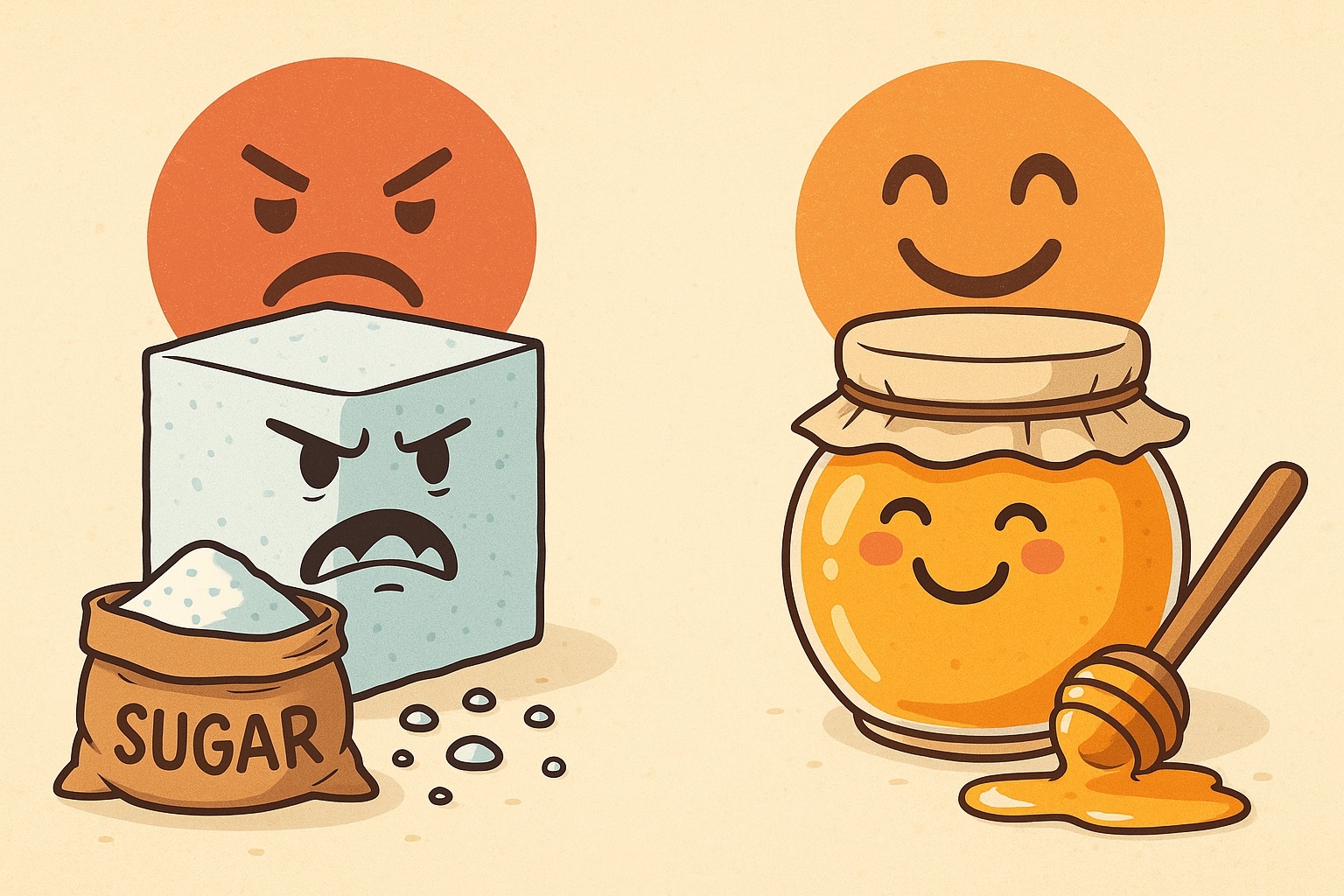
Refined sugar* is one of the most widely consumed substances in the modern diet — and one of the most harmful. While it provides energy, it lacks any nutritional value and contributes to a growing list of health problems. If you care about your long-term health, the message from research is clear: pure refined sugar should be minimized or avoided altogether.

Proteins, Fats, and Carbs: How Much Do You Really Need?
Fuel Your Body Smart & Healthy

Proteins, Fats, and Carbs: How Much Do You Really Need?

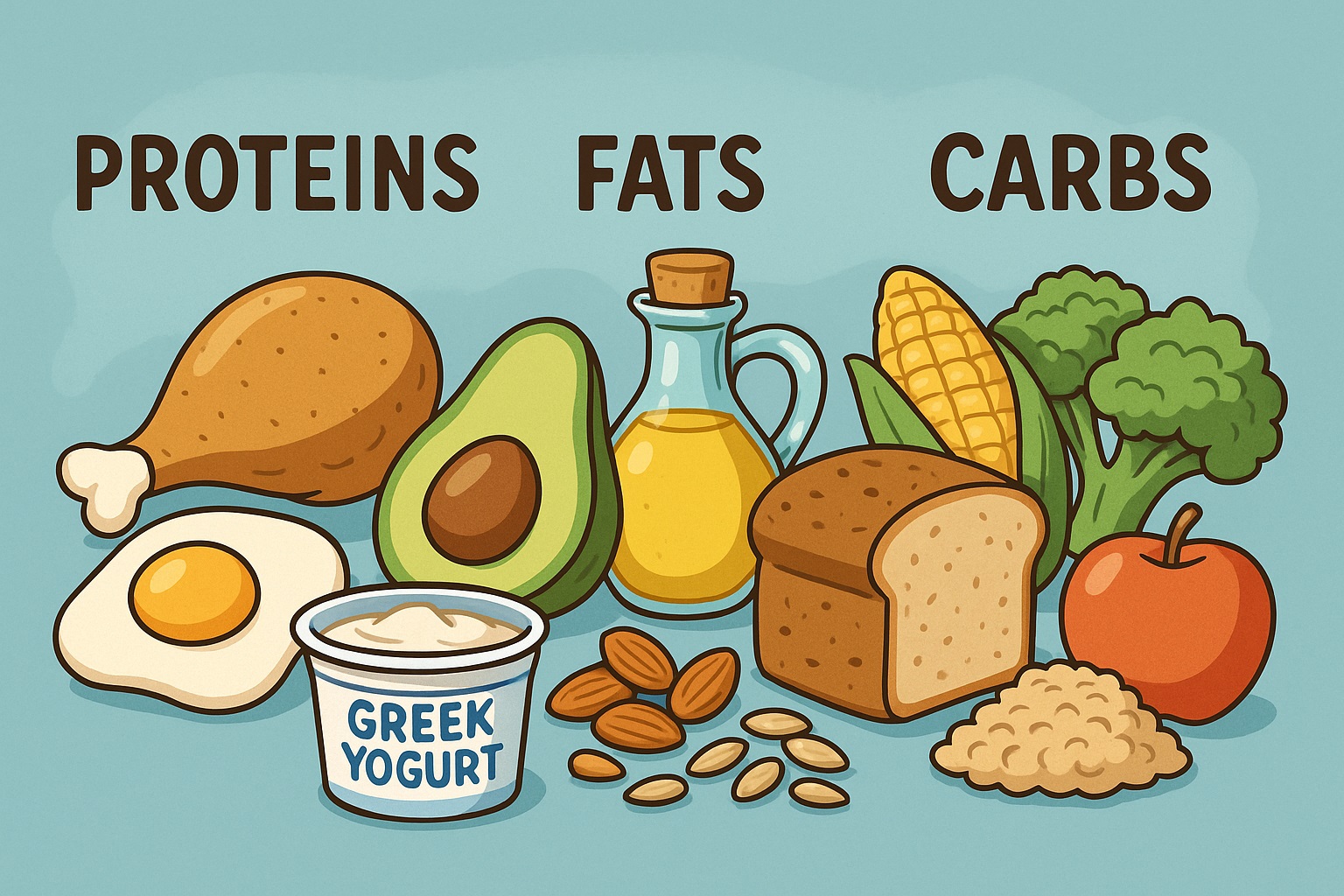
Every time we eat, we consume a mix of macronutrients* — proteins, fats, and carbohydrates. These three groups provide energy and support vital functions, but how much of each do you actually need? The answer depends on your age, weight, activity level, and goals — whether you're trying to lose weight, build muscle, or just stay healthy.