
Glycemic Index: How It Affects Weight and Energy Levels
The glycemic index (GI) is a scale that ranks carbohydrate-containing foods by how quickly they raise blood glucose levels after consumption.
Useful articles about medicine and human biology
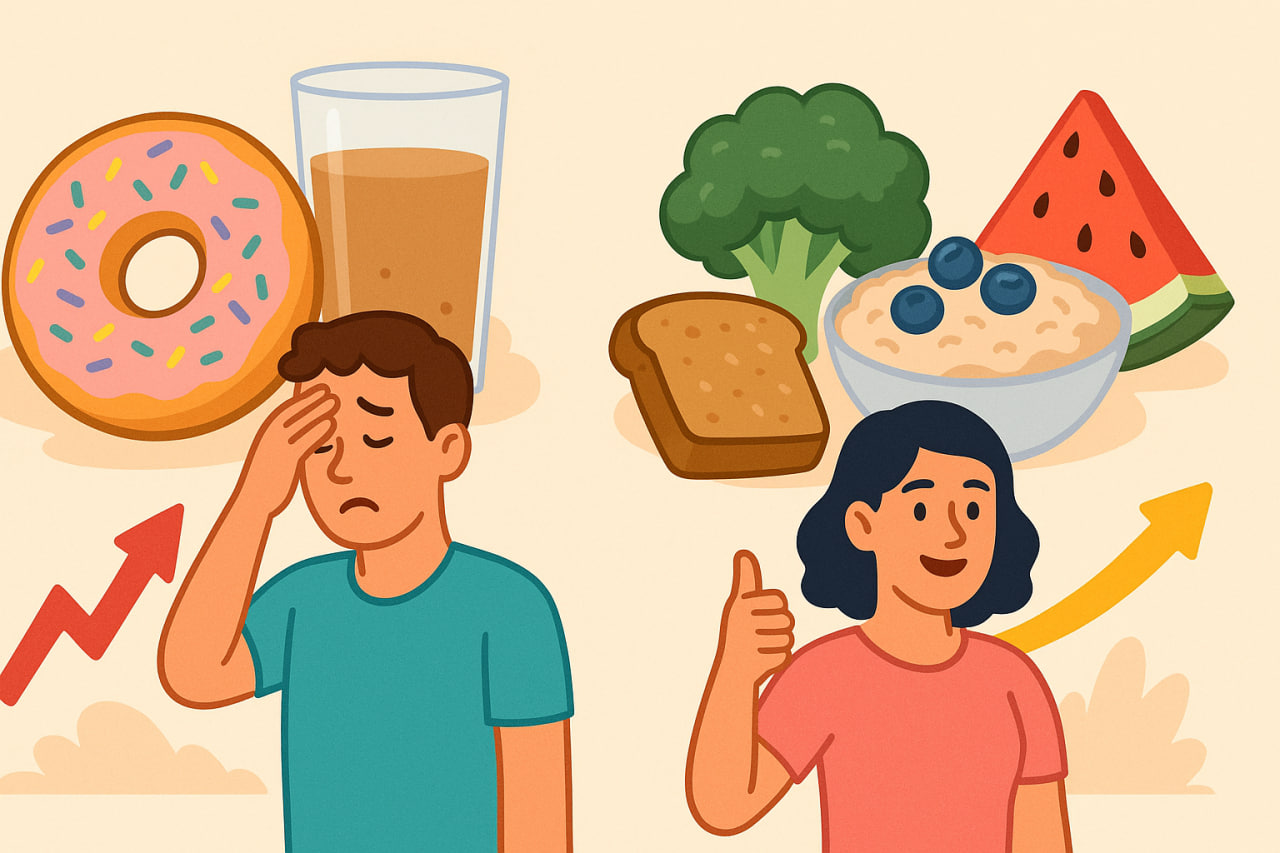
The glycemic index (GI) is a scale that ranks carbohydrate-containing foods by how quickly they raise blood glucose levels after consumption.

Maintaining oral hygiene is essential for preventing dental disease and supporting overall health. The mouth is a complex ecosystem where bacteria, saliva, and food residues interact constantly.

While most people associate oral hygiene with brushing teeth and flossing, the tongue plays a critical role in overall mouth health.
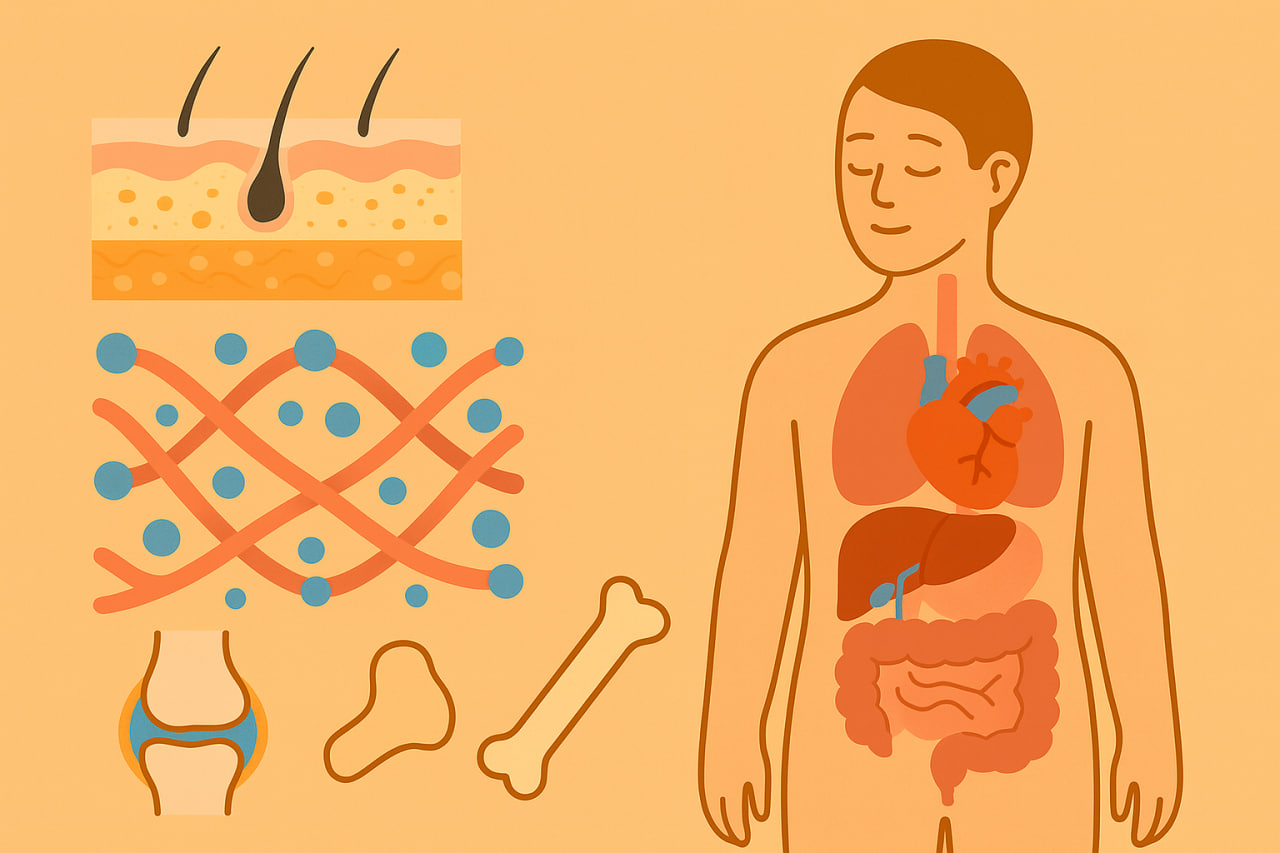
Collagen is the most abundant structural protein in the human body, comprising nearly 30% of total protein content.
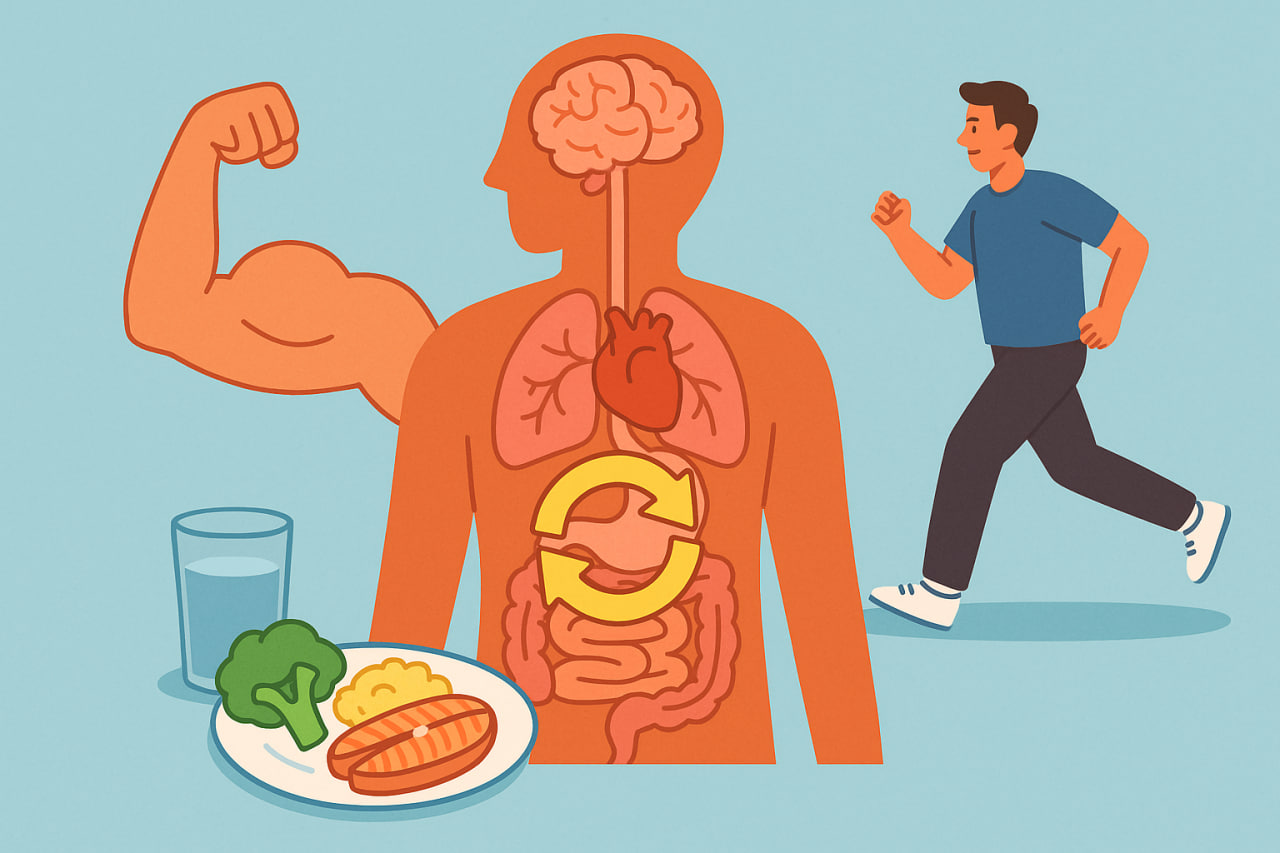
Metabolism is a set of chemical processes in the body that convert food into energy to support life-sustaining functions.

Hypodynamia—also known as physical inactivity or sedentary lifestyle—is a growing public health concern in the modern world.

Aging is a natural biological process characterized by gradual declines in cellular function, muscle mass, metabolic efficiency, and cognitive ability.

Choosing seasonal products—foods naturally harvested at specific times of the year—offers numerous benefits for human health, environmental sustainability, and food quality.
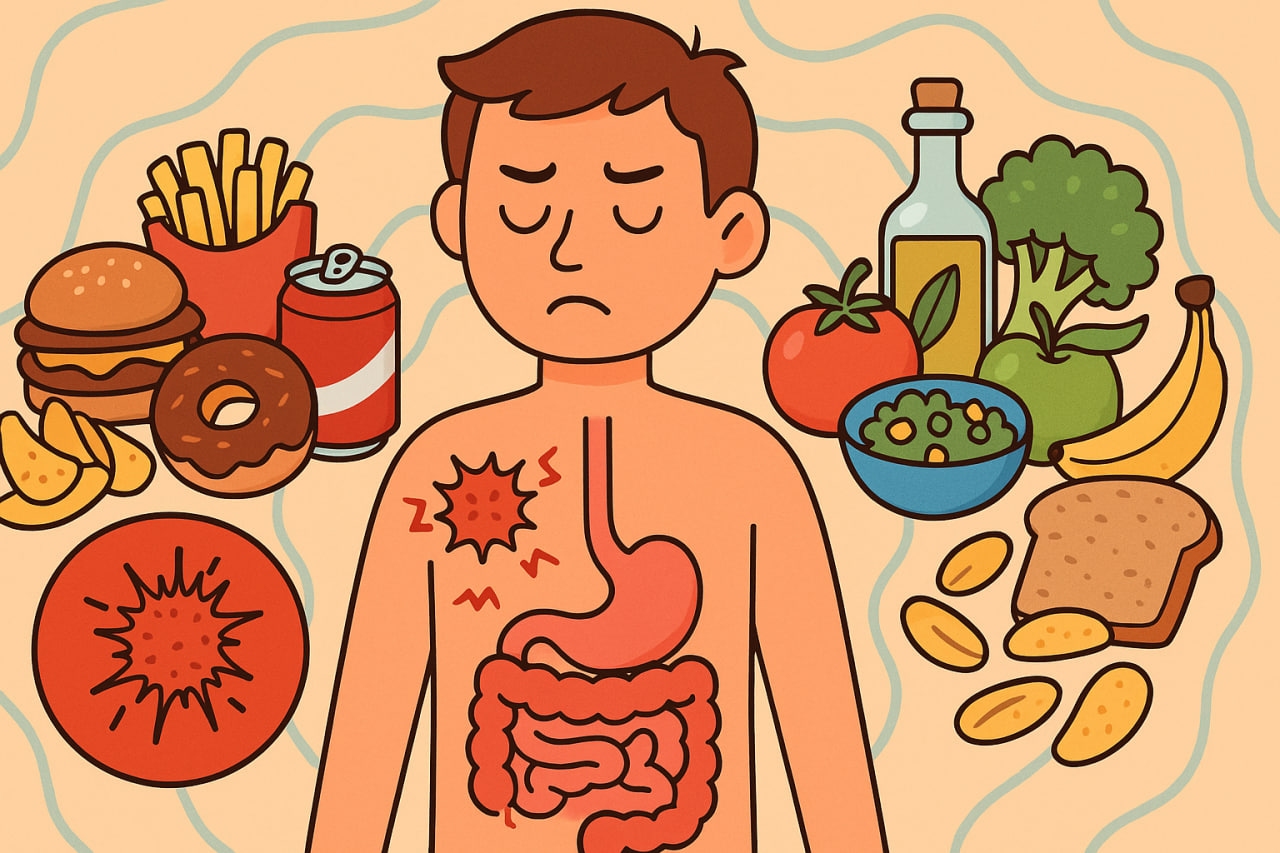
Inflammation is a natural immune response to injury, infection, or harmful stimuli. While acute inflammation helps the body heal, chronic inflammation is associated with a range of diseases...

Biological rhythms, also known as biorhythms, are natural, internal cycles that regulate the timing of physiological and behavioral processes.