
How to Maintain Normal Iron Levels in the Body
Iron is an essential mineral that supports oxygen transport, energy production, and immune function. Keeping iron levels balanced is important, as both deficiency and excess can harm health.
Useful articles about medicine and human biology

Iron is an essential mineral that supports oxygen transport, energy production, and immune function. Keeping iron levels balanced is important, as both deficiency and excess can harm health.
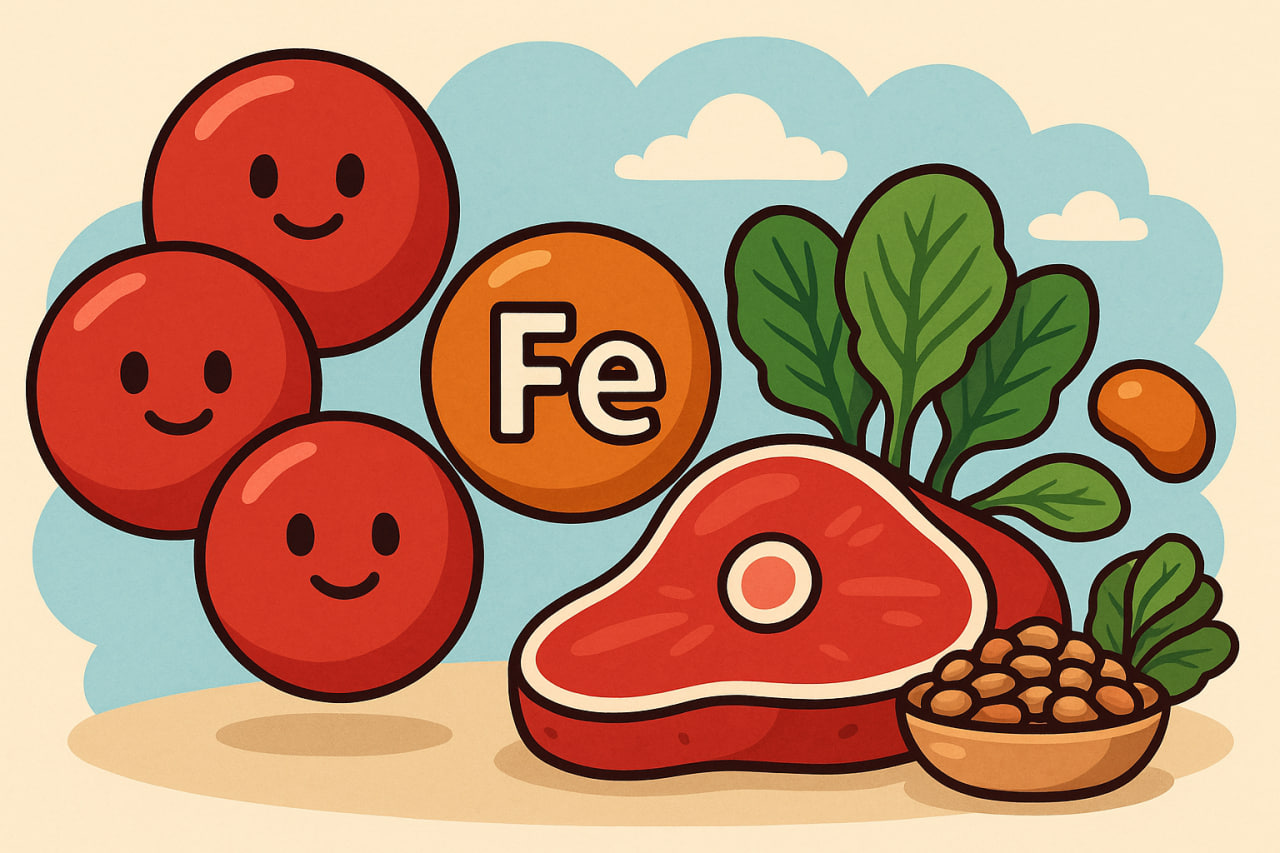
Iron is a vital mineral that plays a central role in keeping the body healthy and functioning properly.

Thermoregulation is the body’s ability to maintain a stable internal temperature despite changes in the environment. For humans, the ideal internal temperature is about 36.5–37°C (97.7–98.6°F).

Anxiety is a natural reaction to stress, but when it becomes constant, overwhelming, or disproportionate to the situation, it may signal an anxiety disorder.
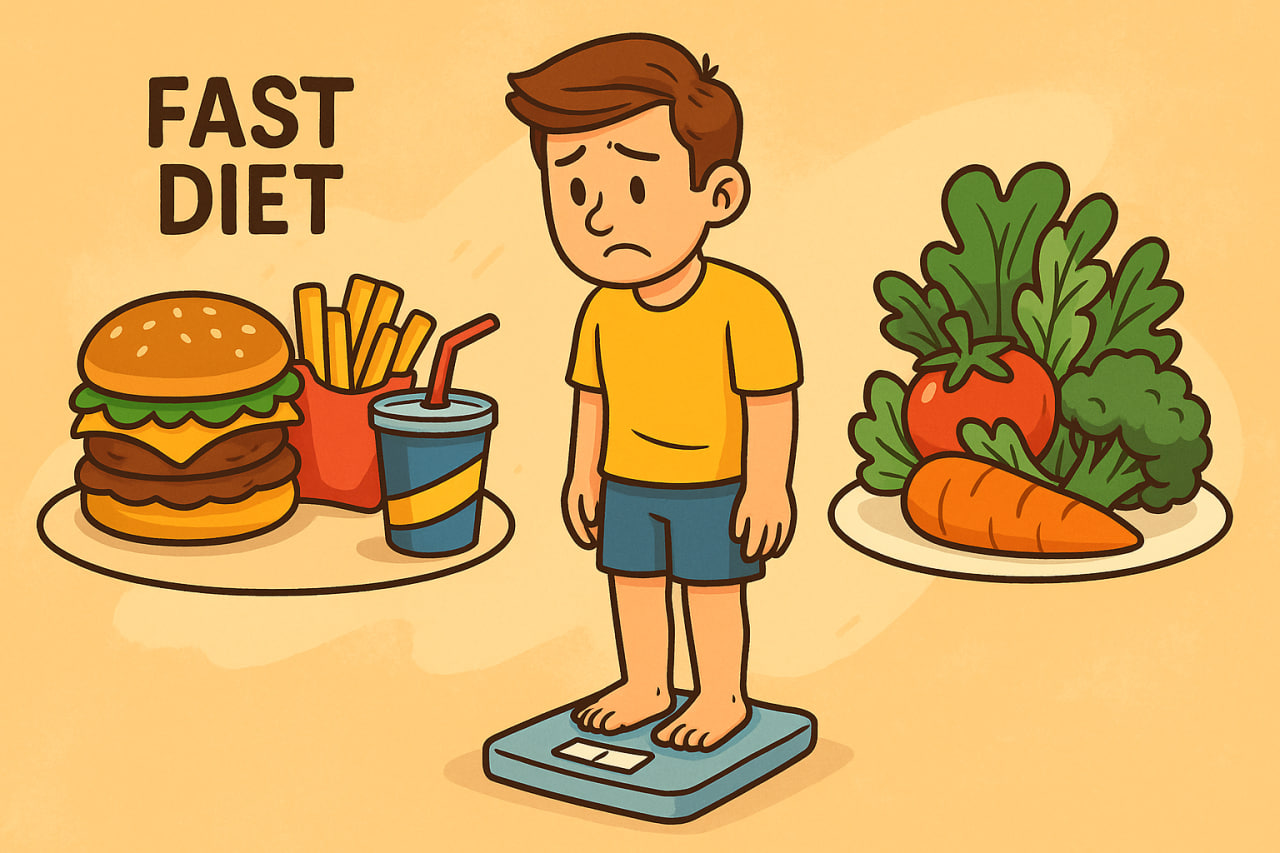
Crash diets, often called “fast diets,” promise quick weight loss in a very short time.

Chronic inflammation is a prolonged, low-level immune response that can damage tissues and contribute to various diseases.

Nutrition plays a crucial role in supporting cognitive functions, such as memory, attention, and problem-solving.

Nutrition plays a crucial role in supporting cognitive functions, such as memory, attention, and problem-solving.
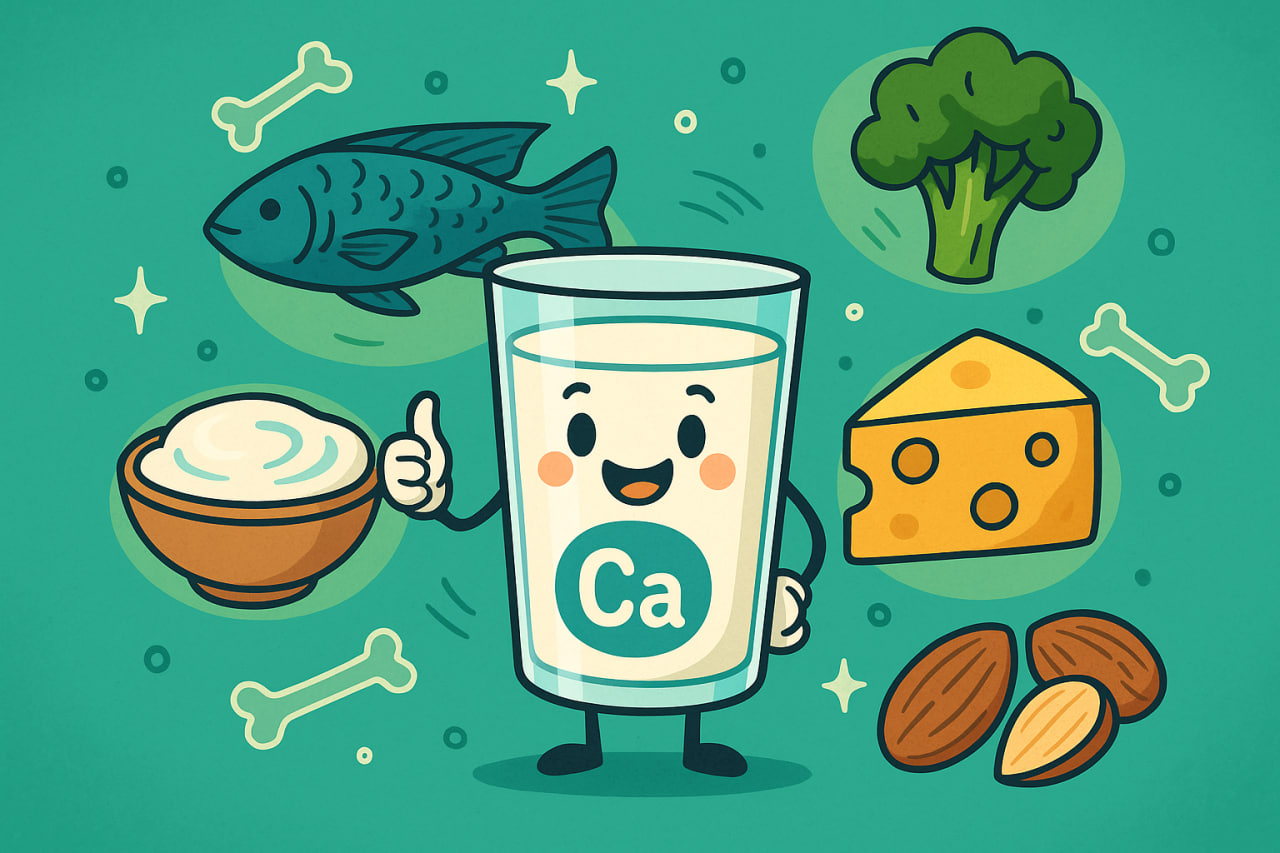
Calcium is one of the most important minerals for human health. It is best known for its role in building strong bones and teeth, but its functions go far beyond the skeletal system.

Cancer is one of the leading health challenges of modern society, affecting millions of people worldwide each year.